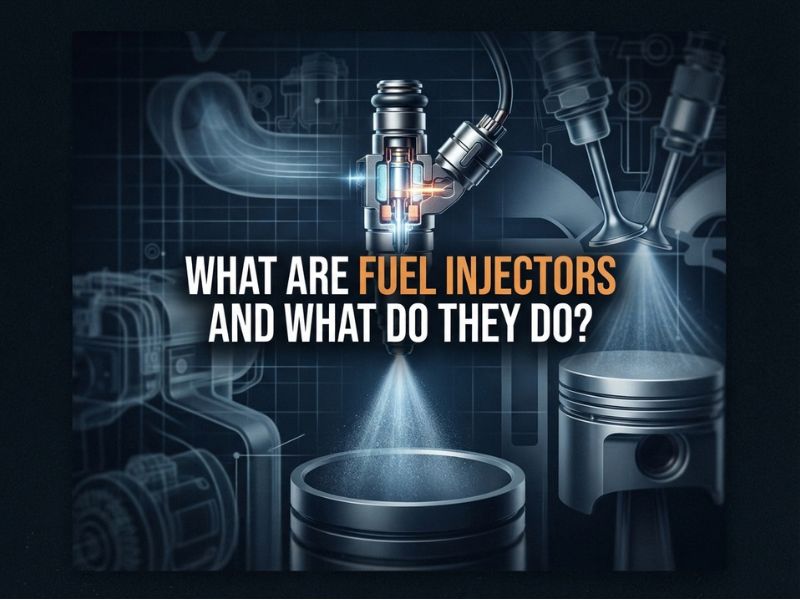
A fuel injector does a simple job, but it must work with great care. It sprays a fine amount of fuel into the engine at the right time. Dirt, varnish, wear, electrical faults, and leaks can change that spray and cause poor engine performance.
So, can you repair fuel injectors? In many cases, yes. A dirty injector may work well again after proper cleaning. Some injectors can also be rebuilt with new seals, filters, or other service parts. But not every injector is worth repairing, and some cannot be repaired safely.
The key is to test the injector before spending money on parts. A rough idle, misfire, hard start, or poor fuel economy can also come from spark plugs, coils, fuel pressure problems, air leaks, sensors, or other engine faults. Good diagnosis helps prevent an unnecessary injector replacement.

Can You Repair Fuel Injectors?
Yes, fuel injectors can sometimes be repaired. The repair depends on what has gone wrong. A dirty injector is very different from an injector with a burned coil or a cracked body.
For many gasoline engines, professional injector service starts with testing. The shop may check the injector’s electrical resistance, spray pattern, flow rate, leak rate, and response to an electrical pulse. These tests show whether cleaning or rebuilding has a good chance of fixing the problem.
Older and some high-value injectors may be good candidates for rebuilding. Newer injectors can have sealed parts that are not designed for field repair. In those cases, replacement may be the safer and more practical choice.
- ✦ Cleaning
Cleaning can remove deposits that restrict fuel flow or change the spray pattern.
- ✦ Rebuilding
Some injectors can receive new seals, filters, or other service parts after proper testing.
- ✦ Electrical repair
Some faults can be identified through electrical testing, but a failed injector coil often calls for replacement.
- ✦ Replacement
A cracked, badly worn, leaking, or electrically failed injector may need to be replaced rather than repaired.
Why Diagnosis Comes First
It is easy to blame an injector when an engine shakes or loses power. That can lead to wasted money. A scan tool may show a cylinder misfire, but a misfire code does not prove that the injector caused it.
A good test compares the suspected injector with the others. A technician can also move an injector to another cylinder when the design allows it. If the fault moves with the injector, that gives much stronger evidence.
- ✦ Check the fault code
A code can point to a cylinder or fuel system issue, but it does not always identify the failed part.
- ✦ Check fuel pressure
Low or unstable fuel pressure can affect every injector and mimic an injector fault.
- ✦ Test the injector
Flow, leak, electrical, and spray tests can show whether the injector itself has a problem.
What Causes Fuel Injectors to Fail?
Fuel injectors work in a harsh environment. They deal with fuel, heat, pressure, and repeated electrical pulses. Over time, deposits or wear can affect how the injector opens and closes.
Fuel quality also matters. Contaminated fuel can carry dirt or water into the fuel system. Deposits may build on injector parts and change the amount or shape of the fuel spray.
Age can also play a role. An injector with many years of service may have worn seals or internal parts. In some cases, an electrical fault causes the injector to stop working even when the nozzle looks clean.

- ✦ Fuel deposits
Deposits can restrict the injector opening and change the spray pattern.
- ✦ Contaminated fuel
Dirt or water in fuel can damage or restrict fuel system parts.
- ✦ Electrical failure
The injector coil or wiring can fail and stop the injector from responding correctly.
- ✦ Mechanical wear
Internal wear can cause poor flow control or leakage.
- ✦ Heat and age
Long-term heat and repeated operation can weaken seals and internal parts.
Dirty Injectors Versus Damaged Injectors
This difference is important when asking, can you repair fuel injectors? A dirty injector may respond well to cleaning because the main problem is a deposit. A damaged injector may still fail after cleaning because the internal parts or electrical circuit have failed.
Cleaning should not be treated as a cure for every injector problem. If an injector leaks after cleaning or has a failed electrical circuit, replacement may be the better path.
- ✦ Dirty injector
Cleaning may restore flow and improve the spray pattern.
- ✦ Leaking injector
The injector may need seals or internal service, but severe leakage can require replacement.
- ✦ Failed coil
A failed internal coil usually means the injector should be replaced unless a specialist rebuild service is appropriate.
Signs That a Fuel Injector May Need Repair
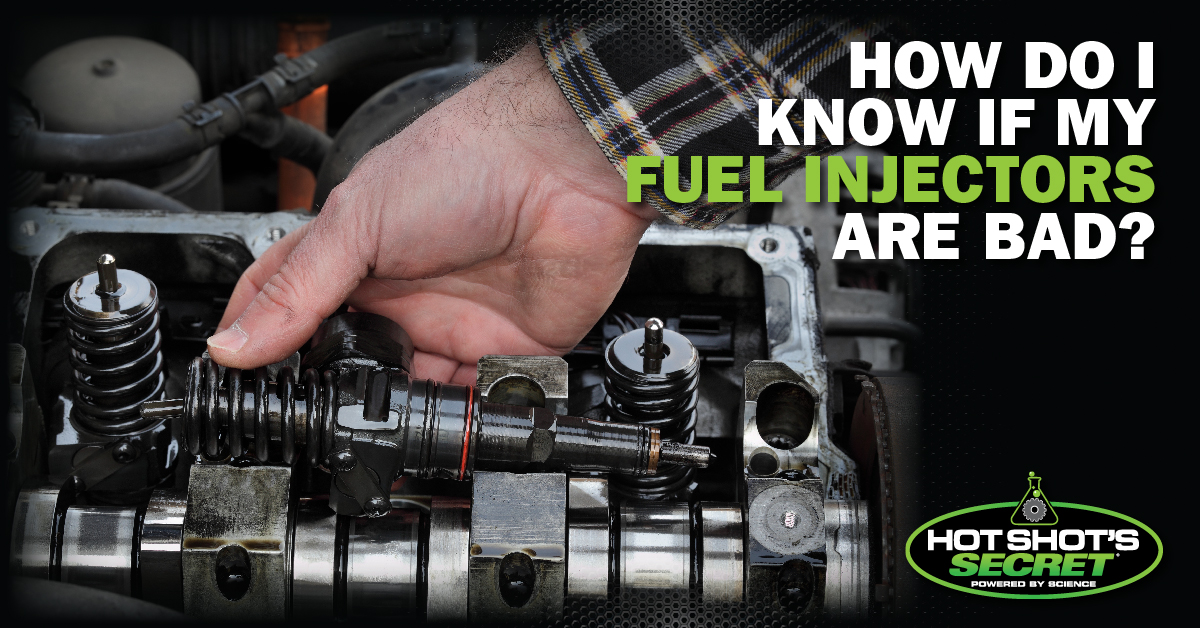
A bad injector can cause several engine symptoms. The most common signs include rough running, a misfire, poor acceleration, hard starting, and reduced fuel economy. The symptoms can be mild at first and become worse over time.
A check engine light may also appear. On many modern vehicles, the engine computer can detect a misfire or an electrical problem. However, a warning light alone cannot tell you whether the injector needs cleaning, repair, or replacement.
Pay close attention to changes in how the engine runs. A new rough idle or strong fuel smell deserves attention, especially if the smell is linked to a possible fuel leak.
- ✦ Rough idle
Uneven fuel delivery can make the engine shake or idle poorly.
- ✦ Engine misfire
A cylinder may misfire when its injector does not deliver the right amount of fuel.
- ✦ Hard starting
An injector that leaks or fails to deliver fuel can make starting harder.
- ✦ Poor acceleration
Weak or uneven fuel delivery can reduce engine response under load.
- ✦ Poor fuel economy
An injector that delivers too much fuel can waste fuel and affect engine operation.
- ✦ Fuel smell
A strong fuel smell can point to a leak and should not be ignored.
When a Fuel Injector Problem Is Urgent
Not every injector symptom means you must stop driving at once. But some signs need quick attention. A strong fuel smell, visible fuel leak, severe misfire, or flashing check engine light can signal a problem that may damage the vehicle or create a safety risk.
If raw fuel is leaking, do not keep driving while hoping the problem will clear up. Shut the engine off when it is safe to do so and have the vehicle inspected.
- ✦ Visible fuel leak
Do not operate the vehicle until the source of the leak has been checked.
- ✦ Strong fuel odor
A strong fuel smell can indicate a leak or an injector that is not sealing correctly.
- ✦ Severe misfire
A severe misfire can raise exhaust temperatures and may harm the catalytic converter.
How Are Fuel Injectors Repaired?
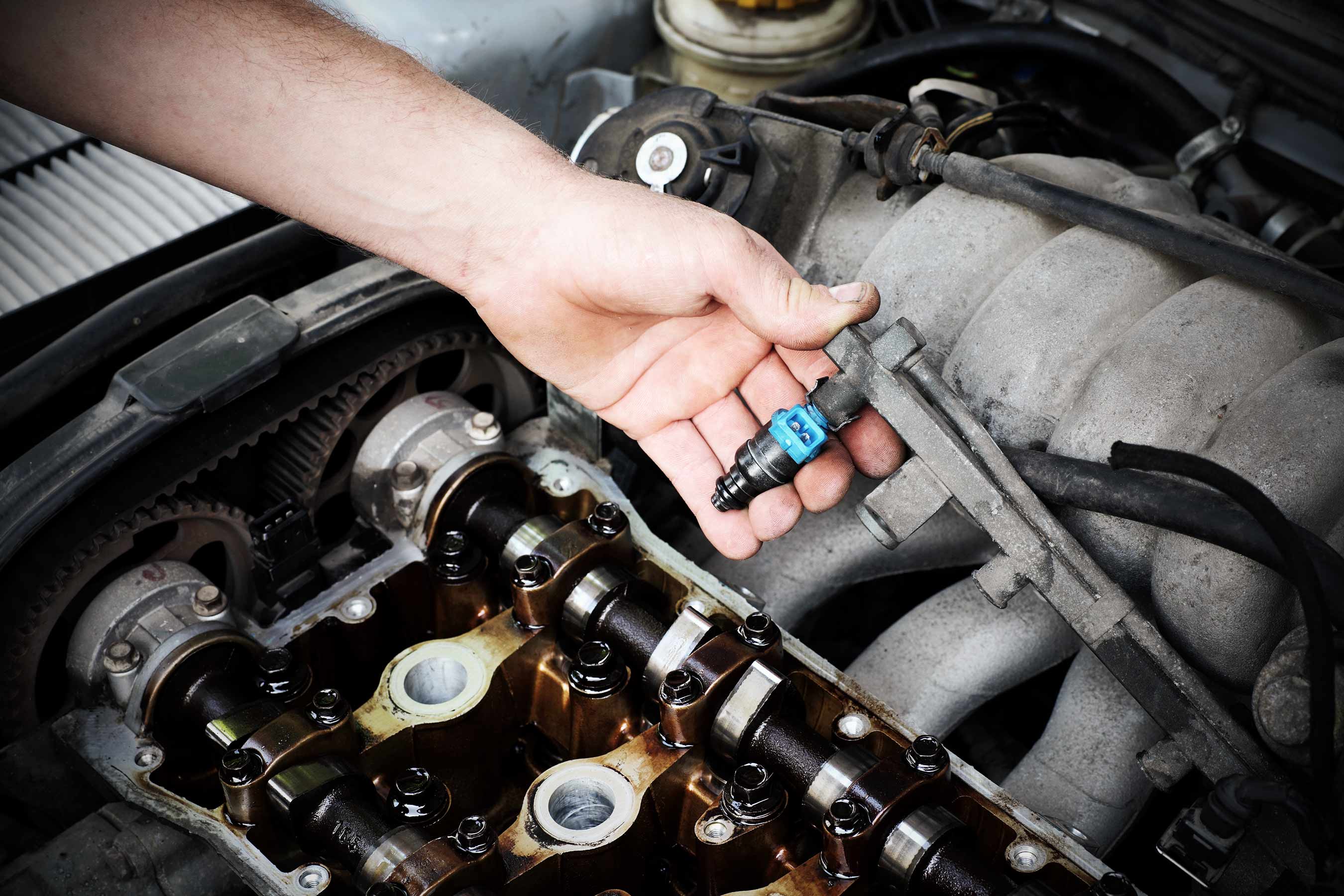
A proper injector repair starts with removal and testing when the vehicle design allows it. The injector is checked for electrical operation, leaks, flow, and spray quality. The exact process varies by injector type and engine.
Professional injector cleaning often uses a dedicated test bench. The injector receives a controlled electrical pulse while a cleaning fluid passes through it. The technician can then compare flow before and after cleaning.
If the injector can be rebuilt, the technician may replace serviceable seals, filters, or other parts. The injector should then be tested again. A repaired injector should meet the needed flow and leak standards before it goes back into the vehicle.
- ✦ Remove the injector
The injector is removed using the procedure for that engine and fuel system.
- ✦ Inspect it
The injector body, connector, seals, and visible parts are checked for damage.
- ✦ Test it
Flow, leak, electrical response, and spray pattern can be checked with suitable equipment.
- ✦ Clean it
Special equipment can help remove internal and nozzle deposits.
- ✦ Replace service parts
A rebuild may include new seals, filters, or other parts when the injector design supports service.
- ✦ Test it again
The final test confirms whether the injector now performs as expected.
Ultrasonic Injector Cleaning
Some professional shops use ultrasonic cleaning as part of injector service. The process can help loosen deposits that normal fuel system cleaners may not remove. The injector can then be tested for flow and spray quality.
Ultrasonic cleaning is not magic. It cannot restore a burned electrical coil or fix every worn internal part. Testing before and after cleaning is what makes the service useful.
- ✦ Before cleaning
The injector is tested so the technician knows its starting condition.
- ✦ During cleaning
Cleaning equipment helps remove deposits from the injector and nozzle.
- ✦ After cleaning
The injector is tested again to confirm whether its flow and spray have improved.
Replacing Seals and Filters
Some injectors use serviceable seals and small filters that can become worn or dirty. A rebuild service may replace these parts when the injector body and internal components remain usable.
The correct parts matter. An incorrect seal can leak, and a poor fit can create a fuel or air problem. For this reason, injector service should follow the vehicle and injector manufacturer’s specifications.
- ✦ O-rings
New seals can help restore proper sealing when old seals are damaged or hardened.
- ✦ Filters
Some injector designs have small filters that can be replaced during service.
Can You Clean Fuel Injectors Instead of Repairing Them?
Sometimes cleaning is all an injector needs. If deposits are restricting the nozzle or changing the spray pattern, cleaning can restore normal operation. This is one reason why fuel injector cleaning is often considered before replacement.
There are two common approaches. A fuel system cleaner added to the tank is simple and may help with light deposits. A professional off-car cleaning and test is more thorough because the injector can be measured before and after the service.
If the injector has an electrical failure, severe internal wear, or a persistent leak, cleaning alone will not solve the problem. This is why the answer to can you repair fuel injectors depends on the actual fault.
- ✦ Tank cleaner
A quality fuel system cleaner may help with light deposits during normal vehicle use.
- ✦ Professional cleaning
A removed injector can be cleaned and tested with dedicated equipment.
- ✦ Do not expect a cure
Cleaning cannot reliably fix a broken electrical circuit, cracked body, or severely worn injector.
When a Fuel Additive May Help
A fuel additive may be useful when the engine has mild deposit-related symptoms and the injectors still work correctly. It is a low-effort step, but it cannot measure injector performance or confirm that a specific injector is faulty.
If the engine has a persistent misfire or a strong fuel smell, do not rely on an additive as the main repair. Find the cause first.
- ✦ Mild deposits
A cleaner may help reduce light fuel system deposits.
- ✦ No hard fault
Additives make more sense when there is no clear sign of an electrical or mechanical injector failure.
When Should You Replace a Fuel Injector?
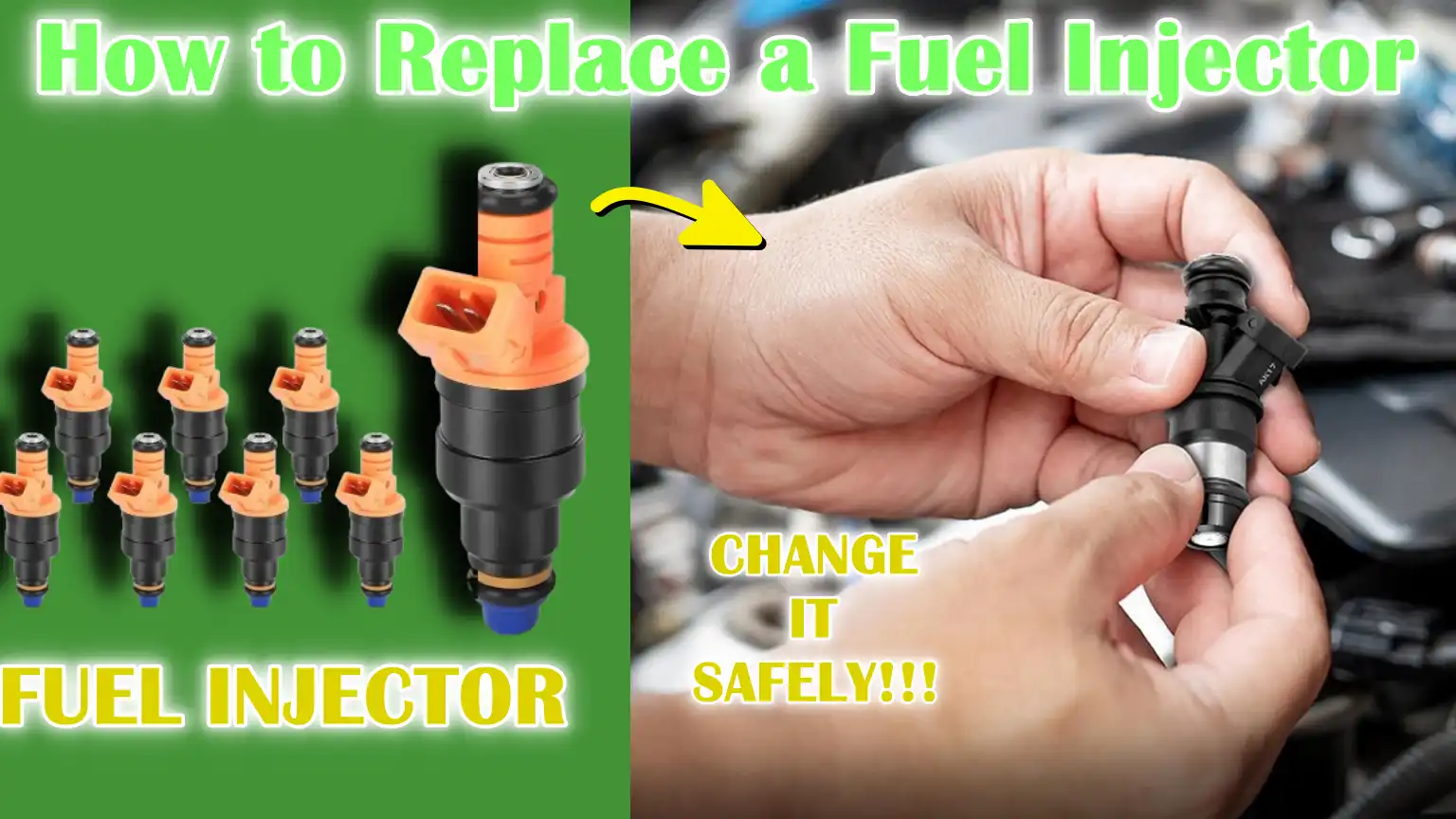
Sometimes replacement is the correct repair. If an injector has a failed coil, damaged body, severe internal wear, or a leak that remains after proper service, a new or professionally remanufactured injector may make more sense.
Replacement also becomes attractive when the injector is inexpensive and labor is high. For some common U.S. vehicles, the cost of a new injector may be reasonable compared with the time needed to rebuild a damaged unit.
The goal is not to repair an injector at any cost. The goal is to restore safe, correct fuel delivery with a reliable part.
- ✦ Cracked injector body
A damaged body can create a fuel leak and usually calls for replacement.
- ✦ Failed electrical circuit
An injector with a failed internal coil may need replacement.
- ✦ Severe internal wear
Heavy wear may prevent the injector from delivering fuel correctly even after cleaning.
- ✦ Persistent leakage
An injector that still leaks after proper service may not be safe to reuse.
- ✦ Poor repair value
If repair costs approach the price of a reliable replacement, replacement may be more practical.
New Versus Remanufactured Injectors
A remanufactured injector can be a useful option when it comes from a reputable supplier. The important point is that it should be tested and built to the correct specifications for the application.
A new injector removes concerns about the previous injector’s internal wear. However, new does not automatically mean correct. The part must match the engine and fuel system.
- ✦ New injector
Provides new internal components and can be a straightforward replacement when the correct part is available.
- ✦ Remanufactured injector
Can cost less than a new unit while offering tested and serviced components when sourced from a trusted supplier.
- ✦ Correct part number
Always match the injector to the exact engine and application.
How Much Does Fuel Injector Repair Cost?
Fuel injector repair costs vary widely in the United States. The price depends on the vehicle, injector type, labor time, number of injectors, and whether the shop cleans, rebuilds, or replaces the injector.
A basic fuel system cleaning can cost much less than removing several injectors and replacing them. A professional off-car injector service can also cost more than a bottle of fuel additive because it includes testing and specialized equipment.
For a fair estimate, ask the shop what the diagnosis found and what work the price includes. A good estimate should separate parts, labor, diagnostic work, and any required seals or related service.

- ✦ Cleaning cost
Simple fuel system cleaning is usually less costly than removing and replacing injectors.
- ✦ Testing cost
Professional diagnosis may add a separate charge, especially when injector removal and bench testing are required.
- ✦ Replacement cost
Replacement price depends heavily on injector price and how much labor the vehicle requires.
- ✦ Multiple injectors
Replacing several injectors can raise the total cost, especially when access is difficult.
What Makes Injector Repair More Expensive?
Injector access can have a large effect on labor. Some engines place injectors in an easy-to-reach location. Others require removal of several components before a technician can reach them.
Direct-injection systems can also require more specialized parts and procedures than older port-injection systems. Diesel injectors may involve even more demanding testing and repair work.
- ✦ Hard access
More labor is needed when the injector sits under parts that must be removed first.
- ✦ Injector type
Modern gasoline direct-injection and diesel systems may require specialized tools and procedures.
- ✦ Related parts
Seals, clips, fuel rail parts, or other components may need service during injector replacement.
Can You Repair Fuel Injectors at Home?
Some basic injector checks can be done by a skilled DIY owner, but fuel system work needs care. Modern fuel systems can operate at high pressure, and fuel is highly flammable. The exact risks depend on the vehicle and fuel system.
A simple visual inspection can look for damaged connectors, broken wires, or obvious leaks. Some owners also use a scan tool and electrical meter for basic diagnosis. More advanced injector testing usually needs equipment designed for fuel injectors.
If you plan to remove an injector, follow the vehicle service manual. Relieve fuel pressure as required, keep ignition sources away, use proper eye protection, and replace seals as specified. Never take shortcuts with a pressurized fuel system.
- ✦ Basic inspection
Look for damaged wiring, connectors, seals, and signs of fuel leakage.
- ✦ Scan tool
A scan tool can help identify misfire or injector-related fault codes.
- ✦ Electrical check
A suitable meter can help check injector circuit resistance when the manufacturer provides the correct test values.
- ✦ Professional bench test
A dedicated test bench can measure injector flow and leak behavior more accurately.
Why DIY Injector Cleaning Can Be Risky
Online videos may show quick injector cleaning methods, but not every method is safe for every injector. Applying the wrong voltage, using unsuitable cleaning fluid, or forcing an injector open can damage it.
The safest DIY approach is to follow the exact service procedure for your engine. If you do not have the right tools or information, injector testing at a qualified shop can prevent a small issue from becoming a larger one.
- ✦ Use the right equipment
Do not improvise electrical or fuel-pressure tools when working on injectors.
- ✦ Protect against fuel
Work in a well-ventilated area and keep sparks, flames, and hot surfaces away from fuel.
- ✦ Follow service data
Use the vehicle maker’s procedure for pressure relief, removal, installation, and testing.
How to Tell If an Injector Is Repairable
The best way to decide whether you can repair fuel injectors is to compare test results with the injector’s required performance. A visual inspection alone cannot show everything happening inside an injector.
A technician can check whether the injector opens when commanded, whether it leaks when closed, and whether it delivers the right amount of fuel. The spray pattern can also provide useful information on suitable injector designs.
If cleaning restores the flow and the injector remains leak-free, repair may be worthwhile. If the injector fails its electrical test or continues to leak after proper service, replacement is usually the more sensible choice.
- ✦ Good electrical test
The injector should respond correctly to the electrical command required by the system.
- ✦ Good leak test
The injector should seal correctly when it is not commanded to spray.
- ✦ Correct flow
The injector should deliver fuel within the required flow range.
- ✦ Acceptable spray
The spray should match the expected pattern for that injector and system.
- ✦ Successful cleaning
If testing improves after cleaning and the injector remains reliable, service may be enough.
A Simple Decision Path
Start with diagnosis. If the injector is dirty but electrically sound and leak-free, cleaning is a reasonable step. If it has a serviceable seal or filter problem, rebuilding may also be possible.
If the injector has major internal damage, a failed electrical coil, a cracked body, or an ongoing leak, replacement is generally the safer route. This approach avoids paying for a repair that cannot restore reliable operation.
- ✦ Dirty but sound
Clean and retest the injector.
- ✦ Serviceable wear
Consider a professional rebuild with the correct parts.
- ✦ Major damage
Replace the injector with a correct new or quality remanufactured unit.
Can a Bad Fuel Injector Damage the Engine?
Yes, a bad injector can contribute to engine damage if the problem continues. The risk depends on how the injector fails. An injector that delivers too little fuel can create a lean condition, while one that leaks or delivers too much fuel can create a rich condition.
A leaking injector can also allow excess fuel into a cylinder. In some cases, fuel can reach the engine oil and reduce its ability to protect moving parts. A severe misfire can also send unburned fuel into the exhaust system and place extra stress on the catalytic converter.
This does not mean every bad injector will destroy an engine. It means persistent injector problems should not be ignored. Quick diagnosis can limit the chance of secondary damage.
- ✦ Lean operation
Too little fuel can affect combustion and may increase heat in some operating conditions.
- ✦ Rich operation
Too much fuel can reduce efficiency and affect combustion and emissions.
- ✦ Oil dilution
A leaking injector can allow excess fuel to enter the cylinder and potentially contaminate engine oil.
- ✦ Catalytic converter stress
A severe misfire can send unburned fuel into the exhaust and damage emissions components.
Why a Flashing Check Engine Light Matters
A flashing check engine light often indicates a serious active misfire. The cause may be an injector, ignition problem, air problem, or another fault. It is a warning to avoid continued driving until the cause is checked.
If the vehicle runs very poorly and the check engine light flashes, reduce use of the vehicle and seek diagnosis. Continuing to drive can turn a repairable fault into a more expensive one.
- ✦ Stop and assess
A flashing warning light with severe misfire deserves prompt attention.
- ✦ Do not guess
Test the fuel and ignition systems rather than assuming the injector is at fault.
Fuel Injector Repair Mistakes to Avoid
Fuel injector problems can become expensive when the wrong part gets replaced first. One common mistake is treating every misfire as an injector problem. Another is using a cleaner when the injector has an electrical or mechanical fault.
It is also easy to replace one injector without checking why it failed. Contaminated fuel, damaged wiring, fuel pressure problems, or other fuel system faults may affect the replacement part too.
Good repair work is based on testing. If a shop recommends replacing an injector, ask what test result supports that recommendation. This simple question can make the repair process clearer.
- ✦ Replacing parts without testing
Do not replace an injector just because the engine has a misfire code.
- ✦ Using cleaner for every fault
Fuel cleaner cannot fix a failed electrical circuit or damaged injector body.
- ✦ Ignoring fuel pressure
A pressure problem can affect injector performance and create misleading symptoms.
- ✦ Skipping seal replacement
Use the correct new seals when the service procedure requires them.
- ✦ Ignoring contamination
If contaminated fuel caused the problem, replacing an injector alone may not solve the underlying issue.
The Most Useful Question to Ask a Repair Shop
Ask, “What test showed that the injector is faulty?” A good technician should be able to explain the result in simple terms. The answer may involve a misfire test, electrical test, injector balance test, leak test, or flow test.
You can also ask whether cleaning was attempted and what happened after the test. This helps you understand whether the injector is dirty, damaged, or simply not the cause of the engine problem.
- ✦ Ask for the test result
A measured result gives stronger evidence than a guess based only on symptoms.
- ✦ Ask about repair options
Find out whether cleaning, rebuilding, or replacement is appropriate for the specific injector.
Professional Fuel Injector Repair Versus Replacement
Choosing repair or replacement comes down to condition, cost, injector design, and reliability. A cleanable injector with good electrical and mechanical health may be worth servicing. A badly damaged injector may be better replaced.
For older or harder-to-find injectors, professional rebuilding can make sense. It can preserve a usable original component and may cost less than sourcing a new unit. The service should include proper testing before the injector returns to the vehicle.
For common modern vehicles, replacement may be faster and easier. The right choice depends on the actual injector, not just the vehicle’s age.
- ✦ Repair when
The injector has a serviceable fault, such as deposits or replaceable seals, and testing shows that the core is sound.
- ✦ Replace when
The injector has major internal damage, a failed coil, a cracked body, or persistent leakage.
- ✦ Rebuild when
The injector design supports rebuilding and a qualified specialist can test it to the required standard.
- ✦ Compare total cost
Consider parts, labor, testing, and the expected reliability of the finished repair.
What I Would Check Before Spending Money
When diagnosing an injector problem, I would first want evidence that the injector is the source of the fault. I would then check whether cleaning or rebuilding is supported for that injector design. Finally, I would compare the full repair cost with a reliable replacement.
That process matters because the cheapest part is not always the cheapest repair. Replacing a questionable injector twice can cost more than installing the correct part once.
- ✦ Confirm the fault
Make sure testing points to the injector rather than another engine or fuel system component.
- ✦ Check serviceability
Find out whether the injector can be cleaned or rebuilt correctly.
- ✦ Compare options
Compare a tested repair with a quality replacement before choosing.