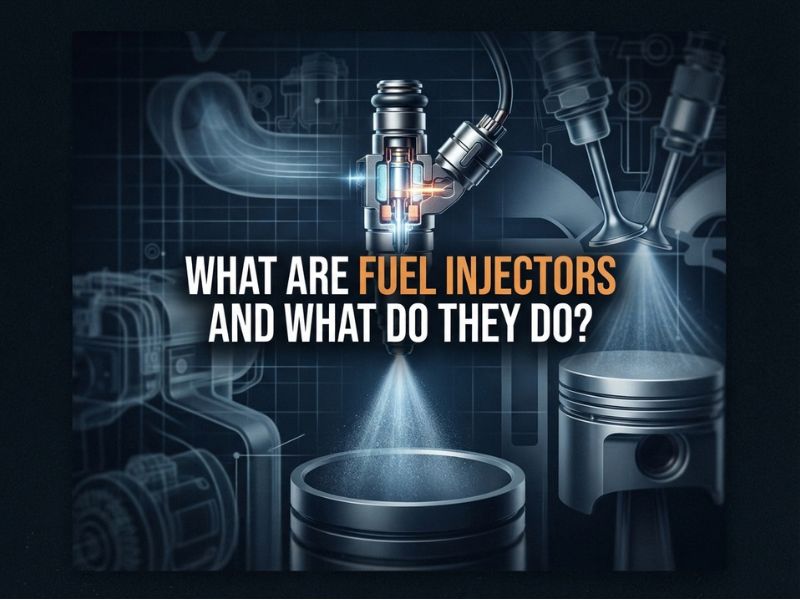
A fuel injector has a simple but vital job. It sprays the right amount of fuel into the engine at the right time. When an injector becomes clogged, leaks, sticks, or stops working, the engine may not get the fuel it needs.
Many drivers ask, “can you drive a car with a bad fuel injector?” because the car may still start and move. That does not mean the problem is harmless. A faulty injector can cause a rough-running engine, poor fuel use, hard starts, and engine misfires.
The key issue is how bad the injector problem is. A small problem may allow a short drive to a repair shop. A severe fault can cause engine damage, leave you stranded, or create a safety risk if the engine loses power while you are driving.
What Does a Fuel Injector Do?
A fuel injector sends fuel into the engine in a fine spray. The engine computer controls when the injector opens and how much fuel it delivers. This helps the engine burn fuel in a controlled way.
Modern gas engines use precise fuel control. Even a small injector problem can change the air-fuel mix. If one injector delivers too much or too little fuel, that cylinder may not burn the mixture well.
That is why a bad fuel injector can cause more than a simple fuel economy problem. It can affect idle quality, acceleration, emissions, engine temperature, and overall engine operation.
- ✦ Fuel delivery
The injector delivers fuel to the engine in a controlled spray.
- ✦ Engine balance
Each cylinder needs the right amount of fuel for smooth engine operation.
- ✦ Computer control
The engine control module adjusts injector operation based on engine speed, load, and other sensor data.
What Happens When an Injector Fails?
The result depends on how the injector fails. A clogged injector may deliver too little fuel. A leaking injector may deliver too much fuel. An electrical fault may stop the injector from opening at all.
The affected cylinder may then misfire or produce less power. In some cases, the engine computer detects the problem and stores a diagnostic trouble code.
- ✦ Clogged injector
A clogged injector may restrict fuel flow and cause weak acceleration or a rough idle.
- ✦ Leaking injector
A leaking injector can add too much fuel and may cause a fuel smell, poor running, or hard starting.
- ✦ Dead injector
An injector that does not open can leave one cylinder with little or no fuel.
Can You Drive a Car With a Bad Fuel Injector?
So, can you drive a car with a bad fuel injector? In some cases, yes, but only for a very short distance and only when the engine is running fairly well. Driving for days or weeks with the problem is not a good idea.
A vehicle with a mildly restricted injector may still run well enough to reach a repair shop. However, a severely faulty injector can cause a strong misfire, poor power, stalling, or excess fuel in the engine.
The safest choice depends on the symptoms. If the car shakes badly, loses power, smells strongly of fuel, produces unusual smoke, or has a flashing check engine light, do not keep driving it.
For a U.S. driver, this matters even more during highway driving or busy city traffic. A sudden loss of engine power can make it harder to merge, pass, or move away from danger.

- ✦ Short trip to a shop
A short and gentle drive may be possible when the engine runs smoothly enough and there are no serious warning signs.
- ✦ Daily driving
Using the car every day with a known bad injector can turn a small repair into a larger engine or emissions problem.
- ✦ Severe symptoms
Strong misfires, stalling, fuel leaks, smoke, or a flashing check engine light are reasons to stop driving.
How Far Can You Drive With a Bad Fuel Injector?
There is no safe mileage number for a bad fuel injector. One car may travel a short distance with a mild restriction, while another may suffer damage after only a short period of severe misfiring.
If you only need to reach a nearby repair shop, keep the trip short and avoid hard acceleration. If the engine runs very poorly or the check engine light flashes, a tow truck is the safer choice.
- ✦ Keep the trip short
Drive only as far as needed to reach a safe place or repair facility.
- ✦ Avoid heavy loads
Do not tow, race, or use hard acceleration when the engine is already misfiring.
- ✦ Watch the warning signs
Stop if the engine gets worse, loses power, stalls, or develops a strong fuel smell.
Symptoms of a Bad Fuel Injector
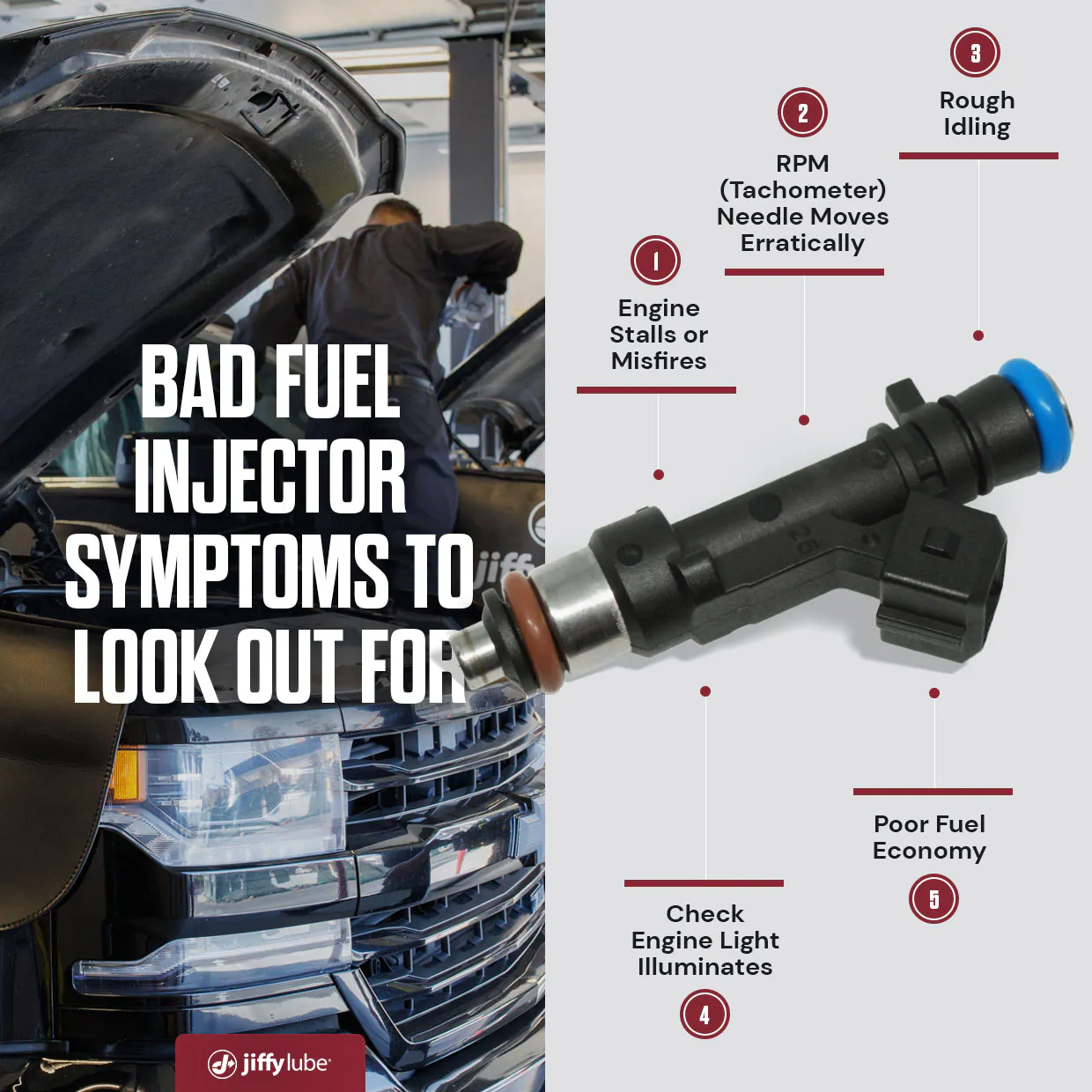
A bad fuel injector can cause several symptoms. Some signs are easy to notice, while others need a scan tool or further testing. The symptoms can also look like problems with spark plugs, ignition coils, fuel pressure, or sensors.
Do not assume that every rough-running engine has a bad injector. A proper diagnosis should confirm the cause before you replace parts. This can save money and prevent an unnecessary injector replacement.

- ✦ Rough idle
The engine may shake, stumble, or feel uneven when the vehicle is stopped.
- ✦ Engine misfire
A weak or missing fuel supply can cause one or more cylinders to misfire.
- ✦ Poor acceleration
The engine may feel weak when you press the gas pedal, especially under load.
- ✦ Hard starting
A faulty injector can make the engine harder to start, especially when it leaks or fails to deliver enough fuel.
- ✦ Poor fuel economy
An injector that delivers too much fuel can make the engine use more gas than normal.
- ✦ Fuel smell
A strong gasoline smell may point to a leaking injector or another fuel system leak.
- ✦ Check engine light
The engine computer may detect a misfire or fuel mixture problem and turn on the warning light.
- ✦ Engine stalling
A severe injector problem can make the engine lose power or stall.
Flashing vs. Solid Check Engine Light
A solid check engine light means the vehicle has detected a fault that needs attention. It does not always mean you must stop at once, but you should diagnose the problem soon.
A flashing check engine light is more urgent. It can indicate an active misfire that may damage the catalytic converter. Reduce driving and seek professional help rather than continuing a long trip.
- ✦ Solid light
Have the vehicle checked soon, especially if other symptoms are present.
- ✦ Flashing light
Stop driving when it is safe and arrange diagnosis or towing if the engine is misfiring.
What Can Happen If You Keep Driving With a Bad Fuel Injector?
Knowing can you drive a car with a bad fuel injector is only part of the question. You also need to know what may happen if you keep using the vehicle. The risk depends on whether the injector is running lean, running rich, leaking, or not working at all.
A small injector issue may stay mild for some time. A serious fault can cause repeated misfires and place extra stress on other engine and exhaust parts. This is why early diagnosis is usually less costly than ignoring the problem.
The catalytic converter is one part that can suffer from repeated misfires. Unburned fuel can enter the exhaust and raise the converter’s temperature. Severe heat can damage the converter, which can be an expensive repair.

- ✦ Catalytic converter damage
Repeated misfires can send unburned fuel into the exhaust and create excessive heat.
- ✦ Engine oil contamination
A leaking injector can sometimes allow excess fuel to enter the cylinder and reduce the oil’s ability to protect engine parts.
- ✦ Poor engine performance
A continued fuel delivery problem can cause rough running, weak acceleration, and poor fuel economy.
- ✦ Breakdown risk
A vehicle that keeps running with a failing injector may eventually stall or fail to start.
Can a Bad Fuel Injector Damage the Engine?
Yes, a bad fuel injector can contribute to engine damage in some cases. The risk is higher when the injector causes a severe fuel imbalance, repeated misfires, or a fuel-rich condition.
The exact risk depends on the vehicle and the type of injector failure. A technician should diagnose the cause instead of assuming that the injector alone is responsible for every engine problem.
- ✦ Lean condition
Too little fuel in a cylinder can increase combustion heat and may cause harmful engine conditions.
- ✦ Rich condition
Too much fuel can cause poor combustion, higher emissions, and possible exhaust system damage.
- ✦ Fuel dilution
Excess fuel that reaches the crankcase can reduce engine oil quality and increase wear.
When Should You Stop Driving Immediately?
The answer to can you drive a car with a bad fuel injector changes when serious symptoms appear. Some warning signs mean the risk is too high for normal driving.
If you smell raw gasoline, see fuel leaking, or notice smoke from the engine area, stop in a safe location and shut the engine off. Fuel leaks can create a fire risk and need prompt attention.
A flashing check engine light with strong shaking or loss of power also calls for caution. Do not keep driving just because the vehicle still moves.

- ✦ Strong fuel smell
A strong gasoline smell can indicate a fuel leak or injector problem that needs immediate attention.
- ✦ Visible fuel leak
Do not drive a vehicle with a suspected fuel leak. Move to a safe place and arrange professional help.
- ✦ Flashing check engine light
A flashing light may indicate an active misfire that can damage the catalytic converter.
- ✦ Severe shaking
Heavy engine shaking suggests a serious running problem and can make continued driving risky.
- ✦ Major power loss
A vehicle that cannot maintain normal power may become unsafe in traffic.
- ✦ Repeated stalling
An engine that keeps stalling can leave you without power in an unsafe location.
How to Diagnose a Bad Fuel Injector
A fuel injector should not be replaced based on symptoms alone. Several other problems can create similar signs. Spark plugs, ignition coils, vacuum leaks, fuel pressure problems, and sensors can all cause rough running or misfires.
A good diagnosis starts with the vehicle’s trouble codes and basic engine checks. A technician may then test fuel pressure, injector operation, wiring, and the affected cylinder.
The goal is to prove that the injector is causing the problem. This matters because replacing several injectors without finding the real fault can waste money.
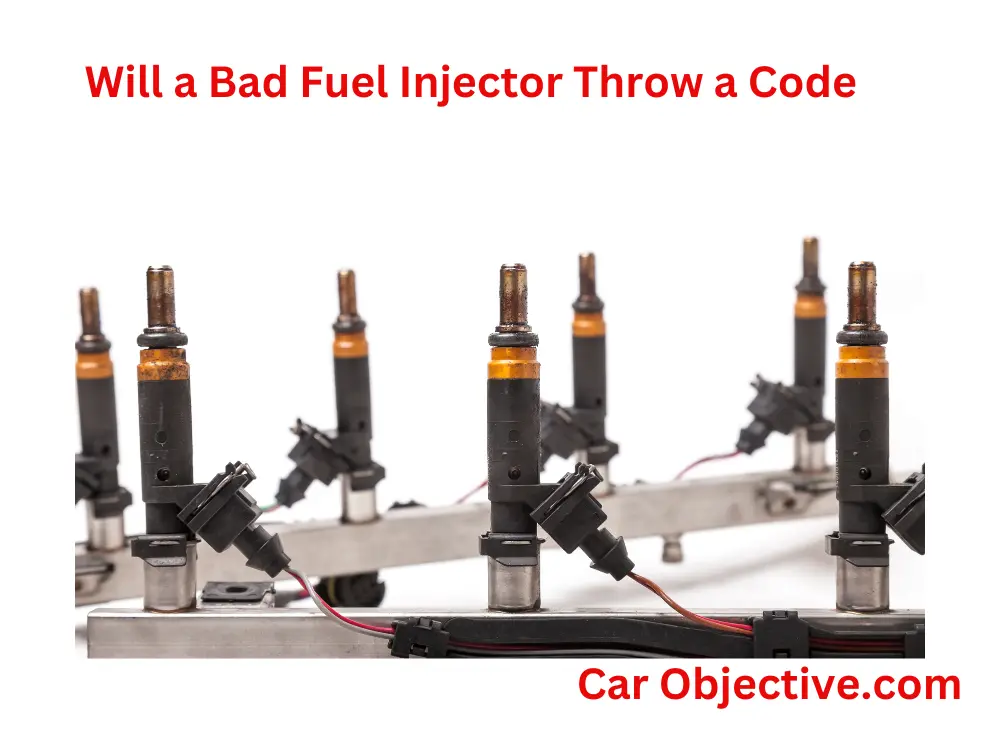
- ✦ Scan for trouble codes
An OBD-II scan can show misfire and fuel-related codes stored by the engine computer.
- ✦ Check injector wiring
Damaged wires, loose connections, or poor electrical signals can stop a good injector from working.
- ✦ Test fuel pressure
Low or unstable fuel pressure can affect several injectors and may point to a different fuel system fault.
- ✦ Compare cylinder operation
A technician can compare injector performance and cylinder behavior to find the weak cylinder.
- ✦ Inspect the injector
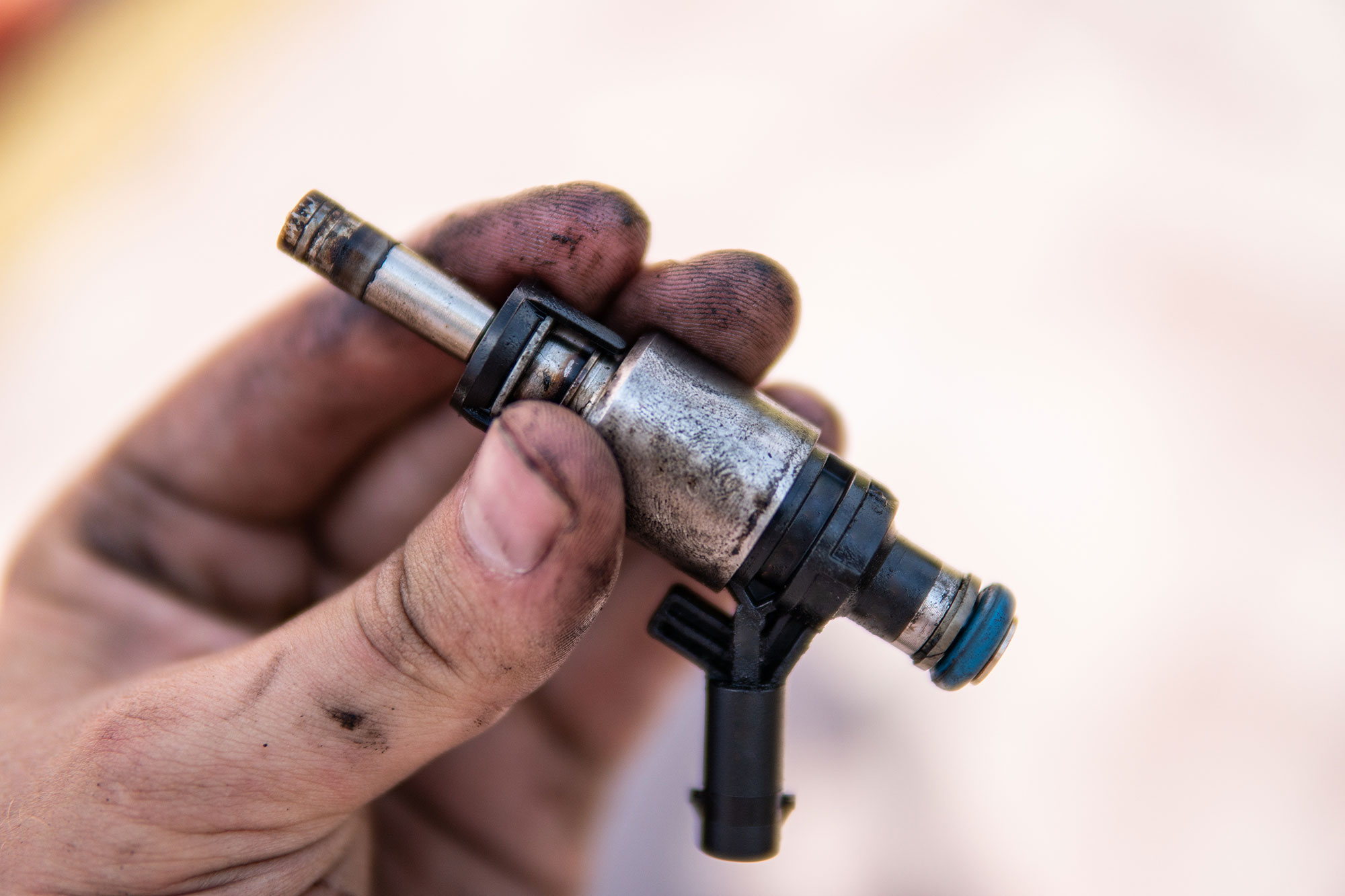
The injector may need testing for flow, leakage, electrical operation, or spray pattern.
Can a Scan Tool Confirm a Bad Fuel Injector?
A scan tool can provide useful clues, but it does not always prove that the injector itself has failed. For example, a cylinder misfire code tells you which cylinder has a problem, not necessarily which part caused it.
Further testing may be needed. A technician can compare injector operation with ignition and fuel system data before deciding whether the injector needs cleaning, repair, or replacement.
- ✦ Misfire code
A cylinder-specific misfire code can help identify where the problem is happening.
- ✦ Fuel trim data
Fuel trim readings can provide clues about whether the engine is adding or removing fuel to correct the mixture.
- ✦ Live data
Engine data can help a technician compare sensor readings and operating conditions.
Can You Fix or Clean a Bad Fuel Injector?
Not every injector problem requires replacement. A dirty or restricted injector may respond to professional cleaning, depending on its condition and the vehicle manufacturer’s service guidance.
Cleaning is not a cure for every injector failure. An injector with an electrical fault, damaged internal parts, or a serious leak may need replacement.
Avoid treating fuel injector cleaner as a guaranteed repair. A cleaner may help with some deposits, but it cannot repair a broken injector coil, damaged wiring, or a mechanically failed injector.

- ✦ Injector cleaning
Cleaning may help when deposits restrict fuel flow and the injector is otherwise in good condition.
- ✦ Injector replacement
Replacement is often needed when the injector has an internal, electrical, or mechanical failure.
- ✦ Wiring repair
If testing finds a wiring or connector problem, repairing that fault may restore injector operation without replacing the injector.
- ✦ Fuel system repair
Low fuel pressure or contaminated fuel may require repairs beyond the injector itself.
Is It Safe to Use Fuel Injector Cleaner?
A fuel injector cleaner made for gasoline engines can be useful for certain deposit-related problems. Always choose a product that matches the vehicle and follow the label directions.
However, cleaner should not replace proper diagnosis when the engine is misfiring, the injector is leaking, or the check engine light is flashing. A mechanical or electrical failure needs a different repair.
- ✦ Use the correct product
Choose a cleaner designed for the fuel type and follow the product instructions.
- ✦ Do not rely on it for failures
Cleaner cannot repair a broken injector, failed electrical circuit, or fuel leak.
How Much Does Fuel Injector Repair Cost?
Fuel injector repair costs vary widely by vehicle. The final price depends on the injector design, labor time, access to the injectors, parts cost, and whether other fuel system parts also need attention.
Cleaning can cost less than replacement when cleaning is suitable. Replacement can cost more, especially on engines where the injectors are difficult to reach or where several injectors need service.
Before approving repairs, ask the shop what failed, how they confirmed the diagnosis, and whether the quoted work includes parts and labor. This makes it easier to compare estimates.
- ✦ Cleaning cost
Cleaning may be a lower-cost option when deposits are the main issue and the injector is still mechanically sound.
- ✦ Replacement cost
A new injector adds the cost of the part plus labor and any related seals or service parts.
- ✦ Diagnostic cost
A shop may charge a diagnostic fee before testing the injector and related systems.
- ✦ Related repairs
Wiring, fuel pressure, contaminated fuel, or engine problems can add to the total repair bill.
Should You Replace One Injector or All of Them?
There is no universal rule that says every injector must be replaced at the same time. If testing shows that one injector has failed and the others work within the proper range, replacing only the failed unit may be reasonable.
Some engines have injector sets that wear in a similar way, so a technician may recommend additional testing before deciding. Follow the vehicle manufacturer’s service guidance and the test results rather than replacing parts by guesswork.
- ✦ Replace one
One injector may be enough when testing clearly identifies one failed unit.
- ✦ Replace a set
A set may make sense when several injectors show similar wear or when service guidance supports replacing them together.
How to Reduce the Risk of Fuel Injector Problems
Good fuel system care can reduce the chance of injector problems, although it cannot prevent every failure. Use the fuel grade recommended for your vehicle and keep up with normal maintenance.
Fuel quality also matters. Buy fuel from reputable stations and avoid driving with a nearly empty tank all the time. If the vehicle develops repeated fuel system symptoms, diagnose the issue instead of relying on additives alone.
A useful maintenance habit is to respond to early symptoms. Fixing a small fuel delivery problem before it causes repeated misfires can help protect other engine and exhaust parts.
- ✦ Follow the owner’s manual
Use the recommended fuel and follow the manufacturer’s maintenance schedule.
- ✦ Use quality fuel
Choose reputable fuel stations and avoid questionable fuel sources.
- ✦ Address warning lights
Do not ignore a check engine light when the vehicle also has rough running or poor performance.
- ✦ Fix problems early
Early diagnosis can reduce the chance of secondary damage from long-term misfires or fuel problems.