Why Jump Starter Won’t Jump Dead Battery Explained Step-by-Step
It can be super frustrating when your car won’t start, and you grab your jump starter, only to find it doesn’t work. The situation of why jump starter won’t jump dead battery is quite common, especially for folks who are new to car maintenance. Don’t worry; it’s usually something straightforward. We’ll break down the common reasons step-by-step, making it easy to see what’s happening and how to fix it. We’ll explore the basics, troubleshoot common issues, and get you back on the road. Let’s get started.
Reasons Why Your Jump Starter Might Fail
When your jump starter isn’t doing its job, the first thing to figure out is why. It could be something simple, like a dead jump starter, or maybe there’s an issue with your car’s battery or connections. The problem might also stem from the jump starter’s limitations. Each of these can prevent you from getting your car started, and each has its own solution. We’ll look at the common culprits to find the specific cause of your problem.
Low Charge or Inactive Jump Starter
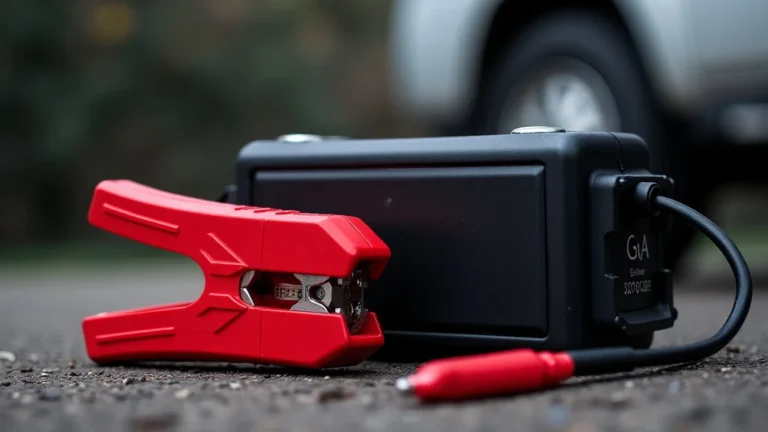
One of the easiest things to check is the jump starter itself. If it’s not charged, it’s not going to work. Many jump starters also have a power button that needs to be switched on before they can provide power. A jump starter that has been sitting for a while might have lost its charge naturally. Many models also have safety features that prevent them from operating if they detect certain issues, like incorrect connections. Checking these simple items can often solve your problem.
- Check the Battery Level: Most jump starters have indicator lights. If they’re all dark or blinking, it’s a sign that the unit needs to be charged. A fully charged jump starter is a must.
- Power Button and Activation: Some jump starters have a power button you need to press to turn them on. Make sure this is activated before connecting it to your car. Review your jump starter’s manual to find out if it has such a button and where it is located.
- Storage and Maintenance: Jump starters that are left unused for long periods can lose their charge, or the internal batteries can degrade. Proper storage and periodic charging can help keep your jump starter ready when you need it.
Always verify the jump starter’s charge level before you start. Many models show the percentage on a screen or via LED lights. If you do not have enough charge, you will have to charge the jump starter.
Carefully check your jump starter’s manual. A power button can sometimes be in a less obvious place. If your model has such a button, make sure it is switched on before moving to the next steps.
Like any battery-powered device, a jump starter needs regular maintenance. Keeping it in a stable temperature range and charging it every few months can maintain its performance and extend its life. Following the manufacturer’s advice helps a lot.
Incorrect Connections or Bad Cables
Another reason for a non-working jump starter can be improper connections. The cables and the way you attach them to the battery are very important. Even if the jump starter has plenty of power, a bad connection can stop the flow of electricity, and your car will not start. The cables themselves can be bad, too. They might be damaged or have loose connections inside the clamps. Take your time when connecting the jump starter.
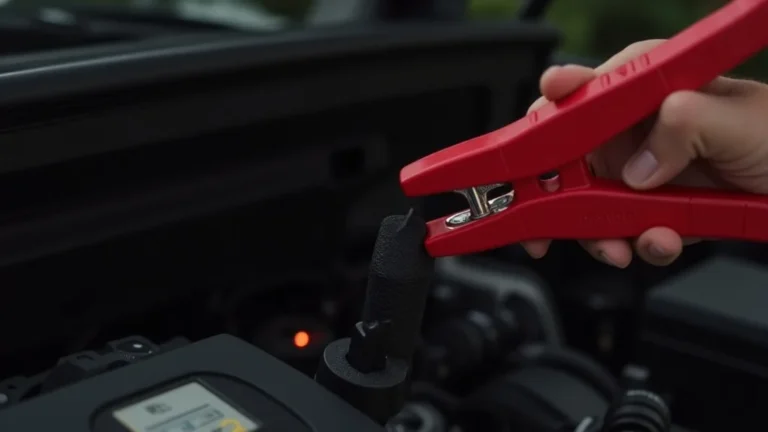
- Clamp Placement: The red clamp always goes on the positive (+) terminal of your car’s battery, and the black clamp goes on the negative (-) terminal. Make sure you match the colors. Reverse polarity can damage your starter and the car.
- Clamp Condition: Make sure the clamps are clean and free of corrosion. Clean clamps make a better connection. Check the clamps themselves for any damage.
- Cable Integrity: Examine the cables for cuts, frays, or damage. Even a small cut can be a problem. The cables are a critical part of the jump starter system.
Double-check the terminals before you connect the clamps. The positive terminal is usually marked with a “+” sign, and it’s often red. The negative terminal is marked with a “-” sign and is often black.
A clamp needs to make solid contact with the battery terminals. If they are corroded or dirty, clean them using a wire brush or a solution of baking soda and water. Look for any loose parts on the clamps, too.
If the cables are damaged, the jump starter might not deliver the required current. Replace any damaged cables to maintain optimal performance.
Battery Issues
Sometimes the problem is not with the jump starter itself but with the car’s battery. A battery that’s too far gone might not respond to a jump start. It may also have internal damage that is preventing it from accepting a charge. Extreme temperatures can also have a negative impact on battery performance. The type of battery you have matters, too. Some batteries are more resistant to deep discharges than others.
- Battery Age and Condition: Old batteries often lose their ability to hold a charge. If your battery is more than three to five years old, it might be time to replace it. A battery test can confirm this.
- Internal Damage: A battery can have internal shorts or other issues that prevent it from taking a charge. A battery with a short circuit is essentially dead and won’t be jump-started.
- Battery Type and Compatibility: Not all batteries are the same. Check to be sure the jump starter you have is suitable for your car’s battery type. Some larger vehicles need more powerful jump starters.
Batteries have a limited lifespan, and their performance decreases over time. Regular battery checks can alert you to potential problems. When a battery reaches its end-of-life, it won’t be able to start your car.
Internal damage can be caused by various factors, including extreme heat or cold and overcharging. Sometimes the battery cells will start to fail, which means it is time to buy a new battery.
Make sure the jump starter provides enough power (measured in cold-cranking amps or CCA) for your vehicle. Using a jump starter that’s too weak can damage it or may not start the vehicle.
More Considerations on Why Jump Starter Won’t Jump Dead Battery
Besides the main reasons, there are a few other things that can keep your jump starter from working. This could include the jump starter’s capabilities. Or, there could be an issue with your car’s electrical system, like a blown fuse. Additionally, extreme cold can decrease your jump starter’s performance. Knowing these points will help you cover all your bases.
Jump Starter Limitations
Even a good jump starter has its limits. The size of your car’s engine can matter, and some jump starters are not meant for larger vehicles. Some have safety features that might restrict their use in certain conditions. It’s helpful to be aware of what your jump starter can and can’t do.
- CCA Rating: Jump starters are rated by cold-cranking amps (CCA). Your jump starter needs a CCA rating equal to or higher than the CCA your car battery needs.
- Engine Size and Vehicle Type: A jump starter designed for a small car might not have enough power for a truck or SUV. Larger engines need more starting power. The capacity of a jump starter varies by its size.
- Safety Features and Overload Protection: Many jump starters have built-in safety features like reverse polarity protection and short-circuit protection. These can stop the jump starter from working if they detect a problem.
CCA is the amount of current the jump starter can deliver at 0°F (-18°C). A higher CCA rating is always best. Check your car owner’s manual for the correct CCA.
Always consider the size of your engine. When buying a jump starter, make sure it is suitable for your vehicle. This will ensure you can start the car and also protect the jump starter from being overloaded.
These are good things, but they can sometimes prevent a jump start if there’s a problem with the car’s electrical system. Know your jump starter’s limitations and its safety features.
Car’s Electrical System Issues
Your car’s electrical system may be faulty, and the jump starter will not solve the problem. A blown fuse, for example, can stop the car from starting. Problems with the starter motor or other components can also prevent your car from starting, even if the battery has some power. Checking these can help you avoid a lot of frustration.
- Blown Fuses: A blown fuse can stop the flow of electricity to the starter motor. Check your car’s fuse box for any blown fuses.
- Starter Motor Problems: The starter motor is the component that cranks the engine. If it fails, even a jump start won’t help. A clicking sound when you try to start the car can be a sign.
- Wiring Problems: Corrosion or damage to the wiring can prevent the jump starter from working. Examine the connections and wiring related to the battery and the starter motor.
Fuses protect your car’s electrical circuits. If a fuse is blown, it is not conducting electricity, and the jump starter will not work. Locate the correct fuse diagram and examine the fuses.
The starter motor needs to be in good working order to start the car. A clicking sound means the motor is likely not receiving the power it needs, or that it is not working at all.
Bad wiring can cause voltage drops and prevent the starter motor from getting the power it needs. Make sure the connections are secure and free of corrosion.
Weather’s Effect
Cold weather can greatly impact how well your jump starter works. Cold temperatures slow down the chemical reactions in batteries, making them less efficient. A jump starter’s performance is also affected by the cold, as its battery might struggle to deliver the needed power. Take this into consideration when you need to start your car in freezing weather.
- Battery Performance in Cold: Cold temperatures reduce a car battery’s cranking power. This means it may have a hard time starting the car. The lower the temperature, the less power is available.
- Jump Starter Capacity: Cold weather reduces a jump starter’s output as well. If the jump starter is stored in a cold car, it will have less power available to start the car.
- Tips for Cold Weather Starts: You can take a few steps to help. If possible, park your car in a garage. Use a battery blanket to keep the battery warm. A jump start may be needed.
The colder it is, the more difficult it is for a battery to work. The engine oil also thickens in cold weather, so the engine needs more power to turn over. This means that a jump start might be needed even when the battery is not totally dead.
If you have to jump-start your car in cold conditions, try to keep the jump starter warm or out of the cold. Even a few degrees can help.
If you cannot avoid cold weather, keep the jump starter inside and charge it before use. Allow the jump starter to warm up a little before using it to give it its best chance of starting the vehicle.
Step-by-Step Guide to Using a Jump Starter
If you follow these steps, you can safely jump-start your car. Be patient, and make sure you do all of the steps correctly. Following these steps can help avoid issues and prevent damage. Remember to be safe and use caution when working with car batteries.
- Prepare the Jump Starter: Charge the jump starter fully before you start. Check the power indicator, and if it’s not fully charged, connect it to a power source. You want maximum power to start the car.
- Connect the Jump Starter Cables: Locate your car’s battery and find the positive (+) and negative (-) terminals. Attach the red clamp to the positive terminal and the black clamp to a good ground location on the engine block or chassis (away from the battery).
- Turn on the Jump Starter: Once the clamps are connected, activate the jump starter according to the manufacturer’s instructions. Some jump starters require you to press a power button. Others are activated automatically.
- Start the Car: Try to start your car. If it doesn’t start right away, wait a few minutes and try again. Do not crank the engine for more than a few seconds at a time to prevent damage to the starter.
- Remove the Jump Starter: After the car has started, carefully disconnect the jump starter clamps in the reverse order you connected them. Start with the black clamp and then the red clamp.
Before you begin, make sure your jump starter is ready to go. The process is much easier if the jump starter is fully charged. Read the instructions that came with your jump starter for charging tips.
Make sure the clamps are making good contact. A poor connection will stop the jump starter from working. The negative clamp must be secured, but it is best to avoid connecting directly to the battery’s negative terminal to reduce sparking.
Consult your jump starter’s manual for detailed operating instructions. The button location and required steps differ across various models.
If the car starts, let it run for about 10–15 minutes to let the alternator charge the battery. If it doesn’t start, there may be another problem. Try a different ground location, and make sure the clamps are securely connected.
Remove the clamps in the reverse order to ensure safety. Make sure the clamps do not touch each other as you disconnect them. After you are done, store the jump starter safely.
Jump Starter Safety Tips
Jumping a car can be very dangerous if you don’t take the right precautions. Car batteries contain acid, and they can produce explosive gases. Following some safety rules will help prevent injuries and damage.
- Eye Protection: Always wear safety glasses or goggles. Battery acid can cause serious eye damage if it splashes.
- Ventilation: Work in a well-ventilated area. Batteries release hydrogen gas, which can explode.
- Avoid Sparks and Flames: Do not smoke or have any open flames near the battery. Sparks can ignite the hydrogen gas, causing an explosion.
- Proper Connections: Make sure the clamps are securely connected to the correct terminals. Incorrect connections can cause sparks and damage the vehicle’s electrical system.
Always protect your eyes, and be aware of your surroundings. A battery can leak or explode if handled incorrectly. Safety glasses will keep your eyes safe from acid.
Ensure there is good airflow around the battery when you are working on it. This minimizes the risk of gas buildup and potential explosion. Be careful.
Keep open flames and sources of sparks away from the battery. This includes cigarettes, lighters, and anything that can create a spark. Always be very careful.
Carefully review the process, and make sure you do it right. If you are not sure, consult the vehicle owner’s manual or get help from a mechanic.
Alternative Troubleshooting Steps
Sometimes the steps above aren’t enough to fix the problem. You might have to go a little further in your troubleshooting. Checking the battery voltage with a multimeter, for instance, can help you find out if the battery is completely dead or has some charge. Reviewing your car’s electrical system and checking the fuses may reveal hidden problems. You may need to replace fuses or wires, which may solve the problem. Checking the grounds is another potential step. These are helpful for finding the reason why your jump starter might not work.
- Battery Voltage Check: Use a multimeter to check the battery’s voltage. If it’s very low (below 10 volts), the battery might be too discharged to start.
- Fuse Inspection: Check all fuses in your car, especially the ones related to the starter and ignition. A blown fuse can prevent the car from starting.
- Ground Connection Check: Make sure the ground connections are clean and secure. Poor ground connections can prevent the car from starting.
A multimeter will tell you if the battery has enough power to start the car. If the voltage is too low, the battery may have internal issues, which will prevent it from working. If the voltage is too low, then it is a good idea to seek help from a professional mechanic.
Fuses are in charge of protecting the car’s electrical components. They can blow when there is an overload or short circuit. Inspecting the fuses is an important diagnostic step to identify and resolve electrical issues.
Ground connections are often overlooked, but they are very important. Poor ground connections can cause problems with the car’s electrical system. Make sure these are tight, and free of corrosion.
Frequently Asked Questions
Question: Why won’t my car start with a jump starter?
Answer: There are many reasons, including a dead jump starter, incorrect connections, or a battery that is beyond saving. Other reasons include electrical system problems.
Question: Can I damage my car with a jump starter?
Answer: Yes, you can. Improper use, such as connecting the clamps incorrectly, can cause damage to your car’s electrical system. Using a jump starter that doesn’t meet the power needs of your vehicle can also cause problems.
Question: How long should I let my car run after a jump start?
Answer: Allow the car to run for at least 15–30 minutes to give the alternator time to recharge the battery.
Question: Can I jump start a car with a completely dead battery?
Answer: Sometimes, but the battery might be damaged beyond repair. If the battery is too far gone, a jump start might not work.
Question: What’s the best way to maintain my jump starter?
Answer: Charge your jump starter regularly, store it in a cool, dry place, and follow the manufacturer’s maintenance instructions.
Final Thoughts
If your jump starter fails to revive your car, you’re not alone, and it’s almost always a fixable situation. It could be as simple as a dead jump starter or loose connections, to more complex issues like a failing battery or problems with your car’s electrical system. Understanding why jump starter won’t jump dead battery is the first step toward finding a fix. By checking the battery’s charge, making sure you have secure connections, and assessing your car’s battery and electrical system, you can often pinpoint the problem. If you encounter difficulties, always consult your car’s manual or a qualified mechanic. With a little troubleshooting, you’ll be back on the road in no time.