Why Car Wont Start Even After Jump Top Reasons Revealed

Featured image for why car won’t start even after jump
Image source: news.blr.com
Even after a jump, a car failing to start often points to a deeper issue than just a temporarily drained battery. The most common culprits include a permanently dead battery incapable of holding a charge, a faulty starter motor that can’t engage, or an alternator failure preventing the battery from recharging. Addressing these underlying mechanical or electrical problems is crucial for a lasting fix.
We’ve all been there. You walk out to your car, turn the key, and… nothing. Maybe a sad clicking sound, maybe just silence. Your heart sinks. Panic sets in. But then, a ray of hope! A friendly face or a kind stranger offers a jump start. You connect the cables, wait a moment, and try again. Relief floods through you as the engine rumbles to life!
You disconnect the cables, thank your helper, and drive off, feeling like you’ve dodged a bullet. But then, a few miles down the road, or maybe the next morning, the problem reappears. Your car won’t start even after jump. That initial relief turns into profound confusion and frustration. “But it just started!” you think. Why would your car still refuse to cooperate, even after getting that initial boost?
It’s a common and incredibly frustrating scenario, and you’re definitely not alone. The truth is, a jump start is like giving your car a quick shot of espresso. It might wake it up, but it doesn’t fix the underlying reason why it was tired in the first place. When your car won’t start even after jump, it’s telling you there’s a deeper issue at play than just a temporarily drained battery. Let’s peel back the layers and reveal the top reasons why this happens, so you can diagnose the problem like a pro.
Key Takeaways
- Alternator Failure: If the car dies quickly after a jump, the alternator likely isn’t charging.
- Bad Battery: A truly dead or damaged battery won’t hold a jump-start charge.
- Corroded Connections: Loose or dirty battery terminals prevent proper power flow.
- Starter Motor Issues: If it clicks but doesn’t crank, the starter motor may be faulty.
- Blown Fuses: Check starter or ignition fuses; a blown fuse stops the engine.
- Fuel Delivery Problems: Ensure adequate fuel and a working fuel pump for ignition.
📑 Table of Contents
It Might Still Be Your Battery (Or How You Jumped It)
You might think, “I just jumped it, so it can’t be the battery, right?” Not always! Sometimes, the battery itself is the root of why your car won’t start even after jump.
Severely Dead Battery
If your car battery is very old or has been deeply discharged multiple times, it might be too far gone to hold a charge. Think of it like a sponge that’s completely dried out and stiff; it just can’t absorb water anymore. Even a jump start might provide enough power to turn the engine over, but the battery can’t retain that power. This means as soon as the jump cables are removed, the car loses its immediate power source, and you’re back to square one.
Corroded Battery Terminals
Ever notice white or blue powdery stuff on your battery terminals? That’s corrosion, and it’s a terrible conductor of electricity. If your terminals are heavily corroded, they can prevent a good electrical connection. Even with jump cables, the power might not effectively reach the battery or the starter. It’s like trying to drink through a straw that’s full of gunk – not much gets through!
Incorrect Jump Start Procedure
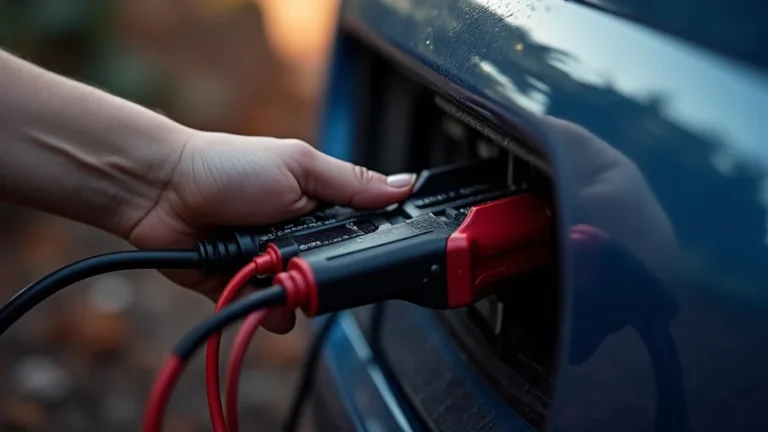
It’s easy to make mistakes during a jump start. Sometimes, the cables aren’t connected securely, or the clamps are old and faulty. If there isn’t a strong, clean connection, your car won’t get the full surge of power it needs. It might start, but without a sustained charge, the underlying issue (like a dead battery that couldn’t properly charge) will resurface.
Practical Tip: Always clean your battery terminals regularly with a wire brush and a baking soda solution. Make sure jump cables are clamped firmly and correctly. If your car won’t start even after jump, try again, ensuring all connections are solid.
The Alternator: Your Car’s Power Generator
If your battery seems fine after a jump, but your car won’t start even after jump or dies shortly after, the spotlight often turns to the alternator. This component is incredibly vital.
What the Alternator Does
The alternator is basically your car’s power plant. While the engine is running, it generates electricity to power all your car’s electrical systems (headlights, radio, wipers) and, most importantly, recharges your battery. Without a working alternator, your car is solely running on battery power, which only lasts so long.
Signs of a Failing Alternator
- Warning Light: Many cars have a battery-shaped warning light that illuminates on the dashboard. This often indicates an alternator problem, not necessarily the battery itself.
- Dim or Flickering Lights: Headlights, interior lights, or the dashboard lights might appear dim, flicker, or get brighter as you rev the engine.
- Strange Noises: A grinding or whining sound coming from under the hood can be a sign of worn bearings in the alternator.
- Car Dies Shortly After Jump: This is a classic symptom. Your car starts with a jump, but then it stalls or dies a few minutes or miles down the road because the battery isn’t being recharged.
Practical Tip: Most auto parts stores can test your alternator for free. If your car won’t start even after jump, and then dies soon after, head straight to get the alternator checked. It’s a key culprit when a car starts then quickly fails again.
Starter Motor Woes: The Engine’s First Push
If your battery and alternator seem okay, but your car still won’t start after a jump, the starter motor could be to blame. This component is what gets the whole engine process going.
What the Starter Does
When you turn your key or push the start button, the starter motor engages with the engine’s flywheel and literally “cranks” or turns the engine over. This initial rotation allows the engine to begin its combustion cycle and run on its own. Without the starter, the engine simply can’t begin to move.
Symptoms of a Bad Starter
- A Single Click, Then Nothing: You turn the key, hear one click, but the engine doesn’t turn over at all. This often means the starter solenoid is engaging, but the motor itself isn’t spinning.
- No Sound at All: You turn the key, and absolutely nothing happens – no clicks, no whirring, just silence.
- Grinding Noise: If the starter motor is engaging improperly with the flywheel, you might hear a harsh grinding sound.
- Engine Not Turning Over: The most obvious sign. You can hear the electrical system come on, but the engine doesn’t rotate.
Practical Tip: Sometimes, a starter can get stuck. A common trick (for manual transmission cars or in a safe, controlled environment) is to gently tap the starter motor with a hammer or a wrench while someone tries to start the car. This can sometimes un-stick it temporarily. However, if this works, it’s a clear sign you need a new starter soon.
Fuel System Problems: No Gas, No Go
Even with a good battery, alternator, and starter, your engine still needs fuel to ignite. If your car won’t start even after jump, it might be starving for gas.
Empty Fuel Tank
This sounds obvious, but sometimes our fuel gauges can be faulty, or we simply misjudge how much gas is left. Even if your car lights up, it won’t start without fuel. It’s easy to overlook this when focusing on electrical issues.
Fuel Pump Failure
The fuel pump is responsible for delivering gasoline from the tank to the engine. If it fails, no fuel reaches the combustion chambers. You’ll hear the engine crank (turn over), but it just won’t “catch” or start. You might also not hear the faint hum of the fuel pump priming when you turn the key to the “on” position (before starting).
Clogged Fuel Filter
Over time, debris can accumulate in your fuel filter, restricting the flow of gasoline. A severely clogged filter can act just like a failing fuel pump, preventing enough fuel from reaching the engine for it to start.
Practical Tip: Always check your fuel gauge first! When you turn your key to the “on” position (without cranking), listen carefully for a low hum coming from the back of the car for a few seconds. That’s your fuel pump priming. If you don’t hear it, the pump might be the issue.
Ignition System Issues: Sparking Trouble
For an engine to run, it needs three things: fuel, air, and a spark. If your car won’t start even after jump, and you’ve ruled out the previous issues, it might be a problem with getting that crucial spark.
Spark Plugs and Wires
Spark plugs create the spark that ignites the air-fuel mixture in the engine’s cylinders. If they are old, fouled, or damaged, they might not produce a strong enough spark (or any spark at all). Faulty spark plug wires can also prevent the electrical current from reaching the plugs.
Ignition Coil Problems
The ignition coils take the low voltage from your car’s battery and convert it into the high voltage needed to create a spark at the plugs. If one or more ignition coils fail, the corresponding cylinders won’t fire, leading to a no-start condition, or a very rough-running engine if it does manage to start.
Distributor Cap/Rotor (Older Cars)
In older vehicles, the distributor cap and rotor are responsible for distributing the high voltage from the ignition coil to the correct spark plug at the right time. Wear and tear on these components can prevent proper spark delivery.
Practical Tip: Diagnosing ignition system problems often requires specific tools and knowledge. If your engine cranks but just won’t catch, and you smell fuel (indicating it’s getting fuel), it’s highly likely an ignition issue. This is usually a job for a qualified mechanic.
Other Electrical Gremlins and Computer Glitches
Modern cars are incredibly complex machines, packed with electronics. Sometimes, your car won’t start even after jump due to less obvious electrical faults or computer hiccups.
Blown Fuses
Your car’s electrical system is protected by dozens of fuses. There are fuses for the fuel pump, the ignition system, the starter, and many other crucial components. A blown fuse for any of these critical systems can prevent your car from starting, even if everything else is working.
Faulty Relays
Relays are essentially switches that control higher-current components like the starter motor or fuel pump. A bad starter relay, for example, would prevent power from reaching the starter, even if the starter motor itself is fine.
Anti-Theft System Engagement
Modern cars have sophisticated immobilizer systems designed to prevent theft. If the system detects an unauthorized key or a fault, it might prevent the engine from starting, even after a jump. Your dashboard might show a security light flashing or staying on.
ECM/PCM Issues
The Engine Control Module (ECM) or Powertrain Control Module (PCM) is the “brain” of your car. It manages everything from fuel injection to ignition timing. A rare but serious issue with this computer can cause a no-start condition that’s very difficult to diagnose without specialized equipment.
Practical Tip: Check your car’s fuse box (usually under the hood and/or inside the cabin). Look for any blown fuses related to the engine, fuel pump, or starter (your owner’s manual will tell you which ones). For anti-theft systems, try locking and unlocking the car several times with the remote or try a spare key.
When your car won’t start even after jump, it can feel incredibly frustrating and even a bit baffling. But remember, a jump start is a temporary fix, a diagnostic step, not a magical repair. It tells you that your car needs power, but it doesn’t solve why it needed the power in the first place.
By understanding the different systems involved – the battery, alternator, starter, fuel system, ignition system, and other electronics – you can start to narrow down the possibilities. This knowledge empowers you to either pinpoint the issue yourself or have a much more informed conversation with your mechanic. Don’t get discouraged; most car problems have a solution, and with a bit of systematic checking, you’ll be back on the road in no time!
Frequently Asked Questions
Why is my car still not starting even after a jump start?
Even after a jump start, if your car won’t start, it indicates that the underlying issue is likely more complex than just a dead battery. The jump provides temporary power, but if a different component is failing, the engine still won’t crank or fire up properly.
Could a completely dead or faulty battery be why my car won’t start even after a jump?
Absolutely, yes. A battery might be too far gone (deeply discharged or internally damaged) to hold a charge, even after receiving a jump. The jump provides power, but the battery can’t retain it or deliver enough cranking amps to turn the engine over once the cables are removed.
What if my car started after a jump but then died again quickly?
If your car starts with a jump but dies shortly after, it’s a strong indicator of an alternator issue. The alternator is responsible for charging the battery while the engine runs and powering the car’s electrical system, so if it’s faulty, the car will run solely on battery power until it depletes.
My car won’t crank at all after a jump; could it be the starter motor?
If you hear a click or nothing at all when you try to start the car after a successful jump, the starter motor is a prime suspect. The jump provides power to the electrical system, but a faulty starter won’t be able to engage and turn the engine over to begin combustion.
What are other less common reasons why a car won’t start even after a jump?
Beyond the battery, alternator, or starter, other problems can prevent your car from starting, even with a jump. These include issues like a clogged fuel filter, a faulty fuel pump, bad spark plugs, or even a seized engine, all of which obstruct the engine’s ability to ignite fuel and run.
Could improper jump starting connections be why my car won’t start even after a jump?
Yes, incorrect or poor connections during the jump start process can definitely be a reason. Ensure the jumper cables are properly connected to the correct terminals (positive to positive, negative to a metal ground on the dead car) and that the clamps have a strong, clean grip for effective power transfer.