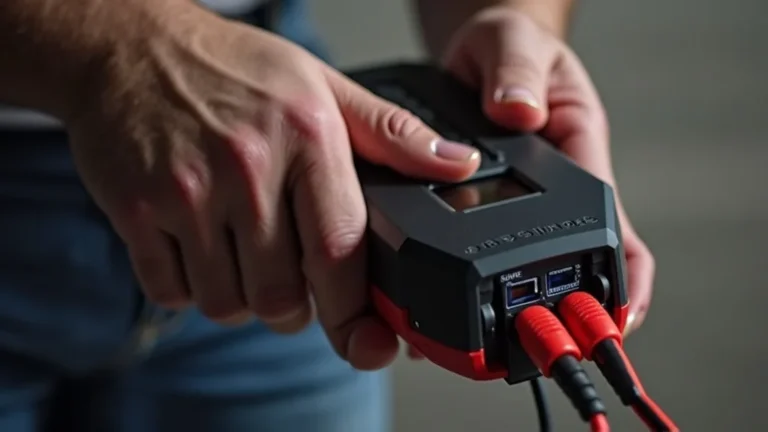
Which Jump Starter for Truck Is Right for Your Needs?
Figuring out which jump starter for truck to buy can feel confusing. It’s like staring at a bunch of gadgets, wondering where to begin. Maybe you’ve seen different sizes, power levels, and features, and now you’re not sure which is best. Don’t worry, we’re here to help! We’ll break down everything you need to know about truck jump starters. Get ready for a simple, step-by-step guide to choosing the right one for you. Let’s start with the basics.
Choosing the Best Jump Starter
The first step is selecting the right jump starter for your truck. This choice often seems complicated, mainly due to the variety of products available. You might see terms like “peak amps,” “cranking amps,” and different battery types, making your head spin. But don’t let it overwhelm you. This section explains the key factors that affect a jump starter’s performance. You will learn about the features that fit your specific truck and driving habits. We will explore the critical specifications, like the power output and the added functions that can make a difference in real-world scenarios. By exploring these points, you can make an informed decision and choose a jump starter that suits your truck’s requirements.
Power and Performance: Understanding Amps
One of the most important things to consider is the power output of the jump starter. This is measured in amps, which indicate how much electrical current the device can provide. There are two main amp ratings to look at: peak amps and cranking amps. Peak amps represent the maximum power the jump starter can deliver in a short burst, while cranking amps indicate the amount of current it can provide continuously to start the engine. Generally, trucks require more power than cars to start, especially diesel engines. So, when comparing jump starters, make sure the amperage rating is appropriate for your truck’s engine size. The higher the cranking amps, the better the jump starter’s ability to start your truck, especially in cold weather.
- Peak Amps: Peak amps are the highest amount of power the jump starter can deliver for a very short period. This is essential for getting the engine turning over initially. Think of it as a burst of energy to overcome the initial resistance. A higher peak amp rating suggests a better chance of starting a heavily drained battery.
- Cranking Amps: Cranking amps (CA) refer to the power the jump starter can deliver consistently for a certain duration to start your engine. This is the sustained energy needed to run the starter motor long enough for the engine to fire up. When it gets colder, your engine needs more cranking amps.
- Cold Cranking Amps: Cold Cranking Amps (CCA) are another important specification, especially if you live in a cold area. CCA measures the amount of current the jump starter can provide at 0°F (-18°C) for 30 seconds. Higher CCA ratings mean better performance in cold conditions. This is important because cold weather increases the resistance within your engine, making it harder to start.
- Diesel Engine Needs: Diesel engines often need more power than gasoline engines. This is because diesel engines have higher compression ratios, requiring more power to turn them over. For a diesel truck, it is a good idea to choose a jump starter with a high CCA and cranking amp rating, preferably at least 1000 amps.
Battery Chemistry and Durability
Jump starters come with different battery technologies. The choice of battery influences performance, lifespan, and safety. Lithium-ion batteries are currently the most common choice due to their lightweight design and high power density. They can deliver a strong burst of power and recharge quickly. However, they may be sensitive to extreme temperatures. Lead-acid jump starters, on the other hand, are heavier but often more resilient to temperature variations. They might not be as compact or quick to recharge as lithium-ion options. Battery health also impacts jump starter longevity. Look for models with indicators of charge level and protection features such as overcharge and short-circuit protection. This helps ensure your jump starter is dependable and safe to use. Always follow the manufacturer’s recommendations for charging and storing the jump starter to extend its life.
- Lithium-ion Batteries: Lithium-ion jump starters are popular for their compact size and powerful output. They are lightweight and charge quickly, making them convenient for on-the-go use. They also typically have a low self-discharge rate, meaning they hold their charge for longer periods. However, lithium-ion batteries can be more sensitive to extreme temperatures, potentially affecting performance in very cold or hot environments.
- Lead-Acid Batteries: Lead-acid jump starters are generally more durable and can withstand more physical abuse. They’re often cheaper than lithium-ion models. However, they are heavier, take longer to charge, and can be sensitive to overcharging. Proper maintenance, including regular charging, is important to extend the lifespan of a lead-acid jump starter.
- Battery Health Indicators: A battery health indicator is an important feature that shows how much charge remains in the jump starter. This helps you monitor the battery’s status and ensures it is ready to use when you need it. Battery indicators can range from simple LED lights to digital displays that show the exact percentage of charge remaining.
- Safety Features: Safety features protect both the jump starter and the vehicle’s electrical system. These include overcharge protection (prevents overcharging the jump starter), reverse polarity protection (prevents damage if you connect the clamps incorrectly), and short-circuit protection (prevents damage if the clamps touch). These safety features will keep you safe while you work on your truck.
Features to Consider When Choosing a Truck Jump Starter
In addition to power and battery type, several extra features can significantly enhance the usefulness of your jump starter. These features are not just conveniences; they add to safety and versatility. For instance, the presence of USB ports allows you to charge your phone or other electronic devices, which is helpful if your truck battery has died. Built-in LED flashlights provide a light source to work in low-light conditions. Other features can include a digital display to show the battery’s status and reverse polarity protection to prevent damage. When exploring which jump starter for truck will work, think about these features to determine what suits your needs. Your choices can enhance the value and functionality of your purchase.
Extra Functions and Safety Features
Modern jump starters go beyond simple starting assistance. They include valuable features that improve usability and safety. These may include built-in LED flashlights, which are useful for nighttime use. USB charging ports allow you to charge phones or other electronic devices, especially valuable when stranded. Consider the length and durability of the jumper cables, making sure they can reach the battery terminals easily. Also, look for safety features such as reverse polarity protection, which prevents damage if you connect the clamps incorrectly. Overcharge protection prevents the jump starter from being damaged while charging. Choosing a jump starter with these extras can make the difference.
- USB Charging Ports: Many jump starters come with USB ports, enabling you to charge smartphones, tablets, and other devices. This feature is particularly useful when your truck battery is dead, and you need to keep your phone charged. USB ports usually come in various forms, including standard USB-A and USB-C, ensuring compatibility with your devices.
- LED Flashlights: LED flashlights are an extremely handy feature for use at night or in low-light conditions. They provide light to see the battery terminals and connections, ensuring you can connect the jump starter correctly. The brightness and beam type can vary, so consider how powerful the flashlight is and whether it has different modes, such as a strobe function for signaling.
- Reverse Polarity Protection: This is an important safety feature that prevents damage to your truck’s electrical system if the jump starter clamps are connected incorrectly. Reverse polarity protection can save you from costly repairs and keep you safe. Look for a jump starter with clear indicators of correct connection to prevent errors.
- Digital Display: A digital display gives you clear information about the jump starter’s status. It shows the remaining charge, voltage, and other important information. This helps monitor the jump starter’s state, and you will know when it needs charging or maintenance.
Portability, Size, and Ease of Use
The size and portability of a jump starter are vital, especially for truck owners who often need to transport them. Compact and lightweight models are easier to store in your truck’s cabin or toolbox, making them accessible when needed. Ease of use is another important factor. Clear instructions, simple connections, and easy-to-read displays can make the jump-starting process more straightforward. Look for jump starters with intuitive designs, such as color-coded clamps or clear power buttons. The size and weight are especially relevant if you plan to carry it frequently. A portable jump starter is convenient, but it needs to be powerful enough for your truck’s requirements.
- Size and Weight: Consider the size and weight of the jump starter. Lighter and more compact models are easier to carry and store in your truck. If you have limited space or often use your truck for work, a smaller model could be more practical. However, make sure it still has enough power to start your truck.
- Cable Length and Quality: The length of the jumper cables is crucial. They need to reach your truck’s battery terminals. Also, the quality of the cables is important. Look for thick, durable cables that can handle high currents without overheating. The clamps must be sturdy and grip the terminals securely.
- Ease of Use: Choose a jump starter with clear instructions and simple controls. Color-coded clamps help you connect the jump starter correctly. A digital display can show the battery’s charge and other information. The easier the jump starter is to use, the better, especially in emergencies.
- Storage: Think about where you will store the jump starter in your truck. Some jump starters come with carrying cases or bags, making them easier to store and protect. Choose a storage location that is easy to access, such as the glove compartment, under the seat, or in the toolbox.
Testing and Evaluating Jump Starters
Before purchasing, it helps to read reviews and conduct some research. Reviews from other truck owners can provide insights into a jump starter’s real-world performance. You can see how it handles cold weather starts, how long the battery lasts, and how dependable the features are. When exploring which jump starter for truck is the best for you, consider both the brand reputation and the specific model reviews. You can also compare different models side by side, paying close attention to specifications such as the amperage ratings, battery capacity, and the extra features. You can evaluate factors such as safety features, charging times, and warranty information. The goal is to find a jump starter that fits your truck’s requirements and your personal preferences.
Reading and Evaluating Reviews
Before buying a jump starter, it’s wise to read reviews from real users. Reviews can provide important information about the product’s performance, reliability, and ease of use. You can learn about problems other owners have experienced and how well the company handles customer support. Look for reviews on trusted websites and online marketplaces. Pay close attention to reviews about the jump starter’s performance in your climate. For example, if you live in a cold area, check reviews from people with similar experiences. This information can help you decide which jump starter is the best choice.
- Find Reliable Sources: Look for reviews on well-known websites, marketplaces, and automotive forums. This provides more reliable information and unbiased opinions. Avoid reviews from unknown websites or those with clear conflicts of interest.
- Consider Different Perspectives: Read a variety of reviews to get a well-rounded view of the product. This means looking at both positive and negative comments. By reviewing many opinions, you’ll gain insights into the benefits and drawbacks of a jump starter.
- Focus on Specific Experiences: Pay attention to reviews that discuss specific use cases, such as starting a diesel truck in cold weather. Look for reviews that mention the features that are most important to you, like charging ports or LED lights.
- Check for Customer Support Reviews: See what people say about the manufacturer’s customer support. A good company will have good customer support if there is an issue with the product.
Comparing Different Models
Comparing various jump starters before making a choice is a smart move. Look at the specifications, features, and prices to see what best meets your requirements. Create a comparison chart or spreadsheet to organize the data. This will help you make a decision based on your needs. Check out the power output (cranking amps and peak amps), battery type (lithium-ion or lead-acid), and extra features such as USB ports, LED flashlights, and safety features. Also, check the charging time, warranty, and price. Evaluating these aspects will allow you to determine which model offers the most value. Consider the long-term benefits and costs of each option.
| Feature | Jump Starter A | Jump Starter B | Jump Starter C |
|---|---|---|---|
| Peak Amps | 2000A | 1500A | 2500A |
| Cranking Amps | 1000A | 800A | 1200A |
| Battery Type | Lithium-ion | Lithium-ion | Lead-acid |
| USB Ports | Yes | Yes | No |
| LED Flashlight | Yes | Yes | Yes |
| Reverse Polarity Protection | Yes | Yes | Yes |
| Price | $100 | $80 | $150 |
Example of a comparison table.
- Create a Comparison Chart: Make a table or spreadsheet to compare different jump starters side by side. Include the key specifications, such as peak amps, cranking amps, battery type, and extra features.
- Prioritize Needs: Determine which features are most important to you. If you frequently need to jump a truck in cold weather, high cranking amps and CCA will be important. If you need to charge your phone, USB ports are essential.
- Evaluate Safety Features: Always compare safety features like reverse polarity protection and overcharge protection. These features will protect you and your truck.
- Consider Price and Warranty: Think about the price and warranty of each jump starter. A longer warranty shows the manufacturer’s confidence in their product.
Frequently Asked Questions
Question: How many amps do I need to jump-start my truck?
Answer: It depends on your truck’s engine size and type. For most trucks, a jump starter with at least 800-1000 cranking amps is sufficient, but diesel engines may need more, often 1000+ amps.
Question: How long does it take to charge a jump starter?
Answer: Charging times vary, but most lithium-ion jump starters take 1-6 hours to fully charge. Lead-acid models may take longer.
Question: Can I use a jump starter on any type of truck battery?
Answer: Yes, most jump starters are designed to work with various lead-acid batteries, including standard, AGM, and gel-cell batteries commonly used in trucks.
Question: What does reverse polarity protection mean?
Answer: Reverse polarity protection is a safety feature that prevents damage to your truck’s electrical system if you accidentally connect the jump starter clamps in the wrong order.
Question: How often should I recharge my jump starter?
Answer: Recharge your jump starter after each use and at least every 3-6 months, or as recommended by the manufacturer, to ensure it remains ready when needed.
Final Thoughts
Choosing the right jump starter for your truck comes down to matching your needs with the features available. Consider the power, the battery type, and extra features like USB ports and LED flashlights. Evaluating reviews and comparing different models helps make an informed choice. It helps to be ready for emergencies and have the tools necessary. Also, bear in mind the size, weight, and ease of use to ensure you’re comfortable carrying and using it. By keeping these factors in mind, you will find a jump starter that suits your needs. With the proper jump starter, you can face the road with confidence. You’ll be ready for anything, whether you’re dealing with a dead battery in the middle of nowhere or giving a helping hand to a fellow driver. Now you are better equipped to explore the options. You can head out on your next drive. Have a safe journey!