Quickly Determine What Type of Car Battery Do I Need
Determining the correct car battery hinges on finding one that precisely matches your vehicle’s specifications, primarily its size, Cold Cranking Amps (CCA), and terminal location. Modern cars, especially those with start-stop systems, typically demand advanced battery types like AGM or EFB for peak performance and durability. Always consult your owner’s manual or an automotive parts guide to ensure you select the ideal battery for your specific make, model, and driving environment.
Picture this: You hop into your car, turn the key, and instead of that familiar roar, you hear a sad, single click. Or worse, absolute silence. We’ve all been there, haven’t we? That sinking feeling when you realize your car battery has officially called it quits. In that moment of panic, your first thought is probably “I need a new battery, NOW!” But then, a wave of questions hits you: “What kind? Are they all the same? What type of car battery do I need, specifically?”
It’s easy to feel overwhelmed by the choices. A quick trip to the auto parts store can reveal a baffling array of brands, sizes, and mysterious acronyms like CCA and RC. You might be tempted to just grab the cheapest one or the first one that “looks right.” But trust me, that’s a mistake you’ll want to avoid. Just like you wouldn’t put diesel in a gasoline engine, putting the wrong battery in your car can lead to a host of problems.
Choosing the correct battery is crucial for your vehicle’s health, performance, and longevity. It’s not just about getting your car to start; it’s about powering all the complex electronics that modern cars rely on. So, take a deep breath. By the end of this guide, you’ll feel confident and informed, ready to answer the question, “What type of car battery do I need?” with ease.
Key Takeaways
- Consult Owner’s Manual First: Always check your car’s manual for exact battery specifications.
- Match Group Size Exactly: Ensure the new battery’s group size fits your tray perfectly.
- Prioritize OEM Specifications: Replicate Original Equipment Manufacturer (OEM) battery type and power ratings.
- Understand CCA for Cranking: Choose Cold Cranking Amps (CCA) equal to or greater than OEM.
- Consider Battery Technology: Verify if your car needs a specific lead-acid, AGM, or Gel battery.
- Check Reserve Capacity (RC): Ensure adequate power for accessories and emergencies.
📑 Table of Contents
Why Your Car Needs the Right Battery (And What Happens If It Doesn’t)
You might think a car battery’s sole job is to kick-start the engine. While that’s its primary role, in today’s technologically advanced vehicles, a battery does so much more. And using the wrong one can have real consequences.
More Than Just Starting the Engine
Modern cars are essentially computers on wheels. They’re packed with sophisticated electronics: navigation systems, infotainment screens, advanced safety features like ABS and traction control, power windows, heated seats, and even complex engine management systems. All these components demand a steady, reliable source of power, even when the engine isn’t running. Your battery isn’t just a starter; it’s the heart of your car’s entire electrical system, working in tandem with the alternator to ensure everything runs smoothly.
The Risks of a Mismatch
Putting in a battery that doesn’t meet your car’s specifications can lead to a surprising number of headaches. You might experience:
- Poor Performance: Your engine might crank slowly, especially in cold weather, or your electronics might behave erratically.
- Reduced Battery Lifespan: An undersized battery will be constantly overworked, leading to premature failure. An oversized one might not fit correctly or charge efficiently.
- Potential Damage: Incorrect voltage or current delivery can strain your alternator or other electrical components.
- Voided Warranty: Some car manufacturers specify exact battery types, and deviating from this could void parts of your vehicle’s warranty.
This is why understanding what type of car battery do I need isn’t just about getting your car to start; it’s about its overall health and avoiding costly repairs down the road.
Decoding Your Car’s Current Battery (The Easiest Starting Point)
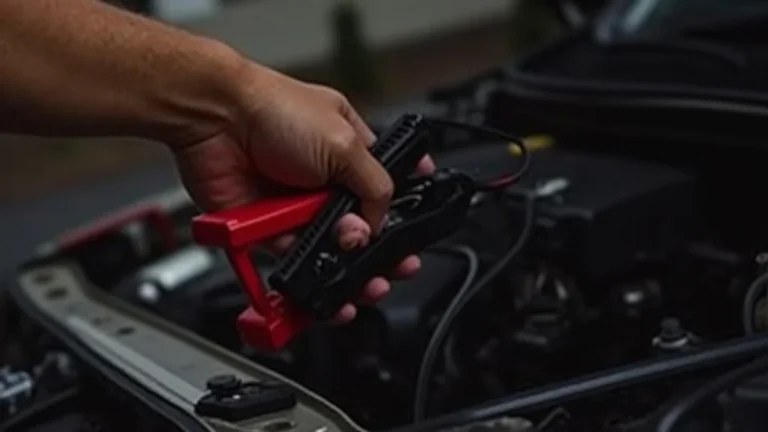
The simplest and most reliable way to figure out what type of car battery do I need is to look at the battery already in your car. It’s your vehicle’s original equipment, so it’s designed to meet all your car’s electrical demands. Just be careful and follow safety precautions when working under the hood.
Location, Location, Location
Most car batteries are found under the hood, but don’t be surprised if yours is located in the trunk, under the rear seat, or even in a fender well. Always consult your owner’s manual if you can’t find it. Once you locate it, ensure the car is off, and if you’re going to touch it, wear gloves and eye protection.
The Labels Hold the Keys
Your current battery’s label is a treasure trove of information. Look for these crucial details:
- Battery Group Size: This is a two- or three-digit number (e.g., 24, 35, 65, 48/H6). This code indicates the battery’s physical dimensions (length, width, height) and the position of its terminals. It’s arguably the most important spec for ensuring a proper fit.
- CCA (Cold Cranking Amps): This number tells you how much power the battery can deliver at 0°F (-18°C) for 30 seconds while maintaining a specific voltage. Higher CCAs are better, especially in colder climates, as they indicate more starting power.
- RC (Reserve Capacity): This is the number of minutes a fully charged battery can deliver 25 amps of power at 80°F (27°C) before its voltage drops below a usable level. It essentially tells you how long your car can run on battery power alone if your alternator fails.
- Voltage: While 12-volt batteries are standard for most cars, it’s good to confirm.
- Type: The label might also specify if it’s a Flooded, AGM (Absorbed Glass Mat), or EFB (Enhanced Flooded Battery) type.
Pro Tip: Take a clear photo of the battery label with your smartphone! This way, you’ll have all the information handy when you go to purchase a new one.
Understanding Key Car Battery Specifications
Let’s dive a little deeper into those important specs you found on your battery label. Knowing what they mean will empower you to choose wisely when considering what type of car battery do I need.
Battery Group Size: The Physical Fit
The battery group size isn’t just a random number; it’s a standardized code set by organizations like BCI (Battery Council International). It specifies the battery’s exact dimensions (length, width, height) and also the terminal locations (positive and negative posts). Imagine buying a battery that’s too tall to fit under your hood or one where the terminals are on the wrong side – that’s why group size is paramount. Common group sizes include:
- Group 24/24F: Often found in Asian vehicles.
- Group 35: Common in many Honda, Nissan, and Subaru models.
- Group 65: Popular in Ford, Lincoln, and Mercury vehicles.
- Group 48/H6: Frequently used in European cars (BMW, Audi) and some domestic models.
Always aim to match your car’s required group size precisely to ensure it fits securely in the battery tray and the cables reach the terminals without straining.
Cold Cranking Amps (CCA): Power to Start
CCA is a measure of the battery’s ability to start an engine in cold temperatures. The colder it is, the thicker your engine oil becomes, and the more resistance the engine parts create, requiring more power to crank. A higher CCA rating means the battery can deliver more current in cold conditions, making it easier for your engine to turn over. If you live in a region with harsh winters, matching or slightly exceeding your car’s OEM (Original Equipment Manufacturer) recommended CCA is a smart move. For example, if your manual suggests 600 CCA, finding a battery with 600-650 CCA is ideal.
Reserve Capacity (RC): Sustaining Power
While CCA focuses on starting power, Reserve Capacity (RC) tells you about the battery’s ability to provide continuous power to essential accessories if your alternator fails. Think of it as your car’s emergency power supply. A higher RC means your car can run its lights, wipers, and ignition for a longer period without the alternator, giving you more time to get to safety or a repair shop. While less critical than group size or CCA for basic starting, it’s a good indicator of overall battery robustness.
Different Types of Car Batteries (Beyond Just “Battery”)
Not all car batteries are created equal. Advances in automotive technology have led to different battery types, each suited for specific vehicle needs. Knowing these types is key when deciding what type of car battery do I need.
Flooded Lead-Acid Batteries (SLA/Wet Cell)
This is the most common and traditional type of car battery. Inside, lead plates are submerged in an electrolyte solution of sulfuric acid and water. They are generally the most affordable option and work perfectly well for older cars or those with basic electrical demands. Many modern flooded batteries are “maintenance-free,” meaning they are sealed and don’t require you to add distilled water. Older or “low-maintenance” versions might have removable caps for checking and topping off fluid levels.
Absorbed Glass Mat (AGM) Batteries
AGM batteries are a premium choice. Instead of a free-flowing liquid electrolyte, the acid is absorbed into special glass mats between the plates. This design offers several advantages:
- Spill-Proof: Because the electrolyte is absorbed, AGMs are spill-proof and can be mounted in various positions.
- Vibration Resistant: Their robust construction makes them more resistant to vibration, which can extend their lifespan.
- Faster Charging: They generally recharge faster than flooded batteries.
- Better for Modern Cars: They excel in vehicles with start-stop technology, extensive electronics, or those that frequently draw a lot of power (e.g., taxis, police cars).
AGM batteries typically have higher CCAs and RCs than comparable flooded batteries and last longer, but they also come with a higher price tag. If your car has start-stop technology, an AGM is likely what your manufacturer recommends for what type of car battery do I need.
Enhanced Flooded Batteries (EFB)
EFB batteries are a step up from traditional flooded batteries but not quite as advanced (or expensive) as AGMs. They offer improved cycling capability and charge acceptance compared to standard flooded batteries, making them a good option for vehicles with entry-level start-stop systems or slightly higher electrical demands. Think of them as a bridge between standard flooded and AGM, offering better performance and durability than a standard flooded battery without the full cost of an AGM.
Practical Steps to Finding Your Perfect Battery
You’ve got the knowledge; now let’s put it into action! Here’s a simple, step-by-step guide to confidently determine what type of car battery do I need.
Check Your Owner’s Manual First
This is your ultimate authority. Your car’s owner’s manual will clearly specify the recommended battery group size, minimum CCA, and often the battery type (Flooded, AGM, or EFB). Always start here! If you don’t have a physical copy, many manufacturers offer digital versions online.
Use Online Battery Finders
Most reputable auto parts stores (e.g., AutoZone, O’Reilly Auto Parts, Advance Auto Parts, Pep Boys) and even general retailers with automotive sections (like Walmart, Costco) have “battery finder” tools on their websites. You simply input your car’s year, make, and model, and it will show you compatible options, often listing the correct group size, CCA, and RC. This is incredibly convenient and takes the guesswork out of the equation.
Measure if Unsure
If for some reason your owner’s manual is missing or the label on your old battery is unreadable, you can physically measure the battery’s dimensions (length, width, height) and note the terminal placement. Bring these measurements to the auto parts store. The staff there can help you match it to the correct group size. Remember, battery trays are designed for specific sizes.
Consider Your Driving Habits & Climate
While matching OEM specs is generally sufficient, sometimes you might want a slight upgrade based on your personal use:
- Cold Climate: If you live where winters are brutal, opting for a battery with a slightly higher CCA than recommended can provide extra peace of mind on frigid mornings.
- Heavy Electronics/Frequent Short Trips: If your car is loaded with aftermarket electronics (powerful stereo, dash cam, etc.), or if you often make very short trips that don’t allow the battery to fully recharge, an AGM battery might be a worthwhile investment, even if your car originally came with a flooded one (as long as it’s compatible with your charging system). For instance, my old sedan with minimal electronics did fine with a standard flooded battery with 600 CCA. But for my friend’s newer SUV with auto start-stop and tons of gadgets, knowing what type of car battery do I need meant an AGM was the only sensible choice.
Finding the right battery doesn’t have to be a confusing ordeal. By taking a moment to understand a few key specifications and following these practical steps, you can ensure your car gets the exact power source it needs. This means reliable starts, optimal performance for all your car’s electronics, and a longer life for your battery.
So, the next time you hear that dreaded click, you won’t be caught off guard. You’ll be armed with the knowledge to confidently walk into any auto parts store and precisely state your needs. Now you’re equipped to confidently answer, “What type of car battery do I need?” and get your vehicle back on the road with the right power, right away!
Frequently Asked Questions
How do I find the correct car battery for my vehicle?
The easiest way to determine the correct car battery is to check your car’s owner’s manual. It will list the recommended battery group size, cold cranking amps (CCA), and reserve capacity (RC) specific to your make and model. Alternatively, you can use online battery finder tools on automotive parts websites by entering your vehicle’s year, make, and model.
What are the main types of car batteries available?
The most common types of car batteries are flooded lead-acid (SLA), which are traditional and affordable. You also have Absorbent Glass Mat (AGM) batteries, known for their durability and better performance, especially in start-stop vehicles. Gel cell batteries are another option, though less common for starting purposes.
What do the numbers like CCA and Group Size mean when choosing a car battery?
CCA stands for Cold Cranking Amps, which indicates the battery’s ability to start your car in cold weather. A higher CCA is generally better, especially in colder climates. The Group Size refers to the battery’s physical dimensions (length, width, height) and terminal placement, ensuring it fits correctly in your car’s battery tray.
Can I use a different car battery group size or CCA than recommended?
It’s generally best to stick to the recommended car battery group size to ensure a proper physical fit and secure mounting. While you can sometimes use a car battery with a slightly higher CCA rating for improved starting power, never go below the manufacturer’s recommended CCA. Deviating significantly can lead to fitment issues or insufficient power.
Where can I find my current car battery’s specifications?
You can typically find your current car battery’s specifications printed directly on the battery label itself. Look for the group size, CCA (Cold Cranking Amps), and sometimes RC (Reserve Capacity). Always note the terminal post location (positive and negative) as well, as this is crucial for proper installation.
Do vehicles with start-stop technology need a special type of car battery?
Yes, vehicles equipped with start-stop technology absolutely require a specific type of car battery, typically an Absorbent Glass Mat (AGM) or Enhanced Flooded Battery (EFB). These batteries are designed to handle the frequent engine starts and stops without significant degradation, unlike conventional flooded lead-acid batteries. Using the wrong type can severely shorten battery life and impact vehicle performance.