Act fast what to do if battery acid spills and clean up
Featured image for what to do if battery acid spills
Act immediately and prioritize safety if battery acid spills! Protect yourself with appropriate gear, contain the spill, and neutralize the acid using baking soda or a commercial neutralizer. Afterward, carefully clean up the residue, properly dispose of contaminated materials, and ventilate the area to ensure a safe environment.
Ever had that sinking feeling when you realize something has gone wrong? Maybe you’re tinkering with your car, replacing a remote control battery, or simply checking an old appliance, and then – splash! A battery acid spill. It’s a moment that can make your heart race, and for good reason. Battery acid isn’t just a minor mess; it’s a corrosive substance that demands immediate and careful attention.
You might think, “Oh, it’s just a small leak,” but even a tiny amount can cause significant damage to skin, eyes, clothing, and the surfaces it touches. Knowing what to do in those crucial first few minutes can make all the difference, turning a potentially dangerous situation into a manageable one. Think of this as your friendly guide, offering practical steps and reassuring advice for when battery acid spills happen.
I’ve been there, dealing with a surprise leak from a car battery. It taught me firsthand the importance of being prepared and acting fast. This post isn’t just about cleaning up a mess; it’s about protecting yourself and your home from the hazards of a battery acid spill. Let’s dive into what you need to know to handle these situations with confidence and safety.
Key Takeaways
- Prioritize Safety: Wear protective gear immediately.
- Ventilate Area: Open windows; ensure good airflow.
- Neutralize Spill: Apply baking soda or other base.
- Contain Quickly: Prevent acid from spreading further.
- Rinse Skin/Eyes: Flush affected areas with water immediately.
- Clean Thoroughly: Dispose of contaminated materials safely.
- Seek Medical Aid: Consult doctor for severe exposure.
📑 Table of Contents
Understanding Battery Acid and Its Dangers
Before we jump into cleanup, it’s really helpful to understand what we’re up against. Knowledge is power, especially when dealing with potentially hazardous materials like battery acid.
What is Battery Acid?
Most common batteries, especially lead-acid batteries found in cars and some UPS systems, contain a solution of sulfuric acid. This isn’t just any acid; it’s highly corrosive. This means it has the ability to eat away at materials, including living tissue, causing chemical burns. Even the fumes can be irritating, especially in poorly ventilated areas.
Why is it Dangerous?
The danger of a battery acid spill lies in its corrosive nature. When it comes into contact with your skin or eyes, it can cause severe chemical burns. Inhaling the fumes can irritate your respiratory system, and if ingested (though highly unlikely unless you’re very unlucky), it can be life-threatening. Beyond personal harm, it can also damage floors, clothing, tools, and just about any surface it touches, leaving permanent stains or holes. That’s why dealing with any battery acid spill quickly is so important.
Common Sources of Spills
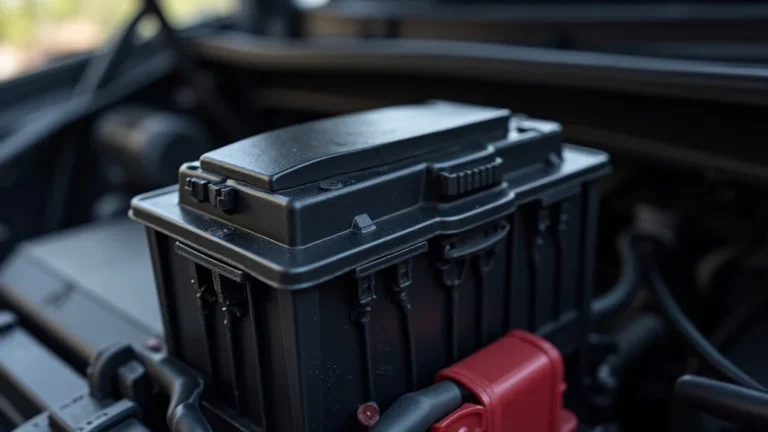
Where might you encounter a battery acid spill? The most common culprits are car batteries. They can leak due to overcharging, physical damage, or simply old age and corrosion around the terminals. Less frequently, but still possible, are spills from large UPS (Uninterruptible Power Supply) systems, some recreational vehicle batteries, or even older, damaged household batteries (though these typically contain alkaline solutions, which also require careful handling, but aren’t sulfuric acid).
Immediate First Aid for Battery Acid Contact
This is arguably the most critical section. If battery acid touches you, your immediate actions are paramount. Don’t delay; act fast!
Skin Contact
If battery acid splashes onto your skin, the very first thing you need to do is get to a water source. Immediately and thoroughly rinse the affected area with plenty of cool water for at least 15 to 20 minutes. Think of it like trying to dilute and wash away as much of the acid as possible. While rinsing, remove any clothing that might have been contaminated. Don’t try to neutralize it with baking soda on your skin; water is your best friend here. After rinsing, seek medical attention, especially if you notice redness, pain, or blistering. Even a small battery acid spill on the skin can be serious.
Eye Contact
This is a medical emergency. If battery acid gets into your eyes, you need to flush them immediately. Head to the nearest sink or shower, and with your eyes wide open, continuously flush them with cool, clean water for at least 20 to 30 minutes. If you wear contacts, try to remove them while flushing. After this critical flushing period, seek emergency medical help immediately. Call 911 or your local emergency number. Every second counts when it comes to eye injuries from a battery acid spill.
Ingestion or Inhalation
If someone accidentally ingests battery acid, DO NOT induce vomiting. This can cause further damage to the esophagus and mouth. Instead, have them rinse their mouth with water and then drink small amounts of water or milk. Immediately call poison control or emergency services. If you inhale strong fumes from a battery acid spill, move to fresh air immediately. If you experience difficulty breathing, dizziness, or irritation, seek medical attention.
Preparing for a Battery Acid Spill Cleanup
Okay, so you’ve taken care of any personal contact. Now it’s time to prepare for the cleanup. Having the right gear and supplies beforehand makes the process much safer and more efficient. Think of it like prepping for a cooking project – you gather all your ingredients first!
Essential Safety Gear
- Eye Protection: Safety glasses or goggles are non-negotiable. You absolutely do not want any splashes in your eyes.
- Gloves: Wear acid-resistant gloves, such as nitrile or neoprene. Standard latex gloves might not offer sufficient protection against strong acids.
- Protective Clothing: Old long-sleeved shirts and pants, or even an apron, are a good idea to protect your skin and clothing from splashes.
- Ventilation: Open windows and doors to ensure good airflow. Battery acid fumes can be irritating.
Gathering Your Supplies
Once you’re geared up, gather your cleanup squad of materials. These should ideally be non-metal to avoid any reactions with the acid.
- Baking Soda (Sodium Bicarbonate): This is your primary neutralizer. Acid and baking soda react, turning the dangerous acid into a much safer, inert substance. You’ll need a generous amount.
- Water: For rinsing surfaces after neutralization.
- Rags or Paper Towels: For wiping up the neutralized acid. Choose ones you can throw away.
- Plastic Bags or Containers: Heavy-duty, sealable bags are crucial for safely disposing of contaminated rags and absorbent materials.
- Cat Litter, Sand, or Absorbent Granules: For larger spills, these can help absorb the liquid after neutralization.
- Plastic Dustpan and Brush: To scoop up absorbent materials. Avoid metal tools.
Pro Tip: If you frequently work with batteries (like in a garage), consider putting together a dedicated “battery spill kit” so you don’t have to scramble when a battery acid spill occurs.
Step-by-Step Cleanup Procedure for Small Spills
With your safety gear on and supplies at hand, it’s time to tackle the spill. Let’s walk through it methodically for a typical small-to-medium battery acid spill.
Secure the Area
First, make sure no one else, especially children or pets, can access the spill area. If you haven’t already, open windows and doors to ensure good ventilation. Turn off any electrical devices nearby if they are at risk of contact with the spill.
Neutralize the Acid
Generously sprinkle baking soda over the entire battery acid spill. You should see a fizzing reaction, which indicates the acid is being neutralized. This is the baking soda reacting with the sulfuric acid. Continue adding baking soda until the fizzing stops. This tells you that the acid has been successfully neutralized and is no longer corrosive. For example, if a small AA battery leaks, a few tablespoons of baking soda might be enough. For a car battery acid spill, you might need a whole box!
Absorb and Collect
Once the fizzing has stopped and the acid is neutralized, you can safely absorb the mixture. Use your rags or paper towels to carefully wipe up the paste. For larger spills, or if you used absorbent granules, use your plastic dustpan and brush to scoop up the material. Place all contaminated rags, paper towels, and absorbent materials into a heavy-duty plastic bag or container. Seal it tightly.
Rinse and Dry
After collecting the bulk of the neutralized spill, lightly rinse the affected surface with clean water. This helps remove any remaining residue. Then, wipe the area dry with a fresh, clean cloth or paper towel. Make sure the area is completely dry, especially if it’s near electrical components.
Dealing with Larger Spills and Disposal
Sometimes, a battery acid spill might be more than you can comfortably handle on your own. Knowing when to call in the cavalry and how to properly dispose of the waste is crucial.
When to Call Professionals
There are definitely times when a battery acid spill goes beyond a DIY job. You should consider calling a professional hazardous waste cleanup service if:
- The spill is very large (e.g., more than a liter).
- The spill is in a confined or poorly ventilated area, increasing fume risks.
- You’re unsure of the type of acid or if it’s mixed with other chemicals.
- The spill has seeped into inaccessible areas or caused significant damage to structural elements.
- You experience any persistent health symptoms after initial first aid.
It’s always better to be safe than sorry. Professionals have the specialized equipment and training to handle large or complex battery acid spills safely.
Proper Disposal of Contaminated Materials
Never just toss contaminated rags or absorbent materials into your regular household trash. These materials are now considered hazardous waste. Your local municipal waste management facility or recycling center will have specific guidelines for hazardous waste disposal. Look up “hazardous waste disposal near me” or contact your local public works department for instructions. They will typically have designated drop-off days or locations for such materials. Placing neutralized battery acid spill waste into sealed, clearly labeled plastic containers is a common requirement.
Spill Kit Essentials Table
To help you prepare, here’s a quick overview of the essential items for your battery acid spill kit:
| Item | Purpose | Notes |
|---|---|---|
|
Safety Glasses/Goggles |
Eye protection |
Essential for preventing splash injuries. |
|
Acid-Resistant Gloves |
Hand protection |
Nitrile or neoprene are good choices; avoid latex. |
|
Baking Soda (Sodium Bicarbonate) |
Acid neutralizer |
Cheap, effective, and readily available. |
|
Water |
Rinsing, diluting |
For first aid and final rinse of surfaces. |
|
Rags/Paper Towels |
Absorption, wiping |
Use disposable ones you don’t mind throwing away. |
|
Plastic Bags/Containers |
Waste disposal |
Heavy-duty, sealable bags for contaminated materials. |
|
Cat Litter/Sand/Absorbent Granules |
Larger spill absorption |
Helps contain and soak up liquid. |
|
Plastic Dustpan & Brush |
Cleanup tools |
Avoid metal tools that can react with acid. |
Conclusion
Dealing with a battery acid spill can be intimidating, but by now, you should feel much more confident in handling such a situation. The key takeaways are simple: prioritize safety, act quickly, and be prepared. Always have your safety gear and cleanup supplies handy, especially if you regularly handle batteries.
Remember, your health and safety come first. Don’t hesitate to seek medical attention if battery acid contacts your skin or eyes, and know when a spill is too large or complex for a DIY cleanup. By following these steps, you can turn a potentially dangerous battery acid spill into a safely managed incident, protecting yourself, your loved ones, and your home. Stay safe out there!
Frequently Asked Questions
What’s the very first thing I should do if battery acid gets on my skin or in my eyes?
Immediately flush the affected area with copious amounts of water for at least 15-20 minutes. If battery acid is in your eyes, continue flushing while seeking immediate medical attention, even if symptoms seem mild. Remove any contaminated clothing promptly.
How do I safely clean up a battery acid spill on a hard surface or floor?
First, protect yourself with gloves and eye protection. Sprinkle a neutralizing agent like baking soda liberally over the battery acid spill until the fizzing stops. Scoop up the neutralized material, wipe the area with a damp cloth, and rinse thoroughly.
What should I use to neutralize a battery acid spill?
Baking soda (sodium bicarbonate) is the most common and effective household neutralizer for battery acid spills. Apply it generously until the bubbling stops, indicating the acid has been neutralized. For larger industrial spills, commercial acid spill kits are also available.
Is battery acid dangerous, and what are the potential health risks?
Yes, battery acid is highly corrosive and dangerous. Direct contact can cause severe chemical burns to the skin, eyes, and mucous membranes. Inhaling fumes can irritate the respiratory system, and ingestion is extremely hazardous, requiring immediate medical intervention.
How should I dispose of materials contaminated by battery acid after a spill?
Place all contaminated materials, including gloves, paper towels, and neutralized residue, into a sturdy, sealed plastic bag or container. Do not put them in regular household trash; contact your local hazardous waste disposal facility for proper guidelines and drop-off procedures.
What if battery acid spills on my clothing or shoes?
Quickly remove the contaminated clothing or shoes to prevent the acid from reaching your skin. Immediately rinse the affected item under running water if possible, though the acid will likely have caused permanent damage. Dispose of the damaged clothing safely, following hazardous waste guidelines.