What Jump Starter Is Best for a V8 Engine? Your Simple Guide
Figuring out what jump starter for a v8 engine can seem tricky at first. With so many options, it’s easy to feel a bit lost. But don’t worry, it’s easier than you think! We’ll walk you through everything, making it super simple to choose the right one for your car. We’ll explore important things to consider, compare different types, and give you clear, step-by-step guidance. Let’s get started and get your car running!
Understanding Jump Starters and Engine Needs
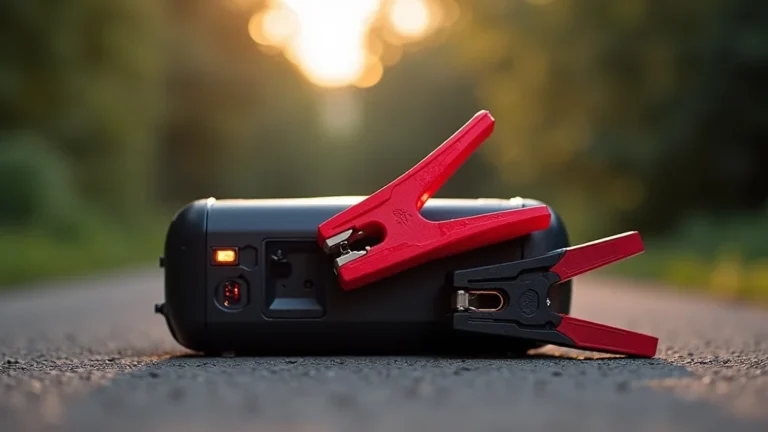
Jump starters are portable power sources, designed to give your car’s battery a boost when it’s too weak to start the engine. They’re like a spare battery you can carry around. These devices are useful in many situations, from a dead battery at home to needing a jump start far away from help. Choosing the right jump starter depends a lot on your car’s engine size and power needs. Specifically, engines like V8s need more power to start than smaller engines.
What Makes a V8 Engine Different?
V8 engines are known for their power, thanks to their eight cylinders. These engines require a significant amount of electrical current to crank the engine and start. This higher demand is where jump starters come into play. A jump starter designed for a V8 engine needs to deliver a higher peak amperage (the surge of power at startup) and typically, a higher cranking amperage (the power needed to keep the engine turning over). That’s why selecting a jump starter for a V8 isn’t the same as choosing one for a smaller engine.
- Engine Displacement: V8 engines usually have a larger engine displacement, meaning the engine needs more power to operate, which requires more electrical energy to start the combustion process.
- Cranking Amps Requirement: The primary specification to consider is the cranking amps (CA) or cold cranking amps (CCA). V8 engines typically need more than smaller engines to overcome friction and get turning over.
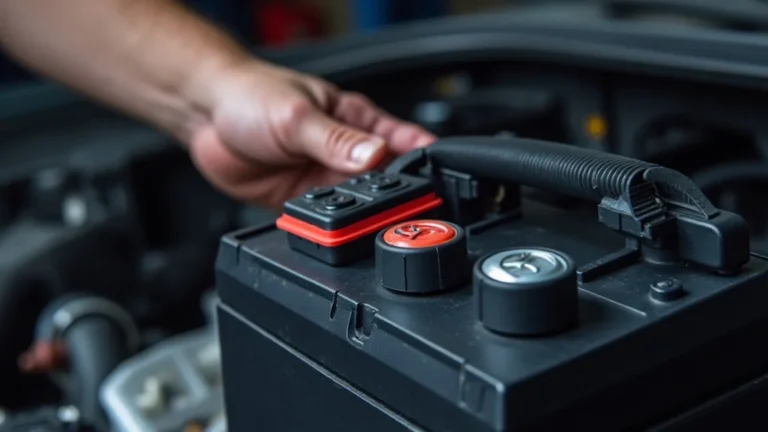
- Battery Type Compatibility: Ensure the jump starter is compatible with your car’s battery type. Most modern cars use lead-acid batteries, but some may have AGM (Absorbent Glass Mat) batteries.
- Size and Portability: Jump starters range in size. Though capacity is important, consider how portable the jump starter is and how easy it is to store in your vehicle.
The type of battery in your car can also play a role. AGM batteries, for instance, often need more power than standard lead-acid batteries. Make sure the jump starter you choose matches your car’s battery specs. When looking at specifications, pay close attention to both the peak amps and the cranking amps. These numbers will tell you how much power the jump starter can deliver and how long it can maintain that power. Selecting the correct jump starter helps you feel confident and makes sure you can get back on the road when you need it.
Key Features to Consider in a Jump Starter for V8 Engines
Selecting the right jump starter for a V8 engine involves carefully looking at key features. Considering these factors ensures you buy a jump starter that reliably delivers the needed power to start your engine, especially during cold weather or after long periods of inactivity. It’s not just about the starting power. Several other features can also impact the jump starter’s usability and overall effectiveness, like safety features, ease of use, and extra functions.
Power Output: Amperage and Capacity
Power output is the most important factor. The key measurements here are peak amps and cranking amps. Peak amps are the maximum amount of current the jump starter can deliver, usually for a short time. Cranking amps show how much current the jump starter can supply to start the engine in cold weather. For a V8, aim for a jump starter with at least 800-1000 peak amps and 400-500 cranking amps. The higher the numbers, the better chance it has to start your engine, especially in colder temperatures. Look closely at the capacity of the jump starter (measured in milliamp hours or mAh), which indicates how long it can hold a charge and how many times you can use it before recharging.
- Peak Amps: Peak Amps are the measure of the maximum current the jump starter can supply for a brief period, important for the initial startup surge.
- Cranking Amps: Cranking Amps define the level of power the jump starter provides to start the engine, particularly when the weather gets cold.
- Battery Capacity: The capacity, measured in mAh or Wh, specifies how long the jump starter holds a charge, indicating how many times you can start your car before recharging.
- Voltage: Ensure the jump starter has a voltage of 12V, which is standard for most cars, including V8 models.
Choosing a jump starter with higher power specs gives you a safety margin, especially in challenging conditions. Investing in a jump starter with a greater capacity means you’re less likely to be caught off guard when your battery drains. Many models are available that pack high power and capacity into a compact and manageable size, making them easy to carry in your car. This makes sure you’ll have the power you need, whether the problem is a chilly morning or a battery that has been sitting idle for a while.
Safety Features and Protection
Safety features are critical to protecting you, your car, and the jump starter itself. Look for jump starters with built-in protection against reverse polarity (connecting the clamps the wrong way). This function prevents the jump starter from sending electricity backwards, which can damage your car’s electrical system. Other helpful features include over-current protection, which prevents too much current from flowing and protects the jump starter from overheating, and short-circuit protection, which shuts off the jump starter if the clamps accidentally touch each other. Jump starters with these features are designed to be user-friendly and reliable. Following these precautions is important to enjoy the benefits of having a portable power source to keep your car running.
- Reverse Polarity Protection: This is a must-have, which prevents damage to your car’s electrical system if the clamps are connected backward.
- Over-Current Protection: Protects the jump starter and your car from excessive current flow, which helps in preventing overheating and damage to the unit.
- Short-Circuit Protection: Automatically shuts off the jump starter if the clamps touch, preventing damage from shorts.
- Overcharge Protection: Some jump starters include features to prevent overcharging of the unit, extending its battery life.
These safety measures not only protect your car but also provide peace of mind. Check for certifications from respected organizations like UL (Underwriters Laboratories) to confirm the jump starter meets safety standards. These certifications indicate that the jump starter has been tested and meets industry safety requirements. These safety measures give you confidence while using the device, knowing that your car and the jump starter are protected from potential issues.
Ease of Use and Portability
A jump starter’s ease of use and portability is just as important as its power. Look for a jump starter with a user-friendly design, with clearly labeled clamps and easy-to-understand instructions. Compact and lightweight jump starters are easier to store in your car or carry when needed. Look for a model that’s small enough to fit in your glove compartment, under your seat, or in your trunk. Make sure the clamps have a solid grip. They should also be well-insulated to help prevent accidental shorts and improve safety. A built-in LED light can be a big help if you’re using the jump starter in low-light conditions.
- User-Friendly Interface: Look for easy-to-understand controls and clear instructions, making the device simple to use in stressful situations.
- Compact Size and Weight: A portable, lightweight jump starter is easier to store and transport in your car.
- Clamp Design: Check for sturdy, well-insulated clamps that ensure a solid connection to the battery terminals, enhancing safety and performance.
- Additional Features: Built-in LED lights can be useful for nighttime use. USB ports can charge your mobile devices in emergencies.
Consider jump starters with additional features such as a digital display, which helps you monitor the battery’s charge and status. Models that include USB ports also allow you to charge your phone or other devices. These added features offer extra value, making the jump starter a convenient tool in unexpected situations. Ease of use and portability, combined with added features, make a jump starter an invaluable tool. It is practical for everyday use and also reliable for critical situations.
Top Jump Starter Options for V8 Engines Compared
Choosing the best jump starter for a V8 engine means comparing different models. Several brands offer jump starters suitable for V8s, each with different features and benefits. Comparing these jump starters helps you select the best match for your needs, balancing power, safety, and price. Some models focus on high power and rugged construction, while others may offer extra features such as USB charging ports or built-in flashlights. Weighing these differences will help in your decision.
Top Brands and Models
There are several brands recognized for producing reliable jump starters that are well-suited for V8 engines. Some of the top brands include NOCO, DBPOWER, and GOOLOO, each with models specifically designed to provide the required power and features for V8 engines. These jump starters typically have high peak and cranking amps, offering enough power to start even large engines. These models also include safety features like reverse polarity protection and over-current protection. They also tend to be portable and easy to use. Comparing these models is the key to finding the right fit for your needs.
Here’s a comparison of some popular jump starter models:
| Brand and Model | Peak Amps | Cranking Amps | Additional Features | Approximate Price |
|---|---|---|---|---|
| NOCO Boost Plus GB40 | 1000A | N/A | LED flashlight, USB charging, reverse polarity protection | $100-$120 |
| DBPOWER DJS500 | 1200A | N/A | USB charging, LED light, compass | $70-$90 |
| GOOLOO GP2000 | 2000A | N/A | LED light, USB charging, battery indicator | $120-$140 |
When reviewing jump starters, check for models that have received good reviews for reliability and performance. Consider what features are most important to you. If you often drive at night, a jump starter with a bright LED flashlight would be great. If you frequently need to charge your phone, a model with USB ports will be useful. The best option is one that offers the necessary power along with the features that best fit your lifestyle. Making a smart comparison based on factors like power output, features, and price will give you a tool that you can rely on.
Features Comparison Table
A detailed comparison table can clearly show the differences between various jump starters for V8 engines, including power output, safety features, and additional functionalities. This helps you quickly see the pros and cons of different models, helping you decide. The table is made to make it easy to see which jump starter meets your specific needs and preferences. This allows you to choose a model that provides high performance and the best value for your budget.
| Feature | Example Model 1 | Example Model 2 | Example Model 3 |
|---|---|---|---|
| Peak Amps | 1000A | 1200A | 2000A |
| Cranking Amps | Not Applicable | Not Applicable | Not Applicable |
| Reverse Polarity Protection | Yes | Yes | Yes |
| Over-Current Protection | Yes | Yes | Yes |
| USB Charging Ports | Yes | Yes | Yes |
| LED Flashlight | Yes | Yes | Yes |
| Battery Capacity | N/A | N/A | N/A |
This side-by-side comparison offers quick insights into what each jump starter brings to the table. By examining the peak amps, you can easily compare the potential power output of different models. Knowing whether reverse polarity protection, over-current protection, and USB charging are available will help you consider safety and convenience. Using a comparison like this will help you to choose the best jump starter to suit your unique needs. These details make your choice much easier by showing a clear picture of the strengths of each model.
Using a Jump Starter Safely and Effectively
Successfully using a jump starter involves carefully following safety steps to ensure the safety of both you and your vehicle. Understanding the right way to connect the clamps and operate the jump starter makes sure that your car is safely and effectively jump-started. This helps prevent damage to your car’s electrical systems. Proper use not only makes the process safer but also extends the life of your jump starter. Taking the time to be well-informed and apply these steps will ensure a smooth start.
Step-by-Step Guide to Jump-Starting
Following a step-by-step approach is critical for the safe and efficient use of a jump starter. A clear, well-structured guide helps you to avoid mistakes that could damage your car’s electrical system or injure you. It walks you through each stage of the process, ensuring that you connect the jump starter correctly and can start your car safely. This structured, reliable procedure is essential.
- Safety First: Make sure the jump starter is turned off before starting. Place the jump starter on a stable surface away from the battery and moving engine parts.
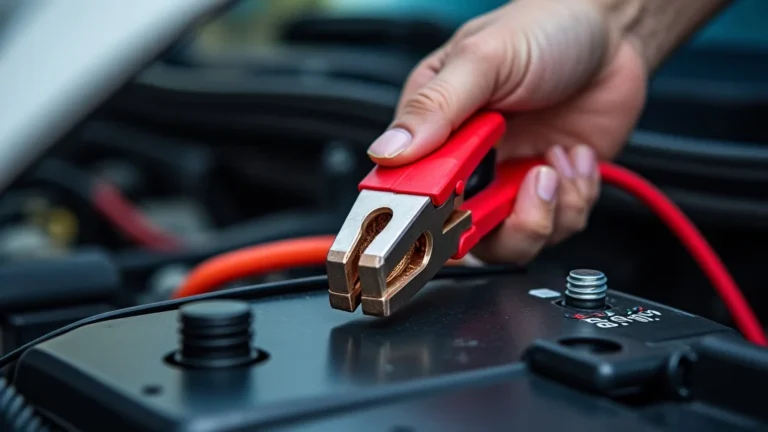
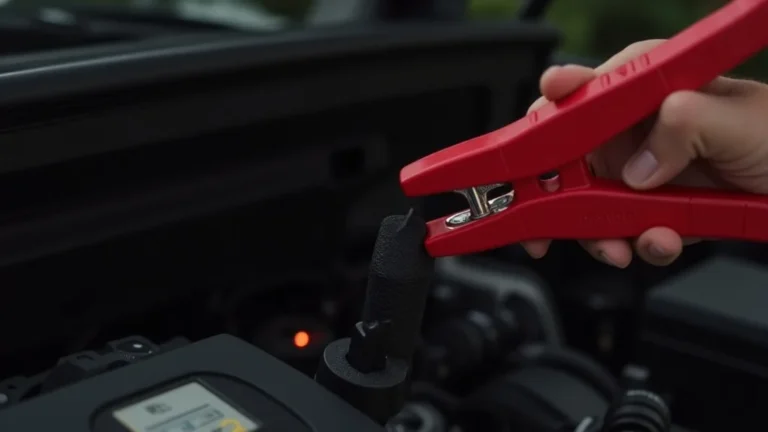
- Connect the Positive (Red) Clamp: Attach the red clamp to the positive (+) terminal of your car’s dead battery.
- Connect the Negative (Black) Clamp: Connect the black clamp to a suitable ground point, usually a metal part of the car’s frame away from the battery.
- Turn On the Jump Starter: Switch the jump starter on. Some models have a specific button or switch for this.
- Start Your Engine: Try starting your car’s engine. If it doesn’t start right away, wait a few minutes and try again.
- Disconnect the Clamps: Once your car is running, carefully disconnect the clamps. Start with the black clamp, then the red clamp.
- Recharge the Jump Starter: Recharge the jump starter as soon as possible after use.
These detailed steps make sure that you use the jump starter effectively and minimize any risks. The order of connecting and disconnecting the clamps is important to prevent short circuits. The guidance for finding a good grounding point is meant to keep you and your car safe. You should also recharge the jump starter after each use to keep it ready. These steps give confidence in your ability to handle unexpected battery issues.
Troubleshooting Common Issues
Even with a good jump starter, issues can arise. Knowing how to troubleshoot these problems can save time and frustration. If your car won’t start after using the jump starter, check the connections to make sure they’re secure and clean. If the jump starter displays an error message, it might indicate a problem such as a low battery on the jump starter. Understanding these common problems is essential to get you back on the road. The knowledge will help you quickly find a solution when faced with a dead battery.
- Car Won’t Start: Double-check clamp connections, ensure the jump starter is fully charged, and verify the car’s battery terminals are clean.
- Error Messages: Check the jump starter’s manual for error codes, which often indicate problems like reverse polarity, over-current protection activation, or low battery.
- Jump Starter Won’t Turn On: Make sure the jump starter is charged. Inspect the power button and connections for any issues.
- Clamps Get Hot: If the clamps get hot, it can suggest a bad connection or an excessive current draw. Check the connections and try again.
If your car still won’t start, there might be an underlying issue with the car’s battery or electrical system. In such cases, it is advisable to seek professional help. Addressing these common problems helps you maintain control and gives you the tools needed to overcome common challenges when using a jump starter. Understanding the probable causes and how to respond ensures that you can handle problems confidently and efficiently.
Frequently Asked Questions
Question: How many amps do I need for a V8 engine?
Answer: For a V8 engine, you need a jump starter that delivers at least 800-1000 peak amps and 400-500 cranking amps.
Question: Can I use a jump starter on any car?
Answer: Most jump starters work on both gasoline and diesel engines, but always check the manufacturer’s recommendations for your specific car.
Question: How long does a jump starter take to charge?
Answer: The charging time varies, but most jump starters take between 2 to 6 hours to fully charge, depending on the model and the charger.
Question: Is it safe to leave a jump starter in a hot car?
Answer: Avoid leaving jump starters in extreme temperatures. High heat can reduce battery life and potentially cause damage. Store it in a cool, dry place.
Question: How often should I recharge my jump starter?
Answer: Recharge your jump starter after each use and at least every 3-6 months to maintain its charge and ensure it’s ready when you need it.
Final Thoughts
Choosing the best jump starter for a V8 engine involves understanding your engine’s power requirements and selecting a model that meets those needs. Focusing on peak amps, cranking amps, and safety features gives you a solid starting point. Don’t forget other important aspects such as portability and ease of use. It’s best to research and compare different brands and models. Choosing carefully will lead you to a product that fits your car and lifestyle.
The right jump starter can provide the peace of mind of knowing that you can get back on the road when your car’s battery dies. Always read the instructions, connect the clamps correctly, and follow the safety guidelines. By understanding the key features and following safe operating procedures, you can be ready for anything. The knowledge is essential to owning a reliable jump starter. You’re ready to confidently handle unexpected battery troubles and keep your vehicle moving.