Demystifying What Does a Car Battery Do For Your Vehicle
Your car battery is the indispensable heart of your vehicle’s electrical system, with its primary role being to provide the powerful initial surge needed to start the engine. Once running, it also acts as a crucial electrical buffer, supplying power to accessories like lights and the radio when the engine is off, and stabilizing the voltage to ensure all electronic components operate smoothly. Essentially, no battery, no start, no drive.
Ever hopped into your car, turned the key, and heard… absolutely nothing? Or maybe just a slow, groaning sound before silence takes over? It’s a moment of dread many of us have experienced. In that instant, you know exactly what’s gone wrong: your car battery has given up. But beyond starting your engine, do you ever stop to think about the incredible amount of work this unassuming box under your hood actually does?
Most of us treat the car battery like a silent servant – we only notice it when it stops doing its job. But understanding what a car battery does is key to appreciating its role and even extending its life. It’s much more than just a power source for ignition; it’s the heart of your vehicle’s entire electrical system, working tirelessly behind the scenes.
Let’s pull back the curtain and demystify the unsung hero of your vehicle. We’ll explore the crucial functions of your car battery, from getting you on the road to powering the little comforts that make driving enjoyable. Think of it like a friendly chat, sharing insights that will help you understand this vital component of your car better.
Key Takeaways
- Starts Engine: Delivers high current for ignition system activation.
- Powers Accessories: Operates lights, radio, and wipers when engine is off.
- Stabilizes Voltage: Ensures consistent power delivery to all vehicle components.
- Recharges Via Alternator: Receives constant power replenishment while driving.
- Not Primary Power: Alternator handles main vehicle electrical needs when running.
- Recognize Failure Signs: Slow cranking or dim lights indicate a failing battery.
- Maintain Longevity: Regular checks and clean terminals extend battery life.
📑 Table of Contents
The Heartbeat of Your Car: Starting the Engine
This is perhaps the most well-known function of a car battery, and for good reason! It’s the very first thing it does when you want to go anywhere. Imagine trying to push-start a heavy car from a standstill – it takes a huge burst of energy. Your engine is no different; it needs a massive jolt to get going, and that’s exactly what your car battery provides.
The Ignition Process Explained
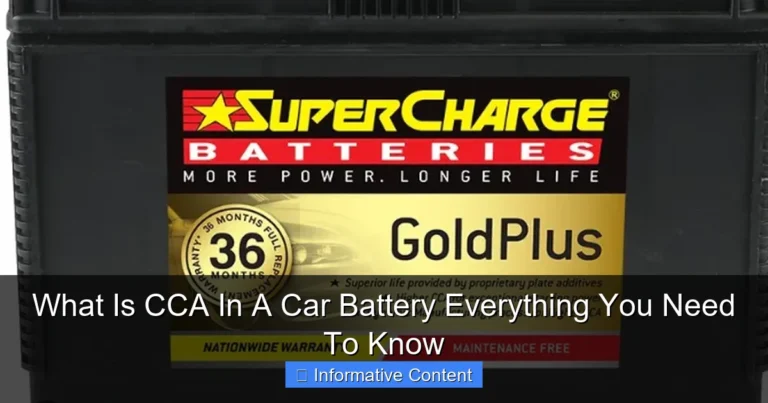
When you turn the key or press the start button, your car battery delivers a sudden, powerful surge of electricity to the starter motor. This isn’t a gentle trickle; it’s a mighty torrent of amps designed to overcome the engine’s initial resistance. This burst of power is measured in “Cold Cranking Amps” (CCA), which indicates how much current a battery can deliver at freezing temperatures, a true test of its strength.
The Role of the Starter Motor
The starter motor is a small, powerful electric motor directly connected to your engine’s flywheel. When it receives that massive electrical current from the car battery, it spins the flywheel, which in turn rotates the engine’s crankshaft. This movement initiates the engine’s combustion cycle, drawing in air and fuel, compressing it, and igniting it. Once the engine “catches” and starts running on its own, the car battery’s primary job for starting is done, and it gets ready for its next tasks.
More Than Just Starting: Powering Automotive Electronics
While starting the engine is its most dramatic act, your car battery is constantly working to power a vast array of electrical components, even when the engine isn’t running. Think about it: when you open your car door, the interior lights come on. When you sit down and check your phone, your infotainment screen might light up. All these initial actions are thanks to your car battery.
Keeping Everything Lit and Running
Even before the engine roars to life, your car battery provides electricity for essential functions. This includes things like your headlights, taillights, interior dome lights, dashboard lights, and even the power windows and power seats. It also runs your radio and infotainment system, the windshield wipers, and the defroster. Without a healthy car battery, these conveniences would simply cease to function.
The Brains Behind the Brawn
Modern cars are packed with sophisticated electronics. Your car battery also powers the Engine Control Unit (ECU), which is essentially your car’s brain, managing everything from fuel injection to ignition timing. It provides power to various sensors, safety systems like airbags and ABS, and even complex features like remote keyless entry and alarms. The constant, stable power supplied by your car battery ensures these critical systems operate correctly, keeping you safe and your car running efficiently.
A Dynamic Duo: Working with the Alternator
It’s important to understand that your car battery isn’t working alone once the engine is running. It has a crucial partner: the alternator. This relationship is vital for your vehicle’s sustained electrical health. Think of your car battery as a powerful starting block, and the alternator as the marathon runner that keeps it going.
Recharging on the Go
Once your engine is running, the alternator takes over as the primary source of electrical power for your car. It generates electricity to run all the vehicle’s electrical systems and, most importantly, recharges your car battery. This ensures that the battery is topped up and ready for the next time you need to start the car. Without a working alternator, your car battery would quickly drain, leaving you stranded.
Stabilizing the Power
Beyond recharging, your car battery also acts as a voltage stabilizer for your vehicle’s electrical system. The alternator can sometimes produce slight fluctuations in voltage. Your car battery smooths out these variations, ensuring a consistent and steady flow of electricity to all components. This protects sensitive electronics from power surges and dips, contributing to their longevity and reliable operation. So, your car battery is not just a power provider, but also a protector of your car’s delicate electrical infrastructure.
Types of Car Batteries: A Quick Look
While the fundamental job of a car battery remains the same, technology has evolved, leading to different types designed for various needs and vehicle specifications. Knowing the type of car battery your vehicle uses can be helpful for maintenance and replacement.
Lead-Acid (Flooded/Maintenance-Free)
These are the most common and traditional types of car batteries. They contain lead plates submerged in an electrolyte solution of sulfuric acid and water. Flooded batteries may require occasional checks of their electrolyte levels and topping up with distilled water. “Maintenance-free” versions are sealed units that do not require electrolyte checks, offering greater convenience. They are reliable and cost-effective, found in a wide range of vehicles.
AGM (Absorbed Glass Mat) and Gel Batteries
AGM batteries use fiberglass mats to absorb the electrolyte, making them spill-proof and more resistant to vibration. Gel batteries use a gelled electrolyte. Both AGM and gel batteries offer longer lifespans, faster recharging capabilities, and better performance in extreme temperatures compared to traditional flooded batteries. They are often found in modern vehicles with “start-stop” technology, where the engine frequently turns off and on at traffic lights to save fuel, placing higher demands on the car battery. They are also popular for vehicles with extensive electronic accessories.
Keeping Your Battery Healthy: Practical Tips and Common Issues
Your car battery works hard, often without much thought from us. But a little care can go a long way in extending its life and preventing those unwelcome moments of a dead battery. Understanding what a car battery does also helps you spot signs of trouble early.
Simple Maintenance Habits
- Keep Terminals Clean: Check your car battery terminals for corrosion (a fuzzy, often bluish-white substance). Clean them with a wire brush and a mixture of baking soda and water to ensure good electrical contact.
- Check Connections: Make sure the cables connected to your car battery terminals are tight. Loose connections can prevent proper charging and power delivery.
- Limit Short Trips: If you mostly make very short drives, your alternator might not have enough time to fully recharge your car battery. Consider taking longer drives periodically or using a battery tender.
Signs of a Dying Battery
Catching these early can save you a lot of hassle:
- Slow Engine Crank: If your engine sounds like it’s struggling to turn over, taking longer than usual, your car battery might be weakening.
- Dim Lights: Headlights and interior lights appearing dimmer than usual, especially when the engine isn’t running, can be a sign.
- Warning Light: Your dashboard might display a battery or charging system warning light.
- Swollen Battery Case: Extreme heat or overcharging can cause the battery case to swell, which is a definite sign of a problem and a potential safety hazard.
Extending Battery Life
Beyond maintenance, conscious habits can prolong the life of your car battery. Avoid leaving lights on or accessories running when the engine is off. Extreme temperatures, both hot and cold, can stress a battery, so parking in a garage or shaded area can help. If you store your vehicle for extended periods, a trickle charger or battery maintainer can keep your car battery in optimal condition.
Conclusion
So, the next time you hop into your car and it starts without a hitch, take a moment to appreciate the silent workhorse under the hood. Your car battery is much more than just a starter; it’s the cornerstone of your vehicle’s entire electrical system, powering everything from your engine’s first breath to the smallest dashboard light. Understanding what a car battery does for your vehicle helps us not only prevent frustrating breakdowns but also encourages us to take better care of this vital component.
By giving your car battery a little attention and recognizing the signs of trouble, you can ensure your vehicle remains reliable and ready for whatever journey lies ahead. It’s a small investment of time for a big return in peace of mind and hassle-free driving.
Frequently Asked Questions
What is the primary role of a car battery?
The primary role of a car battery is to provide the initial surge of electrical current needed to start your vehicle’s engine. It powers the starter motor, which then cranks the engine to get it running. Without this initial burst, your car would not be able to start.
How does a car battery actually start my engine?
When you turn the key or press the start button, the car battery sends a powerful electrical current to the starter motor. This motor then engages with the engine’s flywheel, physically turning the crankshaft to initiate the combustion process. Once the engine is running, the alternator takes over to generate electricity.
Besides starting, what other components does a car battery power?
While the engine is off, the car battery powers all the vehicle’s electrical components, such as the lights, radio, power windows, and central locking system. It also provides a stable electrical current to crucial systems like the alarm and onboard computer memory even when the car is parked.
How does the car’s electrical system keep the car battery charged?
Once the engine is running, the alternator, driven by the engine’s belt, generates electricity to power the vehicle’s electrical systems and recharge the car battery. This continuous charging process ensures that the battery is ready to deliver power for the next start.
What are common signs that my car battery might be failing?
Common signs include slow engine cranking, dim headlights when the engine is off, or the need for frequent jump starts. You might also notice a warning light on your dashboard or corrosion around the battery terminals.
How long can I expect my car battery to last?
A typical car battery usually lasts between 3 to 5 years, though this can vary based on climate, driving habits, and maintenance. Extreme temperatures and frequent short trips can shorten its lifespan.