Understanding What Causes Battery Corrosion and How to Stop It
Featured image for what causes battery corrosion
Image source: c8.alamy.com
Battery corrosion primarily stems from electrolyte leakage, often appearing as a fuzzy white or blue-green buildup around terminals. This chemical reaction, accelerated by factors like overcharging and heat, significantly degrades performance and can damage your devices. Preventing it involves regular cleaning, applying dielectric grease, and ensuring proper battery handling to extend lifespan and avoid costly repairs.
<p>Have you ever reached for a remote control, a child’s toy, or even popped the hood of your car, only to find a fuzzy, crusty, often colorful substance clinging to the battery terminals? It’s a frustrating sight, isn’t it? That unsightly buildup is <strong>battery corrosion</strong>, and it’s more than just an aesthetic issue. It’s a signal that something isn’t quite right with your battery or its environment, and it can prevent your devices from working properly, or even damage them beyond repair.</p>
<p>We’ve all been there. You grab a flashlight in a power outage, and nothing happens. A quick check reveals that tell-tale white, green, or blue powder around the battery ends. It feels like a minor household mystery, but understanding what causes battery corrosion isn’t as complicated as it seems. In fact, knowing the root causes empowers you to clean it up safely and, more importantly, prevent it from happening again. Think of it like a friend giving you the lowdown on a common problem – easy to understand, practical advice you can actually use.</p>
<p>Let’s demystify battery corrosion together. We’ll explore why batteries corrode, what those different colors mean, and most importantly, how you can tackle this issue head-on to keep your gadgets and vehicles running smoothly. No more guessing, just clear, actionable steps to stop <strong>battery corrosion</strong> in its tracks!</p>
<h2>What Exactly Is Battery Corrosion and Why Is It a Problem?</h2>
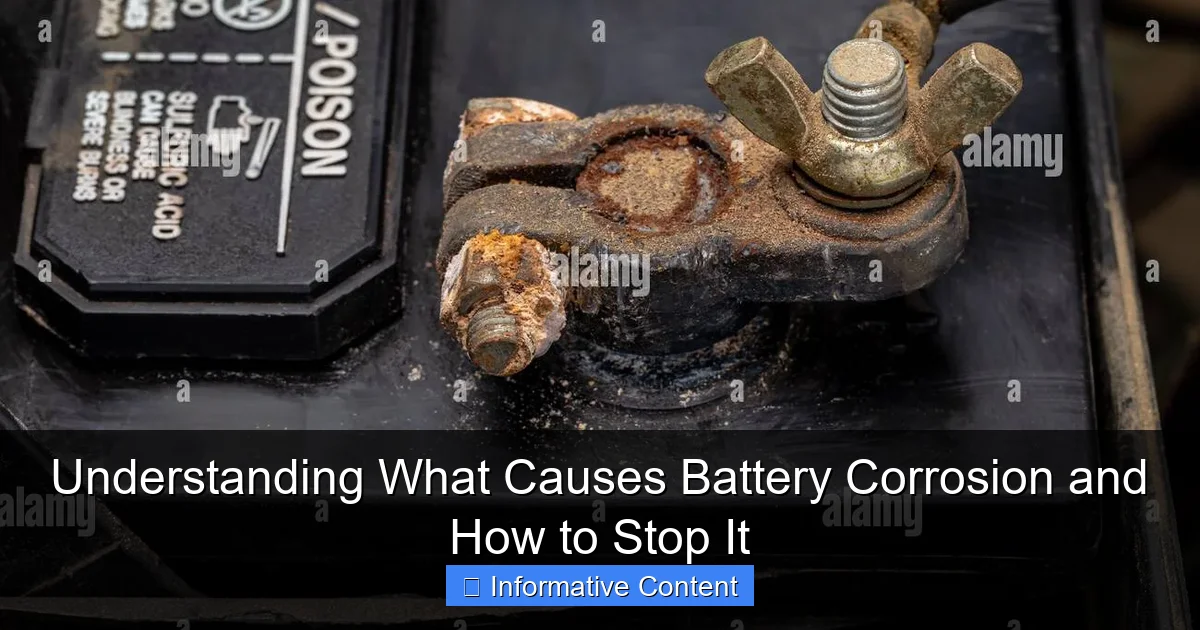
<p>Before we dive into the “why,” let’s clarify what <strong>battery corrosion</strong> actually is. Simply put, it’s a chemical reaction that occurs on the outside of a battery, typically on its terminals (the positive and negative ends) or the surrounding casing. It’s usually caused by a battery leaking electrolyte, which then reacts with the metal of the battery itself or the device’s contacts.</p>
<h3>The Appearance and Its Meaning</h3>
<ul>
<li><strong>White, Fluffy Crust:</strong> This is the most common sight with alkaline batteries (AA, AAA, C, D). It’s primarily potassium carbonate, a byproduct of the leaked potassium hydroxide electrolyte reacting with carbon dioxide in the air. It often looks like a harmless powder, but it can be quite corrosive.</li>
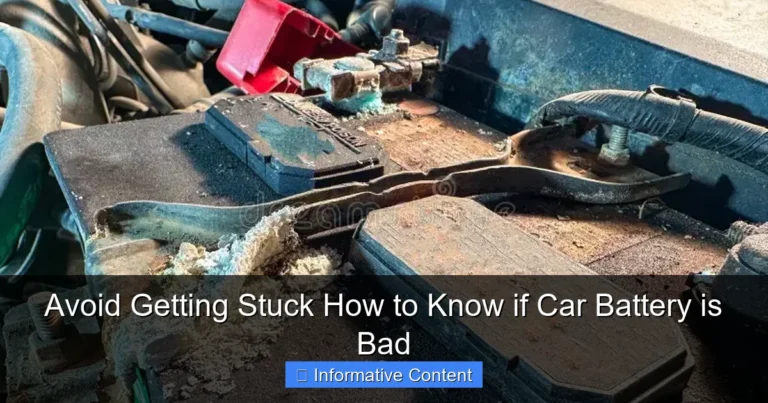
<li><strong>Blue or Green Crust:</strong> You’ll often see this on lead-acid car batteries. This is usually copper sulfate or lead sulfate, resulting from the sulfuric acid leaking and reacting with copper (from cables) or lead (from terminals). These colors indicate more aggressive corrosion.</li>
<li><strong>Brown or Black Stains:</strong> Less common for typical household batteries but can sometimes indicate overheating or severe breakdown of battery components.</li>
</ul>
<p>Regardless of the color, <strong>battery corrosion</strong> acts as an insulator, blocking the electrical current. This means your device won’t get the power it needs, leading to intermittent functionality or complete failure. If left untreated, the corrosive substances can even eat away at the device’s internal components, rendering it useless.</p>
<h2>The Primary Culprit: Electrolyte Leaks and Gas Buildup</h2>
<p>At its core, <strong>battery corrosion</strong> is often a symptom of the battery’s internal chemistry escaping its intended confines. Different battery types have different chemical reactions, but the principle is the same: the corrosive electrolyte gets out.</p>
<h3>Alkaline Batteries: The Leakage Problem</h3>
<p>Most household batteries are alkaline. They contain a potassium hydroxide electrolyte. Over time, or under certain conditions, the thin metal casing of these batteries can degrade. This allows the alkaline electrolyte to leak out. When this electrolyte comes into contact with the air (specifically carbon dioxide) and the metal terminals, it forms the white, crusty potassium carbonate <strong>battery corrosion</strong> we often see.</p>
<ul>
<li><em>Over-Discharge:</em> When an alkaline battery is completely drained, or left in a device for too long, chemical reactions inside can build up gas pressure, which forces the electrolyte out through tiny seals.</li>
<li><em>Overheating:</em> High temperatures accelerate the chemical reactions and can compromise the battery’s seals, leading to leaks.</li>
<li><em>Manufacturing Defects:</em> Occasionally, a battery might have a subtle flaw in its casing or seals, making it prone to premature leakage.</li>
</ul>
<h3>Lead-Acid Batteries: Sulfation and Gas Vents</h3>
<p>Car batteries, deep-cycle batteries, and some UPS systems use lead-acid technology with sulfuric acid as the electrolyte. Here, corrosion is often linked to the normal venting of hydrogen gas and acid mist.</p>
<ul>
<li><em>Overcharging:</em> If a lead-acid battery is overcharged, it produces excess hydrogen gas. This gas, along with a fine mist of sulfuric acid, can escape through the battery’s vent caps. This acid mist then condenses on the battery terminals and cables, initiating <strong>battery corrosion</strong>.</li>
<li><em>Loose Connections:</em> A loose battery terminal connection can create resistance, which generates heat. This heat can cause the electrolyte to gas off more aggressively, contributing to corrosion.</li>
<li><em>Battery Age:</em> As lead-acid batteries age, their internal components can degrade, leading to increased gassing and a higher likelihood of leaks.</li>
</ul>
<h2>Environmental and Usage Factors That Accelerate Corrosion</h2>
<p>While the internal chemistry is the primary cause, external factors play a significant role in speeding up or initiating <strong>battery corrosion</strong>. Think of these as environmental stressors that push a battery past its breaking point.</p>
<h3>Heat and Humidity</h3>
<p>Batteries, especially those not designed for extreme conditions, don’t like heat. High temperatures accelerate the chemical reactions inside batteries, increasing the risk of electrolyte leakage in alkaline cells and excessive gassing in lead-acid batteries. High humidity provides moisture, which can react with leaked electrolytes and also facilitate the corrosive process on metal surfaces.</p>
<h3>Vibration and Physical Damage</h3>
<p>For car batteries or batteries in power tools, constant vibration can loosen terminal connections. Loose connections generate heat and can also physically stress the battery’s seals and casing, making them more susceptible to leaks and subsequent <strong>battery corrosion</strong>. Any physical impact or damage to the battery casing can also compromise its integrity, leading to leaks.</p>
<h3>Improper Storage and Mixing Batteries</h3>
<p>Storing batteries in extreme temperatures (hot or cold) can shorten their lifespan and increase the risk of leakage. Also, mixing old and new batteries, or different brands, in the same device can be a recipe for trouble. Batteries discharge at different rates, and the weaker battery can be forced into over-discharge, leading to leaks and <strong>battery corrosion</strong>.</p>
<h2>How to Safely Clean Battery Corrosion</h2>
<p>Finding <strong>battery corrosion</strong> doesn’t have to mean throwing out your device. Often, it can be safely cleaned. However, safety is paramount, as battery chemicals can be harmful.</p>
<h3>Safety First!</h3>
<ul>
<li><strong>Gloves:</strong> Always wear protective gloves (rubber or latex) to prevent skin contact.</li>
<li;><strong>Eye Protection:</strong> Goggles are a must, especially when dealing with car batteries, as acid can splash.</li>
<li><strong>Ventilation:</strong> Work in a well-ventilated area.</li>
<li><strong>No Bare Hands:</strong> Avoid touching the corrosive material directly.</li>
</ul>
<h3>Cleaning Alkaline Battery Corrosion (White Crust)</h3>
<p>For household batteries, the corrosion is typically mild. Here’s what you do:</p>
<ol>
<li><strong>Remove Batteries:</strong> Carefully take out the corroded batteries. Dispose of them properly (check local regulations for battery recycling).</li>
<li><strong>Neutralize:</strong> Dip a cotton swab or old toothbrush into white vinegar or lemon juice. These mild acids will neutralize the alkaline corrosion. You might see some fizzing – that’s normal!</li>
<li><strong>Scrub Gently:</strong> Gently scrub the corroded terminals and contacts until the white crust is gone.</li>
<li><strong>Clean and Dry:</strong> Wipe the area with a damp cloth (use plain water) to remove any residue, then thoroughly dry it with a clean cloth or let it air dry completely before inserting new batteries.</li>
</ol>
<h3>Cleaning Lead-Acid Battery Corrosion (Blue/Green Crust)</h3>
<p>This type of corrosion is more aggressive and requires a stronger neutralizing agent.</p>
<ol>
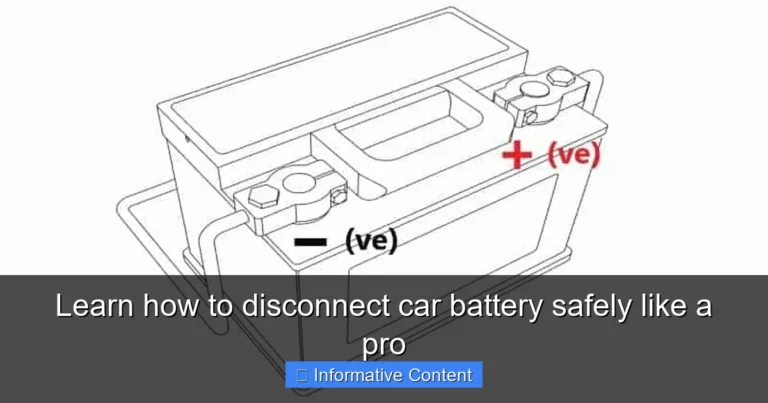
<li><strong>Disconnect Battery:</strong> Always disconnect the negative terminal first, then the positive, to avoid electrical shorts.</li>
<li><strong>Neutralize:</strong> Mix a tablespoon of baking soda with a cup of water to create a paste. Apply this paste generously to the corroded areas with an old toothbrush. The baking soda will neutralize the sulfuric acid, and you’ll see it bubble and fizz.</li>
<li><strong>Scrub and Rinse:</strong> Scrub away the corrosion. Once clean, rinse the terminals with plain water. Be careful not to get water into the battery cells.</li>
<li><strong>Dry Thoroughly:</strong> Dry the terminals completely with a rag or compressed air before reconnecting the battery (positive first, then negative).</li>
</ol>
<h2>Prevention is Key: Stopping Battery Corrosion Before It Starts</h2>
<p>Cleaning up <strong>battery corrosion</strong> is good, but preventing it from happening in the first place is even better. A few simple habits can save you a lot of hassle and extend the life of your devices.</p>
<h3>Proper Battery Handling and Storage</h3>
<ul>
<li><strong>Remove When Not in Use:</strong> For devices you won’t use for extended periods (e.g., flashlights, remotes, toys), remove the batteries. This prevents leakage from over-discharge.</li>
<li><strong>Store Properly:</strong> Keep batteries in a cool, dry place at room temperature. Avoid extreme heat or cold. Store them in their original packaging or in a dedicated battery organizer to prevent short circuits.</li>
<li><strong>Check Expiration Dates:</strong> Use batteries before their expiration date. Older batteries are more prone to leakage.</li>
<li><strong>Don’t Mix & Match:</strong> Always use the same brand and age of batteries in a device. Never mix rechargeable with non-rechargeable or different chemistries.</li>
</ul>
<h3>Protecting Terminals and Connections</h3>
<ul>
<li><strong>Dielectric Grease:</strong> For car batteries and other heavy-duty applications, applying a thin layer of dielectric grease (also known as silicone grease) to the cleaned battery terminals and cable clamps creates a protective barrier against moisture and air, significantly reducing <strong>battery corrosion</strong>.</li>
<li><strong>Battery Terminal Protectors:</strong> You can also buy felt washers treated with anti-corrosion agents to place under car battery terminals.</li>
<li><strong>Regular Inspection:</strong> Periodically check battery compartments and car battery terminals for any signs of corrosion. Catching it early makes cleaning much easier.</li>
<li><strong>Secure Connections:</strong> Ensure all battery connections are tight and secure to minimize resistance and heat buildup.</li>
</ul>
<h2>When to Replace the Battery or Device</h2>
<p>Sometimes, the damage caused by <strong>battery corrosion</strong> is simply too severe to fix. If the corrosion has spread inside the device beyond accessible contacts, or if the battery itself is visibly swollen, hot to the touch, or severely damaged, it’s time for replacement.</p>
<ul>
<li><strong>Swollen Batteries:</strong> This is a sign of internal failure and can be dangerous. Dispose of swollen batteries immediately and carefully.</li>
<li><strong>Pitted or Eroded Contacts:</strong> If the metal contacts in your device are severely pitted, broken, or eroded from the corrosion, even after cleaning, the electrical connection might be permanently compromised.</li>
<li><strong>Device Malfunction After Cleaning:</strong> If your device still doesn’t work after thoroughly cleaning the corrosion and inserting fresh batteries, the internal circuitry might be damaged.</li>
</ul>
<p>It’s always better to err on the side of caution when dealing with damaged batteries or devices that have suffered extensive <strong>battery corrosion</strong>. Replacing them can prevent further hazards or disappointment.</p>
<h2>Conclusion: Taking Charge of Your Batteries</h2>
<p>Finding <strong>battery corrosion</strong> is a common occurrence, but it doesn’t have to be a mystery or a permanent problem. By understanding that it’s primarily caused by electrolyte leaks or gas buildup, often accelerated by environmental factors, you’re already halfway to solving the issue.</p>
<p>Remember, cleaning corrosion is manageable with the right safety precautions and household items like vinegar or baking soda. More importantly, adopting simple preventative measures – like removing batteries from unused devices, proper storage, and using protective greases – can dramatically reduce your chances of encountering that frustrating fuzzy crud again. So go ahead, check your remotes, inspect your car battery, and keep those power sources clean and efficient. Your devices (and your wallet) will thank you!</p>
Key Takeaways
- Battery leaks: are the primary cause of corrosive buildup.
- Overcharging: produces gases that induce terminal corrosion.
- Moisture exposure: greatly accelerates terminal and contact corrosion.
- Store properly: in cool, dry places to prevent battery leaks.
- Use correct chargers: to avoid overcharging and gas release.
- Apply dielectric grease: for a protective barrier on terminals.
Frequently Asked Questions
What is battery corrosion and what does it look like?
Battery corrosion is the result of leaked electrolyte reacting with air and metal terminals, typically appearing as a white, powdery, or crystalline substance. It often forms around the battery terminals or inside the battery compartment of electronic devices.
What are the primary causes of battery corrosion?
Battery corrosion is mainly caused by the leakage of the battery’s internal chemicals, known as electrolytes. This leakage typically occurs when batteries are overcharged, discharged too deeply, left in devices for extended periods, or reach the end of their lifespan, leading to pressure buildup and seal failure.
Why do batteries leak, often resulting in battery corrosion?
Batteries leak due to a combination of factors, including age, extreme temperatures, or being left in a device for too long, especially after they are fully discharged. When a battery discharges completely, internal chemical reactions can produce hydrogen gas, which builds pressure and can eventually break the battery’s seal, allowing the corrosive electrolyte to escape.
Is battery corrosion dangerous, and what are the potential hazards?
Yes, battery corrosion can be dangerous. The leaked electrolyte is a corrosive substance that can cause skin irritation, chemical burns, or eye damage upon contact, and inhaling its fumes can also be harmful. Always handle corroded batteries with gloves and eye protection in a well-ventilated area.
How can I prevent battery corrosion in my devices?
To prevent battery corrosion, always remove batteries from devices that won’t be used for an extended period or from those with low battery indicators. Store batteries in a cool, dry place and avoid mixing old and new batteries or different battery types, as this can accelerate leakage.
Can battery corrosion permanently damage my electronic devices?
Yes, battery corrosion can indeed cause significant and sometimes permanent damage to electronic devices. The corrosive chemicals can eat away at circuit boards, metal contacts, and other internal components, leading to electrical shorts or complete device malfunction if not cleaned promptly.