Jump Starter Versus Jumper Cables: Which Is Better for You?
Choosing between a jump starter vs jumper cables can seem tricky at first. Many drivers get confused when their car battery dies. You might feel overwhelmed by all the choices and not know which tool is right. Don’t worry, we’ll break down everything you need to know in a clear, easy-to-follow way. We’ll explore what each tool is, how they work, and help you decide which one best suits your needs. Keep reading to find a solution to get your car running again!
What Are Jumper Cables?
Jumper cables are a simple, reliable way to jump-start a dead car battery. They’re basically thick wires with clamps on each end. These clamps connect to the battery terminals of your car and a working battery, allowing power to flow and start your engine. This is a common method used when your car’s battery fails to start the engine, a scenario many car owners face at some point. It’s a tried-and-true method that has been used for decades.
How Jumper Cables Work
Jumper cables facilitate the transfer of electrical power from a good battery to a dead one. This process requires two cars: one with a functioning battery (the “donor” car) and another with a dead battery. The cables are connected in a specific order to ensure safety and prevent damage. This process involves precise connections to transfer the required electrical power to the dead battery.
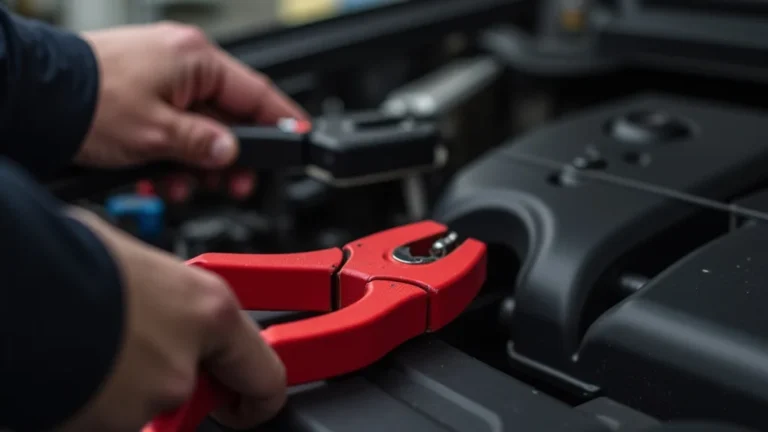
- Connecting the Cables: The first step is to connect the red (positive) clamp to the positive (+) terminal of the dead battery. Then, connect the other red clamp to the positive (+) terminal of the donor car’s battery. Next, connect the black (negative) clamp to the negative (-) terminal of the donor car’s battery. Finally, attach the last black clamp to a bare metal surface (like an unpainted bolt) on the disabled car’s engine block.
- Starting the Donor Car: After the cables are connected, start the donor car and let it run for a few minutes. This allows the donor car’s battery to send some power to the dead battery. Allowing power to flow helps to energize the dead battery.
- Attempting to Start the Disabled Car: Try to start the car with the dead battery. If it doesn’t start immediately, let the donor car run for a few more minutes, then try again. If it is working well, the engine should turn over.
- Disconnecting the Cables: Once the disabled car starts, carefully disconnect the jumper cables in the reverse order they were connected. Be sure to avoid contact between the clamps. This is an important step to prevent shorts.
This process highlights the need for another vehicle, which is a major point when comparing jump starter vs jumper cables. The method is efficient but depends on the availability of a working vehicle to lend the necessary power. The use of jumper cables ensures that the dead battery can be charged with power from another vehicle.
Safety Precautions When Using Jumper Cables
Using jumper cables safely is crucial to prevent damage to your car or injury to yourself. Always follow these safety measures to minimize risks. It is important to know the correct procedure to keep everyone safe during the process.
- Wear Eye Protection: Always wear safety glasses or eye protection to guard against sparks or battery acid. Protecting your eyes should be a top priority.
- Check Battery Terminals: Make sure the battery terminals are clean and free of corrosion. Corrosion can prevent a good connection and make it harder to start the car.
- Avoid Contact: Don’t let the clamps touch each other or any other metal parts of the car while connected. This can cause a short circuit. Short circuits can damage the electrical system.
- Never Jump a Frozen Battery: Avoid trying to jump-start a frozen battery. It could explode. A frozen battery can be extremely dangerous.
- Ventilation: Make sure you are in a well-ventilated area to reduce the risk of hydrogen gas buildup. Proper ventilation is very important.
The correct implementation of safety precautions ensures that the process is efficient and free from risk. By following these, one can safely and successfully jump-start a car using jumper cables.
What Is a Jump Starter?
A jump starter is a portable device that contains its own battery, providing an independent power source to jump-start a car. It’s essentially a portable battery pack with jumper cables built-in or attached. They are especially useful when there is no other vehicle available to jump your car. Jump starters have become very popular due to their convenience.
How a Jump Starter Works
A jump starter provides power directly to your car’s battery without needing another vehicle. It works in a similar way to jumper cables, but with a self-contained power supply. These units are designed to be user-friendly, providing a convenient solution for starting a car with a dead battery. The process is straightforward, ensuring that even beginners can easily use them. The internal components of a jump starter are designed to deliver a specific amount of power.
- Connect the Cables: Attach the positive (+) clamp of the jump starter to the positive (+) terminal of your car’s battery, and the negative (-) clamp to the negative (-) terminal. Make sure you match the colors.
- Turn On the Jump Starter: Activate the jump starter. Most units have an on/off switch or a button you need to press. This action activates the power supply.
- Attempt to Start the Car: Try to start your car. If the jump starter has enough power, your engine should turn over. If you have enough power, you will feel and hear the motor come to life.
- Disconnect the Cables: Once your car starts, disconnect the clamps from the car battery terminals. Usually, you should disconnect in reverse order.
The process is designed for quick and easy use, making jump starters a valuable tool for anyone. With no need for another vehicle, they provide a flexible solution for any situation.
Advantages of Using a Jump Starter
Jump starters provide several advantages over traditional jumper cables. These include independence, portability, and built-in safety features, which contribute to a more convenient and safe experience. These are a great feature when considering jump starter vs jumper cables, providing key benefits.
- Independence: You don’t need another car to jump-start yours. This is a game changer when you’re alone or in a remote area. The independence factor is a strong point.
- Portability: They are small and easy to carry, and you can store them in your car. Portability makes it convenient.
- Safety Features: Most jump starters have built-in safety features like reverse polarity protection and short-circuit protection. These features prevent damage to your car.
- Additional Features: Many models also include USB ports for charging phones and LED flashlights, providing additional utility. They can serve many purposes.
- Ease of Use: They’re very simple to use, even if you are not car-savvy. Their user-friendly interface is appreciated by everyone.
The features mentioned above emphasize why jump starters are quickly becoming the preferred option for many drivers. They provide a versatile, safe, and convenient solution for any car owner.
Comparing Jump Starter Versus Jumper Cables
Choosing between a jump starter and jumper cables depends on your needs and preferences. Each has pros and cons. Examining the following factors helps make an informed decision when comparing jump starter vs jumper cables.
| Feature | Jumper Cables | Jump Starter |
|---|---|---|
| Cost | Generally less expensive | Can be more expensive initially |
| Ease of Use | Requires another vehicle and a basic level of knowledge. | Simpler to use, no need for another car |
| Portability | Relies on another vehicle; limited portability. | Highly portable; can be carried in a vehicle |
| Convenience | Dependent on another vehicle being available. | Very convenient; can be used anytime, anywhere. |
| Additional Features | No additional features. | Often includes USB charging, LED flashlight, etc. |
| Safety | Risk of incorrect connections if instructions aren’t followed. | Built-in safety features like reverse polarity protection. |
The comparison provided above highlights the differences. This information helps drivers choose the option best suited for their needs. The right choice depends on your specific requirements and driving conditions.
Cost Considerations
The initial cost is a key factor when making a decision. Jumper cables are typically much cheaper than jump starters. The price can be a deciding factor for many people when choosing between jump starter vs jumper cables.
- Jumper Cables: Jumper cables are generally inexpensive, costing between $10 and $30. This low cost is a major benefit for many people.
- Jump Starters: Jump starters vary in price depending on features and power. Basic models can start around $50, while higher-end models can cost $150 or more. The additional features will raise the price.
Cost is a simple matter of comparing how much you’re willing to invest upfront. Consider your needs and how often you will be needing a jump start.
Convenience and Ease of Use
Convenience and ease of use are important when deciding between jumper cables and jump starters. They both have pros and cons in this area. It’s an important factor to explore when comparing jump starter vs jumper cables.
- Jumper Cables: Jumper cables require another vehicle, which might not always be accessible. You also need to know the correct order for the connection. Using jumper cables needs another vehicle to be useful.
- Jump Starters: Jump starters are easy to use. Just connect the clamps, turn it on, and start your car. This makes them very convenient.
Ease of use is essential, especially in emergencies. Jump starters make the process very straightforward and simple.
Portability and Flexibility
Portability and flexibility influence the ease with which you can deal with a dead battery. Consider how often you’ll be driving or in situations where you might not have access to another car. This is a critical point when evaluating jump starter vs jumper cables.
- Jumper Cables: Jumper cables rely on another car, limiting their portability. This can be a significant drawback. Jumper cables are not ideal for use when you are alone.
- Jump Starters: Jump starters are portable and can be carried in your car, making them ideal for any situation. They are very convenient for use when you are alone.
Portability makes jump starters useful in any location. Their flexible nature is a considerable advantage for many drivers.
Choosing the Right Tool for You
The ideal choice between a jump starter and jumper cables depends on your specific needs and driving habits. Think about how often you drive and your typical driving environment. The best choice is the one that fits your lifestyle. This decision is crucial for anyone pondering jump starter vs jumper cables.
- Consider Your Budget: If you’re on a tight budget, jumper cables might be the better choice. They’re much more affordable.
- Think About Your Driving Environment: If you often drive in remote areas or where getting help is difficult, a jump starter is a smart choice.
- Assess Your Needs: Do you want the convenience of starting your car without needing someone else? A jump starter could be right for you.
- Evaluate Your Skills: Are you comfortable with the process of connecting jumper cables? If not, a jump starter might be easier.
Selecting the correct tool needs a quick assessment of your circumstances. Think about what works best for your situation and what you value most.
Situations Where a Jump Starter Is Best
Jump starters shine in specific scenarios where their advantages are most beneficial. They offer convenience and independence, making them essential. Recognizing the ideal use cases will guide your selection. This reinforces the value of jump starter vs jumper cables.
- Remote Locations: If you drive in areas where help is not easily available, a jump starter is essential. You won’t have to wait for help.
- Emergency Situations: In emergencies, like a dead battery at night, a jump starter offers immediate solutions. Immediate solutions can be very helpful.
- Frequent Battery Problems: If you have an older car or a battery that often dies, a jump starter provides a quick fix. Having a jump starter makes things easy.
- Solo Drivers: If you are often alone, a jump starter removes the need to find someone else to help. It allows you to take charge.
The situations above are ideal for those seeking maximum convenience and independence. These drivers will find jump starters highly valuable.
When Jumper Cables Might Be Sufficient
Jumper cables still have their place in some scenarios, particularly where help is easily accessible. They remain a viable option, depending on your circumstances. Understanding the scenarios can guide your selection when looking at jump starter vs jumper cables.
- Urban Settings: If you live in a city or area with easy access to assistance, jumper cables may work. Help may be available.
- Occasional Use: If you rarely have battery issues, jumper cables can be sufficient. You may not need a jump starter.
- Budget Considerations: If cost is your primary concern, jumper cables provide a more affordable solution. They can save money.
- Availability of Assistance: If you have family or friends nearby who can help, jumper cables are a quick choice. Help is very valuable.
The above scenarios highlight when jumper cables are a practical choice. Jumper cables work well when help is easy to obtain and money is tight.
Frequently Asked Questions
Question: Can a jump starter damage my car?
Answer: Modern jump starters usually have safety features like reverse polarity protection and overcharge protection to prevent damage to your car’s electrical system.
Question: How long does a jump starter battery last?
Answer: The lifespan of a jump starter battery depends on usage and care. Most have a lifespan of several years if maintained properly and charged regularly.
Question: Can I jump-start a diesel engine with a jump starter?
Answer: Yes, but you need a jump starter with enough cranking amps. Choose a jump starter with the amps needed for your diesel engine.
Question: How often should I charge my jump starter?
Answer: You should charge your jump starter every few months, even if you don’t use it. This helps maintain the battery’s health and ensures it’s ready when you need it.
Question: Is it safe to leave a jump starter in my car in hot or cold weather?
Answer: It’s best to store your jump starter in a moderate temperature range. Extreme temperatures can affect the battery’s lifespan. Avoid extreme weather conditions to keep the jump starter in great condition.
Final Thoughts
Deciding between a jump starter vs jumper cables comes down to personal needs. Jumper cables offer a cost-effective solution when another vehicle is available, making them a good option for people on a budget or who live in areas where help is easy to find. Jump starters provide greater independence and convenience. They’re a great choice if you drive alone, in remote areas, or want to avoid relying on others. Consider what works best for you. Make the decision that fits your specific circumstances and driving habits. Choosing the right tool will ensure that you are prepared for unexpected battery issues. With either choice, you’ll be ready to get back on the road when your car’s battery lets you down.