Jump Starter vs Battery Charger Understand The Key Difference

Featured image for jump starter vs battery charger difference
Image source: cdn.pixabay.com
Jump starters provide an immediate, powerful surge to instantly start a dead car, serving as an emergency roadside solution. Conversely, battery chargers deliver a slow, controlled current to fully replenish and maintain your vehicle’s battery over several hours, optimizing its health and longevity. Understand that one is for a quick fix, while the other is for thorough charging and maintenance.
Hey there, fellow driver! Ever been there? You hop into your car, turn the key, and… nothing. Just a sad click, or worse, complete silence. Panic sets in. Is your battery dead? Do you need a jump starter? Or a battery charger? It’s a common scenario, and it often leads to confusion about which tool is the right one for the job. Trust me, you’re not alone in wondering about the core differences between these two seemingly similar, yet fundamentally distinct, devices.
It’s easy to mix them up because both relate to your car’s battery. But understanding the jump starter vs battery charger difference isn’t just about jargon; it’s about knowing how to react in an emergency versus how to maintain your vehicle’s health long-term. Choosing the wrong one can be ineffective at best, and potentially harmful to your battery or vehicle at worst. So, let’s clear up the confusion, shall we? Consider this your friendly guide to mastering the art of battery care and crisis management.
By the end of this read, you’ll not only confidently differentiate a jump starter from a battery charger but also know exactly when and why to use each. We’ll dive deep into their functions, applications, and practical tips, ensuring you’re well-equipped for any battery-related hiccup life throws your way. Let’s explore the essential jump starter vs battery charger difference so you can make informed decisions on the go!
Key Takeaways
- Jump Starter: Provides immediate, high-current burst to start a dead engine.
- Battery Charger: Restores a depleted battery over several hours gradually.
- Choose Jump Starter: For instant roadside rescue of a stranded vehicle.
- Choose Battery Charger: For long-term battery health, maintenance, and full recharge.
- Never Mix Uses: Jump starters aren’t for charging; chargers don’t jump.
- Consider Both: Jump starter for emergencies, charger for preventative care.
- Understand Purpose: Jump starters offer quick power; chargers offer deep restoration.
📑 Table of Contents
What is a Jump Starter and How Does It Work?
Imagine you’re running late, you jump into your car, and it just won’t start. Your battery is completely dead. This is where a jump starter becomes your best friend. A jump starter is essentially a portable power bank specifically designed to deliver a high burst of electrical current directly to your car’s dead battery.
The Emergency Lifeline
Think of a jump starter as an immediate energy shot for your vehicle. It doesn’t charge your battery in the traditional sense; instead, it provides enough power to crank your engine and get it running. Once your engine is started, your car’s alternator takes over, and it then begins to recharge your battery. Modern jump starters are incredibly convenient. Many are compact, lithium-ion powered, and fit easily in your glove compartment or trunk. They’ve replaced the need for another vehicle and bulky jumper cables for many drivers.
Key Features and Portability
Jump starters are designed for quick, on-the-spot use. They typically feature strong clamps to connect to your battery terminals, safety features like reverse polarity protection, and sometimes even built-in flashlights or USB ports for charging other devices. The primary focus of a jump starter is raw, instantaneous power delivery to overcome a dead battery. It’s all about getting you moving again, right then and there. This immediate functionality is a key part of the jump starter vs battery charger difference.
What is a Battery Charger and How Does It Work?
Now, let’s switch gears and talk about battery chargers. Unlike a jump starter, a battery charger is all about patience and a steady, controlled flow of electricity. It’s designed to replenish your car battery’s charge over a period of hours, or even days, bringing it back to full capacity.
The Maintenance Marvel
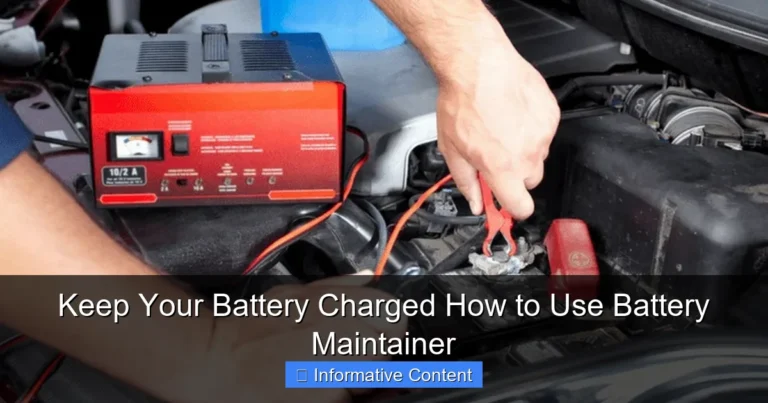
A battery charger works by supplying a specific voltage and current to your battery, slowly topping up its charge. This process is crucial for maintaining battery health, especially for vehicles that aren’t driven frequently, like classic cars, motorcycles, or RVs stored for the winter. It prevents the battery from completely draining, which can extend its lifespan significantly.
Types of Battery Chargers
- Trickle Chargers: These provide a very low, constant current, ideal for long-term maintenance to prevent self-discharge.
- Smart Chargers (or Maintainers): These are more sophisticated. They monitor the battery’s voltage and charge level, automatically adjusting the current and switching to a maintenance mode once the battery is full. This prevents overcharging and optimizes battery health.
- Fast Chargers: While quicker, these can sometimes stress the battery, so they’re often used for quick top-ups rather than full recharges.
The slow and steady approach of a battery charger highlights a major aspect of the jump starter vs battery charger difference; one is quick fix, the other is long-term care.
The Core Difference: Purpose and Function
Let’s get right to the heart of the matter. The most significant jump starter vs battery charger difference lies in their fundamental purpose and how they deliver power to your battery.
Immediate Power vs. Gradual Replenishment
A jump starter is for emergencies. Its sole purpose is to provide enough immediate power to turn over a dead engine. It gives a massive, short burst of energy. Think of it like giving CPR to your car battery – a sudden jolt to get things going. It’s not intended to fully charge your battery; it just provides enough juice to initiate the engine’s combustion process, allowing your alternator to take over.
A battery charger, on the other hand, is a rehabilitation tool. It’s designed to slowly and gently restore a drained or weak battery to its optimal charge level. It’s about nourishment, not resuscitation. It takes time, often several hours, to safely and effectively charge a battery without damaging it. This deliberate process protects the battery’s internal chemistry, ensuring a longer, healthier life.
Speed and Application
The speed of operation is another clear indicator of the jump starter vs battery charger difference. A jump starter works in minutes. You connect it, start the car, and you’re good to go. A battery charger works over hours. You connect it, plug it into an AC outlet, and let it do its job while you wait. One is for immediate road readiness, the other for proactive battery health.
When to Use a Jump Starter
You definitely need a jump starter when your car battery is dead, and you need to get moving right now. It’s the go-to device for sudden, unexpected battery failures.
Sudden Dead Battery Situations
- You left your headlights on overnight.
- The interior lights drained the battery while you were at work.
- Your car has been sitting for a few weeks, and the battery lost its charge.
- In cold weather, batteries can suddenly lose power.
In all these scenarios, a jump starter gets you back on the road without waiting for a tow truck or another vehicle. It’s especially useful if you’re alone or in a remote area. Owning a reliable jump starter can save you from a lot of hassle and stress, truly highlighting its emergency value in the jump starter vs battery charger difference discussion.
Considerations for Safe Jump Starting
Always follow the instructions provided with your specific jump starter. Generally:
- Ensure your vehicle is in park/neutral with the parking brake engaged.
- Turn off all accessories (radio, lights, AC).
- Connect the positive (+) clamp to the positive terminal of the dead battery.
- Connect the negative (-) clamp to a clean, unpainted metal surface on the engine block or chassis, away from the battery.
- Start the jump starter, then try to start your car.
- Once started, disconnect in reverse order.
When to Use a Battery Charger
A battery charger is your tool for prevention and long-term care. It’s perfect for situations where you want to maintain your battery’s health or bring a deeply discharged battery back to life safely.
Preventing Battery Drain and Extending Life
If you have a vehicle that sits idle for extended periods – a weekend car, a motorcycle, a boat, or an RV – a smart battery charger (often called a battery maintainer) is invaluable. It keeps the battery topped off, preventing the gradual self-discharge that naturally occurs and can lead to a dead battery. This proactive approach significantly extends the battery’s lifespan, saving you money on replacements.
Reconditioning a Weak Battery
Sometimes, a battery isn’t completely dead but is just weak or struggling to hold a charge. A battery charger can often recondition it by slowly and carefully bringing it back to a full charge. This is a much gentler and safer process than relying on your car’s alternator to fully charge a deeply discharged battery, which can strain the alternator. This long-term care contrasts sharply with the immediate, emergency fix offered by a jump starter, illustrating another critical jump starter vs battery charger difference.
Choosing the Right Tool: Jump Starter vs Battery Charger
So, which one do you need? The truth is, they serve different, equally important roles. Understanding the jump starter vs battery charger difference helps you decide based on your specific lifestyle and needs.
Assessing Your Driving Habits
- Frequent Driver, Short Trips: If you drive daily but only for short distances, your alternator might not fully charge your battery. A periodic overnight charge with a battery charger could be beneficial. A jump starter is still wise for emergencies.
- Infrequent Driver, Stored Vehicles: If you have vehicles that sit for weeks or months (RV, motorcycle, classic car), a battery maintainer (type of charger) is a must to prevent battery drain. A jump starter is still a good backup for unexpected dead batteries.
- Emergency Preparedness: Everyone should consider having a jump starter. It’s a lifesaver when you’re stranded or need to get going without assistance.
The Value of Having Both
Ultimately, a robust vehicle toolkit often includes both a jump starter and a battery charger. They complement each other perfectly: the jump starter is your emergency bailout, while the battery charger is your proactive battery health guardian. Having both ensures you’re prepared for both sudden failures and long-term maintenance, making you a truly savvy car owner. The critical jump starter vs battery charger difference means that while they both interact with your battery, their roles are distinct and beneficial in different scenarios.
Key Differences at a Glance
To summarize the core jump starter vs battery charger difference, here’s a quick comparison:
| Feature | Jump Starter | Battery Charger |
|---|---|---|
| Primary Purpose | Emergency starting of a dead battery. | Slowly charging and maintaining battery health. |
| Power Delivery | High, instantaneous burst of current. | Low, steady, controlled current over time. |
| Time to Use | Minutes (to start engine). | Hours to days (to fully charge). |
| Portability | Highly portable, often cordless. | Less portable, often requires AC outlet. |
| Requires External Power? | No (self-contained battery). | Yes (plugs into wall outlet). |
| Effect on Battery Life | Gets engine running, but doesn’t fully charge the battery. | Extends battery life by preventing deep discharge and overcharge. |
| Best Use Case | Stranded with a dead battery, immediate need. | Long-term storage, weak battery, preventative maintenance. |
So, there you have it! The next time your car battery gives you trouble, you’ll be able to confidently assess the situation and reach for the right tool, understanding the clear distinction between a jump starter and a battery charger. They both keep you on the road, just in very different ways.
Frequently Asked Questions
What is the fundamental difference between a jump starter and a battery charger?
A jump starter provides a high burst of power to start a dead battery instantly, acting as an emergency rescue tool for immediate vehicle starting. In contrast, a battery charger delivers a steady, lower current over time to replenish or maintain a battery’s charge over hours.
Can a standard battery charger be used to jump start a car?
Generally, no. Most standard battery chargers do not provide enough instantaneous amperage to crank a dead engine effectively. You would need a specialized battery charger with a dedicated “engine start” or “jump start” mode, which delivers the necessary high current for starting.
Is a jump starter capable of fully charging my car battery like a battery charger can?
No, a jump starter is designed for a quick, powerful jolt to get your engine running, not to fully charge a battery. While some advanced jump starters might offer a very slow charging function, their primary purpose is emergency starting, not sustained charging or long-term maintenance.
When should I choose to use a jump starter versus a battery charger?
Use a jump starter when your car battery is completely dead and you need to start your vehicle immediately, for example, if you’re stranded. Opt for a battery charger when your battery is low, but not completely flat, or for regular maintenance charging to extend its lifespan and prevent it from dying.
What are the typical power sources for a jump starter compared to a battery charger?
A jump starter is self-contained and operates on its own internal battery, making it highly portable for roadside emergencies without needing an external power source. A battery charger, conversely, typically requires an external AC power outlet (like a wall socket) to draw electricity and charge your car battery.
Which device, a jump starter or a battery charger, is better for overall car battery maintenance?
A battery charger, especially a “trickle charger” or “battery maintainer,” is far superior for long-term battery maintenance and health. It gently keeps the battery at an optimal charge level, preventing sulfation and extending its lifespan, whereas a jump starter is purely for emergency starting and not regular care.