Jump Starter Polarity Warning Explained for Beginners
Getting your car battery to cooperate can sometimes feel tricky, especially when using a jump starter polarity warning. It’s a common issue because connecting the jumper cables the wrong way can seriously damage your car’s electrical system, or even the jump starter itself. Don’t worry, this isn’t as hard as it seems. We’re going to break down this process step by step, so you can handle a dead battery confidently. Let’s explore how to jump-start your car safely.
What is a Jump Starter Polarity Warning and Why Does It Matter?
A jump starter polarity warning is a safety feature built into most modern jump starters. It’s a warning signal that tells you if the jumper cables are connected incorrectly to your car battery. This is a big deal because batteries have positive (+) and negative (-) terminals. If you mix them up, it’s like sending electricity the wrong way, which can cause sparks, blow fuses, and ruin sensitive electronics in your car. A polarity warning is usually a visual or auditory cue, like a flashing light or a beep, letting you know something is wrong before you can cause any damage. The goal is to make the process safer for everyone.
How a Polarity Protection System Functions
Modern jump starters are equipped with advanced systems to prevent damage. They use a series of sensors and circuits that constantly monitor the connection. If the cables are connected incorrectly, the system detects the reversed polarity. This information immediately triggers the protection system, usually in the form of a warning light or sound, to alert the user. The jump starter won’t attempt to send any current until the connection is corrected. This smart feature helps prevent any electrical mishaps while you are trying to give your car a boost. It’s all about safety and making sure your car (and the jump starter) stay in good shape.
- Reverse Polarity Detection: This is the primary function. The jump starter’s circuits detect when the positive and negative clamps are connected to the wrong terminals. If reversed, the system immediately shuts down the current flow and activates the warning.
- Over-Current Protection: Some jump starters have protection against excessive current. If there is a short circuit, or if the jump starter is trying to supply more power than the battery can handle, this feature kicks in. It cuts off the power to prevent damage to the jump starter and the vehicle’s electrical system.
- Built-in Fuses: Many jump starters incorporate internal fuses. These are designed to break the circuit if there is an overload or short circuit. They act as a last line of defense, preventing the jump starter from being damaged and minimizing the risk to the vehicle.
- Voltage Monitoring: The system monitors the voltage of the battery being charged. This is important to ensure that the battery is being charged safely and efficiently. If the voltage is too high or too low, the system may shut down or adjust the output to prevent damage.
Identifying the Terminals on Your Car Battery
Before you even think about connecting a jump starter, you need to know which terminals are which on your car battery. The positive terminal is usually marked with a plus sign (+) and is typically red. The negative terminal is marked with a minus sign (-) and is usually black. Sometimes, the terminals themselves are color-coded to match the colors of the jumper cables. Make sure you are able to correctly recognize them.
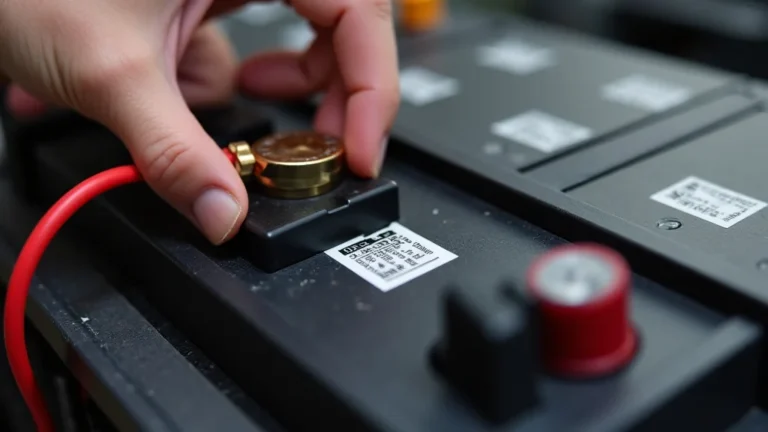
The image above illustrates a typical car battery terminal arrangement. The positive (+) terminal is on the right side in this example, distinguished by its red color and “+” marking. The negative (-) terminal, is on the left, identified by black color and “-” marking. The image clearly indicates the positive terminal, the negative terminal, and the battery’s overall structure.
- The Positive Terminal: Always indicated by a plus (+) sign. It’s usually red or has a red cover. The positive terminal is where the electricity flows out of the battery.
- The Negative Terminal: Always indicated by a minus (-) sign. It’s usually black or has a black cover. The negative terminal is where the electricity returns to the battery.
- Terminal Location Variations: The location of the terminals can vary. They can be on the top or side of the battery, so always look for the plus and minus symbols.
- Terminal Cleanliness: Make sure the terminals are clean and free from corrosion. Corrosion can prevent a good electrical connection.
Using a Jump Starter Safely: Avoiding a Jump Starter Polarity Warning
Using a jump starter can seem intimidating at first, but following these steps will help you avoid the dreaded jump starter polarity warning and get your car running. You need to be methodical and careful, and you’ll be fine. Let’s get started, so you can boost your car’s engine when needed.
Step-by-Step Guide to Jump Starting Your Car
To avoid triggering the jump starter polarity warning, it’s crucial to connect the cables in the correct order. Here’s a simple, easy-to-follow guide to jump starting your car.
- Prepare the Jump Starter: Make sure the jump starter is fully charged. Check the manual for specific instructions on how to turn it on and get it ready to use.
- Locate the Batteries: Find your car’s battery and the battery of the car you’re using to jump-start with (if applicable). Make sure both vehicles are turned off.
- Connect the Positive Clamps: Take the red positive (+) cable from the jump starter and attach it to the positive terminal of your car’s battery. Then, attach the other end of the red cable to the positive terminal of the jump starter.
- Connect the Negative Clamps: Connect the black negative (-) cable from the jump starter to a bare metal part of your car’s engine block or frame, away from the battery. Be cautious not to connect it directly to the negative terminal of the dead battery.
- Start the Car: Turn on your car. If it starts, let it run for a few minutes. If it doesn’t start, check the connections. Ensure the terminals are secure. If necessary, allow the jump starter to charge your battery for a few more minutes before trying to start the car again.
- Disconnect the Cables: After your car is running, carefully disconnect the cables in reverse order. First, remove the black cable from the car’s frame, then the black cable from the jump starter. Finally, remove the red cables from both the jump starter and your car’s battery.
Troubleshooting Common Issues
Sometimes, even if you follow the steps perfectly, you might run into problems. Don’t worry; here are some common issues and how to deal with them.
- The Jump Starter Polarity Warning is Active: If the warning light or sound goes off, immediately disconnect the cables. Double-check your connections, making sure the red cable is on the positive terminal and the black cable is on the negative terminal.
- Car Won’t Start: Make sure the cables are making a good connection. Try wiggling the clamps slightly to improve contact. Let the jump starter charge the battery for a few minutes and try again.
- Jump Starter Isn’t Working: Check if the jump starter is charged. If it’s fully charged and still not working, it may have a problem. Review the device’s manual or consider using a different jump starter.
- Sparks When Connecting Cables: This can be a sign of a bad connection or a short circuit. Immediately disconnect the cables and re-examine your connections. Make sure the clamps are securely attached to the terminals.
Understanding Jump Starter Features and Safety Mechanisms
Jump starters are not all created equal. There are different features and safety mechanisms that can protect you and your car. These features make the entire process more safe and effective. It’s smart to know what you are dealing with before using a jump starter.
Important Jump Starter Safety Features
Modern jump starters come with many safety features. Understanding these will help you choose the right jump starter and use it safely.
- Reverse Polarity Protection: This is the most essential safety feature. It prevents damage if you connect the clamps backward, activating the jump starter polarity warning.
- Overcharge Protection: This feature prevents the jump starter from overcharging the battery, which can damage it. It usually monitors the voltage and stops charging when the battery is full.
- Over-Current Protection: This protects the jump starter and the car from excessive current. If there’s a short circuit, this feature cuts off the power immediately.
- Spark-Proof Design: Many jump starters have a spark-proof design to prevent sparks when connecting the clamps, which minimizes the risk of explosions.
- Short Circuit Protection: Similar to over-current protection, this feature detects and prevents short circuits, protecting both the jump starter and the vehicle’s electrical system.
Comparing Jump Starters and Selecting the Right One
Choosing the right jump starter depends on your needs. Consider these things when deciding.
| Feature | Budget Jump Starters | Mid-Range Jump Starters | Premium Jump Starters |
|---|---|---|---|
| Power Output | Low (e.g., 400-600 Amps) | Medium (e.g., 800-1200 Amps) | High (e.g., 1500+ Amps) |
| Safety Features | Basic Reverse Polarity Protection | Reverse Polarity, Overcharge, Over-Current Protection | Reverse Polarity, Overcharge, Over-Current, Spark-Proofing, Short Circuit Protection |
| Additional Features | LED Flashlight | LED Flashlight, USB Charging Ports | LED Flashlight, USB Ports, LCD Display |
| Price | $30-$70 | $70-$150 | $150+ |
For most vehicles, a mid-range jump starter is a good choice. If you have a larger vehicle or live in a cold climate, a jump starter with higher power output is wise. Always check the safety features to make sure it has reverse polarity protection. It’s a key attribute. The jump starter’s peak amps, or the maximum power it can deliver, is a critical number. The higher the amps, the more powerful the jump starter. This is critical for vehicles with larger engines or those in cold climates where batteries have less power. Think about it!
Advanced Tips and Best Practices
To use a jump starter safely, you should know more than just the basics. Here are some extra tips that will make you a jump-start expert.
Optimal Jump Starting Conditions and Procedures
To get the best results, it’s best to jump-start your car under the right conditions. This helps avoid the jump starter polarity warning and ensures the process is smooth and safe.
- Temperature Considerations: Cold weather can drain a battery’s power. If it’s cold, a jump starter with higher power output is beneficial. Warm temperatures make jump starting easier.
- Battery Age: An old battery might not hold a charge very well. If your battery is more than a few years old, it might be time to replace it, even if you can jump-start it.
- Vehicle Compatibility: Review your jump starter’s manual to ensure it is suitable for your car. Some advanced electrical systems can be sensitive, so it is important to be sure it is appropriate.
- Avoid Jump Starting Near Flammable Materials: Never jump-start near flammable materials such as gasoline. Keep the area clean and free of potential hazards.
Long-Term Battery Maintenance and Preventative Measures
Preventative steps can help you avoid needing a jump start in the first place.
- Regular Battery Testing: Have your battery tested regularly. Many auto parts stores offer this service for free.
- Battery Terminal Maintenance: Clean your battery terminals regularly to prevent corrosion. You can use a terminal cleaner or a mixture of baking soda and water.
- Reduce Electrical Load: Avoid using too many electrical devices at once when your car is off. This can drain your battery.
- Battery Charging: If your car will be sitting for an extended period, consider using a battery charger to keep the battery charged.
Frequently Asked Questions
Question: What does a jump starter polarity warning look like?
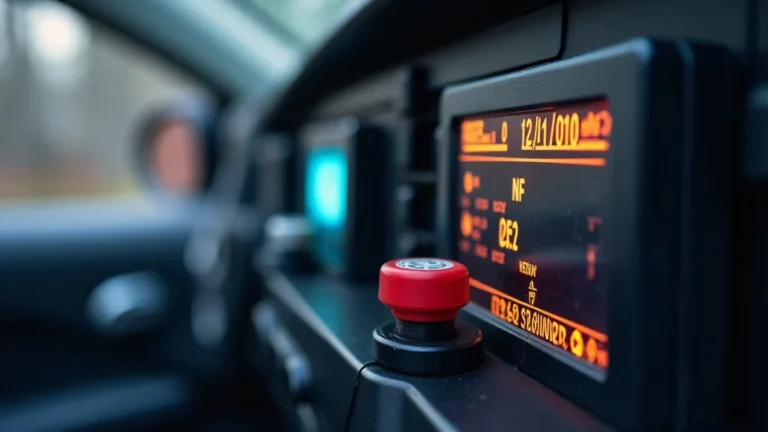
Answer: It can be a light, a sound, or a message on a display that tells you the cables are reversed.
Question: Can I damage my car if I connect the jump starter cables backward?
Answer: Yes, you can. You might blow fuses or damage sensitive electronics.
Question: What should I do if the jump starter polarity warning activates?
Answer: Immediately disconnect the cables and double-check your connections.
Question: Are jump starters safe to use?
Answer: Yes, but only if used correctly. Ensure you understand the safety features.
Question: Can I jump-start any car with any jump starter?
Answer: No, check the jump starter’s manual for compatibility with your vehicle. The jump starter’s power output (amps) should also be sufficient for your car.
Final Thoughts
Learning about jump starter polarity warnings and how to use a jump starter is a useful skill that can save you a lot of hassle. By understanding the positive and negative terminals, following the correct cable connection order, and knowing what safety features to look for, you can jump-start your car with confidence. Remember to double-check everything, take your time, and be cautious. When you next find yourself facing a dead battery, you’ll be able to handle it safely and effectively. You’re now equipped to take charge of a common car problem!