Jump Starting a Diesel Car Made Simple and Safe
Getting a jump starter for diesel car can seem tricky if you’re new to car maintenance. Diesel engines need more power to start than gasoline engines, so you need the right tool for the job. Don’t worry, though; it’s easier than you might think! This guide will walk you through everything, making sure you know what to do at every step. Let’s explore how to get your diesel car running again without any hassle.
Choosing the Right Jump Starter
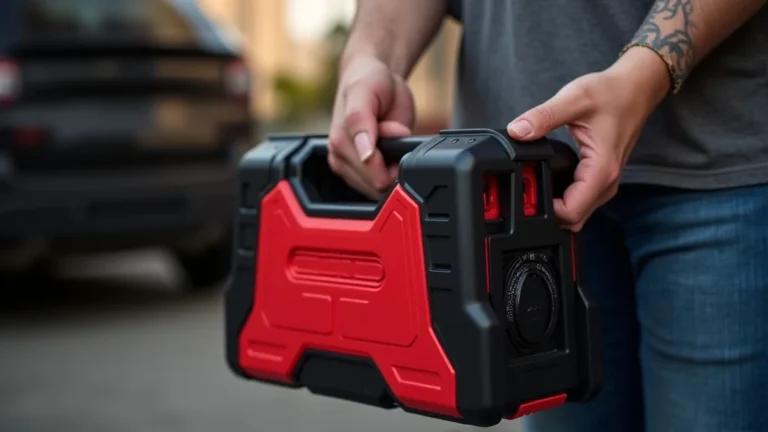
Selecting the right jump starter is super important for a diesel car. Diesel engines require more cranking amps to start compared to their gasoline counterparts, mainly because they have higher compression ratios. This means the engine’s internal components need a lot more power to turn and get going. If you use a jump starter that doesn’t provide enough power, it won’t be able to crank the engine, leaving you stranded. Different jump starters come with various features like battery capacity, protection circuits, and additional functionalities like USB charging ports. So, selecting the correct one is vital for your vehicle’s safety and effectiveness.
Power Requirements Explained
The core specification to consider when buying a jump starter is the cranking amps (CA) or peak amps. Cranking amps represent the amount of current a jump starter can deliver for 30 seconds at 32 degrees Fahrenheit (0 degrees Celsius). This is the power needed to start the engine. Peak amps, on the other hand, indicate the maximum current the jump starter can supply, typically for a very short period. For a diesel car, you’ll need a jump starter with a higher CA/peak amps rating, often starting at 800 CA or higher, depending on the engine size and ambient temperature.
-
Cranking Amps (CA): This measures how much power the jump starter can deliver for 30 seconds at 32°F. It’s the most critical number for starting the engine.
A higher CA number is vital for diesel engines. It ensures the starter has sufficient power to crank the engine in colder conditions or with larger diesel engines that have high compression ratios. A jump starter with a high CA rating is essential for reliably starting diesel cars.
-
Peak Amps: This indicates the maximum amount of current the jump starter can release for a very brief period.
Peak amps are not as important as cranking amps, but they can give you an idea of the jump starter’s overall capability. A higher peak amp rating can indicate the jump starter can handle the initial surge of power needed to start a vehicle with a weak battery.
-
Battery Capacity: The battery capacity, measured in milliamp hours (mAh) or watt-hours (Wh), shows how long the jump starter can provide power.
A higher battery capacity means the jump starter can jump-start your car multiple times before needing a recharge. This is particularly useful if you frequently need to jump-start or plan to use the jump starter for other devices.
Key Features to Look For
When shopping for a jump starter for your diesel car, look for features that enhance safety, ease of use, and convenience. Built-in safety features like reverse polarity protection are vital to prevent damage to your car’s electrical system if the clamps are connected incorrectly. Furthermore, consider a jump starter with a digital display to show battery charge status. Added features such as USB charging ports offer extra utility.
-
Reverse Polarity Protection: This feature prevents damage if you connect the clamps backward. It’s a must-have for safe operation.
Reverse polarity protection is a critical safety feature that instantly detects and prevents the flow of electricity if the clamps are connected to the wrong terminals on the car’s battery. Without this protection, connecting the jump starter backward could cause significant damage to the car’s electronics.
-
Overcurrent Protection: This shields the jump starter and your car from excessive current flow, which can be caused by a short circuit.
Overcurrent protection acts as a safeguard against a sudden, dangerous surge of electrical current. If the jump starter senses more current than it can handle, it will cut off the power, preventing the risk of fires or damage.
-
Built-in LED Flashlight: Very useful for jump-starting in low-light conditions.
An integrated LED flashlight provides illumination when jump-starting your car. It helps you see the battery terminals and connections, especially in poorly lit areas or at night, making the process much safer and more convenient.
-
USB Charging Ports: Allows you to charge your phone or other devices.
USB charging ports can provide a convenient way to charge smartphones, tablets, and other portable devices. This feature offers additional value and can be very handy when you are far from a power outlet.
Step-by-Step Guide to Jump Starting a Diesel Car
Knowing the correct procedure to jump start your diesel car is essential. It’s more than just connecting the cables; following the right steps keeps you and your car safe. The goal is to safely transfer power from a working battery (the donor car or jump starter) to your car’s battery without causing damage. Take your time, focus on each step, and your diesel engine will be up and running soon.
Preparation and Safety First
Before beginning, there are a few important steps to prepare for jump-starting your car. Safety comes first, always. You should make sure you and the working battery vehicle are both in a secure, well-ventilated area to prevent potential explosions from hydrogen gas released by the batteries. Gather all necessary equipment and materials and inspect everything before starting.
-
Park Safely: Position the working car or your jump starter close enough to your car so the cables can reach, but not touching.
The cars should be parked closely, but not touching to avoid electrical issues. Make sure both vehicles are in Park (or Neutral, with the parking brake engaged) to avoid rolling.
-
Turn Off Vehicles: Turn off the engine of the working vehicle and remove the key to ensure the electronics are off.
Switching off both vehicles ensures that you’re working with a safe environment. This also prevents electrical surges that could damage your vehicles’ electronics.
-
Gather Equipment: You’ll need jumper cables and, if using another car, a jump starter. Consider wearing safety glasses and gloves.
These protective items prevent any battery acid or electrical arcs from causing harm. Jumper cables need to be in good condition. Consider keeping a small first-aid kit in your car.
-
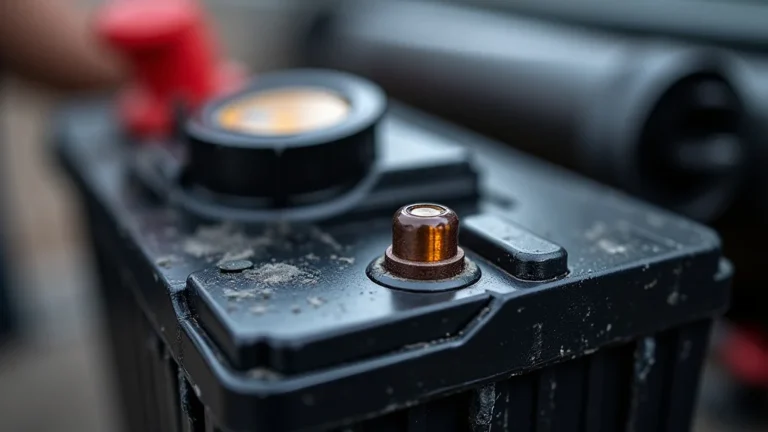
Inspect the Batteries: Check your car’s battery and the donor vehicle’s battery for corrosion, cracks, or leaks.
Any damage can make jump-starting dangerous. Do not proceed if there are any signs of battery damage. A damaged battery could create a fire hazard or explode.
Connecting the Jumper Cables
The order in which you connect the jumper cables is super important. The specific order ensures that electricity flows safely from the working battery to the dead battery. Always be sure to connect the cables in the right sequence to prevent sparks and potential damage. Make sure you know which terminals are positive and negative before starting.
-
Connect the Red Clamp to the Positive Terminal (+): Attach one red clamp to the positive (+) terminal of the dead battery in your car.
The positive terminal is usually marked with a “+” symbol and may have a red cover. Attaching the red clamp first establishes the initial positive connection.
-
Connect the Other Red Clamp to the Positive Terminal (+): Attach the other red clamp to the positive (+) terminal of the donor car’s battery (or the jump starter).
Again, make sure that the red clamp goes onto the positive terminal, ensuring the positive circuit is connected between the two batteries.
-
Connect the Black Clamp to the Negative Terminal (-): Attach one black clamp to the negative (-) terminal of the donor car’s battery (or the jump starter).
The negative terminal will be marked with a “-” sign and is often black. Connecting the negative clamp sets up the complete circuit.
-
Connect the Other Black Clamp to a Ground: Attach the other black clamp to a clean, unpainted metal surface on your car’s engine block or chassis, away from the battery.
The final black clamp should connect to a metal surface, like a bolt or a part of the engine block. This avoids sparks near the battery, reducing the risk of explosion from any hydrogen gas.
Starting and Disconnecting
Once you’ve connected the cables, you can start the jump-starting process. You’ll want to wait a few minutes to give the battery time to receive a charge. After the jump-start is successful, follow these steps in reverse order to disconnect the cables. This method is important to keep everyone safe.
-
Start the Donor Car: If you’re using another car, start its engine and let it run for a few minutes.
This allows the working car’s alternator to provide power and give the dead battery a boost. Keep the engine running at a moderate speed, around 2,000 RPM, to increase the power transfer.
-
Attempt to Start Your Car: Try to start your car. If it doesn’t start immediately, wait a few minutes and try again.
If your car starts, let it run for about 10-15 minutes to allow the alternator to recharge the battery fully. If it doesn’t start, there might be another problem beyond a dead battery, and you may need to call a mechanic.
-
Disconnect the Cables in Reverse Order: Start by removing the black clamp from the engine block, followed by the black clamp from the donor car’s negative terminal.
This order is important because it reduces the chance of sparks and potential damage to the vehicles. Do it slowly and carefully to prevent accidents.
-
Remove the Red Clamp: Then, remove the red clamp from the donor car’s positive terminal and finally, the red clamp from your car’s positive terminal.
Again, this step should be done carefully and slowly to avoid sparks or damage. After disconnecting the cables, the jump starter process is complete, and your car should start.
-
Allow Your Car to Run: Let your car run for at least 30 minutes to give the alternator time to recharge the battery fully.
After a jump start, the battery may not be fully charged. Driving for some time after the jump allows your car’s alternator to recharge the battery and get it ready for use.
Maintenance and Troubleshooting
After successfully jump-starting your diesel car, maintenance and awareness of potential problems are vital. Even if your car starts, the underlying cause of the dead battery should be found and addressed. This includes checking the battery’s condition, the alternator’s performance, and the electrical system for issues. Regular checks and maintenance can prevent future starting problems. Knowing how to troubleshoot common issues can save you time and potential repairs.
Checking Your Car’s Battery and Electrical System
Once your car is running after a jump start, checking the battery and electrical system is very important. This involves looking for obvious problems, like corrosion on the battery terminals, and verifying that the charging system is working correctly. This process will help you understand if the battery is faulty or if another component is causing the battery to drain. Addressing the cause of the problem is key to avoiding further starting issues.
-
Battery Inspection: Check the battery terminals for corrosion and clean them if necessary.
Corrosion can prevent a proper electrical connection, reducing the battery’s ability to hold a charge. Clean the terminals with a wire brush and a solution of baking soda and water to ensure good contact.
-
Battery Load Test: Have your battery load tested by a professional to determine its health.
A battery load test measures the battery’s ability to deliver current under a simulated load. If the battery fails the load test, it may not be able to hold a charge and should be replaced.
-
Alternator Check: Use a multimeter to measure the charging voltage when the engine is running.
The alternator is responsible for charging the battery while the car is running. The charging voltage should be between 13.5 and 14.5 volts. If the voltage is too low or too high, there may be a problem with the alternator or related wiring.
-
Inspect Wiring: Check all electrical connections for any loose wires or corrosion.
Loose or corroded wiring can disrupt the flow of electricity, causing various electrical problems. Check the wiring connected to the battery, alternator, and starter motor for any signs of damage or corrosion.
Common Problems and Solutions
Even with careful use, problems can happen when jump-starting a diesel car. Recognizing these issues and learning how to solve them can save you time and frustration. From improper connections to battery failure, a few common problems can affect the success of jump-starting. Knowing how to respond to these situations is key to staying safe on the road.
-
The Car Won’t Start: If your car won’t start after jump-starting, check for proper cable connections and wait a few minutes before trying again.
Make sure the cables are connected securely to the correct terminals. If it still doesn’t start, the battery may be completely dead, or there could be a problem with the starter motor or another electrical component.
-
Smell of Burning: If you smell burning, immediately disconnect the cables. There could be a short circuit or damage.
A burning smell suggests electrical problems. Disconnect the cables immediately to avoid damage and potential fire. Look for signs of damage or overheating on the cables, terminals, and surrounding components.
-
Reverse Polarity: If you connect the cables backward, you may see sparks and damage to the car’s electrical system.
If you connect the cables incorrectly, it can damage sensitive electronic components. Disconnect the cables immediately and check the battery and electrical components for any signs of damage.
-
Battery Draining Quickly: If your battery keeps draining after the jump start, it could have an internal fault or there may be a parasitic drain in the electrical system.
A quick draining battery after a jump start could mean an issue with the battery, alternator, or electrical components. Check the battery’s health and have the electrical system checked by a mechanic to find and fix the problem.
Long-Term Care for Your Battery
Taking care of your car’s battery can extend its life and reduce the need for jump-starting. This involves regular maintenance checks, paying attention to the battery’s age, and making adjustments to driving habits to help the battery function properly. Simple actions, like avoiding unnecessary electrical use when the engine is off, can help your battery last longer and perform well for a more extended time.
-
Regular Inspections: Regularly check the battery terminals for corrosion.
Corrosion can prevent a good electrical connection, which can impact the battery’s ability to start the engine. Cleaning the terminals keeps the connections clean and can help ensure the battery can hold a charge.
-
Avoid Deep Discharges: Try not to drain your battery completely.
Frequently allowing your battery to discharge completely can reduce its lifespan. Try to minimize the use of electrical components, like headlights and the radio, when the engine is off.
-
Use a Battery Charger: Use a battery charger to keep your battery topped off, especially if you don’t drive frequently.
A battery charger helps keep the battery at its maximum charge level, improving its life and performance. This is particularly helpful if you don’t use your car often.
-
Consider Battery Age: Replace your battery every 3-5 years.
Car batteries naturally lose their ability to hold a charge over time. Replacing the battery at the recommended interval can ensure that your car starts reliably and prevent future jump-start situations.
Alternative Methods to Jump Starting a Diesel Car
Besides using a jump starter or another car, there are other methods for jump-starting a diesel engine if you have no access to these options. Depending on your situation, these methods can be helpful in getting your car up and running. These alternative solutions require some knowledge of the car’s systems and certain equipment.
Using a Portable Power Station
A portable power station can work similarly to a jump starter and is designed to provide power for various devices, including cars. These portable units are different from traditional jump starters because they usually have a larger battery capacity and can be used for more than just jump-starting. Portable power stations offer an extra layer of protection.
-
Capacity and Power: Make sure the portable power station has sufficient power output to start your diesel engine.
Look for a model with a high peak current rating to handle the start-up demands of a diesel car. Check the voltage compatibility to ensure it matches your vehicle’s specifications.
-
Safety Features: Choose a power station with safety features, like overcharge protection and reverse polarity protection.
These features protect the power station and your car from potential damage. The safety features are very important if you are jump-starting your car.
-
Connection: Connect the power station’s clamps to the car battery terminals.
Follow the same process as connecting jumper cables, making sure the positive and negative terminals connect correctly. Consult the user manual of the power station for any specific instructions.
-
Starting the Car: After a few minutes, attempt to start the car.
If the car does not start right away, let the power station recharge for a short while and try again. Don’t try to start your car repeatedly, as this can drain the power station and might harm your vehicle.
The Role of a Tow Truck or Roadside Assistance
When jump-starting your diesel car is not an option, calling a tow truck or roadside assistance can provide you with help. These services are invaluable in situations where your car won’t start, and you are not equipped to handle the problem on your own. They have the right equipment and the expertise to help get your vehicle going. They provide a safe and professional way to solve your car troubles.
-
Professional Assistance: Contacting a tow truck or roadside assistance means a professional will handle the situation.
This assures that the jump-starting process is done correctly and safely. A professional knows how to deal with all types of car problems and can use the proper tools and equipment.
-
Diagnosis: A tow truck operator can assess the condition of your car.
The operator can check the battery, electrical components, and the starter. They can determine if the problem is a dead battery or another mechanical issue, saving you time and cost.
-
Jump-Start Services: Tow truck or roadside assistance operators are equipped to jump-start your car efficiently.
They have the right tools, including jump starters, to get your car running again. This is a very helpful solution when you are in a location with no access to external assistance, and the operator can get your car started quickly.
-
Further Repairs: If there is another problem with your car, the operator can tow your vehicle to a repair shop.
This can save you from a major breakdown. This is a great benefit if the jump-start doesn’t work, or if there is another underlying problem.
Frequently Asked Questions
Question: What is the main difference between jump-starting a diesel car and a gasoline car?
Answer: Diesel engines have higher compression ratios than gasoline engines. They need more power to start, requiring jump starters with higher cranking amps (CA).
Question: How do I know the correct terminals to connect the jumper cables to?
Answer: The positive (+) terminal is usually red and marked with a “+” sign, and the negative (-) terminal is black and marked with a “-”. Be very careful to connect the clamps to the correct terminals.
Question: Can I jump-start my diesel car from a smaller gasoline car?
Answer: Yes, but it is better to use a jump starter or a car with a battery that can deliver sufficient cranking amps. Make sure the donor vehicle’s battery is in good condition.
Question: What should I do if my car won’t start after a jump start?
Answer: If the car won’t start, disconnect the cables and check the connections. If you still can’t get it running, there could be other problems, such as a faulty starter or engine.
Question: Is it safe to jump-start a diesel car in the rain or snow?
Answer: Yes, jump-starting in wet conditions is generally safe. However, make sure you don’t submerge the battery or the components. Ensure connections are dry before proceeding.
Final Thoughts
Understanding how to handle a jump starter for diesel car is a handy skill for any car owner. Getting a dead diesel engine going again can be easy if you take the correct steps. Remember the importance of having the right equipment, the right steps, and knowing the safety practices to follow. If you are prepared, you can tackle almost any starting problem. With the knowledge you have now, you can get the help you need, follow safety steps, and solve the problem. Jump-starting your diesel car doesn’t need to be difficult. So, the next time your car’s battery is dead, follow these steps and get back on the road with confidence.