Jump Starter Failure: Why It Happens in Freezing Temperatures
It can be a frustrating experience when your car won’t start, and the jump starter doesn’t work in cold. Many people face this challenge, especially during winter months. As a beginner, it might seem complicated, but it’s a common issue with straightforward solutions. This post will help you explore the reasons behind this and give you a simple, step-by-step approach to get your car running again. We’ll explore the science behind this and some ways to fix it.
Why Jump Starters Struggle in Cold Weather
Cold weather significantly impacts the performance of jump starters. The chemistry inside these devices, and your car’s battery, slows down considerably when temperatures drop. This slowing down affects how efficiently energy is stored and released. Additionally, the internal components of a jump starter are vulnerable to cold temperatures. The batteries themselves struggle to deliver the necessary power. This is similar to how your phone battery drains faster in the cold. It’s important to know the limitations to get the best out of your device.
The Science of Batteries and Temperature
Batteries work through a chemical reaction that generates electricity. This reaction is influenced by temperature. In warmer conditions, the chemical reactions occur more rapidly, allowing the battery to produce more power. Cold weather slows down these reactions. The electrolyte solution inside the battery, which facilitates the flow of ions, becomes more viscous, hindering the movement of ions. This reduced ion flow means less electricity can be generated and delivered to your car’s starter motor.
- Electrolyte Viscosity: At lower temperatures, the electrolyte solution inside a battery becomes thicker. This increased viscosity slows down the movement of ions, which reduces the electrical current.
- Reduced Chemical Reaction Rate: The chemical reactions within the battery slow down when the temperature decreases. This directly affects the battery’s ability to supply the needed power.
- Internal Resistance: Cold temperatures increase the internal resistance of the battery. This resistance impedes the flow of electricity, reducing the amount of power available to start your car.
The core problem is simple: Cold weather drastically reduces the efficiency of the battery. The jump starter, often relying on its own battery, suffers the same challenges. This explains why your jump starter might work perfectly fine on a warm day but fail when the temperature drops.
Components of a Jump Starter Affected by the Cold
Several components within a jump starter are susceptible to cold weather. The internal battery, the cables, and the electronic circuitry can all be negatively affected. The battery in the jump starter experiences the same chemical slowdown as your car battery. Cables can become stiff and less efficient at conducting electricity. The electronic components may also become less responsive at lower temperatures. Understanding these factors will help you choose and use a jump starter effectively.
- Internal Battery: The battery inside a jump starter is subject to the same temperature-related performance decrease as a car battery. Cold temperatures can greatly reduce its capacity.
- Cables: The cables that connect the jump starter to your car’s battery can become less flexible and efficient in cold weather. This is due to the materials used in the cables.
- Electronic Circuitry: Electronic components inside the jump starter may not function as efficiently at low temperatures. This can affect the device’s ability to deliver power.
- Build Materials: The casing of your jump starter and any plastic components may become brittle in very cold conditions. This is a common phenomenon.
The materials, as well as the design, have to withstand winter conditions. Knowing how each part is affected helps you troubleshoot and prevent failure when you need to use your jump starter most.
Choosing the Right Jump Starter for Cold Climates
Selecting a jump starter designed for cold weather is key to avoiding frustration. Certain features and specifications will significantly improve performance in freezing temperatures. Look for a device with high cranking amps, a durable design, and features like temperature monitoring. These upgrades can greatly increase your chances of starting your car when the temperature plummets. You might invest a bit more initially, but it provides better peace of mind.
Key Features to Consider
When selecting a jump starter for cold climates, certain features should be top priorities. Pay close attention to the peak and cranking amps, the type of battery used, and any built-in safety features. These elements work together to ensure reliable performance, even in challenging conditions. The right model offers you the best chance of a successful jump start.
- High Cranking Amps: The number of cranking amps is critical. Choose a jump starter with a high cranking amp rating, preferably at least 1000 amps or more. This provides the power needed to overcome the increased resistance in cold weather.
- Battery Type: Lithium-ion jump starters are generally superior to those using lead-acid batteries in cold weather. Lithium-ion batteries often provide more power and have a longer lifespan.
- Temperature Protection: Look for a jump starter with built-in temperature protection, which will help the device operate safely and prevent damage in extreme temperatures.
- Durable Construction: Choose a jump starter built with durable materials that can withstand cold conditions and rough handling. Rubberized or impact-resistant housings are a good idea.
- Safety Features: Always choose a jump starter with reverse polarity protection, overcharge protection, and short-circuit protection to prevent damage to your car or the jump starter.
Choosing a jump starter is similar to choosing winter tires; you must consider the conditions. A jump starter designed for cold will incorporate the needed features to help you start your car.
Comparing Battery Technologies
The type of battery a jump starter uses has a significant impact on its performance in cold weather. Lithium-ion batteries are often favored due to their superior performance compared to lead-acid batteries. They offer a higher power output and are less affected by cold temperatures, making them a better choice for winter use. When you compare the features, the benefits are worth the added cost.
| Feature | Lithium-Ion | Lead-Acid |
|---|---|---|
| Cold Weather Performance | Generally better; more consistent power output. | Performance degrades more significantly in the cold. |
| Power Output | Higher peak power and more consistent. | Lower peak power, can vary greatly with temperature. |
| Weight and Size | Lighter and more compact. | Heavier and bulkier. |
| Lifespan | Typically longer lifespan. | Shorter lifespan. |
When choosing, compare the pros and cons. Think about your region’s climate. Lithium-ion jump starters may be more expensive initially, but they offer better performance and a longer life, making them a smart choice.
Using a Jump Starter Effectively in the Cold
Using a jump starter in cold weather involves more than just connecting the cables. Proper preparation and following specific procedures are necessary for successful results. You must understand the best practices to help ensure that the jump starter delivers power to your car’s battery efficiently. Also, understanding the correct steps to take will increase your chances of getting your car started.
Pre-Jump Start Preparations
Before using a jump starter in cold weather, take a few preparatory steps to increase your chances of success. Ensure the jump starter is fully charged, and consider pre-warming it. This will help make the jump starter’s battery operate at its best. Taking these steps can reduce the issues you might face in the cold.
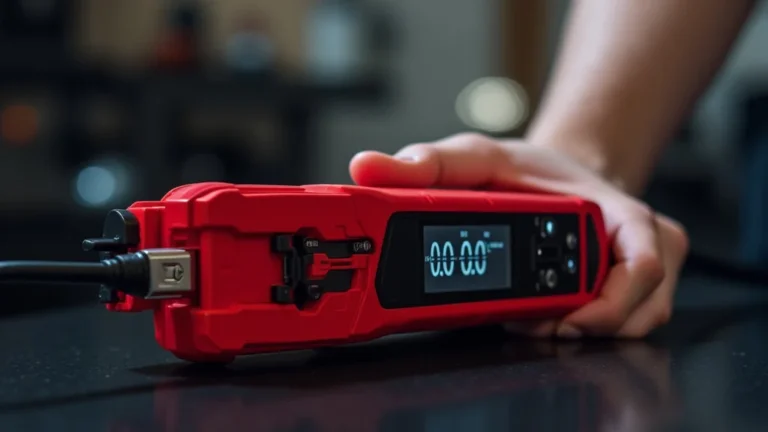
- Charge the Jump Starter: Make sure the jump starter is fully charged. Check the indicator lights on the device to confirm its charge level. A fully charged jump starter provides the best chance of delivering enough power.
- Warm the Jump Starter: Before using the jump starter in extremely cold weather, consider warming it up. Keep it indoors or in a warm place until needed.
- Inspect Cables and Clamps: Examine the cables and clamps for any signs of damage or corrosion. Clean the clamps if necessary to ensure a good connection to your car’s battery terminals.
- Safety First: Make sure you’re in a safe location away from traffic. Wear gloves and eye protection if needed.
These preparation steps may seem minor, but they contribute to better performance in freezing weather. Taking a few moments to prepare can make a big difference.
Step-by-Step Jump Starting Process
Following a precise procedure when jump-starting your car in the cold is important. This helps make sure the power is delivered correctly and safely. Understanding the correct order and methods will increase your chances of success. Proper execution prevents harm to you, your car, or the jump starter.
- Connect the Red Clamp to the Positive Terminal (+): Attach the red clamp of the jump starter to the positive terminal of your car’s battery. Ensure the connection is secure.
- Connect the Black Clamp to a Ground: Connect the black clamp to a suitable ground point on your car. This can be an unpainted metal surface on the engine or chassis. Avoid connecting it directly to the negative (-) terminal of the battery.
- Turn On the Jump Starter: If your jump starter has an on/off switch, turn it on. Some devices activate automatically when connected.
- Attempt to Start the Car: Try to start your car. Crank the engine for no more than 10-15 seconds at a time. If it doesn’t start, wait a few minutes before trying again.
- Disconnect the Jump Starter: Once the car is running, disconnect the clamps in the reverse order. First, remove the black clamp from the ground, then the black clamp from the jump starter, and finally the red clamp from the jump starter and positive terminal.
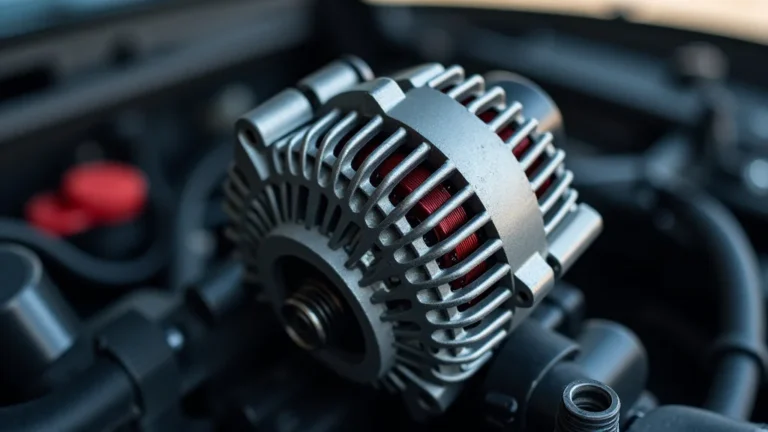
- Allow the Car to Run: Let your car run for at least 15-20 minutes to allow the alternator to recharge the battery.
Following the steps will increase your chances of starting your car. These best practices will keep you safe and your equipment working.
Troubleshooting Common Issues
Sometimes, even with the best equipment and procedures, a jump start might not work immediately. Various issues can cause this. This section covers troubleshooting tips to help you diagnose and resolve these issues. Understanding common problems will help you work through any challenges.
- Check the Connections: Make sure the clamps have a secure connection to the battery terminals. Remove any corrosion or debris.
- Verify Polarity: Double-check that you’ve connected the clamps to the correct terminals (positive to positive, negative to ground). Connecting them backward can damage the jump starter and the car.
- Check the Jump Starter’s Charge: Ensure the jump starter has enough charge. A low charge can lead to a failed jump start.
- Wait Before Trying Again: If the car doesn’t start, wait a few minutes before attempting to jump start it again. Overuse can damage the starter motor.
- Test for Other Problems: If the jump starter still doesn’t work, there may be other problems with your car. Check the fuses or take your car to a mechanic.
This troubleshooting checklist will help you identify the source of the problem. Following these tips ensures you can handle the situation.
Maintaining Your Jump Starter
Proper maintenance is key to extending the life and reliability of your jump starter, especially in cold climates. Regular care and storage practices will keep it in good working condition. Simple actions like cleaning, charging, and correct storage can prevent many problems. This can help you avoid getting stranded on a cold day.
Cleaning and Storage
Keeping your jump starter clean and storing it correctly is essential for maintaining it. Regularly clean the device and store it in a cool, dry place when not in use. Following these tips will help prevent damage and keep your jump starter ready for action. Correct storage is an important factor in its lifespan.
- Cleaning: Clean your jump starter regularly, wiping away any dirt, debris, or moisture with a dry cloth.
- Storage Location: Store the jump starter in a cool, dry place. Avoid extreme temperatures, such as direct sunlight or freezing conditions.
- Charging During Storage: Top up the charge periodically, especially if you store the jump starter for extended periods. Most jump starters will lose some charge over time.
- Cable Protection: Keep the cables and clamps neatly stored to prevent damage.
Proper storage is important in protecting your jump starter. Following these tips will help to maintain its function.
Charging and Battery Care
The health of your jump starter’s battery directly affects its performance. Following proper charging procedures and battery care practices will help to maintain its capacity and longevity. This is important for optimal operation, especially in harsh conditions. Taking care of the battery is like taking care of your car’s engine; it keeps everything running smoothly.
- Regular Charging: Fully charge your jump starter before and after each use. This helps to keep the battery in good condition.
- Use the Correct Charger: Use the charger supplied with your jump starter or a charger recommended by the manufacturer. Using an incorrect charger can damage the battery.
- Avoid Overcharging: Do not leave the jump starter charging for extended periods. Once it is fully charged, disconnect the charger.
- Monitor Battery Health: Pay attention to any signs of battery degradation, such as decreased charging capacity or unusual behavior. Replace the battery if necessary.
When you take care of the battery, it will be ready whenever you need it. Charging and battery care are easy to follow.
Jump Starter and Your Car’s Battery
Your car’s battery and a jump starter work together to start your car. The jump starter acts as a temporary power source to overcome the issues that affect a cold battery. Understanding this relationship helps you to better manage situations where the jump starter doesn’t work in cold. Your car’s battery is the key, and the jump starter provides a helpful boost.
The Car Battery’s Role in Starting
Your car’s battery provides the initial electrical power needed to start the engine. It supplies power to the starter motor, which turns the engine over. It also powers the car’s electrical system, including the ignition system and fuel pump. Without a functional battery, the car cannot start. The battery’s health and ability to provide power are critical to a car’s starting process.
- Starter Motor Activation: The battery provides the power that activates the starter motor, which is required to start the engine.
- Ignition System Power: The battery powers the ignition system, generating the spark needed to ignite the fuel in the engine cylinders.
- Fuel Pump Activation: The battery powers the fuel pump, which delivers fuel to the engine.
- Accessory Power: The battery also supplies power to other electrical accessories, like lights and the radio.
The battery is essential to getting your car started. It’s what you rely on for electrical power. A functioning battery keeps everything running.
What To Do if the Battery Is Dead
If your car’s battery is dead, the jump starter offers a solution. It provides the needed extra power to start the engine. Using the jump starter to boost your dead battery can get you back on the road. Knowing the process helps you manage the situation in emergencies.
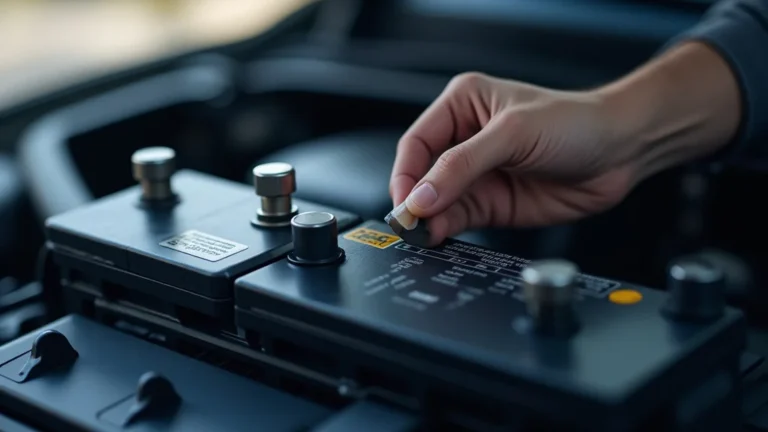
- Check the Battery: If your car won’t start, first check the battery terminals for corrosion or loose connections. Clean them if necessary.
- Use a Jump Starter: If cleaning the terminals doesn’t work, use a jump starter to provide a temporary power source.
- Wait and Charge: After starting the car with the jump starter, let the engine run for at least 15-20 minutes to allow the alternator to recharge the battery.
- Get the Battery Tested: If your car frequently has starting problems, have your battery tested by a mechanic to check its health.
- Consider Battery Replacement: If the battery is old or damaged, consider replacing it. A failing battery can leave you stranded.
These actions can help you if your battery is dead. Keeping your car’s battery in good shape ensures a more reliable start. Following the right steps can help prevent problems.
Frequently Asked Questions
Question: Why does a jump starter sometimes fail in the cold?
Answer: Cold temperatures slow down the chemical reactions inside both the jump starter’s battery and your car’s battery, reducing their ability to deliver power. Also, the components of the jump starter itself become less efficient.
Question: How can I choose a jump starter for cold weather?
Answer: Look for a jump starter with a high cranking amp rating (1000 amps or more), a lithium-ion battery, and temperature protection features. Also, choose a model that is built for durability.
Question: What is the correct way to connect a jump starter?
Answer: Connect the red clamp to the positive (+) terminal of your car’s battery. Connect the black clamp to a suitable ground point, like an unpainted metal surface on the engine or chassis. Avoid the battery’s negative terminal.
Question: What should I do if my car still won’t start after using a jump starter?
Answer: Check your connections, make sure the jump starter has a sufficient charge, and wait a few minutes before trying again. If it still doesn’t start, there might be another issue. Consult a mechanic.
Question: How can I maintain my jump starter to keep it working well?
Answer: Clean the jump starter regularly, store it in a cool, dry place, and charge it fully before and after use. Check the charging indicators and replace the battery if it is no longer holding a charge.
Final Thoughts
When the temperature drops, dealing with a car that won’t start can be stressful. The reasons why the jump starter doesn’t work in cold are usually easy to understand. Cold weather affects both your car’s battery and the jump starter’s ability to provide power. By choosing a jump starter designed for cold climates, you can increase your chances of a successful start. Proper preparations, the right equipment, and following the correct procedures can prevent many common issues. Remember to keep your jump starter in good shape, store it correctly, and recharge it regularly. By taking these steps, you can confidently face cold weather and keep your car running smoothly. This will save you a lot of hassle and headaches when winter comes.