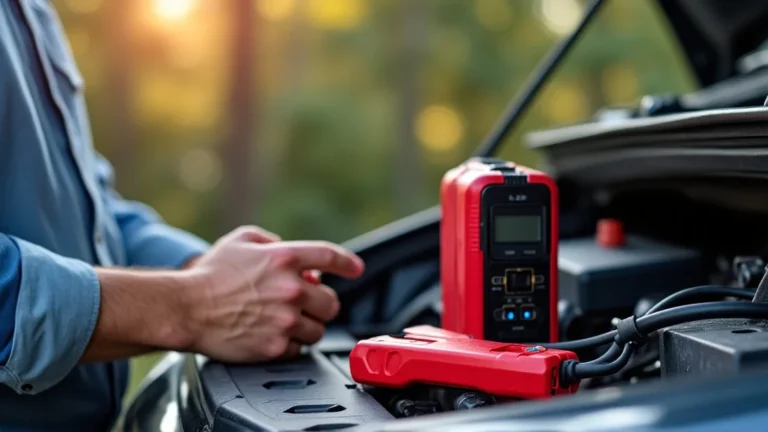
Why Your Jump Starter Makes a Clicking Sound and How to Fix It
If you’ve heard a jump starter clicking noise when trying to start your car, don’t worry – it’s a common problem that can be really frustrating, especially if you’re not sure what’s going on. Lots of people run into this issue, especially when they’re new to car maintenance. The good news is, it usually means something simple is wrong, and fixing it doesn’t have to be hard. We’ll go over the most likely reasons for that clicking and give you easy, step-by-step instructions to get your car running again. Let’s get started!
What Causes That Annoying Jump Starter Clicking Noise?
The “clicking” sound you hear from your jump starter is often a sign of a problem. It usually means the jump starter is trying to send power to your car’s starter motor, but it’s not quite getting the job done. This clicking originates in the starter solenoid, a small electromagnetic switch that acts like a gatekeeper for the high-voltage current needed to start your car. When you turn the key, the solenoid clicks on, closing the circuit to activate the starter motor. However, the clicking could be a sign of a bad connection, or a problem with either your battery or the jump starter itself. There are several things that can cause this, and we’ll look at the most common ones.
Low Battery Voltage
One of the most frequent culprits behind the jump starter clicking noise is a low battery voltage in your vehicle. When your car battery doesn’t have enough power, it can’t provide the necessary current to turn over the engine. The jump starter then attempts to send current, causing the starter solenoid to click, but it can’t deliver the full punch to start the car. Batteries lose voltage over time, especially in cold weather, or if the car hasn’t been used in a while. In these cases, the jump starter is often called in to boost the system. Low voltage also makes the lights dim, or the radio might not work properly. A jump starter provides an extra source of power that should get the car running.
- Explanation: A battery’s voltage drops naturally with age and use. Even a small drop can prevent the car from starting. Low temperatures also hurt a battery’s performance. The chemical reactions that produce electricity slow down in the cold.
- Solution: Check the voltage with a multimeter. Connect the red lead to the positive terminal and the black lead to the negative. If the voltage is below 12 volts, it’s likely too low to start the car. The jump starter should provide enough extra power to bring it back to a starting voltage.
- Preventive Measures: Regularly check your battery’s terminals for corrosion, which can reduce its ability to hold a charge. Make sure all lights and electronics are turned off when the car is parked. Consider using a battery tender if you don’t drive your car often.
Corroded or Loose Connections
Corrosion on your battery terminals or loose connections in the starting system can interrupt the flow of electricity. This issue may cause the jump starter to click and prevent your engine from starting. The jump starter depends on good connections to deliver power. Corrosion acts like a barrier, preventing the electrical current from flowing efficiently. Loose connections are similar; they can briefly make contact and then disconnect. This creates the clicking, or the starter might try to engage, but fail. This is a common problem, so be sure to inspect the battery terminals and cable connections.
- Explanation: Corrosion happens when battery acid reacts with the metal terminals. It creates a greenish-white buildup that restricts electrical flow. Loose connections at the terminals or in the cables also stop the electricity from flowing from the jump starter.
- Solution: Use a wire brush or battery terminal cleaner to remove corrosion from the terminals. Make sure the connections are tight, using a wrench to secure the clamps on the battery terminals. If the cables are damaged, replace them.
- Preventive Measures: Regularly clean your battery terminals with a baking soda and water solution to neutralize acid buildup. Apply a terminal protector spray to prevent corrosion. Ensure the battery cables are securely fastened at all times.
Faulty Starter Motor or Solenoid
A faulty starter motor or its solenoid can lead to the jump starter clicking. The starter motor physically turns the engine over, and the solenoid is a switch that activates the motor. If either component fails, your car won’t start, even with a jump. Problems in these components might not be fixed by the jump starter alone, but you can use it to test if a jump is going to start the car. A failing starter motor can show signs such as slow cranking, or not turning the engine at all. The solenoid might click, but the motor won’t engage. Diagnosing this needs extra testing.
- Explanation: The starter motor uses a lot of electricity. Over time, the internal components wear out, leading to failure. The solenoid can fail if the electrical contacts inside become worn or corroded.
- Solution: Try tapping the starter motor with a hammer. Sometimes, this can free up a stuck starter. However, this is usually a short-term fix. A more permanent fix requires professional repairs. A mechanic can diagnose the problem and replace the faulty parts.
- Diagnosing Problems: If you hear a click but no engine turnover, suspect a bad starter. If the starter engages and then dies, it might be an internal failure. A multimeter can test the voltage at the starter to confirm the problem.
Step-by-Step Guide to Diagnosing and Fixing Jump Starter Clicking Noise
If you’re facing that familiar jump starter clicking noise, you can often fix it with some simple steps. Here’s how to check the most common causes and get your car running again. By following this guide, you should be able to identify the source of the problem. This guide will help you understand the most common causes of the jump starter clicking noise. Remember that safety is key, and it is vital to know your car’s electrical system.
Gather Your Tools and Safety First
Before you get started, gather the necessary tools and make sure you have the right safety gear. This will help you identify the problem and get your car running again. Working with car batteries and electrical systems can be dangerous, so make sure to protect yourself from shocks and other hazards. Working safely is very important when dealing with your car’s electrical system. Taking these steps will ensure a safe and successful repair.
-
What You’ll Need:
- A jump starter.
- Gloves: To protect your hands.
- Safety glasses: To protect your eyes.
- A multimeter: To test voltage.
- Wrench or pliers: To tighten connections.
- Wire brush or battery terminal cleaner: To clean corrosion.
- Baking soda and water: For cleaning terminals (optional).
-
Safety Guidelines:
- Wear gloves and safety glasses.
- Work in a well-ventilated area. Batteries release gases.
- Don’t smoke or use open flames near the battery.
- Ensure the jump starter is off and disconnected before connecting to the car battery.
- Never connect the jump starter to the wrong terminals. Connecting in reverse can cause sparks and damage.
Check the Battery and Connections
The first steps when troubleshooting the jump starter clicking noise are checking the battery and its connections. These are the most common causes of starting problems. This step helps narrow down the problem quickly. Begin by visually inspecting your battery. Then, use a multimeter to check the voltage. If the battery voltage is low, the jump starter may be unable to deliver enough power to start your car. This can cause the clicking sound. Next, inspect the battery terminals and cable connections for corrosion or looseness. Loose or corroded connections can interrupt the flow of electricity, causing the jump starter to fail.
-
Battery Voltage Check:
- Set your multimeter to measure DC voltage (usually 20V setting).
- Connect the red probe to the positive (+) battery terminal.
- Connect the black probe to the negative (-) battery terminal.
- Read the voltage on the multimeter display. It should be above 12 volts. If it’s below 12 volts, your battery might need charging.
-
Terminal and Cable Inspection:
- Look for white or greenish corrosion on the battery terminals.
- Check that the battery cables are securely attached to the terminals. The clamps should be tight.
- Gently wiggle the cables to see if they move. Loose connections are often the problem.
Using the Jump Starter Properly
Using a jump starter correctly is very important. Many people run into trouble because they haven’t connected it properly. Following the correct procedure will maximize your chances of getting the car started and avoid damaging the electrical components. This is why it is important to know the correct procedure for jump starting your car with your jump starter. Following the correct procedure will maximize your chances of getting the car started and avoid damaging the electrical components.
-
Connection Procedure:
- Ensure the jump starter is OFF.
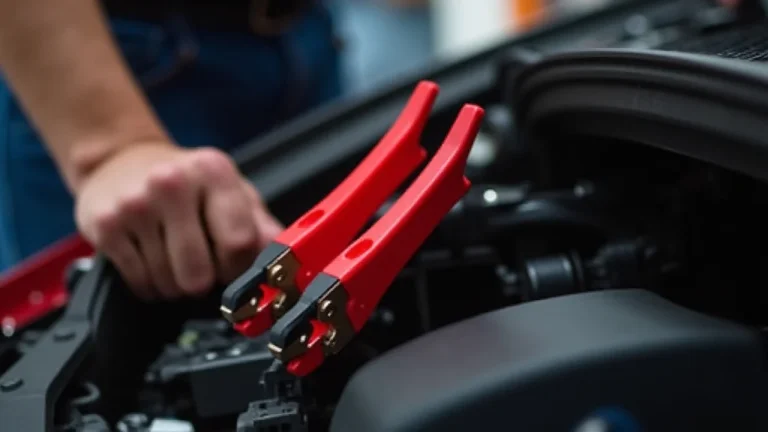
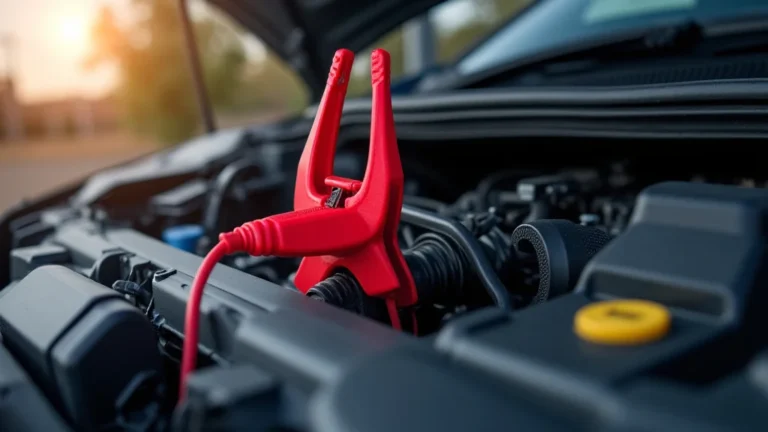
- Connect the RED positive (+) clamp to the positive (+) terminal of the dead battery.
- Connect the BLACK negative (-) clamp to a good ground point on the car. This can be a bare metal part on the engine block or frame, away from the battery.
- Turn on the jump starter.
- Attempt to start your car.
- If the car starts, disconnect the jump starter in reverse order.
-
If It Still Clicks:
- Check your connections again. Make sure everything is tight.
- Try turning on your headlights. If they are dim, the jump starter may be struggling.
- Let the jump starter charge the battery for 10-15 minutes, then try again. This can provide extra power.
- If the car still won’t start, the problem may be beyond the battery and connections, and may involve the starter motor.
Understanding Jump Starter Clicking Noise and Common Problems
The jump starter clicking noise and the problems associated with it are common, and often easy to fix. This sound is a typical sign that something is preventing your car from starting. Learning what causes it can help you troubleshoot the problem and avoid further issues. The clicking sound you hear from the starter is frequently a signal that the starter solenoid is attempting to engage, but can’t generate the force to crank the engine. Knowing the common reasons behind this clicking can help you fix the issue.
Diagnosing and Addressing Common Faults
Identifying the root cause of the jump starter clicking noise requires a systematic approach. The most frequent causes include a low battery charge, problems with the starter motor, and loose or corroded connections. Each issue has specific diagnostic steps and potential fixes. Correctly diagnosing the issue will help you find the source of the problem and fix it quickly.
-
Low Battery Diagnosis:
- Use a multimeter to measure the battery voltage. A reading below 12 volts usually indicates a low battery charge.
- Try charging the battery using the jump starter or an external charger.
- If the battery won’t hold a charge, you may need to replace it.
-
Starter Motor Issues:
- If the battery voltage is good, the starter motor could be faulty.
- Listen for any unusual sounds coming from the starter motor when you turn the key.
- A tapping sound means the solenoid is working, but the starter motor isn’t spinning.
- If the starter motor fails completely, you’ll need to repair it, or replace it.
-
Connection Problems:
- Visually check the battery terminals and cables. Look for any corrosion or damage.
- Wiggle the battery cables to check for loose connections. Tighten any loose connections.
- Clean any corrosion with a wire brush or baking soda solution.
Other Potential Culprits
While the battery, starter motor, and connections are the most common causes, other factors may lead to that jump starter clicking noise. These less common issues can still stop your car from starting. These issues can include a bad ignition switch, problems in the starting system wiring, and other problems. Understanding the broader starting system helps identify issues.
-
Ignition Switch Problems:
- If the ignition switch is failing, it may not send the signal to start the car.
- Try wiggling the key in the ignition.
- If it still doesn’t start, the ignition switch may be faulty.
-
Wiring Problems:
- Check the wiring that connects the starter motor and solenoid.
- Look for any breaks, corrosion, or damage.
- If you find any problems, you may need to repair or replace the wiring.
-
Cold Weather Challenges:
- Cold weather can make it harder for the battery to deliver the power needed to start the car.
- Make sure your battery is in good condition, and the connections are clean.
- Consider using a battery warmer or a block heater in severe cold weather.
Jump Starter Maintenance and Best Practices
Caring for your jump starter helps ensure its reliability when you need it most. It’s also crucial to maintain your vehicle’s battery and electrical system for optimal performance. Regular care prevents problems, and extends the lifespan of your jump starter and your car battery. Correct upkeep and best practices keep your devices in good shape, ready to give you power when you need it most.
Maintaining Your Jump Starter
Proper maintenance of your jump starter helps keep it in top shape, and ready to go. You’ll want to charge it and store it properly. Taking care of your jump starter means it will always be there for you when you need it. This keeps your jump starter ready for action when you need it most. This will ensure it lasts for years, and delivers the power you need, when you need it.
-
Regular Charging:
- Charge your jump starter regularly, as directed by the manufacturer.
- Most jump starters have an indicator light that shows the charge level.
- Avoid overcharging, which can damage the battery.
-
Proper Storage:
- Store the jump starter in a cool, dry place.
- Keep it away from extreme temperatures and direct sunlight.
- Avoid storing it in a car trunk, as temperatures can get very high.
-
Testing Your Jump Starter:
- Test your jump starter periodically to ensure it works.
- Make sure the clamps and cables are in good condition.
- Try using it on a low-powered device to confirm it delivers power.
Best Practices for Vehicle Battery Care
Your vehicle’s battery needs care to ensure it consistently starts your car and lasts for a good time. Keeping the battery in good shape ensures your car starts reliably. This also keeps the jump starter from being needed too often. Proper battery maintenance prevents premature failure, and will also save you time, money, and headaches.
-
Regular Inspections:
- Check your battery terminals for corrosion regularly. Clean any corrosion with a wire brush or terminal cleaner.
- Inspect the battery cables for damage. Replace any cables that are frayed or cracked.
- Make sure the battery is held securely in place.
-
Preventive Measures:
- Use a battery terminal protector spray to prevent corrosion.
- If your car sits idle for extended periods, use a battery tender to maintain the charge.
- Avoid leaving lights or accessories on when the engine is off.
-
Cold Weather Precautions:
- Cold weather can reduce battery performance.
- Make sure the battery is fully charged before winter.
- If you live in a very cold climate, consider using a battery warmer.
Frequently Asked Questions
Question: Why is my jump starter clicking but not starting the car?
Answer: The most common cause is a low battery voltage in the car. The jump starter may also click if there is corrosion on the battery terminals or loose connections. A faulty starter motor or solenoid can cause this as well.
Question: What do I do if my jump starter is not charging?
Answer: Check the power source, make sure the charging cable is securely connected, and try a different outlet. If the jump starter still doesn’t charge, it may have an internal issue and need to be repaired or replaced.
Question: Can I jump start a car with a dead battery?
Answer: Yes, the jump starter is specifically designed to provide an extra source of power that should get a car running when the battery is unable to do so. Make sure to connect the jump starter to the car battery and follow the recommended procedure.
Question: How long should I let the jump starter charge the battery before attempting to start the car?
Answer: You should let the jump starter charge the battery for about 10–15 minutes before trying to start the car. However, if the car doesn’t start, let it charge for a bit longer, then try again.
Question: Is it safe to leave a jump starter connected to the car battery for a long time?
Answer: It’s generally safe to leave a jump starter connected for a short period while jump starting the car. Once the car is running, disconnect the jump starter. Avoid leaving it connected for extended periods, as this can damage the car battery.
Final Thoughts
If you’re facing the jump starter clicking noise, you now have the tools to troubleshoot and resolve the issue. Remember, this clicking sound usually means something is preventing your car from starting. You’ve seen the main causes, like a weak battery, bad connections, or a starter problem. You can start by checking the battery voltage and making sure everything is connected firmly. If the car still won’t start, move on to the next steps. These include inspecting your battery connections for damage and trying the jump starter again. Following the steps in this guide can help you fix this common problem. By exploring the steps, and the precautions, you can often fix the issue yourself. Now, put these steps into action and keep your car running!