Is Battery Acid Dangerous Understand the Risks and Stay Safe
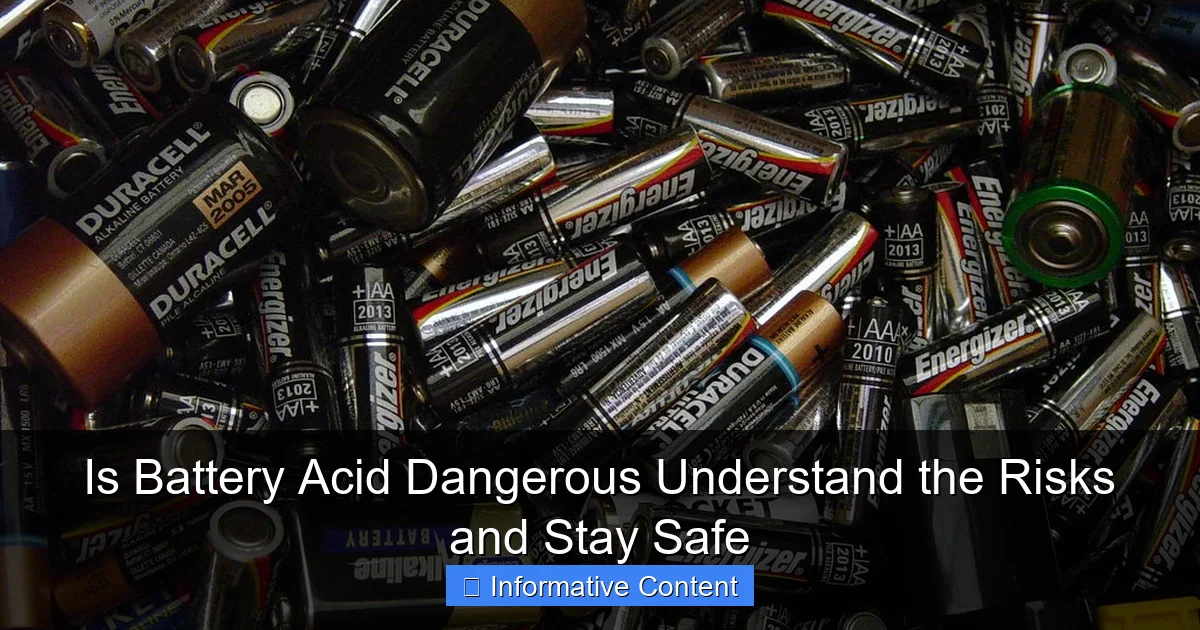
Featured image for is battery acid dangerous
Image source: live.staticflickr.com
Battery acid is highly corrosive and extremely dangerous, posing severe risks including chemical burns, permanent eye damage, and serious internal harm if ingested. Always handle it with extreme caution, utilizing personal protective equipment like gloves and eye protection, and ensure proper storage and disposal. Understanding these dangers and taking preventative measures is crucial for staying safe.
Ever found yourself peering into the engine bay of your car, maybe trying to jump-start it, or perhaps you’ve been working on a gadget that runs on a more conventional battery? At some point, you might have wondered about the liquid inside those power sources. That clear, sometimes slightly discolored fluid in many common batteries? That’s battery acid. And the big question that often comes to mind is: Is battery acid dangerous?
The short answer is a resounding yes. Battery acid is a highly corrosive substance that poses significant health risks if not handled with extreme care. But understanding why it’s dangerous, what to do in case of exposure, and most importantly, how to prevent accidents, is key to staying safe. Think of this as a friendly chat, sharing crucial information to help you navigate potential hazards with confidence, whether you’re a DIY enthusiast or just curious about the world around you.
Today, we’re going to dive deep into the world of battery acid. We’ll explore its chemical makeup, the immediate dangers it presents to your body, and even some less obvious risks. Most importantly, we’ll equip you with practical tips and first-aid knowledge so you’re prepared for any situation. My goal is to empower you with the knowledge to respect this powerful chemical and always prioritize your safety.
Key Takeaways
- Battery acid is extremely corrosive: It causes severe chemical burns and damage.
- Always wear PPE: Protect eyes and skin with gloves and safety glasses.
- Ensure good ventilation: Avoid inhaling dangerous and irritating acid fumes.
- Act fast if exposed: Immediately rinse affected areas with water for 15 minutes.
- Seek medical attention: Always consult a doctor after any acid exposure.
- Neutralize spills safely: Use baking soda to render acid harmless before cleanup.
- Store batteries securely: Keep out of reach of children and pets always.
📑 Table of Contents
What Exactly Is Battery Acid?
When most people talk about “battery acid,” they’re usually referring to the electrolyte found in lead-acid batteries, which are common in cars, motorcycles, and many backup power systems. But what exactly is this substance?
The Chemical Composition
The primary component of battery acid in lead-acid batteries is sulfuric acid (H2SO4) diluted with water. It’s not just pure sulfuric acid, as that would be too concentrated for battery function. However, even in its diluted form, sulfuric acid is incredibly corrosive. It works by reacting with the lead plates inside the battery to create an electrical current. It’s a chemical powerhouse, but its power comes with significant risks.
It’s worth noting that other types of batteries, like alkaline batteries (found in remote controls, flashlights) or lithium-ion batteries (smartphones, laptops), use different electrolytes that are also harmful, but they aren’t typically referred to as “battery acid” in the same context as sulfuric acid.
pH Scale and Corrosiveness
To understand how dangerous battery acid is, a quick look at the pH scale helps. The pH scale measures how acidic or alkaline a substance is, ranging from 0 to 14. A pH of 7 is neutral (like pure water), anything below 7 is acidic, and anything above 7 is alkaline (or basic).
Battery acid typically has a pH of around 0 to 1, which puts it at the extreme end of the acidic scale. To give you some perspective, lemon juice has a pH of about 2-3, and your stomach acid is around 1.5-3.5. So, battery acid is significantly more acidic than substances we commonly encounter, making it exceptionally corrosive and indeed, battery acid dangerous to biological tissue and many materials.
Why Is Battery Acid So Dangerous? The Immediate Risks
The highly corrosive nature of battery acid means it can cause immediate and severe damage upon contact. Understanding these risks is crucial for prevention.
Skin Contact: Chemical Burns
Imagine spilling a strong household cleaner on your skin, but magnified several times over. That’s a bit like what happens with battery acid. Upon contact, it quickly starts to break down skin tissue, leading to chemical burns. Symptoms can range from immediate burning pain, redness, and itching to blistering and, in severe cases, deep tissue damage or necrosis (tissue death). The longer the contact, the worse the damage will be. Even a small splash of battery acid dangerous on your skin can lead to a painful burn.
Eye Contact: A Medical Emergency
This is perhaps the most critical immediate danger. If battery acid gets into your eyes, it can cause excruciating pain, tearing, redness, and rapid damage to the cornea and other delicate eye structures. Without immediate and thorough flushing, it can lead to permanent vision impairment or even blindness. This is not something to take lightly; eye exposure to battery acid is an absolute medical emergency.
Ingestion: Internal Damage
Accidentally swallowing battery acid, though hopefully rare, is extremely dangerous. It will cause severe chemical burns to the mouth, throat, esophagus, and stomach. This can lead to excruciating pain, difficulty swallowing, vomiting (possibly with blood), and severe internal bleeding. The long-term consequences can include permanent scarring, strictures (narrowing) of the esophagus, and organ damage. It’s clear why ingested battery acid dangerous is life-threatening.
Inhalation of Fumes: Respiratory Irritation
While less common than direct contact, inhaling fumes from battery acid can also be harmful. This usually occurs when batteries are being charged, especially if they are overcharged or improperly ventilated, causing them to “off-gas.” The hydrogen sulfide fumes released can irritate the respiratory tract, leading to coughing, a sore throat, and difficulty breathing. Prolonged exposure to these fumes in an enclosed space can be especially problematic, proving that even indirect exposure to battery acid dangerous fumes is a concern.
Beyond Direct Contact: Other Hazards
The dangers of battery acid aren’t limited to its corrosive properties. There are other significant risks associated with batteries themselves.
Hydrogen Gas: Explosion Risk
Lead-acid batteries produce hydrogen gas as a byproduct during their charging cycle. Hydrogen gas is highly flammable and, when mixed with oxygen in the air, can form an explosive mixture. A simple spark from a tool, a static electricity discharge, or an open flame nearby can ignite this gas, leading to a battery explosion. This can propel battery shrapnel and, of course, battery acid dangerously into the surrounding area, causing severe injuries.
This is why proper ventilation is absolutely critical when working with or charging lead-acid batteries. You might not think of a battery as explosive, but the gases it emits can certainly be.
Electrical Shock and Short Circuits
Beyond the acid, remember that batteries are sources of electrical energy. Car batteries, for instance, can deliver hundreds of amps of current. If you accidentally short-circuit a battery (e.g., by dropping a metal wrench across the terminals), it can create a massive surge of current, leading to sparks, extreme heat, and potentially severe electrical burns or even an explosion. The electrical hazard is a distinct but equally important danger to consider alongside the chemical hazard of battery acid.
What to Do if Exposed: First Aid Steps
Knowing what to do immediately after exposure to battery acid can significantly reduce the severity of injuries. Time is critical, and these steps could save your sight or even your life.
Immediate Action is Key
The golden rule for battery acid exposure is immediate and thorough flushing with water. Don’t wait to see how bad it is; act instantly.
Skin Exposure
- Rinse, Rinse, Rinse: Immediately flush the affected skin with large amounts of cool, running water for at least 15 to 20 minutes. The goal is to dilute and wash away as much acid as possible.
- Remove Clothing: While rinsing, remove any contaminated clothing, jewelry, or accessories to prevent further exposure.
- Seek Medical Attention: Even if the burn seems minor, it’s always best to have it checked by a doctor. Chemical burns can often be more severe than they initially appear.
Eye Exposure
- Flush Immediately: This is an emergency. Begin flushing the eye with lukewarm water for at least 15 to 30 minutes. You can use a gentle shower, a hose, or even pour water from a clean container.
- Keep Eyelids Open: Hold your eyelids open as wide as possible to ensure the water reaches all parts of the eye.
- Call Emergency Services: While flushing, have someone call 911 or your local emergency number. Immediate medical attention from an ophthalmologist is crucial to minimize permanent damage.
Ingestion
- DO NOT Induce Vomiting: This will cause the acid to burn the esophagus again on the way up, worsening the injury.
- Rinse Mouth: Rinse the person’s mouth with water, but do not allow them to swallow it.
- Drink Small Amounts: If the person is conscious and able to swallow, they can drink small amounts of water or milk to help dilute the acid.
- Call Emergency Services Immediately: This is a life-threatening situation requiring urgent professional medical care.
Inhalation
- Move to Fresh Air: Immediately get the person to an area with fresh air.
- Seek Medical Attention: If symptoms like coughing, difficulty breathing, or throat irritation persist or worsen, consult a doctor or seek emergency medical help.
Staying Safe: Essential Prevention Tips
Prevention is always better than cure, especially when dealing with something as potent as battery acid. Here are crucial steps to ensure your safety.
Personal Protective Equipment (PPE)
Always, and I mean always, wear appropriate PPE when handling batteries, especially lead-acid batteries:
- Safety Glasses or Goggles: This is non-negotiable. Splash-proof goggles are best to protect against splashes from battery acid dangerous to your eyes.
- Chemical-Resistant Gloves: Neoprene, nitrile, or heavy-duty PVC gloves will protect your hands from splashes.
- Protective Clothing: Wear long sleeves, long pants, and possibly an apron to protect your skin from splashes.
Proper Handling and Storage
- Work in Well-Ventilated Areas: Always ensure there’s good airflow to disperse any hydrogen gas or acid fumes.
- Keep Away from Ignition Sources: No smoking, open flames, or sparks near batteries, especially during charging.
- Store Properly: Store batteries upright in a cool, dry, well-ventilated area, away from direct sunlight and extreme temperatures. Keep them out of reach of children and pets.
- Use Insulated Tools: When working with battery terminals, use tools with insulated handles to prevent accidental short circuits.
Spill Management
Accidents happen, so be prepared:
- Have a Neutralizer Ready: Keep baking soda (sodium bicarbonate) nearby. It’s an excellent, inexpensive neutralizer for battery acid. A commercial acid neutralizer is also an option.
- Neutralize Spills: If a spill occurs, sprinkle baking soda liberally over the acid until it stops fizzing. This indicates the acid has been neutralized.
- Clean Up Safely: Once neutralized, scoop up the paste with a plastic shovel or cardboard, and dispose of it properly according to local regulations for hazardous waste.
When in Doubt, Call a Professional
If you’re ever unsure about how to handle a damaged battery, a large spill, or a complex battery issue, don’t hesitate to seek professional help. A qualified mechanic or hazardous waste specialist can deal with the situation safely, confirming that tackling battery acid dangerous situations alone might not always be the best choice.
Quick Reference for Battery Acid Hazards
To help you quickly identify risks and the necessary actions, here’s a brief summary:
| Exposure Type | Symptoms | Immediate First Aid | Severity |
|---|---|---|---|
| Skin Contact | Burning sensation, redness, pain, blisters, chemical burns. | Rinse with plenty of water for 15-20 min. Remove contaminated clothing. | Moderate to Severe |
| Eye Contact | Severe pain, tearing, redness, blurred vision, permanent damage. | Flush with lukewarm water for 15-30 min. Hold eyelids open. Seek emergency medical help immediately. | Extremely Severe |
| Ingestion | Severe internal pain, burning throat/stomach, vomiting, difficulty breathing. | DO NOT induce vomiting. Rinse mouth. Drink small amounts of water/milk. Seek emergency medical help immediately. | Extremely Severe |
| Inhalation | Coughing, sore throat, shortness of breath, burning sensation in respiratory tract. | Move to fresh air. Seek medical attention if symptoms persist. | Mild to Severe |
Conclusion
So, is battery acid dangerous? Absolutely. It’s a powerful chemical that demands respect and careful handling. But with the right knowledge and precautions, you can mitigate the risks significantly. From understanding its corrosive nature to knowing the immediate first-aid steps and consistently using personal protective equipment, you’re now better equipped to handle situations involving battery acid.
Remember, safety isn’t just about avoiding accidents; it’s about being prepared for them. By taking a few simple, proactive steps, you can ensure your peace of mind and the well-being of those around you. Stay safe, stay informed, and always handle potentially hazardous materials with the caution they deserve.
Frequently Asked Questions
Is battery acid dangerous if it touches your skin?
Yes, battery acid is highly corrosive and can cause severe chemical burns upon skin contact. It leads to immediate pain, redness, and blistering, potentially causing permanent tissue damage if not promptly washed off.
What should I do if I get battery acid in my eyes?
Immediately flush your eyes with a continuous stream of clean water for at least 15-30 minutes. After thorough rinsing, seek emergency medical attention without delay, as battery acid can cause permanent vision loss or blindness.
Can inhaling battery acid fumes be dangerous?
Yes, inhaling vapors from battery acid can cause irritation to the respiratory system, leading to coughing, shortness of breath, and throat discomfort. Prolonged or high-concentration exposure may result in more severe lung damage.
What are the risks of long-term exposure to battery acid?
Repeated or severe exposure to battery acid can result in chronic skin irritation, scarring from chemical burns, and persistent respiratory issues if fumes were inhaled. In extreme cases, severe burns may require extensive medical treatment, including skin grafts.
Why is battery acid considered so dangerous and corrosive?
Battery acid, primarily sulfuric acid, is extremely corrosive because it readily breaks down organic matter by dehydrating cells and dissolving proteins. This strong chemical reaction causes rapid tissue destruction, making it very dangerous upon contact.
What safety precautions should I take when handling battery acid?
Always wear appropriate personal protective equipment (PPE) such as chemical-resistant gloves, eye protection (safety goggles or face shield), and protective clothing. Ensure good ventilation when working with battery acid and have a water source nearby for immediate flushing in case of accidental contact.