Is a Portable Jump Starter Safe? Safety and Usage Guide
Figuring out if is a portable jump starter safe can be tricky. Beginners often wonder about potential risks, like electrical shocks or damaging their car’s electronics. Don’t worry, though; this guide will help you easily find the answers you need. We’ll explore how these devices work and what you can do to keep yourself and your vehicle safe. Get ready to explore the important steps for safe operation.
What Are Portable Jump Starters?
Portable jump starters are like miniature power stations you can carry around. They’re designed to help you start your car when the battery is dead. They use a battery inside the jump starter to send a burst of power to your car’s battery, which turns the engine over. This is useful when you have a dead battery far from home. These handy tools have become increasingly popular, offering a simple solution to an age-old problem. They’re far more convenient than traditional jumper cables and another vehicle.
How Portable Jump Starters Work
These devices work by storing electrical energy, usually using lithium-ion batteries. When connected to your car’s battery, the jump starter discharges its stored energy. This surge of power provides the juice needed to start the engine. Inside, there are several circuits and protective measures. These are crucial to ensure a safe transfer of power. Modern jump starters often include features to prevent overcharging or reverse polarity.
- Internal Battery: The heart of the jump starter is its internal battery. This battery stores the electrical energy needed to jump-start a vehicle. The type and capacity of this battery are key factors in how effectively the device works.
- Clamps and Cables: The clamps and cables are how the jump starter connects to your car’s battery terminals. They transmit the power. The quality of these components is extremely important for a safe and effective jump start.
- Circuit Protection: Portable jump starters incorporate various safety features to protect both the jump starter and your car. These circuits help to prevent damage from power surges, overcharging, and reverse polarity.
Lithium-ion batteries are common in portable jump starters due to their lightweight design and ability to deliver a strong current. The capacity of this battery, measured in milliamp hours (mAh) or amp-hours (Ah), determines how many times the jump starter can be used before needing a recharge. A higher capacity allows for more jump starts.
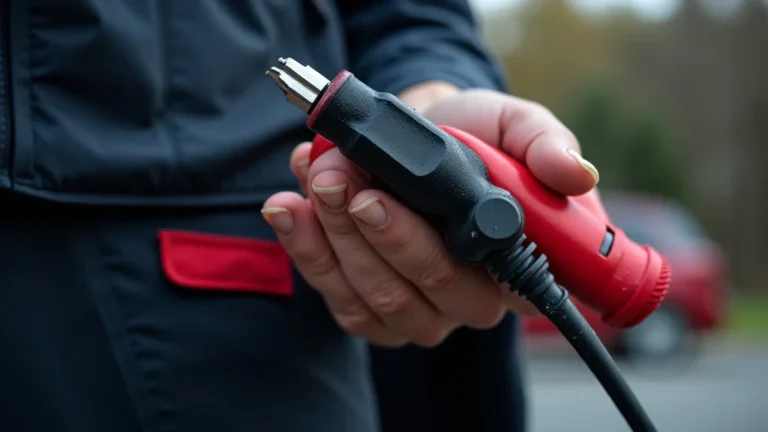
The clamps need to be robust and secure to ensure a solid connection. The cables should be thick enough to handle the high current without overheating. Many jump starters have color-coded clamps (red for positive, black for negative) to make the connection process easier and safer, which prevents accidental reverse polarity.
Circuit protection features include overcurrent protection, which shuts down the device if too much current flows; reverse polarity protection, which prevents power from flowing if the clamps are connected backward; and overcharge protection, which stops the battery from getting overfilled. These safety measures increase the device’s reliability.
Safety Features of Portable Jump Starters
Manufacturers often incorporate many safety features to make sure the jump starter is safe to use. These features are very important for preventing accidents and protecting your car’s electrical system. This section will explore some common safety features. They’re designed to give you peace of mind when using a jump starter.
Reverse Polarity Protection
Reverse polarity protection is a critical safety feature. It prevents the jump starter from operating if the clamps are connected to the battery terminals backward. This is a very common mistake. Connecting the clamps in reverse could damage the car’s electrical system and the jump starter. Reverse polarity protection usually involves a circuit that checks the polarity before allowing power to flow. If it detects that the terminals are connected wrong, it will shut down the device. This feature prevents damage.
- How It Works: The jump starter has sensors that detect the polarity of the connection. If the red clamp is connected to the negative terminal and the black clamp to the positive terminal, the device will not provide power.
- Importance of Polarity: Connecting the jumper cables or the jump starter incorrectly can cause significant damage to your car’s electrical system. This can include blowing fuses, damaging the car’s computer, or short-circuiting other electronic components.
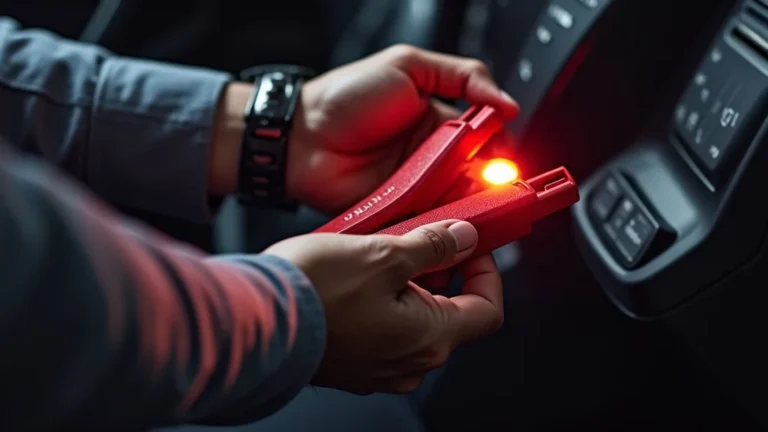
- Indicators and Warnings: Most jump starters with reverse polarity protection have visual and audible alerts. These will let you know if the clamps are connected backward. A light on the device may flash or change color, and the device will beep.
These sensors are linked to the device’s internal circuitry, which controls the power flow. When reverse polarity is detected, the circuit will block any current from passing through. The jump starter will then display an error message. It will also sound an alert.
Reverse polarity protection saves your vehicle from potentially costly repairs. It is also an important safety feature. It protects you from the risk of electric shock and potential fire.
These alerts quickly let you know that the connection is incorrect and allows you to fix the problem before damage occurs. Always check the indicators on your jump starter before you attempt to jump start your vehicle.
Overcurrent Protection
Overcurrent protection prevents the jump starter from delivering too much current. It’s designed to protect the jump starter and your car’s electrical system from damage. When starting a vehicle, especially one with a completely dead battery, there’s a risk of drawing a very high current. The jump starter’s internal circuitry monitors the current flow. If the current exceeds a safe level, the protection circuit will cut off the power. It prevents the jump starter from being damaged and your car’s electrical system.
- How It Works: The overcurrent protection circuit uses sensors to monitor the flow of electricity. It continuously assesses the current level. If the current exceeds a pre-defined threshold, the circuit trips. It shuts down the device or restricts the current.
- Benefits: The main benefit of overcurrent protection is the safety it offers. It protects the jump starter’s internal components from damage. It protects the vehicle’s electrical system from surges that could fry components.
- Troubleshooting: If a jump starter with overcurrent protection shuts down during use, it could mean there is a problem. Make sure the clamps are making good contact with the battery terminals.
This response can be very quick, preventing damage from occurring in a matter of milliseconds. The system may also include fuses or circuit breakers. These will cut the power if the current becomes too high.
It also protects the user from injury. Excessive current can cause sparks or generate heat. Overcurrent protection reduces the risk of these hazards.
Also, check for any shorts or damage to the cables. If the issue is persistent, consult the jump starter’s manual or contact the manufacturer for guidance.
Overcharge Protection
Overcharge protection prevents the internal battery of the jump starter from being damaged. It’s also crucial for the safety of the user. Lithium-ion batteries used in most jump starters are sensitive to overcharging. This can degrade the battery’s performance and potentially lead to dangerous situations, like overheating or even explosion. Overcharge protection prevents this from happening.
- How It Works: Overcharge protection includes a control circuit that constantly monitors the battery’s voltage. This circuit cuts off the power when the battery reaches its maximum charge level. This prevents the battery from getting too full.
- Advantages: Overcharge protection extends the life of the jump starter’s battery and also helps to make it safe. It prevents the battery from overheating or swelling.
- Indicators and Warnings: Many jump starters have LED lights or display screens that indicate the battery’s charge level. When charging, these indicators usually show the charging progress.
These circuits work when the jump starter is connected to an external power source for charging. Modern jump starters often use sophisticated charging algorithms to keep the battery in optimal condition.
This is especially important for devices that are often left charging overnight or unattended. The safety feature provides peace of mind and reduces the risk of hazards.
When the battery is fully charged, the indicator will change or turn off. The user knows the device is ready to use without the risk of overcharging.
How to Safely Use a Portable Jump Starter
Properly using a portable jump starter is important for your safety and the longevity of your device. This section will guide you through the process, step by step, ensuring you know what to do. From preparing your car to making the connections, following these steps will help you jump-start your vehicle safely.
Step-by-Step Instructions
Using a portable jump starter is simple when you follow the right steps. This is a clear guide to help you jump-start your car safely.
- Prepare the Vehicle: Make sure your car is parked safely. Turn off the ignition and all electrical components, like lights and the radio. Remove any keys from the ignition. Open the hood. Locate the battery.
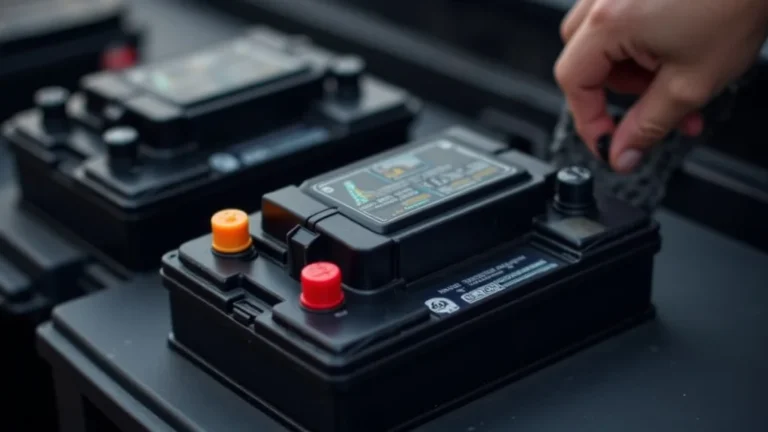
- Connect the Jump Starter: Locate the positive (+) and negative (-) terminals on your car battery. You will often find markings on the battery itself, or the terminals will have plus or minus symbols. Attach the red clamp to the positive terminal first.
- Start the Car: Once the jump starter is connected, turn on the jump starter. Then, try to start your car. Crank the engine for a short amount of time, no more than 5-10 seconds. If the car does not start immediately, stop and wait a few minutes before trying again.
- Disconnect the Jump Starter: Once the car has started, carefully remove the clamps in the reverse order. First, remove the black clamp from the car’s frame or grounding point. Then, remove the red clamp from the positive terminal.
- After Jump-Starting: Allow the car to run for at least 15-20 minutes to recharge the battery. Then, after using the jump starter, recharge the jump starter immediately. This will ensure that it is ready for the next time you need it.
Also, make sure the jump starter itself is charged. Check the indicator lights on the jump starter. This will let you know how much power is available.
Then, attach the black clamp to a metal part of the car’s frame away from the battery. This helps reduce the risk of sparks. Make sure the clamps have a solid connection.
If the car still won’t start, there might be a more serious problem. Check the connections. Review the user manual for the jump starter.
Avoid letting the clamps touch each other or any other metal parts of the car while disconnecting. Ensure all connections are secure and the device is safely stored.
Check your car battery to ensure it can hold a charge. If your battery is old or damaged, consider getting it checked or replaced.
Essential Safety Tips
Following a few safety tips can make using a portable jump starter safer. The following guidelines reduce risks and protect both the device and you.
- Read the Manual: Before using any portable jump starter, read the manufacturer’s manual. This guide will provide specific instructions and safety guidelines. These instructions are helpful to familiarize yourself with the device’s features.
- Wear Protective Gear: When working around car batteries, it’s wise to wear protective gear. This can include safety glasses to protect your eyes from battery acid or sparks. Wear gloves to protect your hands from grease and dirt.
- Ventilation: Car batteries release hydrogen gas, which can be explosive. Always make sure the area where you are working is well-ventilated. Work outdoors, or in a garage that is well-ventilated.
- Keep Away from Children: Portable jump starters should be kept away from children. These devices contain powerful batteries and electrical components. Improper handling can be dangerous.
It includes information about how to properly connect and use the jump starter. You will also learn about its safety features and what to do if there is a problem. By reading the manual, you can avoid common mistakes.
This equipment reduces the risk of injury. It also prevents you from inadvertently touching any electrical parts.
Avoid working near open flames or anything that could create a spark. Adequate ventilation will reduce the risk of a hazardous situation.
Always store the jump starter in a secure location. Keep it out of reach of children. Explain to children the dangers associated with electrical devices.
Common Mistakes and How to Avoid Them
Even with clear instructions, mistakes happen. Knowing the most common errors allows you to avoid them. Avoiding these pitfalls can help keep you and your vehicle safe when jump-starting.
- Connecting Clamps Backwards: One of the most common mistakes is connecting the jump starter clamps in reverse. This is why reverse polarity protection is so important.
- Letting the Clamps Touch: Never allow the clamps to touch each other while they are connected to the battery. This creates a short circuit. It can damage the jump starter and possibly injure you.
- Over-Cranking the Engine: If your car doesn’t start right away, don’t crank the engine for too long. Over-cranking can overheat the starter motor and drain the jump starter’s battery.
- Using a Jump Starter on a Damaged Battery: Using a jump starter on a battery that’s damaged or leaking can be unsafe. Leaking batteries contain sulfuric acid, which is corrosive. It is a hazardous substance.
Always double-check that you’re connecting the red clamp to the positive (+) terminal and the black clamp to the negative (-) terminal. Make sure that the clamps make secure contact with the terminals.
When connecting or disconnecting the clamps, ensure that they do not come into contact with each other. This is especially important when using a jump starter near fuel lines.
If the car doesn’t start within a few seconds, stop and allow the engine to cool down. Wait a few minutes and try again. It’s also helpful to inspect the vehicle’s battery. It may not be holding a charge.
If you see any signs of damage, such as cracks, bulges, or leaks, do not use the jump starter. Seek professional assistance to diagnose the battery issue and replace the battery.
Choosing the Right Portable Jump Starter
When selecting a portable jump starter, there are different factors to consider. These will help you choose a device that meets your needs. From capacity and power to extra features, here’s a guide to assist you in making the proper decision.
Understanding Key Specifications
To choose the right jump starter, you need to know a few important specifications. These factors will give you a better idea of how it will perform. These specs affect how the device works, its suitability for your car, and how safely you can use it.
- Peak Amps: Peak amps is the most critical specification. It shows the maximum current the jump starter can deliver at once. This value determines its capability to start your vehicle.
- Cranking Amps: Cranking amps is another important metric. It is the amount of current the jump starter can deliver over a certain period (usually 30 seconds) to start the engine. This rating is another indicator of a jump starter’s starting power.
- Battery Capacity: Battery capacity, measured in milliamp-hours (mAh) or amp-hours (Ah), tells you how much energy the jump starter can store. The more energy the jump starter stores, the more times you can use it before recharging it.
- Additional Features: Many modern jump starters come with extra features. These can improve their convenience and utility. These could include USB ports for charging phones and other devices. Also, a built-in LED flashlight.
Some even come with a digital display to show the charge level and other information. Consider these extras when making your decision, as they could add value to your device.
A higher peak amp rating is better. This will enable it to start larger engines and cars with more demanding power needs. For smaller cars, a jump starter with 400-600 peak amps is often enough. For trucks and SUVs, you might want one with 800-1000 amps or more.
It is important to consider the vehicle’s engine size and the cold-cranking amps. Make sure the jump starter has a cranking amp capacity that matches or exceeds your vehicle’s requirements.
Higher capacity batteries also tend to be able to deliver a more stable power output. This is useful in challenging conditions. Look for a jump starter with a capacity that suits your usage. Consider how frequently you need to use the device.
Selecting the Right Model
Choosing the best jump starter involves more than just the specifications. Your vehicle type, usual driving conditions, and personal preferences all play a role. These recommendations will help you choose the right model to meet your specific needs.
- Vehicle Type: Make sure the jump starter is suitable for your vehicle. Compact cars generally need less power than larger trucks or SUVs. Also, diesel engines typically require more power than gasoline engines.
- Usage Frequency: How often do you think you’ll need to use the jump starter? If you only need it occasionally, a basic model with a moderate capacity will probably suffice. If you live in an area with cold winters or frequently experience battery issues, consider a higher-capacity jump starter.
- Portability and Size: Jump starters come in various sizes and weights. Consider how easy it is to store the device and whether it’s easy to move around. Compact, lightweight models are useful if you need to carry them in your car regularly.
- Brand Reputation and Reviews: Choose a jump starter from a well-regarded brand. Do some research. Read reviews from other users. This can offer helpful insight into the device’s reliability, performance, and customer support.
Assess your vehicle’s engine size and type. Then, choose a jump starter with the right peak amp rating. Consider your car’s cold-cranking amps if you live in an area with cold temperatures.
Consider the ease of use and portability, which will enhance your overall experience. Consider factors such as USB charging to get the most from your jump starter.
If you have limited space, select a jump starter with a small footprint. If you need it for occasional use, you may prefer a larger model. This will provide greater power and additional features.
A product with lots of positive reviews is generally reliable. Check for any reported issues, such as short lifespans or problems with the safety features. Choose models with positive feedback. That way, you’re less likely to have issues.
| Feature | Budget Jump Starter | Mid-Range Jump Starter | Premium Jump Starter |
|---|---|---|---|
| Peak Amps | 400-600A | 800-1000A | 1200A+ |
| Battery Capacity | Low | Moderate | High |
| USB Charging | Yes | Yes | Yes |
| LED Flashlight | No | Yes | Yes |
| Price | $50-$80 | $80-$150 | $150+ |
Frequently Asked Questions
Question: Is it safe to leave a portable jump starter plugged in all the time?
Answer: It is generally safe to leave a portable jump starter plugged in, but make sure to check the manufacturer’s guidelines. Most modern jump starters have overcharge protection, which prevents them from being damaged when plugged in. However, to ensure safety, always follow the manufacturer’s advice.
Question: Can a portable jump starter damage my car’s electronics?
Answer: When used correctly, a portable jump starter is unlikely to damage your car’s electronics. These devices often have built-in safety features like reverse polarity and overcurrent protection. These features prevent the jump starter from sending too much power, or being connected incorrectly.
Question: How often should I recharge my portable jump starter?
Answer: Recharge your portable jump starter after each use. Also, recharge it every 3-6 months. This helps to maintain the battery’s health and ensures it’s ready when needed. Look at your device’s owner’s manual for specific instructions.
Question: Can a portable jump starter start a dead battery in all conditions?
Answer: While portable jump starters are very helpful, they cannot solve all battery problems. A jump starter can help start a car with a dead battery. However, a jump starter might not work if the battery is severely damaged. In such cases, professional help might be needed to diagnose and repair the issue.
Question: What should I do if my portable jump starter fails to start my car?
Answer: If the jump starter does not work, check to ensure the clamps are connected correctly. Double-check for proper contact on the battery terminals. Try turning the jump starter on. If it still doesn’t work, review the user manual, or contact the manufacturer for support.
Final Thoughts
So, is a portable jump starter safe? When you know how to use it, it’s very safe. It’s also very useful. Modern jump starters have many safety features. You can make sure you’re safe by learning how they work and following the proper steps. Make sure to choose the right jump starter for your car and usage needs. Read the manual and wear some safety gear. Doing these things can make jump-starting easy and safe. Remember to always double-check your connections and read the instructions. With a little care, you’ll be prepared for any battery troubles that come your way!