Idle Issues After Battery Replacement Explained Step by Step
Swapping out your car’s battery can sometimes lead to unexpected problems, like idle issues after battery replacement. Don’t worry if your engine starts acting up after the change; it’s a common experience for many drivers! This can happen because the car’s computer needs to relearn the engine’s settings. We’ll explore the main causes of this and provide a straightforward, easy-to-follow guide to get your car running smoothly again. Ready to troubleshoot?
What Causes Idle Issues After Battery Replacement?
When you disconnect your car’s battery, you’re essentially cutting off power to the vehicle’s computer, also known as the Engine Control Unit or ECU. This ECU stores important data about your engine’s performance, like how much fuel to inject and when to fire the spark plugs. This information helps the engine run efficiently. Replacing the battery wipes away some of this data, forcing the ECU to “relearn” the optimal settings for your specific engine. This relearning process can cause the engine to idle roughly or stall immediately after the new battery is installed. This process is important for the car to adapt back to its ideal performance, but it can be a bit of a hiccup in the beginning.
The Role of the Engine Control Unit (ECU)
The ECU is the brain of your car. It constantly monitors various sensors, such as the throttle position sensor, mass airflow sensor, and oxygen sensor, to gather data about your engine’s performance. The ECU then uses this data to make adjustments to things like fuel injection and ignition timing. These adjustments are vital for keeping your engine running smoothly and efficiently. When the battery is disconnected, the ECU loses its stored data. This means the car must start from scratch to learn the ideal settings. Imagine it like forgetting the recipe to your favorite dish; the first few tries might not be perfect. The ECU needs time and driving to readjust and learn the correct engine parameters.
- Fuel Injection: The ECU controls how much fuel goes into the engine. This is critical for power and fuel economy.
- Ignition Timing: The ECU controls when the spark plugs fire. This is important for smooth starts and proper combustion.
- Sensor Data: The ECU uses readings from various sensors to make its calculations.
- Adaptive Learning: The ECU continuously updates its settings based on engine conditions.
The ECU’s memory functions similarly to your computer’s short-term memory (RAM). When the power is cut, this memory is cleared. The ECU then needs to go through a learning process to optimize the engine’s settings. This relearning often involves a period of driving under different conditions to allow the ECU to readjust for optimal performance. You can compare this to a person relearning a task after an extended break. They may need to practice a bit to get back to their usual level of skill. Many modern vehicles have sophisticated ECU systems, but the basic principle of relearning remains the same.
The Impact of Battery Disconnection
Disconnecting the battery can disrupt the delicate balance the ECU has created. The vehicle might experience rough idling, stalling, or hesitation upon acceleration. The severity of these symptoms varies depending on the car’s age, make, and model. However, the good news is that these problems are usually temporary. The car’s computer is designed to adapt, and with a bit of driving, it will gradually restore its optimal settings. It’s much like a human adapting to a new environment; it takes some adjustment time. This transition period is key in getting your engine back to peak performance. Understanding how the battery disconnection affects the car’s computer is the first step toward resolving the issue.
- Loss of Learned Data: The ECU loses stored information about engine performance.
- Rough Idling: The engine may idle erratically or unevenly.
- Stalling: The engine might stall, especially at low speeds or when starting.
- Hesitation: The vehicle may hesitate when accelerating.
The extent of the impact also depends on the type of ECU your car has. Older cars may require more driving time for the ECU to relearn the optimal settings. Modern vehicles often have more advanced systems that can adapt more quickly. Some cars might even have a specific “relearn” procedure you can perform. However, even with the most advanced systems, it’s normal to see some temporary changes in engine behavior after a battery replacement. These changes are a sign that the ECU is recalibrating and that the car is adjusting to the new power source.
Step-by-Step Guide to Resolving Idle Issues
If you’re facing idle issues after battery
Initial Steps After Battery Replacement
After installing your new battery, there are a few preliminary steps you should take to help the ECU reset properly. These steps are essential for setting the stage for the relearning process. By following them, you can increase the effectiveness of the subsequent procedures. These are easy actions to start the recovery of your engine’s performance after the battery change.
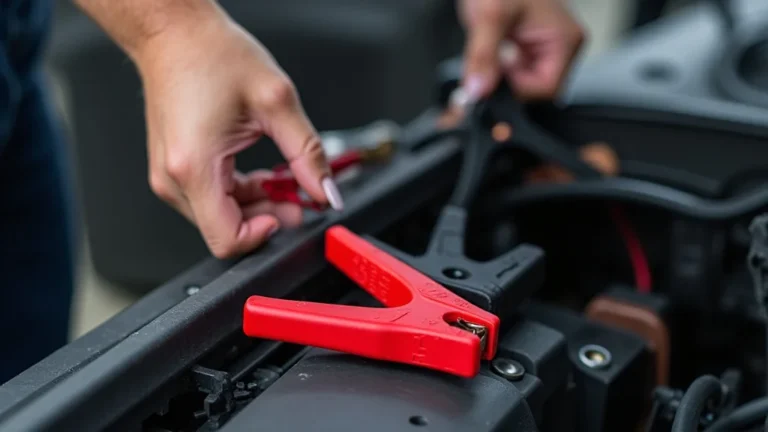
- Ensure Proper Connections: Double-check that the battery terminals are securely connected to the correct posts. Loose connections can cause electrical issues.
- Check for Error Codes: Use an OBD-II scanner to check for any diagnostic trouble codes (DTCs). These codes can indicate issues that need immediate attention.
- Allow for Initial Startup: Start the engine and let it idle for a few minutes without touching the gas pedal. This allows the ECU to collect initial data.
- Test Basic Functions: Check that all electrical components, such as lights, radio, and power windows, are working correctly.
Proper connections are key. A loose connection can cause the ECU to function erratically, hindering the learning process. The OBD-II scanner is a valuable tool. It can identify existing problems and provide information about the engine’s status. Allowing the engine to idle briefly allows the ECU to take its first readings. Checking the electrical components confirms that the car’s systems are working correctly after the battery change. Starting with these steps is fundamental for a smooth recovery.
The ECU Relearning Procedure
The ECU relearning procedure is a series of steps that help the ECU recalibrate its settings. The following actions usually help the ECU get back to its usual operational state. Keep in mind that the exact procedure can vary depending on your car’s make and model, so always refer to your owner’s manual for specific instructions. Most procedures involve some period of driving under different conditions.
- Idle for 5-10 Minutes: Let the engine idle in park for the specified time without touching the accelerator. This allows the ECU to establish baseline idle settings.
- Drive Under Various Conditions: Drive the car at different speeds, with varying acceleration, and in different driving modes (city, highway, etc.).
- Perform a Cold Start: Start the car after it has been sitting overnight to allow the ECU to adjust to cold-start conditions.
- Use Air Conditioning: Turn on the air conditioning to let the ECU adjust to the increased load on the engine.
Idling in park provides the initial data the ECU needs to work with. Driving under different conditions gives the ECU a chance to adapt to various driving scenarios. Performing a cold start helps the ECU fine-tune its settings for starting in cold weather. Using the air conditioning helps the ECU learn how to handle the extra load when the AC is running. These steps enable the ECU to restore normal engine operation. The more varied the driving conditions, the faster the ECU will learn.
Advanced Techniques and Considerations
In some cases, the basic relearning procedure might not fully resolve the idle issues after battery
- OBD-II Scanner Reset: Some cars require resetting the ECU using an OBD-II scanner. Consult your car’s manual for details.
- Throttle Body Cleaning: A dirty throttle body can exacerbate idle issues. Cleaning it can help.
- Air Intake Inspection: Inspect the air intake system for leaks or blockages. These issues can affect the engine’s performance.
- Professional Diagnostics: If the problem persists, seek professional help. A mechanic can diagnose more complex issues.
Using an OBD-II scanner can speed up the learning process. Cleaning the throttle body can help restore proper airflow, particularly if the vehicle has high mileage. Inspecting the air intake system helps ensure the engine is getting sufficient air. If the issue is persistent, a professional diagnosis is the best approach to find the underlying cause. Sometimes, hidden faults or software glitches may complicate the process. Getting expert help can pinpoint the root cause.
Troubleshooting Common Problems
Sometimes, even after following the steps, problems might still occur. It’s essential to identify and troubleshoot the most common issues that can arise. This can help you address the problems more efficiently. By understanding these issues, you can improve your chances of fixing the problems. Here are some of the most frequent problems and how to approach them.
Rough Idling and Stalling
Rough idling and stalling are the most typical symptoms after a battery replacement. These issues generally resolve as the ECU relearns its settings. However, there are some reasons why these symptoms can persist. By understanding what contributes to rough idling and stalling, you can better address these issues. Patience and a systematic approach usually fix these issues. Rough idling often feels like the engine is shaking or vibrating irregularly.
- Air Leaks: Check for any vacuum leaks that could be causing an uneven air/fuel mixture.
- Dirty Throttle Body: A dirty throttle body can restrict airflow. Cleaning it can help.
- Faulty Sensors: A malfunctioning sensor, like the mass airflow sensor (MAF), can lead to these problems.
- Fuel System Issues: Problems with the fuel pump or injectors can affect engine performance.
Vacuum leaks let in extra air, throwing off the air/fuel balance. A clogged throttle body stops the correct amount of air from getting to the engine. Faulty sensors cause the ECU to receive incorrect data. Problems with the fuel system could be from a fuel pump that isn’t working as it should, or injectors that are clogged. By checking for these problems, you can find the origin of the rough idling or stalling. Addressing these issues will allow the engine to return to its original operational state. It’s very likely these problems will disappear once corrected.
Poor Acceleration and Hesitation
Poor acceleration and hesitation are another set of problems that can follow a battery change. These issues affect the driving experience, making acceleration slow. Fortunately, these problems are usually temporary. Understanding the causes of this issue is important for resolving it. These problems can often be fixed with a few simple procedures. Addressing these causes can help restore your car’s acceleration.
- ECU Learning: The ECU may still be adjusting to the new battery. Continue to drive under varied conditions.
- Fuel Delivery Issues: A clogged fuel filter or faulty fuel pump can cause hesitation.
- Ignition System Problems: Problems with spark plugs or ignition coils can lead to poor acceleration.
- Transmission Issues: Issues with the transmission can mimic acceleration problems.
The ECU needs more driving to completely adapt to the new battery. A clogged fuel filter stops enough fuel from going to the engine. Problems with spark plugs or coils can make the engine misfire. Transmission issues can feel like acceleration problems but have a different origin. Continuing to drive under different conditions helps the ECU complete the learning process. If the acceleration problems persist, consider checking the fuel delivery and ignition systems. Addressing these potential problems will typically restore normal acceleration.
Other Possible Symptoms and Solutions
Apart from rough idling, stalling, and poor acceleration, other problems might show up after a battery
- Check Engine Light: If the check engine light comes on, use an OBD-II scanner to identify the error code.
- Erratic Behavior: Unusual behavior from other car systems (lights, radio, etc.) could indicate a deeper electrical problem.
- Battery Drain: If the battery keeps draining, there might be a parasitic draw, such as a faulty component drawing power even when the car is off.
- Transmission Issues: Although less common, the transmission may behave differently due to changes in the ECU data.
The check engine light warns of engine problems that need checking with an OBD-II scanner. Erratic behavior from other car systems suggests an electrical fault. Battery drain means the car is losing power for unknown reasons. The transmission may show changes after a battery replacement, which might resolve after driving. These additional symptoms suggest various electrical or engine issues. Careful examination will help to identify the origin of the problem. Addressing the underlying problem will restore the system’s function.
Real-Life Examples and Case Studies
Seeing how others have handled idle issues after battery replacement can offer helpful insights. This section covers actual cases and their outcomes, allowing you to learn from real-world situations. Real-life examples can often provide clear answers for the issues you might face. These cases provide valuable lessons about handling similar problems.
- Case Study 1: Honda Civic
A driver of a Honda Civic replaced their battery and immediately noticed rough idling and stalling. They followed the basic relearning procedure described earlier. They let the car idle for 10 minutes and then drove it under varied conditions (city, highway, AC on). After a few days, the issues went away, and the car returned to running smoothly. The key to their success was patience and consistent driving.
- Case Study 2: Ford F-150
A Ford F-150 owner changed their battery and had trouble with poor acceleration. They checked their OBD-II scanner, which showed a code for a faulty mass airflow sensor (MAF). They
These real-life scenarios highlight the need to be thorough and patient. In the first case, simple relearning solved the problem. The Honda Civic owner had to let the ECU complete its reset procedure. In the second case, finding and fixing a sensor issue solved the acceleration problem for the Ford F-150. These examples show the variety of problems and how they were solved. They also show how important it is to follow instructions and troubleshoot carefully. Each situation demonstrates the importance of a systematic and patient approach to restoring optimal engine performance.
Tips for Preventing Issues in the Future
Although the issues after battery replacement usually resolve, there are methods to lower the chances of problems. By doing so, you can reduce the disruption caused by battery changes. These tips could save time and energy. Preventive measures play a key role in making sure the transition to a new battery runs smoothly.
- Use a Battery Maintainer: If you are storing your car for an extended period, a battery maintainer can keep the battery charged and prevent data loss.
- Check Connections Regularly: Periodically check that your battery terminals are clean and tight to prevent electrical problems.
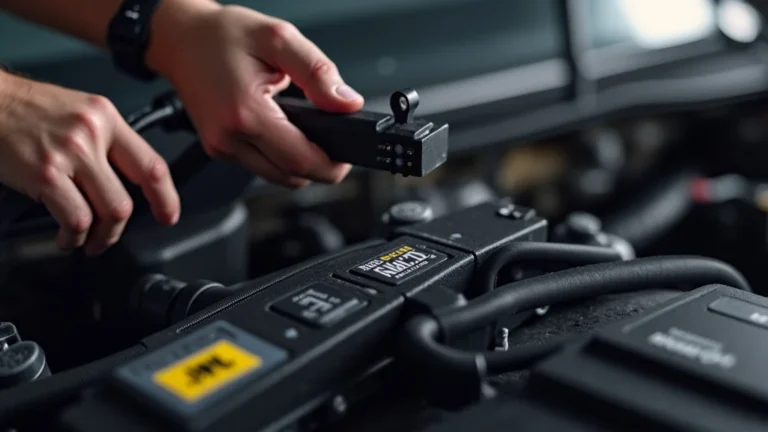
- Use a Memory Saver: A memory saver device can be used to keep power running to your car’s computer when changing the battery, preserving the ECU’s settings.
- Consult Your Owner’s Manual: Always consult your car’s manual for specific instructions on battery replacement.
A battery maintainer keeps the battery charged, which prevents data loss when storing the car for longer periods. Regularly checking the battery terminals helps prevent future electrical issues. A memory saver tool keeps the car’s computer settings when changing the battery. Following your car’s manual ensures you’re replacing your battery as recommended. Using these tips helps lessen issues related to a battery replacement. Also, following these tips helps ensure the car’s computer data isn’t lost. This knowledge promotes a smooth start-up after a battery change.
| Preventive Measure | Benefit |
|---|---|
| Battery Maintainer | Keeps battery charged, preventing data loss during storage. |
| Regular Connection Checks | Prevents electrical issues and ensures reliable power. |
| Memory Saver | Preserves ECU settings during battery change, minimizing idle problems. |
| Following Owner’s Manual | Ensures proper procedures and avoids potential problems. |
Frequently Asked Questions
Question: Why does my car stall after replacing the battery?
Answer: Stalling is often caused by the ECU needing to relearn the engine’s settings. This is a common issue and can be resolved by driving the car under different conditions.
Question: How long does it take for the ECU to relearn?
Answer: The relearning process can take anywhere from a few minutes to a few days of driving. It depends on your car and how you drive.
Question: Should I disconnect the negative terminal first when replacing the battery?
Answer: Yes, always disconnect the negative terminal first when removing a battery and connect it last when installing a new battery.
Question: What is a memory saver and do I need one?
Answer: A memory saver is a device that maintains power to the car’s computer when changing the battery. While not always needed, it can prevent the ECU from losing its settings and can be a convenient option.
Question: What should I do if the problems persist after driving for a while?
Answer: If the problems persist, it’s best to have your car checked by a mechanic. There might be an underlying issue that needs professional diagnosis.
Final Thoughts
Dealing with idle issues after battery