How to Warm a Cold Car Battery Safely and Effectively
Getting your car started on a chilly morning can be tough. If your car is struggling to start, the cold might be the problem. Many car owners have faced this, making how to warm a cold car battery a common issue. You’re probably wondering how to fix it without damaging your car. Don’t worry, this guide will provide a straightforward, step-by-step approach to get your car running. We’ll explore several methods that can help you get back on the road. Let’s get started!
What Causes a Car Battery to Struggle in the Cold?
Cold weather significantly impacts car batteries. The chemical reactions that produce electricity slow down when temperatures drop. This means the battery generates less power. The engine needs more power to turn over in cold weather, as the oil becomes thicker and creates more resistance. This combination can make it hard for the battery to deliver the necessary current to start the engine. Different factors worsen the situation. For example, older batteries struggle more than newer ones. Corrosion on terminals and other component issues make it difficult for batteries to perform their duties. Knowing the causes helps us address the problem.
The Science Behind Cold Battery Performance
Car batteries work through a chemical process. This process is highly sensitive to temperature. The battery’s electrolyte, a mixture of sulfuric acid and water, undergoes a reaction to produce electricity. In cold conditions, the electrolyte thickens. It slows down the movement of ions necessary for this process. Reduced ion movement leads to lower voltage and current output. Basically, the battery’s ability to release energy drops off. The colder it gets, the weaker the battery becomes. As a result, the engine experiences difficulty during the startup phase. As the temperature drops below freezing, a battery can lose a significant portion of its available cranking power. This can affect how well the engine starts.
- Chemical Reactions: Inside a battery, chemical reactions release electrons. This electron flow generates electricity. The rate of these reactions drops in cold weather, reducing the power available.
- Electrolyte Density: The electrolyte solution becomes more dense in the cold. Denser electrolyte slows ion movement, essential for electricity production. This causes the battery to perform poorly.
- Internal Resistance: Cold increases the internal resistance of a battery. This increased resistance reduces the current flow, affecting the battery’s ability to supply power to start the engine.
Consider a simple analogy. Think of the battery as a water pump and the engine’s starter as a water-powered wheel. In warm weather, the pump runs easily, providing ample power to turn the wheel. In cold weather, the water becomes thicker. It’s difficult for the pump to function, affecting the wheel’s ability to turn.
How Temperature Impacts Battery Power
The relationship between temperature and battery performance is direct. As the temperature decreases, the battery’s available power does too. This is due to the physical and chemical changes occurring within the battery. A battery that performs well at warmer temperatures may struggle in the cold. Battery capacity decreases rapidly as temperatures go down. Some sources indicate that battery output can drop by as much as 35% at freezing temperatures, which can severely hinder the engine’s start-up process. Understanding this impact helps anticipate and manage potential start-up problems in winter.
- Battery Capacity Reduction: Lower temperatures significantly reduce the capacity of a car battery. This means it can store less energy and provide less power.
- Increased Resistance: Cold weather increases the internal resistance of the battery, further decreasing its power output.
- Engine Oil Viscosity: Cold temperatures make engine oil thicker, increasing resistance and requiring more power to start the engine.
Consider the difference between running in summer and winter. When it is warm, the engine cranks up without any problems. In the winter, the same engine struggles. The battery’s performance plays a massive role in this difference. Proper battery maintenance and preparation for cold weather is essential.
Effective Methods on How to Warm a Cold Car Battery
There are several methods you can use to address a cold car battery. The best approach depends on your situation and resources. Some methods involve external sources of heat to warm the battery directly, while others use the car’s systems. Knowing each method’s advantages and disadvantages can help you make an informed choice. It is vital to prioritize safety throughout the process. Always take the necessary precautions before attempting any method. This section will detail several options that can effectively improve your cold car battery performance. We’ll explore safe and efficient ways to get your car started quickly.
Jump-Starting Your Car Battery
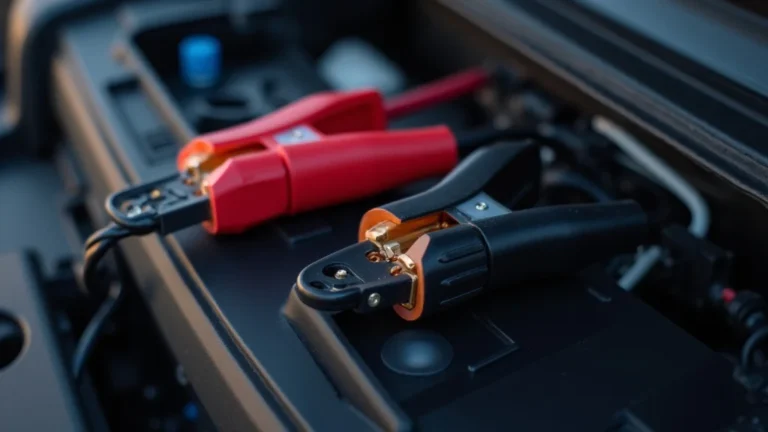
Jump-starting is a common, quick solution for a cold car battery that won’t start. It involves using another car’s battery or a portable jump starter to provide the necessary power. This method works by connecting jumper cables between your dead battery and the working one. Ensure both vehicles are properly positioned. Always connect the cables in the correct order to avoid damage. This method supplies the immediate power needed to start the engine. However, it’s not a long-term solution. It only gets your car running temporarily, especially when experiencing cold weather conditions. Once the car starts, it is essential to allow the car to run for a period to charge the battery from the alternator. After jump-starting, consider having your battery tested to ensure it is in good condition.
- Safety First: Before jump-starting, check for any obvious damage. Wear eye protection and ensure good ventilation.
- Connecting Cables: Connect the red (positive) cable to the positive terminals on both batteries first. Then, connect the black (negative) cable to the negative terminal on the working battery and a grounded, metal part of your car, away from the battery.
- Starting the Car: Start the car with the working battery, then attempt to start your car. If it starts, let it run.
- Disconnecting Cables: After starting, disconnect the cables in reverse order. Remove the black cables first, then the red ones.
Jump-starting is like giving your car a temporary energy boost. It’s a useful fix for immediate problems. It is crucial to remember this method provides temporary power and should be followed up with professional evaluation.
Using a Portable Battery Jump Starter
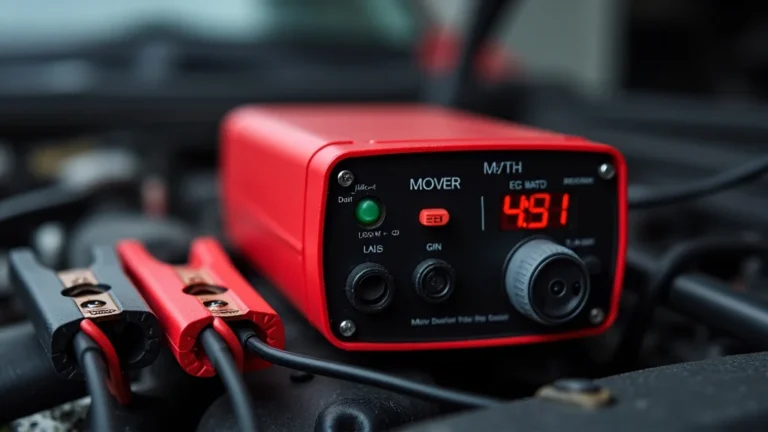
A portable jump starter is a battery-powered device designed to jump-start a car. These devices offer convenience and safety, particularly in situations where another vehicle isn’t available. They typically contain a high-capacity lithium-ion battery capable of delivering a powerful surge of energy to start a car. Many models come with safety features like reverse polarity protection and short-circuit protection, preventing damage to the car’s electrical systems. They are a good solution when you regularly encounter cold weather. Portable jump starters are an excellent, safe, and convenient tool for maintaining your car’s functionality in cold weather.
- Ease of Use: Portable jump starters are straightforward. Connect the clamps to your car’s battery terminals following the device’s instructions.
- Safety Features: Most portable jump starters include safety mechanisms. This protects both the user and the car’s electronics from damage.
- Portability: They are compact and easy to carry. This makes them ideal for emergencies or when you can’t access another vehicle.
- Maintenance: Recharge the portable jump starter after each use and follow the manufacturer’s recommendations for battery care and storage to ensure it’s always ready.
Imagine being stranded on a cold road. Having a portable jump starter can get you back on your way. It is a vital tool for car owners. It is a compact and reliable tool in emergencies.
Heating the Battery Directly
Heating the battery directly is an option to improve performance in cold weather. This can be accomplished by using a heating device to gently warm the battery. However, it’s essential to do this safely. Extreme heat can damage the battery. One way is to use a car battery warmer, which is specifically designed for the task. You can also use a hairdryer on a low setting, keeping it at a safe distance. Heating the battery directly can improve its internal chemical reactions, thereby boosting its performance. Always prioritize safety and exercise caution when applying heat.
- Safety Measures: Ensure proper ventilation. Avoid using open flames or devices that produce intense heat.
- Battery Warmers: Install a car battery warmer designed for use with a specific car battery size. This device offers a safer approach.
- Hairdryer Technique: Use a hairdryer on a low setting. Keep the hairdryer at a safe distance and monitor the battery temperature to avoid overheating.
Directly warming the battery is like giving it a jump-start from the inside. This can enhance its chemical reactions and improve its ability to deliver power. It’s an efficient way to get your car started quickly. Remember safety first. You want to avoid any damage.
Additional Tips for Maintaining a Car Battery in Cold Weather
Besides addressing immediate starting problems, maintaining your car battery is vital. Regular maintenance improves the battery’s lifespan and performance. The tips include seasonal checks and proactive measures to prevent issues. Understanding these strategies ensures your car starts reliably. Following these tips helps to avoid the problems associated with cold temperatures. This section will cover key steps to keep your car battery in top shape. Proactive measures are the most effective way to address battery-related issues.
Battery Inspection and Maintenance
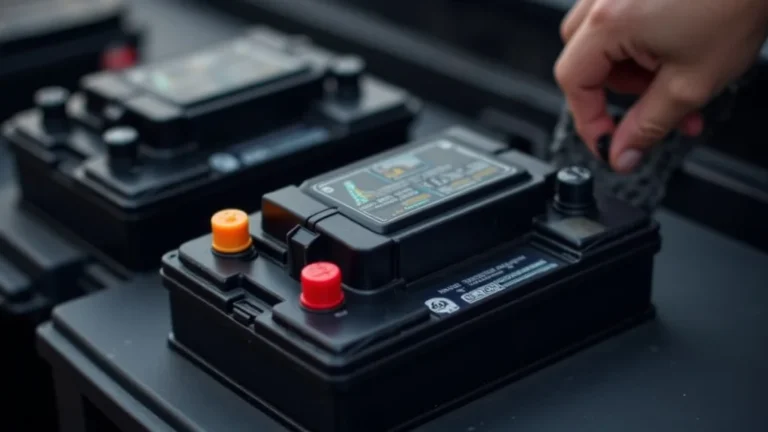
Regular battery inspection and maintenance are essential. This will improve its reliability. Examine the battery terminals for corrosion. Clean them with a mixture of baking soda and water if necessary. Check the battery’s fluid level. Top it off with distilled water if needed. Look for any signs of damage, such as cracks or swelling. Perform these checks regularly, especially before winter. A well-maintained battery is less likely to fail when it gets cold. These practices add years to your battery. They can also prevent potential starting problems.
- Terminal Inspection: Inspect the battery terminals. Look for any signs of corrosion. This will impact the battery’s ability to conduct electricity.
- Cleaning: Clean terminals with a mixture of baking soda and water to remove any buildup.
- Fluid Levels: Check the battery’s fluid level. Fill the battery with distilled water if needed.
- Damage: Inspect the battery case for cracks or other damage. Replace the battery if any signs of damage appear.
Imagine your battery as the heart of your car’s electrical system. Just like you take care of your heart, you should take care of your battery. Regular maintenance ensures that your car will start every time you need it.
Using Battery Chargers and Maintainers
Using a battery charger or maintainer can help extend your battery’s life and ensure optimal performance, particularly during cold seasons. Battery chargers can restore a deeply discharged battery by providing a controlled charge. Battery maintainers, on the other hand, provide a trickle charge. This trickle charge keeps the battery fully charged when the car is not in use. This prevents the battery from discharging. Using these devices prevents the battery from becoming weak in the cold. A good battery charger or maintainer can preserve the battery. It reduces the chance of experiencing a no-start situation.
- Chargers: Use a battery charger to recharge a depleted battery. This will bring the battery back to full power.
- Maintainers: Employ a battery maintainer. A maintainer will keep your battery fully charged. This is especially useful during extended periods of non-use.
- Regular Use: Regularly charge your battery, especially if you have short trips or park your car for extended periods.
A battery charger is like giving your battery a spa treatment. This will bring it back to peak condition. A battery maintainer works like a constant watch. It prevents it from losing power.
Seasonal Battery Health Checkups
Getting your battery checked by a professional during seasonal health checkups can identify potential problems. Mechanics can perform several tests to assess the battery’s condition. They will check the battery’s voltage, cranking amps, and overall health. They can diagnose potential issues before they become serious problems. Annual checkups can also identify early signs of wear and tear. This allows for proactive replacements. This will help you avoid getting stranded on a cold day. These checkups are a preventative measure.
- Voltage Testing: A mechanic will measure the battery’s voltage to check its ability to hold a charge.
- Cranking Amp Test: This test measures the battery’s power to start the engine.
- Visual Inspection: A thorough inspection can identify corrosion, cracks, or other signs of damage.
Think of it as an annual physical exam for your car’s battery. Detecting issues early will save you time and frustration. It also prevents the need for sudden and costly repairs.
Frequently Asked Questions
Question: How long does it take for a car battery to warm up?
Answer: The time varies depending on the method used and the severity of the cold. Jump-starting gets your car running right away. Direct heating methods like using a hairdryer might take a few minutes to show noticeable results.
Question: Can I damage my car battery by jump-starting it?
Answer: Jump-starting itself is generally safe. However, incorrect connection of the jumper cables can cause damage. Always follow the proper procedures and double-check your connections.
Question: What’s the best way to prevent cold-weather battery problems?
Answer: The best way is to keep your battery well-maintained. This includes regular inspections, cleaning the terminals, using a battery maintainer, and getting it checked annually.
Question: What should I do if my car battery keeps dying in the cold?
Answer: If your battery repeatedly dies, it’s time to have it tested. The battery may need replacing. Have a professional check the charging system to ensure it’s working properly.
Question: Is it safe to leave my car plugged in to a battery charger overnight?
Answer: Most modern battery chargers have features to prevent overcharging. Always follow the charger’s instructions. Avoid prolonged charging if the charger lacks automatic shut-off features.
Final Thoughts
Keeping your car running smoothly in the winter can be challenging. However, with the right information, handling a cold car battery becomes manageable. Understanding how to warm a cold car battery and taking proactive steps ensures reliable starts, even on the coldest days. From jump-starting to direct warming methods and regular maintenance, several options are available. The keys are understanding the causes of cold-weather battery problems and using the best tools. Regular checkups, terminal cleaning, and the use of battery maintainers are also crucial for preventative measures. By taking these steps, you can greatly reduce the chances of being stranded. Keep your car ready for any weather. Follow these guidelines, and you’ll be prepared for the cold. Your vehicle will start reliably, and you can drive with confidence.