Top Tips How to Store a Car Battery Safely and Extend Life

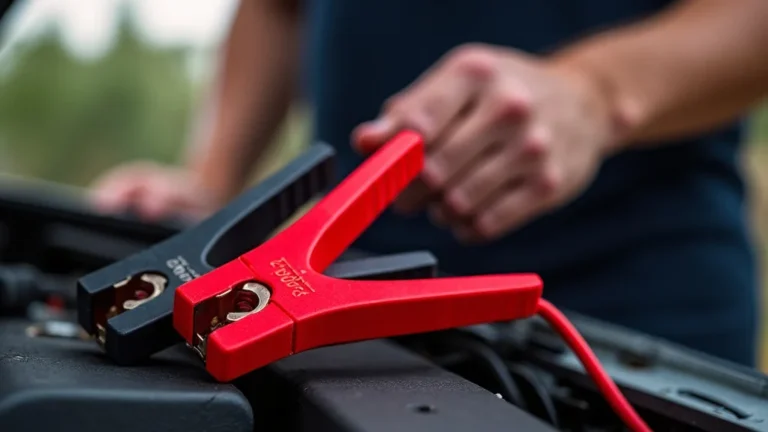
Featured image for how to store a car battery safely
Image source: publicdomainpictures.net
Always begin car battery storage with a full charge, ideally above 12.6 volts, and utilize a smart charger or maintainer for extended periods to prevent damaging discharge. Store the battery in a cool, dry, well-ventilated location, safeguarding it from extreme temperatures and direct sunlight, after ensuring its terminals are clean. Adhering to these crucial steps significantly extends battery life and ensures it’s always ready for use.
Hey there, fellow car enthusiast! Ever left your beloved vehicle sitting for a while, only to return and find it won’t start because the battery is completely dead? Ugh, it’s a frustrating experience, isn’t it? I’ve been there myself, more times than I’d like to admit, and it always seems to happen at the most inconvenient moment. A dead battery isn’t just an annoyance; it can be an unexpected expense and even shorten the overall lifespan of a perfectly good battery.
That’s why learning how to store a car battery safely is such a game-changer. Whether you’re tucking away a classic car for the winter, putting a seasonal vehicle into storage, or simply have a spare battery lying around, giving it a little care during its downtime can save you a lot of headaches and money in the long run. Think of it as giving your battery a cozy, protected hibernation.
Proper battery storage isn’t just about preventing it from dying; it’s about preserving its health and maximizing its usable life. We’re going to dive into some straightforward, actionable tips that will help you keep your car batteries in top-notch condition, ready to spring into action whenever you need them. Let’s make dead battery surprises a thing of the past!
Key Takeaways
- Clean Terminals: Thoroughly clean battery terminals and case before storage.
- Full Charge: Always store a car battery fully charged to prevent damage.
- Maintain Charge: Use a smart trickle charger or battery maintainer for longevity.
- Cool, Dry Place: Store in a cool, dry, and well-ventilated environment.
- Avoid Concrete: Place the battery on wood or a shelf, not directly on concrete.
- Regular Inspection: Periodically check voltage and visually inspect for any damage.
📑 Table of Contents
Why Proper Battery Storage Matters More Than You Think
You might think, “It’s just a battery, can’t I just leave it in the garage?” While technically you can, it’s far from ideal. Car batteries, especially the common lead-acid type, are living entities in a way; they constantly undergo chemical reactions. When left unattended, they naturally discharge over time, a process called self-discharge. This isn’t usually an issue when the battery is in active use and being recharged by your car’s alternator.
However, during storage, this self-discharge can lead to a condition called sulfation, where sulfate crystals build up on the battery plates. This build-up reduces the battery’s capacity to hold a charge and eventually renders it useless. Proper car battery storage prevents this damage, extending its life, saving you the cost of a new battery, and ensuring your vehicle is always ready to go. It’s a small effort for a big reward.
The First Step: Cleanliness and Inspection
Before you even think about putting your battery away, a little preparation goes a long way. This initial step is crucial for safe and effective how to store a car battery safely practices.
Gather Your Tools
- Safety goggles and gloves (non-negotiable for battery work!)
- A wrench for terminal removal (usually 10mm or 13mm)
- A wire brush or battery terminal cleaning tool
- Baking soda and water solution (for cleaning corrosion)
- Petroleum jelly or dielectric grease
Disconnect and Clean
First, always disconnect the negative (-) terminal first, then the positive (+) terminal. This prevents accidental short circuits. Once disconnected, give those terminals and the top of the battery a good scrub. You might be surprised by the amount of white or blue-green powdery corrosion. A mixture of baking soda and water (about a tablespoon per cup) works wonders to neutralize the acid and clean off corrosion. Rinse with clean water and dry thoroughly with a rag. Clean terminals ensure good connections later and prevent current leakage during storage.
Inspect for Damage
While you’re cleaning, take a moment to look over the battery case. Are there any cracks, bulges, or leaks? If you spot any significant damage, it might be time to replace the battery rather than store it. A damaged battery can be a safety hazard, so it’s better to be safe than sorry. Also, check the electrolyte levels in serviceable batteries (those with removable caps); if low, top them up with distilled water before storage.
Finding the Perfect Storage Environment
The conditions under which you store your battery play a huge role in its longevity. Think of it like storing delicate produce – the right environment keeps it fresh longer.
Temperature is Key
The ideal temperature for storing a car battery is generally between 40-60°F (4-15°C). Why? Because extreme temperatures accelerate self-discharge. Cold temperatures reduce battery capacity and can even freeze a deeply discharged battery, cracking its case. Hot temperatures accelerate internal chemical reactions, leading to faster degradation. A cool, stable environment like a basement or an insulated garage is often perfect. Avoid direct sunlight or areas next to heat sources.
Avoid Extreme Humidity
While not as critical as temperature, very high humidity can contribute to terminal corrosion, especially if the terminals aren’t perfectly clean and protected. A dry environment is generally better. Most garages or storage sheds are fine, but be wary of damp basements or outdoor storage where moisture can be an issue.
Location, Location, Location
Store the battery off concrete floors. While the myth that concrete drains battery charge isn’t entirely true for modern battery cases, a cold concrete floor can still chill the battery more rapidly than an elevated surface, which isn’t ideal for extending life. Place it on a wooden pallet, a piece of plywood, or a sturdy shelf.
Keeping It Charged: The Battery Tender is Your Best Friend
This is arguably the most crucial tip for how to store a car battery safely over an extended period. A fully charged battery lasts longer in storage.
Understanding Self-Discharge
Even a perfectly healthy battery will slowly lose its charge when not in use. This self-discharge rate is influenced by temperature and the battery’s age. If a battery is left to discharge too deeply, it enters that dreaded sulfation state we talked about earlier, which severely damages it. You want to prevent this deep discharge at all costs.
The Magic of a Trickle Charger/Maintainer
Enter the battery tender, also known as a trickle charger or battery maintainer. This device is specifically designed to keep your battery at an optimal charge level without overcharging it. It monitors the battery’s voltage and delivers just enough current to counteract self-discharge. It’s like putting your battery on a life support system, giving it just enough to stay healthy. I always recommend an automatic, smart charger that switches to a float mode once the battery is full. Just connect it, plug it in, and let it do its job!
Checking Battery Voltage Periodically
Even with a maintainer, it’s a good habit to periodically check the battery’s voltage with a multimeter, especially if you’re not using a smart charger. A fully charged 12-volt car battery should read around 12.6 to 12.8 volts. If it drops below 12.4 volts, it’s time to recharge it. For longer storage without a maintainer, you might need to top up the charge every 4-6 weeks.
Safety First: Handling and Storing with Care
Car batteries contain corrosive acid and can produce flammable gases. Safety should always be your top priority when learning how to store a car battery safely.
Ventilation is Vital
When batteries charge, they can release hydrogen gas, which is highly flammable. Always store and charge batteries in a well-ventilated area to prevent gas build-up. Never smoke or create sparks near a charging battery.
Preventing Spills and Corrosion
Store batteries upright on a stable surface. If you need to move them, do so carefully to avoid tipping and spilling the corrosive electrolyte. After cleaning, applying a thin layer of petroleum jelly or dielectric grease to the terminals can help prevent future corrosion, forming a protective barrier against moisture and air.
Safe Lifting Practices
Car batteries are heavy! Use proper lifting techniques to avoid back injury. If your battery has a built-in handle, use it. If not, consider a battery strap or caddy to move it safely. Don’t try to muscle a heavy battery by yourself if you’re uncomfortable; ask for help.
Reconnecting Your Battery: A Smooth Return to Service
When it’s time to bring your battery out of hibernation, a few simple steps ensure a smooth transition back into your vehicle.
Clean Terminals Again
Even with protective grease, a quick wipe-down of the battery terminals and cable ends before reconnection is a good idea. This ensures maximum conductivity.
Connect in the Correct Order
When reconnecting, always attach the positive (+) cable first, then the negative (-) cable. This reverses the disconnection process and minimizes the risk of sparks.
Final Voltage Check
Before starting your car, do a final voltage check. If it’s below 12.6V, give it a full charge with a regular charger before cranking. This puts less strain on your alternator and ensures a strong start.
Learning how to store a car battery safely isn’t rocket science, but it does require a bit of mindful effort. By following these tips, you’ll be well on your way to saving money, avoiding frustration, and enjoying the peace of mind that comes with a reliable, long-lasting car battery. Happy motoring!
Frequently Asked Questions
Why is proper storage important for a car battery?
Properly storing a car battery is crucial for both safety and longevity. Incorrect storage can lead to self-discharge, irreversible damage, and even pose fire or chemical hazards.
What’s the ideal environment to store a car battery safely?
To store a car battery safely, choose a cool, dry, and well-ventilated area away from direct sunlight and extreme temperatures. Maintaining a stable environment helps prevent accelerated self-discharge and damage to the battery’s internal components.
Do I need to charge a car battery before storing it long-term?
Yes, it’s highly recommended to fully charge your car battery before placing it into storage. A fully charged battery is less likely to sulfate, and maintaining a charge with a smart trickle charger or battery maintainer is essential for preventing deep discharge and extending its lifespan.
Should I disconnect or remove the car battery from my vehicle for storage?
For short-term storage, simply disconnecting the negative terminal can prevent parasitic drains. For longer storage periods (over a month), it’s best to remove the car battery entirely and store it in a controlled environment to ensure maximum safety and maintain its charge more effectively.
How often should I check on my stored car battery?
You should check on your stored car battery at least once a month, or ideally every two weeks, if not connected to a maintainer. Monitor its voltage and top it up with a charger if the voltage drops below 12.5 volts to prevent sulfation and irreversible damage.
What essential safety precautions should I take when storing a car battery?
Always wear appropriate personal protective equipment, such as gloves and eye protection, when handling a car battery. Ensure the storage area is well-ventilated to disperse any hydrogen gas, and keep the battery away from sparks, flames, or any conductive materials to prevent short circuits or explosions.