Expert Tips How to Stop Battery Corrosion Permanently
Featured image for how to stop battery corrosion
Image source: openclipart.org
To permanently halt battery corrosion, proactive prevention is paramount. After thoroughly cleaning existing corrosion, apply a protective barrier like petroleum jelly or a specialized anti-corrosion spray to battery terminals. This simple step, combined with regular checks, will safeguard your battery’s longevity and performance, preventing future damage.
Ever popped the hood of your car or opened a remote control only to be greeted by that unsightly, fuzzy, and often crusty white or bluish-green substance around the battery terminals? If so, you’re not alone. This uninvited guest is battery corrosion, and it’s more than just an eyesore; it’s a performance killer. It can weaken connections, drain power, and even shorten the lifespan of your valuable devices and vehicles.
The frustration is real when you realize a simple battery issue might be preventing your car from starting or your favorite gadget from working. But here’s the good news: battery corrosion isn’t an unbeatable foe. With the right knowledge and a little proactive effort, you can not only clean it up but also learn how to stop battery corrosion permanently. Think of me as your friendly guide, here to share some expert tips and practical advice to keep your batteries clean, healthy, and performing their best.
In this comprehensive guide, we’ll dive deep into understanding what causes this pesky problem, how to clean it effectively, and most importantly, how to stop battery corrosion from ever reappearing. Let’s get those battery terminals sparkling and ensure your power sources are always ready to go!
Key Takeaways
- Inspect Regularly: Check terminals for corrosion and secure connections often.
- Clean Immediately: Use baking soda solution to neutralize acid and clean terminals.
- Apply Protection: Coat clean terminals with dielectric grease or anti-corrosion spray.
- Ensure Tightness: Secure all battery connections firmly to prevent loose contact.
- Ventilate Properly: Good air circulation prevents gas buildup causing corrosion.
- Store Correctly: Keep batteries in a cool, dry environment away from extreme heat.
📑 Table of Contents
Understanding Battery Corrosion: Why It Happens
Before we can truly stop battery corrosion, it’s helpful to understand why it forms in the first place. It’s not just dirt; it’s a chemical reaction at play, a silent saboteur working against your battery’s efficiency.
The Chemical Reaction Behind the Crud
Most common batteries, especially lead-acid car batteries, rely on a delicate balance of chemicals. When this balance is disturbed, usually by leaks or gases escaping, they react with the surrounding air and metal terminals. For lead-acid batteries, the typical white or bluish-green powder is often lead sulfate or copper sulfate. This occurs when hydrogen gas, naturally produced by the battery during charging and discharging, reacts with the oxygen in the air and any impurities on the terminals. This reaction creates the corrosive material that impedes electrical flow. Alkaline batteries (like AA, AAA) can also corrode, usually forming a white, powdery substance when the potassium hydroxide electrolyte leaks out.
Common Causes of Battery Corrosion
- Overcharging: When a battery is overcharged, it heats up, causing the electrolyte solution to boil and vent more hydrogen gas. This excessive gas can then react with the terminals, leading to more significant battery corrosion.
- Undercharging/Sulfation: While seemingly opposite, undercharging can also lead to issues. When a lead-acid battery isn’t fully charged, lead sulfate crystals can build up on the plates, which can also contribute to corrosion and reduce battery efficiency.
- Loose Connections: A loose connection between the battery terminal and the cable creates resistance. This resistance generates heat, which can accelerate the chemical reactions that cause battery corrosion and lead to premature failure.
- Age and Wear: Like all things, batteries degrade over time. Their seals can weaken, allowing electrolyte to seep out. As a battery ages, it’s more prone to developing corrosion.
- Environmental Factors: High heat and humidity can accelerate the chemical processes that cause battery corrosion. Storing batteries in extreme conditions can make them corrode faster.
Essential Cleaning Tools and Techniques
So, you’ve spotted the dreaded battery corrosion. Don’t panic! Cleaning it effectively is the first step on your journey to stop battery corrosion permanently. Safety is paramount, so always wear protective gear.
Gathering Your Arsenal for a Clean Battery
- Safety First: Heavy-duty gloves (rubber or latex) and eye protection (safety glasses or goggles) are non-negotiable. Battery acid can cause serious burns.
- Cleaning Solution: A simple paste of baking soda and water is highly effective. Baking soda is an alkaline substance that neutralizes battery acid.
- Scrubbing Tools: A wire brush designed for battery terminals (often a circular brush that fits over the post) is ideal. An old toothbrush or a stiff-bristled non-metallic brush can also work.
- Wiping: Clean rags or paper towels.
- Rinsing: A spray bottle with clean water.
- Optional (but helpful): A battery terminal puller for stubborn cables and a battery post cleaner.
Step-by-Step Cleaning Process
Let’s walk through how to clean battery corrosion like a pro:
- Disconnect the Battery: Crucial safety step! Always disconnect the negative (-) terminal first, then the positive (+) terminal. This prevents accidental short circuits. For smaller batteries, simply remove them from the device.
- Prepare the Baking Soda Paste: Mix a few tablespoons of baking soda with a small amount of water until it forms a thick paste.
- Apply and Scrub: Apply the paste directly onto the corroded areas. You’ll see it fizz as it neutralizes the acid. Use your wire brush or toothbrush to scrub away the corrosion. Be thorough but gentle to avoid damaging the terminals. For hard-to-reach areas, a dedicated battery terminal brush is excellent.
- Rinse and Dry: Once the corrosion is gone, lightly spray the area with clean water to rinse off any remaining baking soda or residue. Immediately wipe the terminals and surrounding areas completely dry with a clean rag. Moisture can lead to new corrosion!
- Reconnect the Battery: Reconnect the positive (+) terminal first, then the negative (-) terminal. Ensure connections are snug.
Practical Tip: Always perform this task in a well-ventilated area, preferably outdoors, as the fumes can be irritating.
Proactive Prevention: How to Stop Battery Corrosion Before It Starts
Cleaning is great, but prevention is even better if you want to truly stop battery corrosion permanently. A little effort now can save you a lot of headache later.
Utilizing Anti-Corrosion Products
- Battery Terminal Grease/Petroleum Jelly (Vaseline): After cleaning and reconnecting your terminals, apply a thin layer of dielectric grease, petroleum jelly, or a specialized anti-corrosion spray over the terminals and cable clamps. This creates a barrier that prevents air and moisture from reaching the metal, thus preventing the chemical reaction that causes corrosion.
- Anti-Corrosion Washers/Pads: These are felt washers soaked in an anti-corrosion solution. You simply place them over the battery posts before connecting the cables. They provide a continuous protective barrier.
- Battery Terminal Protectors: These sprays or paints form a protective coating over the entire terminal and cable connection. They are excellent for long-term protection against battery corrosion.
Regular Maintenance Checks
A routine inspection is your best friend in the fight to stop battery corrosion.
- Visual Inspection: Make it a habit to visually inspect your battery terminals every few months, especially for car batteries or devices with frequently used power sources. Look for any signs of fuzz, powder, or discoloration.
- Tighten Connections: Ensure battery terminals are always tight. Loose connections are a primary cause of heat generation and subsequent corrosion. A simple check with a wrench can save you trouble.
- Clean Before it Appears: Even if there’s no visible corrosion, a quick wipe-down and reapplication of protective grease during your regular checks can significantly extend the life of your terminals.
- Check Fluid Levels (if applicable): For serviceable lead-acid batteries, ensure the electrolyte fluid levels are adequate. Low fluid levels can concentrate the acid and make corrosion more likely. Use distilled water to top them up, never tap water.
Proper Battery Installation and Storage
Beyond cleaning and applying protective measures, how you install and store your batteries plays a huge role in preventing future battery corrosion.
Secure Connections Are Key
When installing or reconnecting any battery, ensure the terminals are not only clean but also securely fastened. A snug connection means less resistance, less heat, and ultimately, less chance for battery corrosion to form. However, avoid overtightening, as this can strip the threads or damage the battery post itself, creating an even worse problem.
Smart Storage Solutions to Stop Battery Corrosion
- Cool, Dry Place: Store batteries in a cool, dry environment. Extreme temperatures, especially heat, can accelerate self-discharge and lead to leaks and corrosion. Humidity also contributes to the problem.
- Remove from Devices: If a device won’t be used for an extended period, remove its batteries. This prevents parasitic drain and potential leakage, which often results in battery corrosion inside the device.
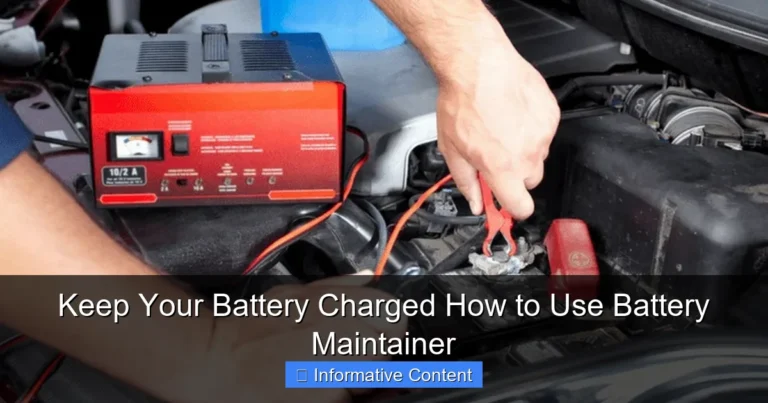
- Use Battery Maintainers: For vehicles or equipment stored for long durations (e.g., RVs, boats, motorcycles), a trickle charger or battery maintainer can keep the battery at an optimal charge level, preventing sulfation and maintaining battery health, thus helping to stop battery corrosion related to undercharging.
- Keep Upright: Store batteries upright to minimize the risk of electrolyte leakage.
Recognizing and Addressing Battery Health Issues
Sometimes, battery corrosion is a symptom of a larger underlying issue with the battery itself. Learning to recognize these signs can help you prevent recurring corrosion and know when it’s time for a replacement.
Signs of a Dying Battery
If you’re constantly battling battery corrosion, or if you notice these signs, your battery might be nearing its end:
- Slow Cranking (Car Batteries): If your car starts slowly or hesitantly, it’s a classic sign of a weak battery struggling to deliver enough power.
- Devices Not Holding Charge: Portable devices that quickly lose charge, even after a full charging cycle, often have a failing battery.
- Swelling or Bulging: For many rechargeable batteries (especially lithium-ion), swelling indicates internal failure and potential danger. Replace immediately.
- Excessive Corrosion Even After Cleaning: If corrosion reappears quickly after a thorough cleaning, it could mean the battery is consistently overcharging or leaking excessively, signaling an internal fault. This is a strong indicator that you won’t be able to stop battery corrosion without replacing the battery.
When to Seek Professional Help or Replace
While you can do a lot to stop battery corrosion, there are times when professional intervention or a new battery is the only solution:
- Persistent, Rapid Corrosion: If battery corrosion returns within weeks of cleaning and applying protectors, the battery is likely venting too much gas or leaking, and it’s time for a replacement.
- Battery Won’t Hold a Charge: If a battery dies quickly or won’t accept a charge at all, its internal chemistry is likely compromised.
- Strong Sulfur Smell: A rotten egg smell around a battery indicates a significant leak of hydrogen sulfide gas, which is toxic and often means the battery is severely damaged or overcharged.
- Cracked or Damaged Casing: Any visible cracks or damage to the battery casing can lead to leaks and dangerous situations. Replace it immediately.
Conclusion
Battling battery corrosion can feel like a never-ending chore, but with the right approach, you can actually stop battery corrosion permanently or at least significantly reduce its occurrence. By understanding why it happens, adopting a routine of cleaning and maintenance, utilizing protective products, and ensuring proper installation and storage, you empower yourself to extend the life of your batteries and prevent unexpected power failures.
Remember, a little proactive care goes a long way. Regularly inspecting your battery terminals, keeping them clean, and applying anti-corrosion measures are simple steps that can save you time, money, and frustration down the road. So go ahead, arm yourself with a brush and some baking soda, and take control of your battery health. Your devices and vehicles will thank you!
Frequently Asked Questions
What commonly causes battery corrosion on terminals?
Battery corrosion often occurs when electrolyte (battery acid) leaks from the battery and reacts with the metal terminals, forming a powdery, crystalline substance. This leakage can be due to overcharging, physical damage, or simply old age and wear of the battery.
How can I effectively clean existing battery corrosion from terminals?
To clean battery corrosion, create a paste of baking soda and water, then apply it to the corroded areas with a stiff brush. The baking soda neutralizes the acid. Rinse with clean water and thoroughly dry the terminals to prevent further issues.
What are the best methods to prevent battery corrosion from forming in the first place?
Prevention is key: apply a layer of dielectric grease or petroleum jelly to clean battery terminals once they are dry. You can also use anti-corrosion washers or sprays specifically designed to protect battery posts from oxidation and acid fumes.
Is battery corrosion dangerous, and what safety precautions should I take when handling it?
Yes, battery corrosion contains corrosive acid, which can irritate skin and eyes. Always wear protective gloves and eye protection when cleaning or handling corroded batteries. Ensure good ventilation, and avoid touching your face or eyes until you’ve washed your hands thoroughly.
Can applying dielectric grease truly stop battery corrosion permanently?
While no solution is truly “permanent” in the sense of never needing reapplication, dielectric grease significantly helps stop battery corrosion by forming a protective barrier against moisture and air. Regularly checking and reapplying this grease can offer long-lasting protection, preventing future build-up effectively.
How often should I inspect my batteries to prevent corrosion build-up?
It’s advisable to inspect your batteries for signs of corrosion at least every three to six months, especially for car batteries or devices stored for long periods. Regular checks allow you to catch and address minor build-ups before they become significant problems, extending battery life and ensuring reliable performance.