How to Reconnect Car Battery Safely An Easy DIY Guide
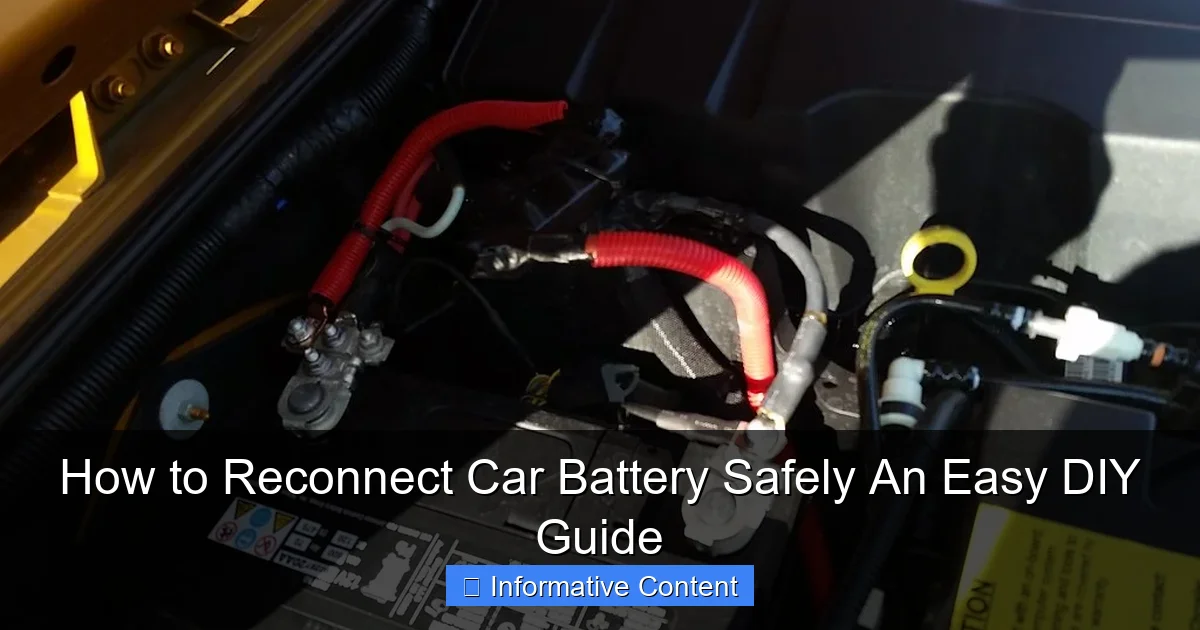
Featured image for how to reconnect car battery safely
Image source: live.staticflickr.com
Always prioritize safety when reconnecting your car battery to prevent sparks or injury. Begin by securely attaching the positive (red) cable to the positive (+) terminal first, ensuring a tight fit before connecting the negative (black) cable to the negative (-) terminal. This precise order helps avoid electrical shorts, making your DIY battery reconnection both safe and successful.
Ever found yourself staring blankly at your car’s battery, wondering if you can tackle the reconnection yourself? Maybe you’ve just replaced a dead battery, or perhaps you disconnected it for some maintenance and now it’s time to bring your vehicle back to life. It’s a common scenario, and frankly, it can feel a little intimidating. There are wires, terminals, and a whole lot of power involved, making you question if you’re doing it right. But what if I told you that with a little guidance, reconnecting your car battery safely is a perfectly achievable DIY task? It absolutely is!
I remember the first time I had to do this myself. My old car’s battery died on a cold winter morning, and calling for roadside assistance felt like admitting defeat – and paying for it. With a bit of research and a healthy dose of caution, I managed to get it done. The satisfaction of hearing the engine hum back to life, knowing I’d done it myself, was immense. That feeling of empowerment is exactly what I want to share with you today. This guide isn’t just about wires and wrenches; it’s about giving you the confidence to handle a common car maintenance task, ensuring you know how to reconnect your car battery safely and efficiently.
So, whether you’re a seasoned DIYer looking for a quick refresher or a complete beginner feeling a bit nervous, you’ve come to the right place. We’ll walk through everything you need to know, from gathering the right tools to the exact steps for reconnection, and even what to look out for afterward. My goal is to make this process as clear and stress-free as possible, so you can reconnect your car battery safely and get back on the road with peace of mind.
Key Takeaways
- Prioritize Safety: Always wear eye protection and insulated gloves.
- Connect Positive First: Attach the red (+) cable securely to the positive terminal.
- Then Connect Negative: Secure the black (-) cable to the negative terminal last.
- Ensure Clean Contacts: Scrape corrosion from terminals for a solid connection.
- Tighten Connections Firmly: Loose cables cause poor performance and hazards.
- Double-Check All Links: Verify all connections are tight and correctly positioned.
Before You Begin: Safety First and What You’ll Need
Before you even think about touching those battery terminals, it’s crucial to understand that car batteries, while commonplace, store a significant amount of electrical energy. Mishandling them can lead to sparks, short circuits, and even battery explosions. Our priority here is always safety, so let’s get prepared.
Why Safety Is Paramount
Working with a car battery isn’t like changing a lightbulb. There’s potential for serious burns, electrical shocks, and damage to your vehicle’s sensitive electronics if proper precautions aren’t taken. Understanding how to reconnect your car battery safely begins with respecting the power it holds. Always remember: a moment of carelessness can lead to lasting problems. Taking a few extra minutes to prepare properly can save you a lot of trouble down the line.
Essential Tools and Materials
You don’t need a full mechanic’s workshop for this job, but having the right tools makes a huge difference. Here’s what you’ll want to have handy:
- Safety Glasses or Goggles: Non-negotiable! Protect your eyes from acid splashes or sparks.
- Gloves: Acid-resistant work gloves are best to protect your hands.
- Wrench or Socket Set: You’ll likely need a 10mm or 13mm wrench, but check your car’s specific battery terminal nuts. A ratcheting wrench or socket set is often easier to use.
- Wire Brush or Battery Terminal Cleaner: Essential for scrubbing away corrosion.
- Battery Terminal Protector Spray or Grease: Helps prevent future corrosion.
- Old Rags or Paper Towels: For cleaning and wiping.
- Baking Soda and Water Mixture: A paste to neutralize any spilled battery acid. Keep it handy just in case.
Step-by-Step Guide: How to Reconnect Your Car Battery Safely
Alright, you’ve got your gear, you’re mentally prepared, and you understand the importance of safety. Now, let’s get down to the actual process of how to reconnect your car battery safely. Follow these steps carefully, and you’ll have your vehicle powered up again in no time.
Pre-Connection Preparations
Before making any connections, ensure your car’s ignition is off and all accessories (lights, radio, etc.) are turned off. This prevents sparks and protects your vehicle’s electrical system. Locate your battery and identify the positive (+) and negative (-) terminals. The positive terminal is usually larger and often covered with a red cap or marked with a “+” sign. The negative terminal is typically smaller and marked with a “-“.
Cleaning the Terminals
Even if you cleaned them during disconnection, a quick once-over is good. Corrosion looks like a fluffy, white, blue, or green substance. Use your wire brush or terminal cleaner to thoroughly scrub both the battery posts and the inside of the terminal clamps. A clean connection is vital for good electrical flow and a reliable start. Rinse any residue with a small amount of water if necessary, and dry thoroughly with a rag. This step is key to ensuring you reconnect your car battery safely and effectively for the long term.
Connecting the Positive Terminal First
This is a critical step for safety. Always connect the positive (+) terminal FIRST. Take the positive battery cable (usually red) and slide it over the positive battery post. Using your wrench, tighten the nut securely. It should be snug, but don’t overtighten it – you don’t want to strip the threads or damage the battery post. A firm twist of the wrist after it’s snug is usually enough. This order prevents accidental short circuits if your wrench were to touch ground while connecting the live positive terminal.
Connecting the Negative Terminal Second
Once the positive terminal is securely fastened, it’s time for the negative. Take the negative battery cable (usually black) and connect it to the negative battery post. Again, tighten the nut firmly with your wrench. Double-check both connections to ensure they are tight and won’t wiggle. There should be no play in either cable. Properly securing these connections is a vital part of learning how to reconnect your car battery safely.
Securing and Protecting Your Connections
After both terminals are securely tightened, apply a layer of battery terminal protector spray or grease over both connections. This creates a barrier against moisture and oxygen, significantly reducing the chances of future corrosion. If your positive terminal has a protective cover, replace it now. These small steps ensure longevity and reliable performance after you reconnect your car battery safely.
Post-Reconnection Checks: Ensuring Everything Works
You’ve done the hard part – you managed to reconnect your car battery safely! But the job isn’t quite finished yet. There are a few important steps to take to ensure everything is functioning correctly and to address any minor hiccups that might arise.
Starting Your Engine and Initial Observations
Now for the moment of truth! Get into your car, ensure it’s in park or neutral, and try to start the engine. Listen for a strong crank. If it starts right up, fantastic! Let it run for a few minutes. Check your dashboard for any warning lights – sometimes they might come on briefly and then disappear as the car’s computer recalibrates. If the car struggles to start, or if warning lights persist, it might indicate another issue beyond the battery connection, or perhaps a poorly charged battery.
Dealing with Reset Electronics
Disconnecting the battery often resets your car’s computer and various electronic systems. Don’t be surprised if:
- Your radio presets are gone.
- Your clock needs to be reset.
- Your power windows need to be “relearned” (check your owner’s manual for specific instructions, often involving holding the window down and then up for a few seconds).
- The idle might be a bit rough for the first few minutes as the engine control unit (ECU) relearns its idle parameters. Driving the car for a short period usually resolves this.
Long-Term Performance Check
Over the next few days, pay attention to your car’s starting performance. Does it start easily every time? Are there any strange electrical glitches? If you notice recurring issues, it might be worth checking the battery’s charge level, the alternator, or even having the connections re-inspected to ensure you did indeed reconnect your car battery safely and effectively. Sometimes, a “reconnected” battery isn’t fully charged, especially if it was completely flat for a long time.
Common Pitfalls to Avoid for a Smooth Reconnection
Even with the best intentions, it’s easy to make mistakes. Knowing what to avoid is just as important as knowing what to do when you reconnect your car battery safely. Let’s look at some common errors that can lead to problems.
The Dangers of Incorrect Terminal Order
Connecting the negative terminal first (when reconnecting) is a common mistake and a big safety risk. If you connect the negative terminal first, and your wrench accidentally touches a grounded metal part of the car while you’re connecting the positive terminal, you’ll create a direct short circuit. This can result in sparks, damage to the battery, or even serious injury. Always remember: Positive (+) first when connecting; Negative (-) first when disconnecting.
Loose Connections and Their Consequences
A connection that isn’t tight enough can cause intermittent power, poor starting performance, and excessive heat build-up at the terminal. Over time, loose connections can also accelerate corrosion due to arcing. On the other hand, overtightening can strip the threads or crack the battery post, leading to a much bigger headache. Aim for snug and secure, without forcing it.
Ignoring Corrosion: A Silent Killer
Skipping the cleaning step or neglecting to apply anti-corrosion spray is a recipe for future problems. Corrosion acts as an insulator, preventing proper electrical flow. This can lead to a weak start, difficulty charging the battery, and a shorter battery lifespan. Always take the time to clean those terminals thoroughly before you reconnect your car battery safely.
When to Seek Professional Help (And Why It’s Okay!)
While learning how to reconnect your car battery safely is a fantastic skill, there are times when it’s simply better to call in the experts. Don’t feel like a failure if you need to; knowing your limits is a sign of good judgment.
Persistent Problems After Reconnection
If you’ve followed all the steps, ensured you reconnect your car battery safely, and your car still won’t start, or if you encounter persistent electrical issues, it’s time to seek professional diagnosis. The problem might extend beyond a simple battery connection – it could be the battery itself, the alternator, the starter, or a deeper electrical fault that requires specialized tools and knowledge to identify.
Dealing with Complex Vehicle Electronics
Modern cars are incredibly complex, with intricate electronic systems. Some vehicles, particularly luxury or high-performance models, can be sensitive to power interruptions and may require specific reset procedures that are best handled by a dealership or a mechanic with specialized diagnostic equipment. If your owner’s manual suggests complex steps, or if you feel uncomfortable, it’s always safer to let a professional handle it.
So, there you have it! Reconnecting your car battery safely might seem daunting at first glance, but with the right preparation, tools, and a careful, step-by-step approach, it’s a completely manageable task. Remember those key principles: safety first, clean terminals, connect positive before negative, and don’t overtighten. By following this easy DIY guide, you’re not just re-establishing a power connection; you’re building confidence in your own car maintenance abilities. The next time your battery needs attention, you’ll know exactly how to reconnect your car battery safely, confidently, and efficiently. Happy driving!
Frequently Asked Questions
What safety precautions should I take before I reconnect my car battery?
Always wear safety glasses and gloves to protect against potential acid splashes or sparks. Ensure your car is turned off, in park (or neutral with the parking brake engaged), and remove the key from the ignition.
Which terminal should I reconnect first when attaching a car battery?
When you reconnect your car battery, always attach the positive (red) terminal first. This crucial step minimizes the risk of short-circuiting if your wrench accidentally touches a metal part of the car’s frame.
After the positive, which terminal do I connect next to reconnect my car battery safely?
Once the positive terminal is securely fastened, you can then connect the negative (black) terminal to the battery post. Ensure both terminals are tight and free from corrosion for a good electrical connection.
Do I need to clean the battery terminals before reconnecting them?
Yes, it’s highly recommended to clean both the battery posts and the cable clamps before you reconnect your car battery. Use a wire brush and a battery terminal cleaner to remove any corrosion, which ensures a strong, reliable electrical connection.
How can I avoid sparks when I reconnect my car battery?
To reconnect your car battery safely and avoid sparks, always follow the correct connection order: positive first, then negative. Ensure all connections are tight and that no tools are bridging the terminals or touching the car’s chassis while connecting the positive terminal.
What should I do after I successfully reconnect my car battery?
After reconnecting, make sure the battery is securely fastened in its tray to prevent movement. You might need to reset certain vehicle electronics, such as radio presets, clock, or window memory, as they may have lost power during the disconnection.