Your Guide How to Maintain Car Battery in Winter Months
Featured image for how to maintain car battery in winter
Image source: imgcdn.stablediffusionweb.com
To conquer winter starts, maintaining a full charge and keeping your car battery warm is absolutely critical. Cold dramatically diminishes battery power and efficiency, so regularly check its voltage and consider using a battery tender or parking in a garage whenever possible. Proactive care like this prevents frustrating breakdowns and extends your battery’s life through the harsh months.
Hey there, fellow driver! Ever woken up on a frosty winter morning, keys in hand, only to be greeted by that dreaded, slow, grinding sound when you turn the ignition? Or worse, just a click? That gut-wrenching feeling of a dead car battery in the biting cold is something many of us have experienced. It’s frustrating, inconvenient, and often entirely preventable!
Winter isn’t just tough on us; it’s incredibly harsh on our vehicles, especially the hardworking car battery. As the temperatures plummet, your battery’s efficiency takes a nosedive, and the engine demands even more power to start. But don’t despair! Keeping your car battery happy and healthy through the colder months isn’t rocket science. It’s about a few simple, proactive steps that can save you a lot of hassle and cold fingers. Think of me as your friendly neighbor, sharing some tried-and-true advice to keep your ride reliable.
So, let’s chat about how to maintain car battery in winter and ensure it performs optimally when you need it most. We’ll cover everything from understanding why cold is so bad for batteries to practical tips you can implement today. Get ready to banish those winter battery woes!
Key Takeaways
- Test battery health: Get it professionally checked before winter.
- Keep battery charged: Use a smart charger or drive regularly.
- Clean terminals: Remove corrosion for reliable power delivery.
- Insulate the battery: A thermal blanket shields from extreme cold.
- Check fluid levels: Top up non-sealed batteries with distilled water.
- Park wisely: Protect your vehicle from harsh outdoor elements.
📑 Table of Contents
Understanding Why Winter is Tough on Your Battery
Before we dive into the “how-to,” let’s quickly understand the “why.” Why does winter pose such a challenge for your car’s power source? It’s a combination of physics and increased demand.
The Science of Cold and Car Batteries
Your car battery generates electricity through a chemical reaction between lead plates and an electrolyte solution (sulfuric acid and water). When temperatures drop, this chemical reaction slows down significantly. Imagine trying to run a marathon in a deep freeze – it’s much harder! A battery that can produce 100% of its power at 80°F (27°C) might only produce about 60% at 32°F (0°C) and a mere 40% at 0°F (-18°C). This reduction in power output means your battery has less juice to give when faced with the chilly morning start.
What’s more, cold also thickens the engine oil, making it harder for the starter motor to turn the engine over. This means your battery has to work even harder with less available power. It’s a double whammy for your trusty battery!
Increased Demand on Electrical Systems
Beyond starting the car, winter also brings an increased demand on your vehicle’s electrical system. Think about it: you’re probably using your heater, defrosters (front and rear), heated seats, and headlights more often. All these accessories draw power from the battery, which then needs to be recharged by the alternator. If your battery is already struggling in the cold, this extra demand can quickly lead to it becoming depleted.
Regular Battery Checks: Your First Line of Defense
Just like we get health check-ups, your car battery needs regular attention. A few minutes of inspection can tell you a lot about its well-being and help you maintain car battery in winter effectively.
Visual Inspection for Corrosion and Damage
Pop your hood and take a look at your battery. What do you see? You’re looking for a few key things:
- Corrosion: This often appears as a fuzzy, colorful (blue, green, or white) build-up around the battery terminals. It looks a bit like cotton candy, but it’s actually highly corrosive and can impede the flow of electricity. We’ll talk about cleaning this soon!
- Cracks or Leaks: Any cracks in the battery casing or signs of fluid leaking are serious red flags. If you see these, it’s likely time for a professional assessment and possibly a replacement.
- Loose Connections: Gently try to wiggle the battery cables at the terminals. If they feel loose, they might not be making good contact, leading to poor power delivery.
Testing Battery Voltage and Health
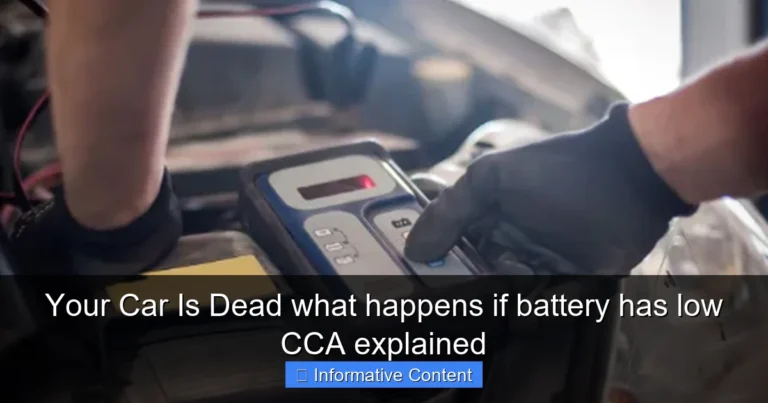
One of the easiest ways to gauge your battery’s health is with a simple multimeter or a dedicated battery tester. You can pick these up at most auto parts stores. A healthy, fully charged 12-volt car battery should read around 12.6 volts or higher when the engine is off. Anything significantly lower suggests a partially discharged or weakening battery.
Here’s a quick reference for typical 12V battery readings:
| Voltage Reading | Battery Condition |
|---|---|
| 12.6V or higher | Fully Charged |
| 12.4V – 12.6V | Good, but could use a charge |
| 12.0V – 12.4V | Discharged, needs charging |
| Below 12.0V | Critically discharged or failing |
Remember, these readings are for a battery that has been at rest for a few hours. Checking it right after a drive might give you a slightly higher, artificially inflated reading due to surface charge.
Keep It Charged: The Golden Rule of Winter Battery Care
A fully charged battery is a happy battery, especially in winter. Keeping its charge up is one of the most crucial steps to effectively maintain car battery in winter.
Short Trips are Battery Killers
If your daily routine mainly consists of short drives – say, less than 20-30 minutes – your alternator might not have enough time to fully recharge the battery after starting the car and powering your accessories. This leads to a gradual discharge over time, especially when coupled with cold temperatures. Try to take your car for a longer drive (at least 30 minutes on the highway) once a week if possible, to give the alternator a chance to do its job.
Using a Battery Maintainer or Trickle Charger
For vehicles that are parked for extended periods (weeks or more) or those that only see short trips, a battery maintainer (often called a “trickle charger”) is your best friend. These smart devices monitor your battery’s charge and provide a slow, steady current to keep it topped off without overcharging. It’s like putting your battery on a life support system for the winter. They are especially useful if you have a second vehicle or a classic car stored for the season. Just connect it, and forget it!
Cleaning and Protecting Battery Terminals
Remember that fuzzy corrosion we talked about? It’s not just unsightly; it’s detrimental to your battery’s performance. Cleaning it off is a vital part of winter car battery maintenance.
Why Corrosion is Your Enemy
Corrosion creates resistance, meaning less electrical current can flow from the battery to your car’s electrical system. This directly impacts starting power and charging efficiency. Even a thin layer can significantly reduce your battery’s ability to deliver the necessary power, especially on a cold morning when every amp counts.
A Step-by-Step Cleaning Guide
Cleaning battery terminals is a simple DIY task. Here’s how:
- Safety First: Always wear gloves and eye protection. Battery acid is corrosive!
- Disconnect: Using a wrench, disconnect the negative (black) cable first, then the positive (red) cable. Be careful not to let your tools touch both terminals at once.
- Clean: Mix a tablespoon of baking soda with a cup of water to create a paste. Apply this mixture to the corroded areas with an old toothbrush or a stiff-bristled brush. The baking soda will neutralize the acid. You can also buy a dedicated battery terminal cleaner spray.
- Rinse and Dry: Rinse the terminals and clamps with clean water and dry them thoroughly with a rag.
- Protect: Apply a thin layer of dielectric grease or a specialized anti-corrosion spray to the cleaned terminals and cable clamps before reconnecting. This forms a barrier against future corrosion.
- Reconnect: Reconnect the positive (red) cable first, then the negative (black) cable. Ensure they are snug and tight.
Doing this once or twice a year, especially before winter hits, will greatly help you maintain car battery in winter.
Parking Smart and Insulating for Warmth
Where and how you park your car can also play a significant role in preserving battery life during the colder months.
The Benefits of Garage Parking
This might seem obvious, but parking your car in a garage, even an unheated one, offers a noticeable temperature buffer compared to leaving it exposed to the elements. Every degree above freezing helps your battery retain more of its charge and power. If a garage isn’t an option, parking on a driveway near the house can still provide some shelter from the wind and extreme cold.
Considering a Battery Blanket
For those in extremely cold climates or without garage access, a battery blanket (also known as a battery heater) can be a wise investment. These electric blankets wrap around your battery and plug into a standard household outlet, gently keeping the battery warm overnight. By maintaining a warmer battery temperature, you ensure that the chemical reactions can occur more efficiently, leading to easier starts and less strain on the battery itself.
Knowing When to Call It Quits: Signs of a Dying Battery
Even with the best maintenance, batteries don’t last forever. The average car battery lasts about 3-5 years, but cold weather can certainly shorten that lifespan. Knowing the signs of a failing battery can help you replace it proactively, avoiding that dreaded cold-weather breakdown.
Slow Engine Cranking
This is often the most common and earliest sign. If your engine sounds like it’s struggling to turn over, taking longer than usual, or making a sluggish “rrr-rrr-rrr” sound, your battery is likely on its way out. The cold just exacerbates this issue.
Dashboard Warning Lights
Your car’s dashboard might illuminate a battery-shaped warning light. While this usually indicates a problem with the charging system (alternator), it can also signify a battery that isn’t holding a charge properly.
Age is Just a Number, But Also a Limit
If your battery is approaching or past the 3-5 year mark, even if it’s showing no obvious symptoms, it’s wise to have it tested professionally. Many auto parts stores offer free battery testing. Replacing an old battery before it fails completely is a small investment that offers huge peace of mind, especially when you’re trying to maintain car battery in winter.
So, there you have it! Maintaining your car battery in winter doesn’t have to be a daunting task. By performing regular visual checks, keeping it charged, cleaning terminals, parking strategically, and knowing when to replace it, you can significantly extend your battery’s life and ensure reliable starts all season long. A little bit of proactive care goes a long way in avoiding winter headaches and keeping you safely on the road. Drive safe!
Frequently Asked Questions
Why do car batteries struggle more in winter?
Cold temperatures significantly reduce a car battery’s chemical reaction efficiency, making it harder for the battery to produce the necessary power to start your engine. Additionally, your engine oil is thicker in the cold, requiring even more power from the battery to turn over the engine.
What are the best daily practices to maintain my car battery during cold winter months?
To maintain your car battery, ensure you take longer drives whenever possible to allow the alternator to fully recharge it. Also, minimize the use of electrical accessories like heated seats and rear defrosters for the first few minutes after starting, and always clean corrosion from the terminals.
Should I use a battery tender or trickle charger for my car battery in winter?
Yes, using a battery tender or trickle charger is highly recommended, especially if your car sits unused for extended periods. These devices keep your car battery topped up, preventing the natural power drain that accelerates in cold weather and prolonging its lifespan.
How often should I check my car battery’s health during the winter season?
It’s advisable to check your car battery’s voltage at least once a month using a multimeter, aiming for a reading of 12.6 volts or higher. Regular visual inspections for corrosion or loose connections are also crucial to ensure optimal performance in winter.
What are the common signs of a weak or dying car battery in winter?
Signs of a failing car battery include slow engine cranking, dim headlights or interior lights when the engine is off, and a dashboard battery warning light. You might also notice a clicking sound when you turn the key but the engine doesn’t start, indicating insufficient power.
Does parking location affect how to maintain car battery in winter?
Yes, parking your car in a garage or sheltered area significantly helps to maintain your car battery in winter. A warmer environment slows down the chemical process that drains battery power in the cold, making it easier for your battery to start the car.