Maintaining Your Jump Starter: Simple Steps for Success
Figuring out how to maintain a jump starter can seem tricky at first. It’s common to wonder if you’ll do it right, leading to frustration. Don’t worry, it’s simpler than you might think! This guide will break down the process into easy-to-follow steps. We’ll explore everything you need to know to keep your jump starter ready when you need it most. Get ready to learn how to keep your jump starter in peak condition!
Understanding Your Jump Starter
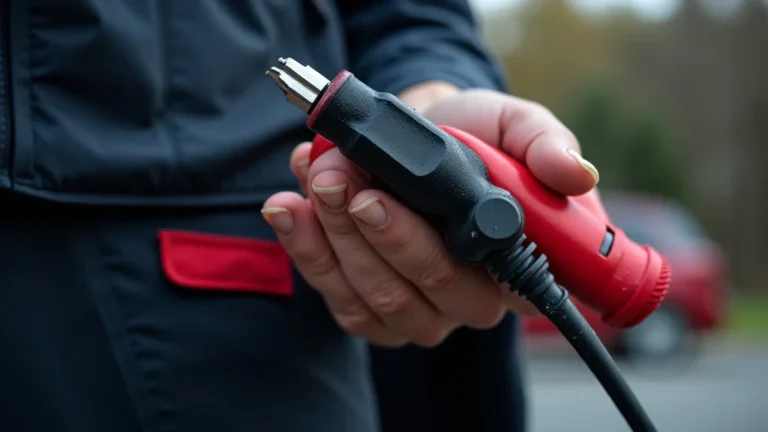
Before you jump into the how-to, it’s good to know the basics. A jump starter, also known as a battery booster or portable jump pack, is a portable device that provides a burst of power to start a vehicle’s engine when its battery is dead or weak. They are lifesavers when you’re stuck with a flat battery. These devices are great for people who don’t want to rely on jumper cables and another vehicle to get their car going again. Jump starters work by storing electricity in a battery, often a lithium-ion battery. This stored energy is then released in a surge when connected to a car’s battery terminals.
Types of Jump Starters
There are a couple of types of jump starters available. Some models use lead-acid batteries, the same type found in most cars. These are often more affordable but are generally heavier and require more upkeep. Lead-acid jump starters usually need to be recharged more often and can be affected by temperature changes. Newer models use lithium-ion batteries. These are lighter, more compact, and hold a charge longer. They often have added features like USB ports for charging phones and LED flashlights, making them a more versatile option.
- Lead-Acid Jump Starters: These use the same battery technology as car batteries. They’re typically heavier and can lose charge faster than lithium-ion models. Their price point is often more affordable.
- Lithium-Ion Jump Starters: These are lighter and more compact, holding a charge longer. They are usually more expensive but offer more features and convenience.
- Capacitor Jump Starters: Capacitor jump starters are a niche segment; they work with a capacitor instead of a battery and can deliver a quick burst of power without holding a charge for long.
The choice between lead-acid and lithium-ion jump starters depends on your budget, needs, and how often you’ll be using it. If you plan to keep the jump starter in your car and use it frequently, a lithium-ion model may be worth the extra cost because it requires less maintenance. If you only need a jump starter for occasional use, a lead-acid model could be a cost-effective option. Knowing which type of jump starter you have is important for proper maintenance.
Safety First
Safety is the most important part of jump-starting. Always read and follow the manufacturer’s instructions before using your jump starter. Make sure the jump starter is turned off before connecting or disconnecting it from the car battery. This will help prevent sparks that could cause a fire or explosion. Always connect the positive (red) clamp to the positive (+) terminal on the car battery first, followed by the negative (black) clamp to a good ground, like an unpainted metal surface on the car’s frame away from the battery. Avoid contact with any moving parts like the fan belt.
- Wear Eye Protection: Always wear safety glasses or goggles when working with car batteries or jump starters. Battery acid can cause serious eye injuries.
- Avoid Sparks: Keep the jump starter and battery terminals away from open flames, sparks, and cigarettes. The battery can release explosive gases.
- Proper Connections: Make sure you connect the clamps to the correct terminals. Red is positive (+), and black is negative (-).
- Ventilation: If you’re jump-starting in an enclosed space, make sure the area is well-ventilated to avoid inhaling any fumes released by the battery.
Many modern jump starters have built-in safety features like reverse polarity protection, which prevents the jump starter from operating if the clamps are connected incorrectly. They also often have over-current protection to prevent damage to the jump starter and vehicle. Always check for these safety features when choosing a jump starter.
Regular Charging: A Key Part of How to Maintain a Jump Starter
One of the most important things when learning how to maintain a jump starter is regular charging. A jump starter’s battery can lose its charge over time, even when not in use. Regular charging keeps the battery at its best and ensures it’s ready when you need it. Charging frequency depends on the type of jump starter. Lead-acid jump starters might need to be charged every 1-3 months. Lithium-ion models can often hold a charge longer, but it’s still good practice to charge them every 3-6 months. Always check the manufacturer’s instructions for specifics about your model.
Charging Methods
Most jump starters come with a charging adapter or a USB charging cable. Plug the charger into an electrical outlet and connect it to your jump starter. You can usually tell when the device is fully charged by a light indicator on the jump starter itself. Some jump starters can also be charged from your car’s cigarette lighter or a USB port. Check your model’s manual for the best charging method. Keep the jump starter in a cool, dry place while charging.
- Use the Correct Charger: Always use the charger that came with your jump starter or a charger recommended by the manufacturer. Using the wrong charger can damage the battery.
- Monitor the Charging: Don’t leave your jump starter charging unattended for long periods. Overcharging can damage the battery.
- Full Charge: It’s best to fully charge the jump starter before storing it, especially if you won’t be using it for a while.
Some models have smart charging features that prevent overcharging and extend battery life. Always be aware of the charging time for your jump starter. Over time, the charging time may increase as the battery ages. This could indicate the battery needs to be replaced. Proper charging is a cornerstone of maintaining your jump starter and will help ensure its longevity and performance.
Signs of a Dying Battery
Your jump starter will show signs when the battery is going bad. One sign is that it doesn’t hold a charge for as long as it used to. If you fully charge your jump starter and it quickly loses its charge, the battery is probably nearing the end of its life. Another sign is slow or inconsistent charging. If it takes much longer than usual to charge or if the charging indicator isn’t working correctly, there could be a battery problem. Also, if your jump starter is swelling, leaking, or has physical damage, it’s a clear sign of a problem and could be dangerous.
- Reduced Capacity: If your jump starter used to start a car multiple times on a single charge but now struggles to start the car even once, the battery’s capacity has probably decreased.
- Charging Issues: Slow or erratic charging is another sign of battery failure. It could also indicate a charger problem, so check both.
- Physical Damage: Any physical damage, such as swelling, cracks, or leaks, means you should not use the jump starter.
The lifespan of a jump starter battery can vary depending on its type and use. Generally, lead-acid batteries last 2-3 years, while lithium-ion batteries can last longer, sometimes 3-5 years or more. Following the charging and storage instructions will help maximize the life of your jump starter’s battery.
Proper Storage and Handling
How you store and handle your jump starter affects its lifespan. It is best to store your jump starter in a cool, dry place away from direct sunlight and extreme temperatures. Extreme heat or cold can harm the battery and other internal components. The ideal storage temperature is between 32°F and 77°F (0°C to 25°C). Avoid storing it in places like a car trunk, where temperatures can fluctuate. Protect it from moisture and dust, which can cause corrosion and damage.
Ideal Storage Conditions
Choose a storage area that’s dry and has a consistent temperature. A garage, storage closet, or even a shelf in your home are good options. Keep it away from flammable materials and chemicals. Avoid placing heavy objects on top of the jump starter. Make sure the storage location has good airflow. The best place for storing your jump starter is somewhere that you can easily remember to check it regularly. Make it a habit to inspect it and recharge it as needed.
- Temperature: Store your jump starter in a climate-controlled environment. Avoid extreme heat and cold.
- Humidity: Keep it away from moisture to prevent corrosion.
- Protection: Store it in a location where it is not likely to be damaged by falling objects or impacts.
Besides the storage, how you handle your jump starter matters. Avoid dropping or throwing it. This can damage internal components and affect its performance. Always hold the jump starter by its case, not by the clamps or cables. When not in use, store the clamps neatly to prevent them from touching and causing a short circuit. Regularly inspect the cables and clamps for any wear or damage. Proper storage and handling will extend the life of your jump starter and ensure it’s reliable when you need it.
Regular Inspections
Regular inspections are important to keeping your jump starter in top shape. Inspect the case for cracks, bulges, or leaks. Check the cables and clamps for any signs of damage, like fraying, corrosion, or loose connections. Make sure the indicator lights and other features are working correctly. Inspect the charging adapter and cable for any damage. Even if you don’t use your jump starter often, it’s good to perform a quick inspection every few months. This can help you identify any problems early and take corrective action before it fails.
- Case: Check for cracks, swelling, or leaks.
- Cables and Clamps: Look for fraying, corrosion, or loose connections.
- Charging Adapter: Inspect the adapter and cable for damage.
If you see any problems during your inspection, address them immediately. Replace damaged components or seek professional assistance. It’s always better to catch any issues early before you need to use the jump starter. Keeping an eye on your jump starter is an essential part of its upkeep and ensures it’s ready when you need it.
Troubleshooting Common Issues
Sometimes your jump starter might have problems. Knowing how to address common issues can save time and money. One frequent problem is that the jump starter won’t turn on or won’t hold a charge. This might be a simple fix or a sign that the battery needs to be replaced. Another common issue is that the jump starter starts the car, but the car dies shortly after. This could mean the car battery is faulty, or the jump starter didn’t provide enough power. Let’s look at some other common issues.
Jump Starter Won’t Charge
If your jump starter won’t charge, here are some things to check. First, make sure the charging adapter is plugged into a working outlet and that the cable is securely connected to the jump starter. Try a different outlet to rule out any problems with the first one. Check the charging indicator light on the jump starter. If it’s not working, the adapter might be faulty. Test the adapter with another device to confirm. If the adapter is fine, the problem could be inside the jump starter.
- Check Power Source: Make sure the outlet is working, and the charging adapter is plugged in securely.
- Test the Adapter: Use the charging adapter to charge another device to see if it is working correctly.
- Inspect the Cable: Look for any damage or breaks in the charging cable.
If you suspect an internal problem, you might want to consider professional repair or replace the jump starter. Don’t try to disassemble the jump starter yourself, as this can be dangerous. Proper charging practices and regular inspections can help avoid this issue.
Jump Starter Won’t Start the Car
If the jump starter won’t start the car, start by checking the connections. Make sure the clamps are securely connected to the car battery terminals and that the polarity is correct (red to positive, black to negative). Ensure the jump starter has a sufficient charge. Some jump starters won’t work if they don’t have enough charge. Then, double-check that the jump starter is turned on. If the jump starter still doesn’t work, try starting the car again, giving it a few minutes between attempts.
- Check Connections: Ensure all clamps are securely connected to the correct battery terminals.
- Battery Charge: Make sure the jump starter has a sufficient charge before trying to start the car.
- Car Battery Condition: If the jump starter can’t start the car, your car’s battery could be completely dead or have internal damage.
If your jump starter has a low charge, give it some time to charge before trying again. If the car still doesn’t start, the car’s battery may be damaged. You might need to have your car battery and charging system checked by a professional. In addition, always remember the safety precautions, such as turning the device off before disconnecting the clamps.
According to data compiled by AAA, the most common reason for roadside assistance calls in the United States is battery-related issues, accounting for over 50% of these calls. The number underscores the usefulness of a jump starter for vehicle owners.
| Issue | Possible Causes | Solutions |
|---|---|---|
| Jump Starter Won’t Turn On | Low Charge, Damaged Components | Charge the jump starter, Check for physical damage and contact support if necessary |
| Jump Starter Won’t Charge | Faulty Charger, Outlet Issues, Internal Battery Problems | Test outlet, Test the charger with another device, Check the charging cable for damage, Contact support if necessary |
| Jump Starter Starts the Car, Then Dies | Faulty Car Battery, Charging System Issues | Have the car’s battery and charging system tested. |
Frequently Asked Questions
Question: How often should I charge my jump starter?
Answer: It depends on the model. Lead-acid models should typically be charged every 1-3 months, while lithium-ion models often need charging every 3-6 months. Always check the manufacturer’s instructions for specifics.
Question: Can I leave the jump starter plugged in all the time?
Answer: Most modern jump starters have overcharge protection, so leaving them plugged in isn’t typically a problem. However, it’s generally best to unplug it once it’s fully charged to avoid unnecessary wear on the battery.
Question: How long does a jump starter battery last?
Answer: The lifespan of a jump starter battery varies. Lead-acid batteries generally last 2-3 years, while lithium-ion batteries can last 3-5 years or more. Proper charging and storage can maximize their lifespan.
Question: What should I do if my jump starter is damaged?
Answer: If your jump starter is physically damaged (cracked case, leaks, etc.), or if it’s not working correctly, stop using it immediately. If it is still under warranty, contact the manufacturer. Otherwise, consider replacing it.
Question: Can I use a jump starter in cold weather?
Answer: Yes, but keep the jump starter inside or in a warm place until you’re ready to use it. Cold weather can affect battery performance, and a cold jump starter may not work as efficiently.
Final Thoughts
Mastering how to maintain a jump starter will make it a reliable tool. Remember, proper care involves regular charging, keeping the device in a safe place, and performing routine inspections. By following these steps, you can avoid common issues and make your jump starter work when you need it. You can confidently handle roadside emergencies knowing your jump starter is ready to go. Consider the type of jump starter you have and its requirements. By taking these simple steps, you can extend your jump starter’s life, saving you time and money. Enjoy the peace of mind that comes from being prepared and having a fully functional jump starter at your disposal.