How to Jump Start Your Car: A Simple Guide for Beginners
Getting your car started when the battery is dead can feel tough. Many people find it tricky because they’re not sure where to start or what to do with jumper cables. Don’t worry, it’s a common problem, and figuring out how to jump start car with bad battery is something anyone can learn. This guide will walk you through the process step by step, making it easy to understand. We’ll show you exactly what to do, so you can get back on the road quickly.
Getting Ready to Jump Start Your Car
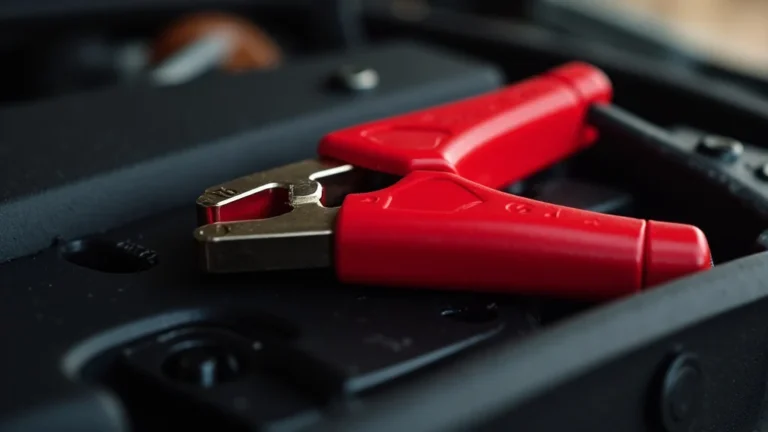
Before you even touch a jumper cable, there are a few things to get organized. First, you need another car with a good battery. This car will be your power source. It’s important that this car’s battery is the same voltage as your car’s. Most cars use a 12-volt battery system. You also need a set of jumper cables. Make sure they’re in good condition, with no frayed wires. Finally, find a safe spot for both cars. The cars should be close enough to each other so the cables can reach, but not touching. Once you have these basics in place, you are ready to begin.
Safety First: Important Preparations
Before you begin the jump-starting procedure, safety must come first. Ensure both cars are parked and the engines are turned off. This prevents any accidental sparks or electrical problems. Next, engage the parking brakes on both vehicles. This stops them from moving during the process. Inspect the batteries in both cars. Check for any corrosion, leaks, or damage. If you see any, do not attempt to jump-start the car. Seek professional assistance instead. Remove any jewelry, watches, or loose clothing that could get caught in the engine. Following these precautions is vital.
-
Park Carefully: Position the cars so their batteries are close enough for the jumper cables to reach, but not touching. This minimizes the risk of damage. It ensures you have room to safely work with the cables.
Always double-check that both cars are in park or neutral and that the emergency brake is engaged.
-
Turn Off Everything: Make sure the ignition is off in both vehicles. Switch off all lights, radios, air conditioners, and any other electrical accessories in both cars. This prevents any electrical surge that could harm the cars’ electrical systems.
This simple act can avoid unnecessary drain on the good battery and potential damage.
-
Gather Your Equipment: Besides jumper cables, wearing safety glasses will protect your eyes. It is also good to have gloves. Have a flashlight handy if it’s dark or if the battery is in a difficult-to-see area.
Having all the tools ready makes the process quicker and less frustrating.
Battery Basics: What to Look For
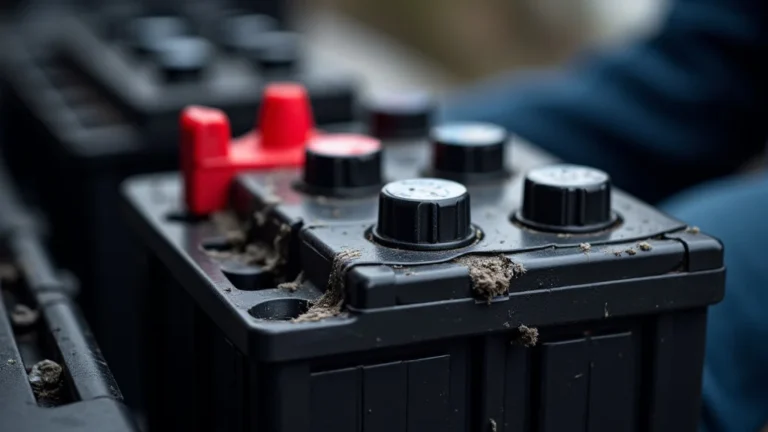
Before connecting the jumper cables, locate the batteries in both vehicles. The battery is usually under the hood, but sometimes it is located in the trunk. Familiarize yourself with the positive (+) and negative (-) terminals on each battery. These terminals are usually marked with a plus (+) or minus (-) symbol. The positive terminal is often covered by a red or black cap. The negative terminal is usually black. Before you start, check for any signs of corrosion or damage on the battery terminals. If you see any, clean them using a wire brush before proceeding. This step is important for a good connection.
-
Identify the Terminals: Look for the positive (+) and negative (-) terminals on each battery. The positive terminal is typically red or has a red cover, while the negative terminal is usually black.
Knowing which is which prevents short circuits and ensures a successful jump start.
-
Check for Corrosion: Corrosion looks like a white, crusty buildup on the battery terminals. If present, clean the terminals before connecting the cables. You can use a wire brush or a battery terminal cleaner.
Clean terminals provide a better connection for a more efficient transfer of power.
-
Inspect for Damage: Examine both batteries for any cracks, leaks, or swelling. If you see any of these, do not try to jump-start the car. Call for roadside assistance.
Damaged batteries can be dangerous and could cause an explosion.
Connecting the Jumper Cables: The Right Way
Now comes the most important part: connecting the jumper cables. Follow these steps carefully to ensure a safe and successful jump start. Start by connecting the red (positive) cable to the positive (+) terminal of the dead battery. Then, connect the other end of the red cable to the positive (+) terminal of the good battery. Next, connect the black (negative) cable to the negative (-) terminal of the good battery. Finally, connect the other end of the black cable to a bare metal surface on the car with the dead battery, such as an unpainted bolt or a metal part of the engine. Doing this last step away from the battery is a safety measure.
Cable Connections: Step by Step
The sequence you use to connect the cables is important to ensure safety and to get your car running. Failing to connect the cables properly can cause sparks and damage to the car’s electrical system. After you’ve parked the cars and ensured both engines are off, you can follow these easy steps. Remember to always double-check your connections before moving forward. By following these steps correctly, you can successfully jump start your vehicle.
-
Connect the Red Cable to the Dead Battery: Attach one of the red (positive) clamps to the positive (+) terminal of the car with the bad battery. Be sure it makes a firm connection. The clamp must be securely fastened to the terminal.
This initial step sets up the power transfer.
-
Connect the Other Red Cable to the Good Battery: Attach the other red (positive) clamp to the positive (+) terminal of the car with the good battery. Again, ensure a secure connection. This connects the power source to the depleted battery.
Making a strong connection here is equally important.
-
Connect the Black Cable to the Good Battery: Attach one of the black (negative) clamps to the negative (-) terminal of the good battery. Make sure the clamp is properly secured. This completes the circuit from the working battery.
This sets up the path for the electrical current to flow.
-
Connect the Black Cable to a Ground on the Dead Car: Attach the other black (negative) clamp to a bare, unpainted metal surface on the car with the dead battery. This is usually a metal part of the engine, or a chassis bolt. This step is critical because it helps to dissipate any sparks away from the battery.
This final step completes the circuit and prepares the car to start.
Avoiding Common Errors
Mistakes when connecting jumper cables are common, and they can lead to problems. The most frequent error is connecting the cables to the wrong terminals. Always double-check that you’re connecting the red cable to the positive (+) terminals and the black cable to the negative (-) terminals. Another common mistake is connecting the negative cable directly to the negative (-) terminal of the dead battery. This can cause sparks and damage. It is best to attach the black cable to a metal part of the car, away from the battery. Being aware of these errors and avoiding them will increase your chances of a successful jump start.
-
Mixing Up Terminals: Accidentally connecting the positive cable to the negative terminal and vice versa can cause a short circuit and damage your car’s electrical system. Always carefully check the terminals before connecting.
This is a major source of electrical damage.
-
Touching the Clamps: When the cables are connected, avoid letting the clamps touch each other. This can create a short circuit. Keep the clamps separated until they are fully connected to the terminals.
Careful handling prevents accidental sparks.
-
Connecting to a Leaky Battery: Do not attempt to jump-start a battery that is leaking. The acid can cause severe burns. Have the vehicle towed to a repair shop.
Safety is the most important factor.
Starting the Cars and Disconnecting the Cables
After connecting the jumper cables, it’s time to start the cars. Start the car with the good battery and let it run for a few minutes. This allows the good battery to charge the dead battery a little. Then, try to start the car with the dead battery. If it doesn’t start right away, wait a few minutes and try again. If it still won’t start, there might be another problem. If it starts, let the car run for at least 15-20 minutes to allow the battery to recharge. After that, remove the jumper cables in the reverse order you connected them.
Starting Sequence: Get Ready to Start
Once the cables are connected correctly, and before you try to start the car with the dead battery, you’ll want to take a few steps. Start the car with the good battery first and let it run for a few minutes. This allows the working battery to transfer some charge to the dead battery. After a few minutes, try to start the car with the dead battery. If it starts easily, great. If not, don’t keep cranking the engine for too long. If it doesn’t start, there may be another issue, like a faulty starter or a more serious electrical problem. After starting your car, drive it for at least 30 minutes to allow the battery to recharge.
-
Start the Good Car First: Start the car with the good battery. Let it run for 2-3 minutes. This allows some power to flow to the dead battery.
This pre-charges the dead battery.
-
Attempt to Start the Dead Car: After a few minutes, try to start the car with the dead battery. If it doesn’t start, wait a few minutes and try again. Don’t crank the engine for too long at a time.
Give the dead battery a chance to absorb some charge.
-
If it Starts, Let it Run: If the car starts, let it run for at least 15-20 minutes. This allows the alternator to charge the battery.
The engine’s running time is key for battery recharge.
Disconnecting the Cables Safely
Once the car with the dead battery has started and is running, it is time to disconnect the jumper cables. This must be done in the reverse order that you connected them to prevent any electrical problems. Before disconnecting, make sure that the running car is still running. First, remove the black cable from the ground point on the dead car. Then, remove the other black cable from the negative (-) terminal of the good battery. Next, remove the red cable from the positive (+) terminal of the good battery. Finally, remove the red cable from the positive (+) terminal of the dead battery. Carefully handle the cables to prevent them from touching anything and causing a short.
-
Disconnect the Cables in Reverse Order: Start by removing the black cable from the ground point on the car with the dead battery. Next, remove the other black cable from the negative (-) terminal of the good battery. Then, remove the red cable from the positive (+) terminal of the good battery. Finally, remove the red cable from the positive (+) terminal of the car that was dead.
This helps to prevent sparks and damage.
-
Keep the Clamps Separated: As you disconnect the cables, make sure the clamps do not touch each other. This can cause a short circuit.
Avoid touching any of the clamps to anything metallic.
-
Close the Hoods: After disconnecting the cables, close the hoods of both cars. Make sure everything is clear and secure.
This completes the process and provides safety.
Understanding Battery Problems
Knowing why your car battery might fail is helpful in preventing future problems. A dead battery can be due to various reasons. Sometimes, it’s as simple as leaving the lights on overnight, which slowly drains the battery. Other times, the battery itself may be old and can no longer hold a charge. Extreme temperatures, both hot and cold, also impact the battery’s performance. Also, electrical issues within the car can drain the battery. Periodic checks and maintenance can help to avoid unexpected battery failures.
Common Causes of Battery Failure
There are several things that can cause your car battery to fail. One frequent issue is a parasitic drain. This occurs when something in your car continues to draw power even when the engine is off. This can be caused by a faulty light, a radio, or other electrical accessories. Leaving the headlights on overnight is a very common reason for a dead battery. The car’s age also plays a factor. As batteries get older, they lose their ability to hold a charge. Extreme temperatures can also affect a battery’s performance. High heat can cause the battery to corrode faster, while cold temperatures make it harder for the battery to deliver power.
-
Leaving Lights On: Leaving your headlights or interior lights on can drain the battery overnight. This is one of the most common causes of a dead battery.
A simple mistake that can lead to a dead battery.
-
Battery Age: Car batteries have a lifespan. Generally, they last between 3-5 years. As a battery gets old, it loses its ability to hold a charge.
Consider the age of your battery.
-
Extreme Temperatures: Hot and cold temperatures can both affect battery performance. Extreme cold can make it harder for the battery to start the engine, while extreme heat can accelerate corrosion.
Be ready for battery problems during harsh weather conditions.
Battery Maintenance Tips
There are things you can do to keep your car battery in good condition and avoid a dead battery situation. One of the key things is to regularly check your battery terminals for any corrosion and clean them if necessary. Make sure all lights and electrical devices are turned off when you park. Have your battery tested periodically, especially when it reaches the age of three years or more. Consider using a battery charger to maintain the battery’s charge, especially if you do not drive your car very often. Taking these steps can prolong the battery’s life.
-
Regular Inspection: Check your battery terminals regularly for corrosion. Clean any corrosion with a wire brush and a mixture of baking soda and water.
Maintaining clean terminals is vital.
-
Turn Off Lights: Always make sure your headlights, interior lights, and other electrical devices are turned off when you park your car.
Preventing an accidental drain.
-
Regular Battery Testing: Have your battery tested by a mechanic or auto parts store every year. This will help you know if your battery is losing its ability to hold a charge.
Catching problems before they become serious.
How to Jump Start Car with Bad Battery: Troubleshooting
Sometimes, a jump start doesn’t work. If your car still won’t start after a jump start, there could be another issue. It might be a problem with the starter motor, the alternator, or even a blown fuse. The starter motor is what cranks the engine, and if it’s faulty, your car won’t start. The alternator charges the battery while the engine is running, so if it’s not working, the battery won’t stay charged. Also, a blown fuse can prevent the electrical system from working correctly. If the car starts after a jump but stalls, there could be an issue with the fuel system.
When a Jump Start Doesn’t Work
When a jump start doesn’t work, there are multiple possible explanations. The problem could be with the jump start itself; perhaps the cables were not connected properly, or the good car’s battery wasn’t strong enough. However, the problem could also be deeper. A faulty starter motor might not be able to crank the engine. A broken alternator may not be charging the battery even when the engine is running. Issues with the fuel system, such as a clogged fuel filter or a faulty fuel pump, can also prevent the engine from starting or running. When a jump start fails, consider these other potential problems.
-
Check the Connections: Recheck the jumper cable connections to make sure they are secure and correctly attached to the right terminals. This is the first thing to check.
Incorrect connections are a common culprit.
-
Test the Starter: If the engine does not crank at all, there might be a problem with the starter motor. You’ll likely need to consult a professional mechanic.
A faulty starter motor will prevent starting.
-
Examine the Alternator: If the car starts with a jump but dies shortly after, the alternator might not be charging the battery. You should have it tested to confirm.
A dead alternator is a reason for concern.
Other Potential Problems
Even if you successfully jump start your car, other problems may prevent your car from running correctly. Issues with the fuel system, such as a faulty fuel pump or a clogged fuel filter, can prevent your car from starting. If your car starts after a jump start but stalls shortly afterward, the fuel system might not be supplying fuel to the engine. Electrical problems, like a faulty ignition system, can cause starting problems or lead to the engine stalling after it starts. In any case, if a jump start fails or if the car continues to have problems, it’s wise to consult a qualified mechanic.
-
Fuel System Issues: A blocked fuel filter or a dead fuel pump can hinder your car from starting, even with a jump start. You might hear a buzzing sound when turning the key if the pump is working.
Ensure the fuel system is working.
-
Ignition System Problems: Issues with the ignition system, like a faulty ignition coil or spark plugs, can result in the car not starting or running roughly. Have a mechanic examine the ignition system if these problems arise.
Look for issues that affect the spark.
-
Blown Fuses: Check the fuse box for any blown fuses. A blown fuse can stop the car’s electrical system from working, preventing the car from starting. Replacing the blown fuse could be the solution.
Check the fuse box if it won’t start.
Frequently Asked Questions
Question: What do I do if my car won’t start even after a jump?
Answer: If your car still won’t start, there might be another problem. Check the starter motor, the alternator, or even the fuel system. It’s best to have a mechanic check it out.
Question: Can I jump-start my car if the battery is frozen?
Answer: It’s risky. A frozen battery can crack and leak. It’s safer to have your car towed to a repair shop.
Question: How long should I let the good car run before starting the dead car?
Answer: Let the good car run for about 2-3 minutes before attempting to start the car with the dead battery.
Question: How long should I drive my car after a jump start?
Answer: Drive for at least 30 minutes to allow the alternator to recharge the battery fully.
Question: Can I damage my car by jump-starting it?
Answer: You can if you connect the cables incorrectly. Always double-check your connections and follow the steps carefully.
Final Thoughts
So, you’ve learned how to how to jump start car with bad battery, from getting ready to disconnecting the cables safely. You’ve also explored the reasons why a battery might fail and what to do if a jump start doesn’t work. Being prepared is the key to handling a dead battery. Now, you know the right steps to follow to start your car. Make sure you have jumper cables, and know the basics. If you follow these simple instructions, you will be prepared for a dead battery situation. With this knowledge, you are equipped to deal with a dead battery. Be confident and ready to get back on the road!