How to Handle Leaking Battery Safely and Effectively
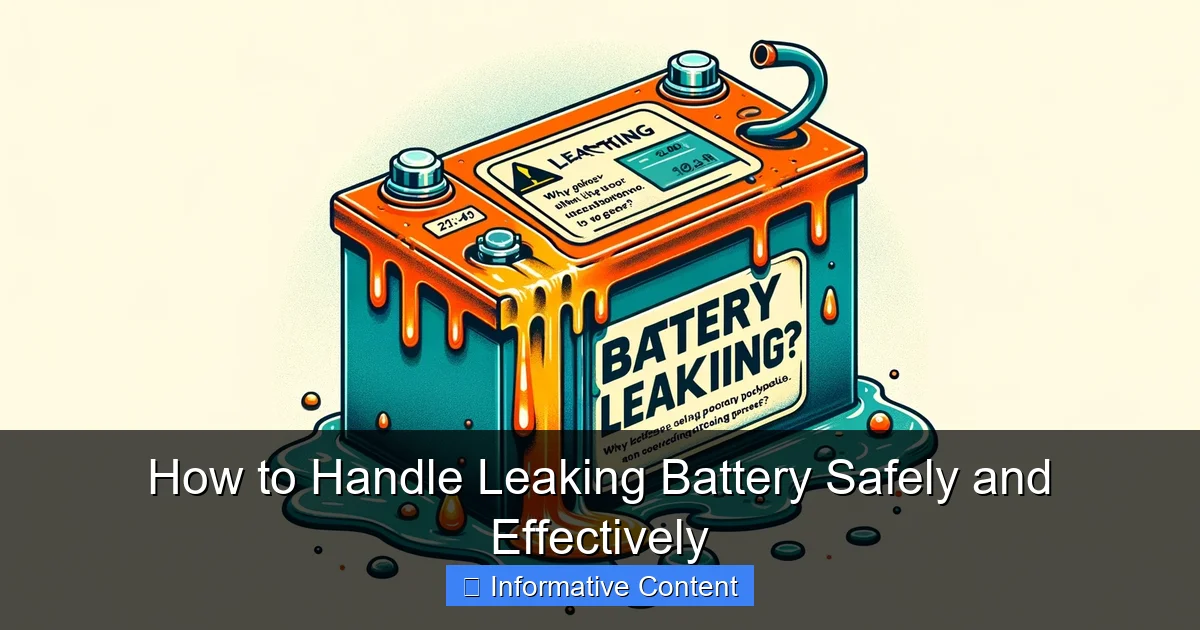
Featured image for how to handle leaking battery
Image source: batterytools.net
Immediately prioritize safety when encountering a leaking battery: never touch it with bare hands and ensure proper ventilation. Wear protective gloves and eyewear to carefully remove the battery, then clean any residue thoroughly with a suitable agent. Always dispose of the battery and all contaminated materials as hazardous waste, adhering strictly to local guidelines.
How to Handle Leaking Battery Safely and Effectively
Hey there! Have you ever reached for a remote control, a kid’s toy, or an old flashlight, only to find that dreaded, crusty white or sticky brown goo seeping out of the battery compartment? It’s a moment that instantly makes you cringe, and for good reason. A leaking battery isn’t just unsightly; it can be a hazard to your health, your electronics, and even your home. But don’t panic! We’ve all been there, and the good news is that handling a leaking battery safely and effectively is totally doable with the right knowledge and precautions.
That oozing substance is usually corrosive, meaning it can eat away at plastics, metals, and even skin. Ignoring a leaking battery can lead to damage to your valuable gadgets or, worse, cause irritation or burns if it comes into contact with you. The key is to act quickly but calmly, ensuring your safety and minimizing the mess. This guide will walk you through everything you need to know, from recognizing the signs to proper cleanup and disposal, and even how to prevent future leaks.
Key Takeaways
- Prioritize Safety: Wear gloves, eye protection, and a mask immediately.
- Avoid Bare Contact: Never touch leaking battery fluid with bare skin.
- Ensure Ventilation: Work in a well-ventilated area to disperse fumes.
- Neutralize Spills: Use vinegar for alkaline, baking soda for acidic leaks.
- Clean Thoroughly: Carefully clean affected devices with a cotton swab or brush.
- Dispose Properly: Bag and dispose of leaking batteries at a recycling center.
- Prevent Future Leaks: Remove batteries from unused electronics and storage.
📑 Table of Contents
Recognizing a Leaking Battery
Before you can tackle the problem, you need to spot it. Sometimes a leaking battery is obvious, but other times it can be sneaky. Knowing what to look for will help you catch it early and prevent further issues.
Visible Signs of a Leak
- White, Powdery, or Crystalline Residue: This is the most common sign, especially with alkaline batteries. It looks like dried salt or baking soda and often forms around the battery terminals or seams.
- Sticky or Oily Substance: Less common, but some battery types (though not typically standard household ones) might leak a different kind of electrolyte that feels oily.
- Bulging or Swollen Battery: If a battery looks like it’s puffing up, even without visible residue, it’s a huge red flag. This often means internal gasses are building up, and a leak (or rupture) is imminent.
- Corrosion on Terminals: Greenish or blue-green buildup on the metal contacts of the device or battery itself indicates corrosion caused by the leakage.
The Smell Test
Sometimes, you might smell an unusual odor even before you see a visible leak. A leaking battery, particularly an alkaline one, can emit a faint chemical smell. Trust your nose – if something smells off, investigate further.
How Different Battery Types Leak
While this guide primarily focuses on common alkaline batteries (which leak potassium hydroxide, a base), it’s worth noting other types. Lithium-ion batteries, found in phones and laptops, rarely leak in the same way; if they do, it’s usually due to significant damage, overheating, or manufacturing defects, and they can be more dangerous, sometimes leading to fires. For most household scenarios, you’re dealing with alkaline batteries and their tell-tale white powder.
Immediate Safety Precautions
Your safety is the top priority when dealing with a leaking battery. Don’t rush in without preparing yourself.
Don’t Panic, But Act Quickly
Seeing a leak can be alarming, but panicking can lead to mistakes. Take a deep breath. The leak isn’t usually an immediate explosion risk (unless the battery is severely damaged or hot), but the chemicals can cause irritation. Quick, calm action is best.
Prioritize Personal Safety
Before touching anything, think about protecting yourself. The electrolyte from a leaking battery is corrosive and can irritate your skin, eyes, and respiratory system. Always put on your protective gear first.
Ventilate the Area
If possible, open a window or door to allow fresh air to circulate. This helps dissipate any fumes that might be present, especially if the leak is significant or you notice a strong smell.
Gathering Your Protection and Cleaning Tools
You wouldn’t tackle a tough cleaning job without the right supplies, and a leaking battery cleanup is no different. Gather everything before you start to avoid interruptions and potential exposure.
Essential Personal Protective Equipment (PPE)
- Gloves: Absolutely essential! Use rubber or latex gloves (kitchen cleaning gloves work great). Never handle a leaking battery with bare hands.
- Eye Protection: Safety glasses or goggles are highly recommended to prevent any splashes from getting into your eyes.
- Old Clothes or Apron: Wear something you don’t mind getting stained or damaged, just in case.
- Mask: If you’re sensitive to odors or dealing with a significant leak, a basic dust mask can offer some protection against inhaling fumes.
Household Cleaning Supplies You’ll Need
- Cotton Swabs or Q-tips: Perfect for getting into tight spaces within battery compartments.
- Old Toothbrush: Great for scrubbing away dried residue.
- Small Brush or Non-abrasive Scrubber: For larger areas.
- Paper Towels or Old Rags: For wiping up the mess.
- Small Plastic Bag or Container: For safely holding the leaking battery and contaminated waste.
Specialized Neutralizers
For alkaline batteries, the leaked substance is potassium hydroxide, which is a base. An acid can neutralize it. Good choices include:
- White Vinegar: A common household acid that works wonders.
- Lemon Juice: Another acidic option you might have on hand.
For other battery types, consult specific guidelines, but for the vast majority of consumer battery leaks, vinegar or lemon juice is the way to go.
Safely Cleaning Up the Mess
Now that you’re geared up, let’s get that corrosive goo out of your device and off your surfaces.
Removing the Leaking Battery
- Don Your PPE: Make sure your gloves and eye protection are securely in place.
- Carefully Remove the Battery: Gently pry out the leaking battery. Avoid bending or crushing it, which could cause more leakage. If it’s stuck, use a non-metal tool like a plastic spoon or a screwdriver with a plastic handle.
- Place in a Safe Container: Immediately place the removed leaking battery into a small plastic bag or a sealable container. This prevents further contact and leakage onto other surfaces.
Cleaning the Device’s Battery Compartment
- Apply Neutralizer: Dip a cotton swab or old toothbrush into white vinegar or lemon juice. Don’t soak the compartment directly, especially if it’s an electronic device.
- Gently Scrub: Carefully clean away the white residue from the contacts and compartment walls. The acid will react with the alkaline leak, often fizzing slightly as it neutralizes the corrosive substance.
- Wipe Clean: Use a fresh, dry cotton swab or paper towel to wipe away the neutralized residue. You might need to repeat steps 1-3 until all signs of the leak are gone.
- Dry Thoroughly: Allow the compartment to air dry completely before inserting new batteries. You can use a soft, dry cloth or even a gentle blow dryer on a cool setting to speed this up. Make sure there’s no moisture left to avoid new corrosion or damage.
Treating Contaminated Surfaces
If the leaking battery fluid got onto other surfaces (like a tabletop or carpet):
- Hard Surfaces: Wipe immediately with a damp paper towel. Follow up with a solution of vinegar and water, then wipe clean with plain water and dry.
- Fabrics/Carpets: Blot the area to absorb as much fluid as possible. Then, dampen a cloth with vinegar or lemon juice and blot the stain. Follow with a clean, damp cloth and blot dry. You may need to use a carpet cleaner afterward.
Always test any cleaning solution on an inconspicuous area first to ensure it doesn’t cause damage or discoloration.
Proper Disposal of Leaking Batteries and Waste
Disposing of a leaking battery and the cleanup waste isn’t as simple as tossing it in the regular trash. Proper disposal is crucial for environmental safety and to prevent harm.
Handling the Leaking Battery for Disposal
Once you’ve removed the leaking battery, it’s still considered hazardous waste. Keep it sealed in that plastic bag or container. You can even tape over the terminals with electrical tape to prevent any accidental contact with other metal objects, which could cause a short circuit.
Disposing of Contaminated Cleaning Materials
Any paper towels, cotton swabs, or rags that came into contact with the battery fluid should also be placed in a separate plastic bag and sealed. While not as hazardous as the battery itself, they contain corrosive residue and shouldn’t go directly into regular household waste. Treat them as chemical waste.
Finding Battery Recycling Centers
The best way to dispose of a leaking battery (and all other batteries, for that matter!) is through a proper recycling program. Many stores that sell batteries, local municipal waste facilities, or special hazardous waste collection events will accept them. Search online for “battery recycling near me” or check with your local waste management services for specific instructions.
Preventing Future Leaks
An ounce of prevention is worth a pound of cure, especially when it comes to a leaking battery. A few simple habits can save you a lot of hassle.
Storage Best Practices
- Store at Room Temperature: Extreme heat or cold can degrade batteries and increase the risk of a leak. Keep them in a cool, dry place.
- Original Packaging: Keep new batteries in their original packaging until ready to use. This prevents terminals from touching each other or other metal objects, which can discharge them or even cause short circuits.
- Avoid Mixing Batteries: Don’t store different types of batteries (e.g., alkaline with rechargeable) or new and old batteries together. They can have different discharge rates, leading to over-discharge and leakage in the weaker ones.
Device Usage Tips
- Remove Batteries from Unused Devices: This is a big one! If you won’t be using a device for a long period (e.g., seasonal decorations, old toys, or remotes for TVs you no longer use), take out the batteries. This is the single best way to prevent a leaking battery from ruining your electronics.
- Replace All Batteries at Once: When a device takes multiple batteries, replace all of them at the same time. Using a mix of old and new batteries can cause the older ones to over-discharge and leak.
- Use the Right Battery Type: Always use the battery type and size recommended by the device manufacturer.
Choosing the Right Batteries
While no battery is 100% leak-proof, some brands offer better leak protection than others. Do a little research or choose reputable brands known for quality. Sometimes, spending a little extra on higher-quality batteries can save you from the headache and cost of cleaning up a leaking battery and potentially replacing a damaged device.
Dealing with a leaking battery might seem daunting, but by following these steps, you can handle the situation safely, clean up the mess effectively, and protect your belongings. Remember, safety first, then thorough cleanup, and finally, responsible disposal. By adopting good battery habits, you can significantly reduce the chances of encountering this gooey problem again. Stay safe and keep your electronics happy!
Frequently Asked Questions
What should I do immediately if I discover a leaking battery?
First, avoid direct contact with the leakage. Wear protective gloves and eye protection, then carefully remove the device from service and place it on a non-conductive surface away from children and pets.
Are leaking batteries dangerous to touch, and what are the health risks?
Yes, the leaked substance is corrosive and can cause skin irritation, chemical burns, or respiratory issues if inhaled. Always wear protective gear like gloves and eye protection when handling a leaking battery to prevent direct exposure.
How do I safely clean up the residue from a leaking battery?
Using protective gloves, carefully wipe away the residue with a cotton swab or toothbrush lightly dampened with a small amount of vinegar (for alkaline leaks) or lemon juice (for zinc-carbon leaks). Ensure the area is completely dry before attempting to reinstall new batteries or use the device.
What is the proper way to dispose of a leaking battery?
Do not throw leaking batteries in regular household trash. Place the battery in a sealed plastic bag or container to prevent further leakage, then take it to a local battery recycling center or hazardous waste collection facility. Check with your local municipality for specific guidelines.
How can I prevent batteries from leaking in the future?
Always remove batteries from devices that will be stored for extended periods or are not in use. Avoid mixing old and new batteries, or different battery types, and use reputable brands to minimize the risk of a leaking battery.
My device has a leaking battery; can it still be saved?
It depends on the extent of the corrosion caused by the leaking battery. If the corrosion is minor and hasn’t damaged critical electronic components, cleaning the contacts thoroughly may allow the device to function again. However, if the damage is extensive, the device may be permanently compromised.