Unlock Secrets How To Extend Car Battery Life Today
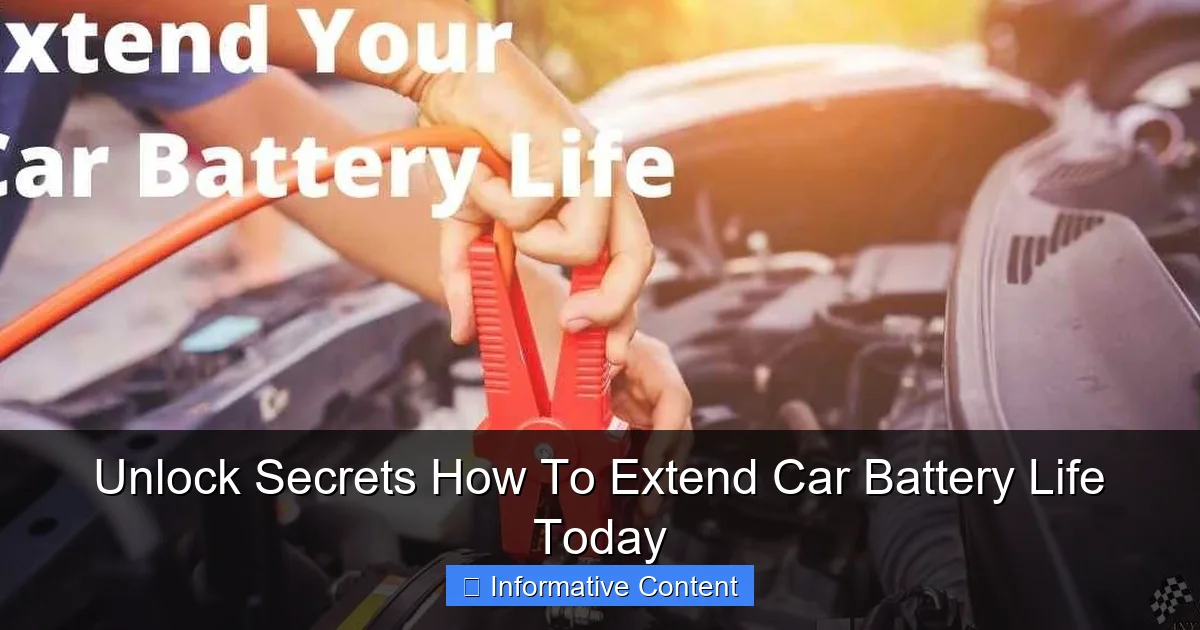
Featured image for how to extend car battery life
Image source: anycartowing.com.au
Extend your car battery’s life significantly through consistent care and preventing deep discharge. Regular cleaning of terminals, checking fluid levels, and ensuring full charges are crucial, especially for vehicles driven infrequently. Avoid parasitic draws and frequent short trips to maximize longevity and reliability, saving you time and money.
Picture this: It’s a freezing Monday morning. You’re running late, coffee in hand, keys in the ignition. You turn the key, hoping for that familiar rumble, but all you get is a disheartening “click, click, click.” Your car battery has called it quits, leaving you stranded, stressed, and facing an unexpected expense. Sound familiar? We’ve all been there, and it’s never a pleasant experience.
But what if you could drastically reduce the chances of this happening? What if you could proactively care for your car’s most vital electrical component, extending its lifespan far beyond what you thought possible? The good news is, you absolutely can! It’s not about magic; it’s about understanding a few simple, yet incredibly effective, maintenance practices.
Taking steps to extend car battery life isn’t just about avoiding roadside drama; it’s about saving money, boosting reliability, and gaining peace of mind. Think of your battery as the heart of your car – it needs proper care to keep everything else running smoothly. In this post, we’ll unlock the secrets to keeping your car battery humming along for years to come. Let’s dive in and learn how to extend car battery life today!
Key Takeaways
- Regularly test your battery’s voltage to catch issues early.
- Drive your car regularly and for longer durations.
- Use a smart charger if your car sits for extended periods.
- Keep battery terminals clean and tight to prevent power loss.
- Avoid excessive short trips; they drain power quickly.
- Disconnect accessories when parked to prevent parasitic drain.
- Insulate your battery in extreme hot or cold weather.
📑 Table of Contents
- Maintain a Healthy Charge (Regular Driving & Charging)
- Keep It Clean and Connected (Inspection & Maintenance)
- Be Mindful of Your Habits (Driving & Accessory Use)
- Protect Your Battery from Extremes (Temperature Management)
- Utilize Smart Tools for Longevity (Testers & Maintainers)
- Quick Battery Lifespan Factors Overview
- Unlock Years of Reliable Performance
Maintain a Healthy Charge (Regular Driving & Charging)
One of the most crucial factors in how long your car battery lasts is its state of charge. Batteries thrive when they’re kept topped up, not left to languish in a partially discharged state. Think of it like a muscle – regular use keeps it strong, while prolonged inactivity can lead to weakness.
Why Regular Driving Matters
Your car’s alternator charges the battery while you drive. If you frequently take only short trips – say, just to the grocery store a few blocks away – your alternator might not have enough time to fully replenish the energy used to start the engine. Over time, these repeated short trips can slowly drain your battery, leading to sulfation (a build-up of lead sulfate crystals that impedes charging) and significantly shorten its overall lifespan. Aim for at least one 20-30 minute drive at highway speeds each week to ensure your battery gets a good charge. This is a simple, yet powerful way to extend car battery life.
The Magic of a Battery Maintainer
If you have a vehicle that sits idle for extended periods – perhaps a classic car, an RV, a motorcycle, or even just a daily driver during a long vacation – a battery maintainer (often called a “trickle charger”) is your best friend. Unlike standard chargers that provide a constant current, maintainers intelligently monitor the battery’s charge and provide just enough power to keep it fully charged without overcharging. This prevents the battery from slowly discharging and sulfating, helping to preserve car battery health and greatly extend car battery life.
Keep It Clean and Connected (Inspection & Maintenance)
A battery that’s dirty or poorly connected can’t perform its best. Regular visual inspections and a little elbow grease can make a world of difference in preventing power loss and ensuring efficient operation.
Cleaning Corroded Terminals
Have you ever seen a fuzzy, white, or greenish-blue crust around your battery terminals? That’s corrosion, and it’s a common culprit for starting problems. Corrosion acts as an insulator, preventing proper electrical flow between the battery and your car’s electrical system. To clean it, disconnect the battery (always negative first, then positive), use a wire brush and a mixture of baking soda and water to scrub away the gunk, then rinse with clean water and dry thoroughly. A light coat of dielectric grease or an anti-corrosion spray can help prevent future build-up. This simple task is vital to extend car battery life.
Checking Cables and Mounts
While you’re cleaning, take a moment to inspect the battery cables. Look for any fraying, cracks, or loose connections. Tighten the terminal clamps if they feel wobbly, but don’t overtighten, as this can damage the battery posts. Also, ensure your battery is securely mounted in its tray. A loose battery can vibrate excessively, leading to internal damage and a premature demise. Keeping everything snug and secure is key to preserving car battery integrity.
Electrolyte Levels (for Accessible Batteries)
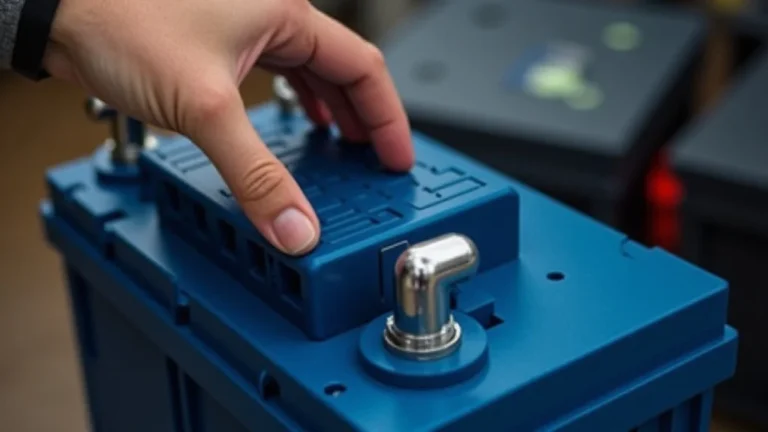
Most modern car batteries are “maintenance-free” and sealed, meaning you can’t access the electrolyte. However, if you have an older or specific type of battery with removable caps, periodically check the electrolyte levels. They should cover the plates inside. If they’re low, carefully top them up with distilled water (never tap water). This helps ensure optimal performance and can significantly extend car battery life.
Be Mindful of Your Habits (Driving & Accessory Use)
Your daily routines and how you use your car’s electrical features can have a surprising impact on your battery’s longevity. Small changes can make a big difference.
Avoiding the “Short Trip” Syndrome
As mentioned earlier, frequent short drives are tough on batteries. If you find yourself mostly making quick trips, consider combining errands or occasionally taking a longer route to allow the alternator ample time to recharge the battery. This proactive approach helps to keep your battery healthy and ready for anything.
Watch Your Electrical Loads
Leaving lights on, the radio playing, or charging your phone when the engine is off can quickly drain your battery. Even small parasitic drains, like a glove box light that stays on, can slowly deplete power. Always double-check that all accessories are off before you leave your car. If you have aftermarket accessories, ensure they’re wired correctly to avoid constant power draw. Being conscious of your electrical usage is a free and easy way to extend car battery life.
Protect Your Battery from Extremes (Temperature Management)
Car batteries are highly sensitive to temperature fluctuations. Both extreme heat and extreme cold can shorten their lifespan. Protecting them from these elements is crucial for longevity.
The Chill of Winter
Cold weather reduces a battery’s cranking power and makes it harder for the engine to start, demanding more from the battery. If you live in a very cold climate, consider a battery blanket or a block heater to keep the engine warm, which lessens the strain on the battery during startup. Parking in a garage also offers a degree of protection. A well-maintained and fully charged battery handles cold much better, proving that preventive care can truly extend car battery life.
The Heat of Summer
While cold starts are harder, ironically, it’s summer heat that does more long-term damage to car batteries. High temperatures accelerate the chemical reactions inside the battery, leading to increased water evaporation and internal corrosion. This speeds up the battery’s aging process significantly. Parking in the shade or a garage when temperatures soar can help mitigate this effect. Keeping your battery properly charged is also more critical in summer, as a fully charged battery is more resilient to heat.
Utilize Smart Tools for Longevity (Testers & Maintainers)
You don’t need to be a mechanic to monitor your battery’s health. A few simple tools can give you valuable insights and help you take proactive steps.
The Humble Battery Tester
A simple, inexpensive battery tester can tell you a lot about your battery’s current state of charge and overall health. Some handheld testers can even assess its cold-cranking amps (CCA), giving you an indication of how much life it has left. Regular testing, especially before winter or a long trip, can help you identify a weakening battery before it leaves you stranded. This is a smart way to proactively extend car battery life by addressing issues early.
Invest in a Quality Battery Maintainer
We touched on this earlier, but it bears repeating: a good quality battery maintainer is one of the best investments you can make for any vehicle that isn’t driven daily. It’s not just for classic cars; even your daily driver can benefit if you frequently travel or work from home and don’t drive as much. These intelligent devices ensure your battery is always at its optimal charge, preventing the slow, silent killer of sulfation.
Quick Battery Lifespan Factors Overview
Here’s a quick glance at some common factors that significantly influence how long your car battery will last:
| Factor | Impact on Battery Lifespan | Recommendation for Longevity |
|---|---|---|
| Driving Habits | Frequent short trips reduce charge, increasing wear. | Aim for regular, longer drives (20-30 mins). |
| Temperature Extremes | High heat accelerates degradation; cold reduces performance. | Park in shade/garage; use battery blanket in extreme cold. |
| Electrical Loads | Leaving accessories on drains battery, causing deep discharges. | Turn off all lights/accessories when engine is off. |
| Maintenance | Corroded terminals and loose connections hinder performance. | Clean terminals, check connections, secure mount regularly. |
| Storage/Inactivity | Prolonged idleness leads to self-discharge and sulfation. | Use a quality battery maintainer for parked vehicles. |
Unlock Years of Reliable Performance
Extending the life of your car battery doesn’t require a mechanic’s degree or expensive equipment. It simply calls for a bit of awareness and some consistent, easy-to-implement habits. From ensuring regular drives to keeping those terminals sparkling clean, and from managing electrical loads to protecting against temperature extremes, each step you take contributes to a healthier, longer-lasting battery.
By applying these practical tips, you’re not just warding off inconvenient breakdowns; you’re making a smart investment in your vehicle’s reliability and your own peace of mind. So, take these secrets, apply them to your routine, and enjoy the satisfaction of knowing you’ve truly learned how to extend car battery life. Say goodbye to unexpected “clicks” and hello to consistent, reliable starts every time. Your wallet and your morning commute will thank you!
Frequently Asked Questions
How long does a typical car battery last, and what factors affect its lifespan?
A typical car battery usually lasts between 3 to 5 years, but this can vary significantly. Factors such as driving habits, climate, and how well the battery is maintained are crucial in determining its actual longevity.
What simple maintenance steps can I take to extend my car battery life?
Regularly clean the battery terminals to prevent corrosive buildup, which can impede current flow. Ensuring the terminals are tight and checking the battery’s fluid levels (if applicable) and topping up with distilled water can also significantly help extend car battery life.
Do my driving habits impact how to extend car battery life?
Absolutely, your driving habits play a big role in how to extend car battery life. Frequent short trips don’t allow the alternator enough time to fully recharge the battery, leading to a diminished charge over time. Periodically taking longer drives helps ensure the battery receives a full charge.
How can extreme weather affect car battery life, and what should I do?
Both extreme heat and cold can significantly shorten a car battery’s life. Heat accelerates internal corrosion, while cold reduces its cranking power and charge efficiency. Parking your car in a garage or using a battery blanket in very cold temperatures can help mitigate these effects.
Is using a battery maintainer or trickle charger beneficial for extending car battery life?
Yes, using a battery maintainer or trickle charger is highly beneficial for extending car battery life, especially for vehicles not driven regularly. These devices keep the battery at an optimal charge level, preventing deep discharges that degrade battery health and ultimately prolonging its overall lifespan.
What are common signs that my car battery life is nearing its end?
Look out for sluggish engine cranking, dimming headlights when the engine is off, or the “check battery” light illuminating on your dashboard. If you notice these symptoms, it’s a good indication that your car battery life is nearing its end and a replacement might soon be needed.