How to Check Water Level in Battery Explained Simply
Figuring out how to check water level in battery seems tricky at first. It’s a common task, but many find it a bit confusing. Don’t worry, it’s easier than you might think! This guide will break down the process in simple steps. You will learn the important things you need to know to take good care of your car battery. What comes next will give you all the information to maintain your battery properly and avoid problems.
Essential Battery Basics and Safety Precautions
Before exploring how to check the water level, it is important to know some fundamentals about batteries and, most importantly, safety rules. Batteries contain chemicals that can be harmful, and they also generate electricity. Knowing the fundamentals helps you do the task safely and successfully, extending the life of your battery and avoiding injury. This first section sets the stage, giving you a safe and informed beginning before you begin with the practical steps.
Battery Types: Wet Cell and Beyond
Batteries aren’t all the same. The ones in your car are usually “wet cell” or flooded lead-acid batteries. These contain liquid electrolytes, usually a mixture of sulfuric acid and water. These batteries have caps that can be removed to expose the cells. The water level must be checked and possibly topped up. Different battery designs, like absorbed glass mat (AGM) and gel batteries, are built differently and usually don’t need regular water checks. Knowing the type you have makes a big difference.
- Wet Cell Batteries: These are the standard type, easily identified by removable caps. They need regular water checks.
- AGM Batteries: AGM batteries use absorbent glass mats to hold the electrolyte. These batteries are often sealed and don’t need water checks.
- Gel Batteries: Gel batteries have a gel-like electrolyte. They are generally sealed and maintenance-free.
- Maintenance-Free Batteries: These often use technology that reduces water loss, so they don’t need regular maintenance or water additions.
Understanding battery types saves you from causing problems by wrongly checking or adding water to the wrong type of battery. Make sure of your battery type before you do anything else.
Safety First: Protective Gear and Handling
Safety is the most important thing when you’re working around batteries. Batteries can give off explosive gases, and the acid can burn your skin and eyes. You should wear protective equipment such as eye protection and gloves. Working in a well-ventilated area is also very important. These precautions keep you safe, allowing you to perform the task without putting yourself at risk. You can work with confidence.
- Eye Protection: Always wear safety glasses or goggles.
- Gloves: Use acid-resistant gloves to protect your skin.
- Ventilation: Work in a well-ventilated area.
- Avoid Sparks/Flames: Keep sparks and open flames away from the battery.
- Acid Neutralization: Have baking soda and water handy to neutralize any acid spills.
These rules prevent possible injuries and help you work safely. Taking these precautions protects your health while you maintain your battery. Be prepared to deal with any issues that may arise.
Necessary Tools for the Task
Having the correct tools makes the process easier and safer. You need certain items to open the battery, check the water level, and add water if required. Choosing the correct tools means that you can do the job precisely. Get ready with a few basic items, and you will be able to do the procedure without any issues.
- Safety Glasses: To protect your eyes from splashes.
- Gloves: To protect your hands from acid.
- Distilled Water: Never use tap water; it contains minerals.
- Flashlight: To see inside the battery cells.
- Wrench or Pliers: If needed, to open the battery terminals.
These tools, combined with the earlier safety gear, provide all you need to check and maintain the water level in your battery. Being prepared means you will have a smoother experience and that the job is done well.
Step-by-Step Instructions on How to Check Water Level in Battery
Now, let’s explore exactly how to check water level in battery. Following these step-by-step instructions, you’ll be able to properly maintain your battery and make sure it works effectively. These easy steps eliminate confusion, letting you do the procedure with confidence. You’ll quickly see that it’s a manageable task when broken down properly.
Locating and Opening Your Battery
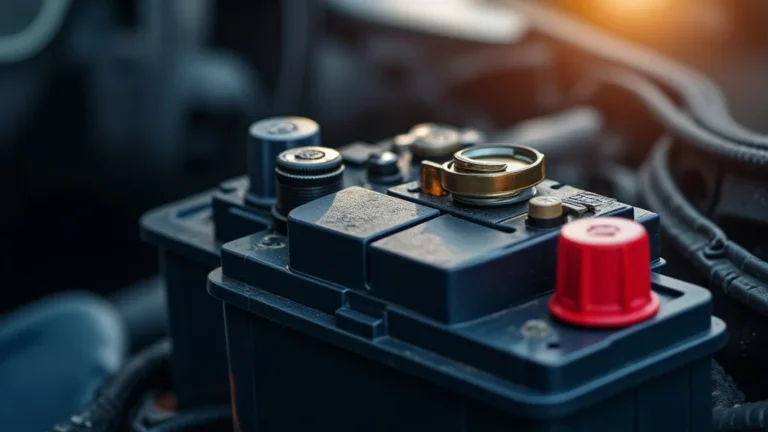
The first step is locating the battery in your vehicle and preparing it for inspection. Most cars have their batteries under the hood, but in other cars, they are in the trunk or under the back seat. Once you find it, you need to open it. This involves removing any covers that may hide the battery’s top, then carefully removing the caps that cover the cells. Taking your time here guarantees that you’re prepared for the process.
- Locate the Battery: Find the battery in your vehicle. Usually, it’s under the hood, but it could be in the trunk or under a seat.
- Remove Covers: Remove any covers that protect the battery.
- Identify Caps: Locate the caps on top of the battery cells. These are usually in sets of two or three.
- Open the Caps: Use a flathead screwdriver or your fingers to remove the caps.
Knowing where your battery is located and how to open it is the foundation for performing any maintenance. This ensures you can access the cells and proceed with the rest of the procedure.
Inspecting the Water Level
Once the battery is open, you can see inside the cells and look at the electrolyte levels. You’ll probably need a flashlight to see inside. You need to ensure the liquid covers the plates within each cell. This is very important. This guarantees that all parts of the battery are working, and it keeps it working well. This section tells you how to check this, making it simple to maintain your battery.
- Use a Flashlight: Shine a flashlight into each cell to see the electrolyte level.
- Check the Level: The electrolyte should cover the plates inside the battery cells. Look carefully to see if the plates are covered.
- Use the Marks: Some batteries have level indicators. Use these as a guide. If your battery has indicators, filling it to these marks will be simple.
- Note Low Levels: If the level is below the plates, you’ll need to add water.
Checking the water level is a visual process. These simple instructions guide you through this step so you can easily identify if your battery is low on water.
Adding Water if Necessary
If you see that the water level is low, you need to add distilled water. This is a very important part of battery maintenance. Only use distilled water; tap water contains minerals that damage your battery. Don’t overfill the cells, since this can cause the liquid to spill over, damaging the battery and nearby parts of the car. These directions show you how to do it safely.
- Use Distilled Water: Only use distilled water.
- Fill Carefully: Pour the distilled water into each cell.
- Don’t Overfill: Fill the cells to the fill line or about 1/2 inch below the top of the cell.
- Check Levels Again: Recheck the water level after adding water.
Adding water is the most important step for maintaining your battery. Doing it right keeps the battery working effectively and extends its lifespan. Following these instructions will allow you to do this properly and with confidence.
Troubleshooting Common Issues
Problems sometimes arise when checking and maintaining battery water levels. It is important to know how to deal with these issues. This section will discuss a few of the more common issues you may come across and their solutions. Knowing what to do when something goes wrong will help you keep your battery working and reduce your risk.
Dealing with Corrosion
Corrosion is a common issue around battery terminals. It can reduce the battery’s ability to transfer power. Corrosion is usually white or greenish and appears on the terminals. This section explains how to deal with this, keeping your battery connections clean and working well. Following these steps helps keep your battery working.
- Identify Corrosion: Look for white or greenish build-up on the terminals.
- Remove Terminals: Loosen the terminal clamps and take the terminals off the battery posts.
- Clean the Terminals: Use a wire brush or a special battery terminal cleaner to remove the corrosion.
- Clean the Posts: Brush the battery posts to remove any remaining corrosion.
- Reassemble: Put the terminals back on and tighten them.
Dealing with corrosion keeps your battery working well. Regular cleaning prevents problems such as starting issues and increases the life of your battery. You can keep your battery at its best with regular inspection and cleaning.
Battery Won’t Take a Charge
If the battery does not hold a charge, it is a sign of a possible problem. There may be many causes of this, including the age of the battery, internal damage, or electrical faults. Discovering the possible reasons why a battery won’t charge enables you to determine the cause of the problem. This lets you make an informed decision about the appropriate steps to take, such as replacing the battery or getting it checked by a professional.
- Test the Battery: Use a multimeter to see if the battery holds a charge.
- Check the Charger: Ensure your charger is working.
- Check for Internal Damage: Look for bulging or leaking.
- Consider Battery Age: If the battery is old, it might need replacement.
Being prepared can help you resolve issues and stop them from getting worse. If your battery isn’t taking a charge, you may need to take action. Recognizing the cause of the problem is important to take the steps necessary to keep the battery functioning.
Battery Leaks
Battery leaks can be dangerous and cause damage. Battery acid is corrosive. If it leaks, it can cause damage to the battery and the vehicle. Addressing leaks swiftly is crucial for safety. This section will tell you how to identify leaks, what causes them, and how to deal with them safely.
- Identify the Leak: Look for liquid around the battery.
- Check for Cracks: Inspect the battery case for cracks.
- Neutralize Acid: Use baking soda and water to neutralize any acid spills.
- Replace Battery: If the battery is leaking, it probably needs to be replaced.
Taking immediate action to address the leaks is crucial to preventing safety and vehicle issues. Doing so helps to keep the battery and your vehicle safe.
Maintaining Battery Health: Tips and Best Practices
Proper battery maintenance is important for making sure it performs well and lasts for many years. Checking the water level is only one step. This section provides the knowledge and guidance to keep your battery in great condition. Taking these measures will help improve its lifespan and performance.
Regular Inspection Frequency
The frequency of battery inspection depends on your driving habits and environment. If you do short trips or live in a hot climate, you’ll need to check more often. Regular checks catch problems early, keeping the battery running well. Here’s a suggested schedule to help you maintain your battery in great condition. Remember, every vehicle is different, so adapt it to your requirements.
- Monthly Checks: Recommended for wet cell batteries in hot climates.
- Seasonal Checks: At the start of summer and winter for other climates.
- Before Long Trips: Check before a long road trip to avoid problems.
- When Problems Occur: Inspect if you see dim lights or starting problems.
Regular inspections are key to keeping your battery in good shape. Following these recommendations helps to identify problems before they can cause more serious issues. Making these checks a habit helps to prevent problems and keeps your vehicle going.
Extending Battery Lifespan
Taking a few easy steps can significantly improve your battery’s lifespan. It is possible to extend battery life by avoiding things that stress it. Implementing these practices keeps your battery working effectively for more time. Here are some basic steps that contribute to extending the battery’s lifespan.
- Avoid Deep Discharges: Don’t let your battery fully discharge.
- Limit Short Trips: Frequent short trips can harm the battery.
- Keep Terminals Clean: Clean terminals prevent corrosion.
- Use a Battery Charger: Use a battery charger during periods of non-use.
These are easy practices that help prolong the life of your battery. By using these simple steps, you can help your battery last longer and perform better. Your vehicle will benefit, and you’ll save money on replacement costs.
Understanding Climate Impact
Climate has a significant impact on your battery. Hot and cold weather affect battery life and performance. Extreme temperatures speed up the battery’s degradation. This section will talk about the climate effects and how to take care of the battery in varied weather situations. Knowing these details helps you make appropriate adjustments, which ensures reliable performance regardless of the conditions.
| Climate Condition | Impact on Battery | Mitigation Strategies |
|---|---|---|
| Hot Weather | Accelerates corrosion, water loss. | Check water levels more often, keep the battery shaded. |
| Cold Weather | Reduces battery’s cranking power. | Keep the battery fully charged, park in a garage. |
| Extreme Temperatures | Reduces overall battery lifespan. | Follow regular maintenance schedules, consider a battery blanket in very cold weather. |
Understanding climate’s impact allows you to take necessary precautions. These easy adjustments will help you protect your battery in various weather conditions. This helps you to make sure your battery performs reliably year-round.
Frequently Asked Questions
Question: How often should I check the water level in my battery?
Answer: For wet cell batteries, it’s a good idea to check it every month, particularly if you live in a hot climate. In other areas, checking every season (spring and fall) is usually enough.
Question: What kind of water should I use to fill my battery?
Answer: Always use distilled water. Tap water contains minerals that can harm your battery, reducing its performance and lifespan.
Question: Can I overfill my battery?
Answer: Yes, and you shouldn’t. Overfilling can cause the electrolyte to spill out, which can corrode the battery and any nearby parts of your car.
Question: What do I do if I see corrosion on my battery terminals?
Answer: You should clean the terminals. Use a wire brush or battery terminal cleaner to remove the corrosion. This ensures good electrical contact.
Question: My battery won’t hold a charge. What should I do?
Answer: First, check the battery with a multimeter to see if it’s holding a charge. If it’s not, it could be a sign of a problem like age, damage, or a faulty charging system. You may need to replace the battery or have it checked by a professional.
Final Thoughts
In short, understanding how to check water level in battery is important for keeping your car working well. It’s a simple process, and with the correct information, you can easily maintain your battery’s health. You’ve now learned how to safely examine the water level, top it off with distilled water when required, and handle issues like corrosion. Remembering to check your battery regularly, and taking precautions against heat or cold, will allow you to extend its lifespan and avoid unexpected problems. Make checking your battery a part of your regular car maintenance routine. You will save money and have reliable starts every day!