Learn How to Check Car Battery Health Easily Today

Featured image for how to check car battery health
Image source: publicdomainpictures.net
Easily checking your car battery health is crucial for preventing unexpected breakdowns and ensuring reliable starts. You can quickly assess its condition with simple methods like visual inspection and a basic voltage test, empowering you to maintain your vehicle’s reliability and peace of mind.
Ever had that stomach-dropping moment when you turn the key, and all you get is a slow, mournful groan or, even worse, absolute silence? It’s a feeling most of us know all too well. That usually means your car battery has decided to call it quits, leaving you stranded and frustrated. But what if I told you that you could often catch these issues before they become full-blown roadside emergencies?
Think of your car battery like the heart of your vehicle. It pumps life into the engine, powers your lights, radio, and all those creature comforts we rely on. When it’s healthy, your car runs smoothly. When it’s struggling, well, that’s when trouble starts brewing. The good news is, you don’t need to be a seasoned mechanic to understand how to check car battery health. With a few simple steps and a little know-how, you can easily monitor its condition and potentially save yourself a lot of hassle and expense.
This guide is all about empowering you to take control. We’ll walk through exactly how to check car battery health, from quick visual inspections to using a simple tool like a multimeter. By the end, you’ll feel confident in your ability to keep an eye on your battery and make informed decisions about its care. Let’s dive in and learn how to check car battery health easily today!
Key Takeaways
- Visually inspect battery: Look for corrosion, cracks, or leaks first.
- Measure static voltage: A healthy battery reads 12.6V or higher.
- Test cranking voltage: Drops below 9.6V signal a weak battery.
- Check charging system: Alternator should deliver 13.7V-14.7V while running.
- Perform a load test: This is the most accurate way to assess battery capacity.
- Clean terminals regularly: Ensure good connections and prevent power loss.
- Proactive checks save trouble: Regular testing prevents unexpected breakdowns.
📑 Table of Contents
Why is Car Battery Health So Important?
Before we get into the nitty-gritty of checking, let’s quickly touch on why this even matters. Understanding the battery’s role helps us appreciate why knowing its health is crucial.
The Silent Workhorse
Your car battery does more than just start your car. It provides the initial burst of power needed to crank the engine, and once the engine is running, the alternator takes over to power the electrical system and recharge the battery. However, if your alternator isn’t working properly, or if your battery is already weak, it struggles to keep up. A healthy battery ensures everything from your power windows to your infotainment system works as it should, even when the engine is off.
Avoiding Stranded Situations
No one wants to be stuck on the side of the road, especially not when you’re late for work or have important plans. A failing battery is a leading cause of unexpected breakdowns. By regularly checking car battery health, you can often identify a weakening battery before it leaves you high and dry. This proactive approach saves you time, stress, and the potential cost of a tow truck.
Visual Inspection: Your First Clue
Often, the first signs of a problem can be seen with your own eyes. Always ensure your car is turned off and cool before performing any visual checks. Safety first!
Look for Corrosion
Pop open your hood and take a good look at the battery terminals (where the cables connect). Do you see any white, blue, or green powdery substance built up around them? That’s corrosion, and it’s a common issue. Corrosion can prevent a good electrical connection, making it harder for your battery to charge and deliver power. You can often clean mild corrosion with a wire brush and a mixture of baking soda and water.
Check for Cracks and Leaks
Inspect the battery casing itself. Are there any cracks, bulges, or signs of fluid leaking? Cracks can indicate internal damage or overcharging, which are serious issues. Leaking battery fluid (acid) is corrosive and hazardous. If you see any of these signs, it’s usually time for a professional to assess or replace the battery.
Secure Connections
Gently try to wiggle the battery cables at the terminals. Are they securely fastened? Loose connections can lead to poor performance, intermittent starting problems, and prevent the battery from charging properly. If they’re loose, carefully tighten them with a wrench (after ensuring your car is off).
Listening to Your Car: Auditory Cues
Your car often tells you when something is wrong, and a dying battery is no exception. Pay attention to these auditory and visual signals.
Slow Cranking
When you turn the key, does the engine sound sluggish or slow to turn over? It might sound like “rrruh… rrruh… rrruh” instead of a quick “vroom!” This is a classic sign that your battery isn’t delivering enough power to the starter motor. It’s a major indicator when you’re trying to figure out how to check car battery health.
Clicking Sounds
If you hear a rapid clicking sound when you try to start the car, but the engine doesn’t turn over, it usually means the battery is almost completely dead. There’s just enough power to activate the starter solenoid (which makes the clicking), but not enough to engage the starter motor itself.
Dim Lights
Before you even try to start the car, turn on your headlights. Are they noticeably dimmer than usual? What about your dashboard lights? If they appear weak or dim, especially before the engine starts, it’s a strong hint that your battery might be on its last legs.
The Voltage Test: Using a Multimeter
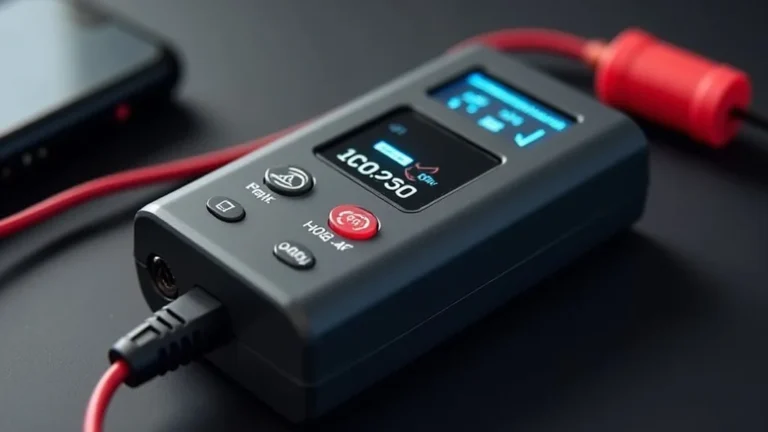
This is where we get a bit more technical, but don’t worry, it’s super easy. A multimeter is an inexpensive tool that can give you a precise reading of your battery’s voltage, which is key to knowing how to check car battery health accurately.
What You’ll Need
- A digital multimeter (you can find these at any hardware store or auto parts store for about $15-$30).
- Safety gloves and eye protection (always a good idea when working with car batteries).
Step-by-Step Guide
- Prepare: Ensure your car has been turned off for at least a few hours. This allows the battery to settle and gives you an accurate static voltage reading, free from residual surface charge.
- Set the Multimeter: Turn your multimeter dial to the “DC V” setting (direct current voltage) and select a range like 20V (or the closest option if it’s not auto-ranging).
- Connect the Probes: Connect the red positive (+) lead from the multimeter to the positive (+) terminal of your car battery. Then, connect the black negative (-) lead from the multimeter to the negative (-) terminal of your car battery.
- Read the Voltage: Look at the display on your multimeter. This number tells you your battery’s resting voltage.
Interpreting the Readings
Here’s a simple table to help you understand what those numbers mean for your battery’s health:
| Battery Voltage (Static, Car Off) | Battery Health | Action Needed |
|---|---|---|
| 12.6 volts or higher | Good, fully charged | Excellent! |
| 12.4 to 12.6 volts | Good, but slightly discharged | Consider a charge; keep monitoring. |
| 12.0 to 12.4 volts | Weak, moderately discharged | Needs charging. May struggle to start. |
| Below 12.0 volts | Poor, heavily discharged/failing | Likely needs replacement; definitely charge immediately. |
Pro Tip: You can also do a “cranking voltage test.” Have a friend try to start the car while you watch the multimeter. The voltage shouldn’t drop below 9.6 volts during cranking. A significant drop indicates a weak battery. When learning how to check car battery health, this is a very useful advanced step.
Maintaining Battery Health for Longevity
Once you know how to check car battery health, you’ll want to keep it in tip-top shape. A little preventative care goes a long way!
Regular Cleaning
Keep those terminals clean! As mentioned earlier, corrosion is bad for connections. Regularly cleaning the terminals can significantly extend battery life and performance. Use a wire brush and a baking soda/water solution, then rinse with clean water and dry thoroughly. Always disconnect the negative cable first and reconnect it last when cleaning.
Mind Your Electronics
Avoid leaving headlights on, cabin lights on, or charging devices when the engine is off for extended periods. These accessories draw power directly from the battery and can drain it quickly, especially if you do it often.
Drive Regularly
Your car’s alternator recharges the battery while you drive. Short trips, especially in stop-and-go traffic, might not give the alternator enough time to fully recharge the battery. Try to take longer drives (at least 20-30 minutes) regularly to ensure your battery gets a full charge.
Consider a Battery Tender
If you don’t drive your car often, or if it sits for extended periods (e.g., during winter storage), a “battery tender” or “trickle charger” can be a lifesaver. These devices maintain a full charge without overcharging, preventing the battery from slowly discharging over time.
Conclusion
Learning how to check car battery health is a fundamental skill for any car owner. It’s not just about avoiding inconvenient breakdowns; it’s about understanding a critical component of your vehicle and taking proactive steps to maintain it. From a quick visual check to a simple voltage test with a multimeter, you now have the tools and knowledge to monitor your battery’s condition.
Remember that feeling of dread when your car wouldn’t start? With these easy checks, you can greatly reduce the chances of experiencing that moment again. So, next time you’re under the hood, don’t just stare blankly at your battery. Empower yourself, perform a quick health check, and drive with the confidence that comes from knowing your car’s heart is beating strong. Happy driving!
Frequently Asked Questions
What are the common signs that indicate poor car battery health?
Several indicators suggest your car battery might be failing. Look out for slow engine cranking, dim headlights, or a “check engine” or battery warning light on your dashboard. These symptoms often point towards a weakening battery that struggles to hold a charge.
What tools do I need to check my car battery health at home?
To accurately assess your car battery health, you’ll primarily need a digital multimeter to measure voltage. For a more comprehensive check, a dedicated car battery tester or a load tester can provide insights into the battery’s cold cranking amps (CCA) and overall capacity.
How do I use a multimeter to check my car battery’s voltage?
First, ensure your car has been off for at least a few hours to get an accurate resting voltage reading. Set your multimeter to DC volts, connect the red probe to the positive (+) terminal and the black probe to the negative (-) terminal. The reading will show your battery’s current voltage.
What voltage readings indicate good versus poor car battery health?
A healthy, fully charged car battery should read around 12.6 volts or higher with the engine off. Readings between 12.4 and 12.6 volts suggest a partially discharged battery, while anything below 12.4 volts indicates a significant discharge and potentially poor car battery health requiring further investigation or charging.
Is it possible to check car battery health without specialized tools?
While less precise, you can perform a basic check by turning on your headlights without starting the engine. If the lights are bright and remain steady for a few minutes, your battery likely has a decent charge; dimming or fading lights could indicate declining car battery health. You can also visually inspect for corrosion or swelling.
How often should I check my car battery health, and what maintenance can I do?
It’s advisable to check your car battery health every few months, especially before extreme weather conditions. Regular maintenance includes cleaning corrosion from the terminals with a wire brush and ensuring the battery is securely mounted. Keeping terminals clean helps ensure good electrical contact and can extend battery life.