How to Properly Charge an AGM Battery for Peak Performance
Figuring out how to charge an AGM battery properly can feel tough if you’re new to it. Many people find the different charging methods and voltage requirements a little confusing at first. Don’t worry, though! It’s much simpler than it seems. This guide will take you step-by-step through the process, making sure you get the best performance and longest life from your battery. Let’s start with the basics.
What You Need to Know About AGM Batteries
AGM batteries, or Absorbed Glass Mat batteries, are a popular choice for many applications, from cars and motorcycles to boats and solar power systems. Unlike traditional flooded lead-acid batteries, AGM batteries have a special design. They contain a fiberglass mat that absorbs the battery acid, preventing spills and allowing for greater flexibility in positioning. These batteries offer advantages like faster charging times, improved vibration resistance, and better performance in cold temperatures. Knowing the specific requirements of an AGM battery is important because of how they are constructed. The materials and design of an AGM battery make it unique, and that uniqueness requires a different approach to charging than other battery types.
AGM Battery Construction Explained
The core of an AGM battery lies in its construction. The key feature is the absorbent glass mat (AGM) that sits between the lead plates. This mat soaks up the electrolyte, which is the sulfuric acid solution. The construction allows the battery to be sealed, preventing spills and making it safer. The close proximity of the plates and the electrolyte-soaked mat provides excellent power delivery and allows the battery to handle deep discharge cycles better than traditional batteries. Because the acid is absorbed, AGM batteries can be mounted in various positions without leaking, which is one of the main benefits. AGM batteries are also less sensitive to vibration, making them suitable for tough environments.
- The Role of the Absorbent Glass Mat: This critical component is a thin, porous separator made of fine glass fibers. It acts as a sponge, holding the electrolyte in close contact with the lead plates, enabling efficient energy transfer.
- Plate Design and Material: The lead plates are made of a lead-calcium or lead-tin alloy, which reduces water loss and improves battery life. Some batteries have spiral-wound plates. These designs increase the surface area available for the chemical reactions that produce electricity.
- Sealed and Maintenance-Free: AGM batteries are sealed, meaning the electrolyte is contained, and no water needs to be added. This design reduces maintenance. The sealed construction also minimizes corrosion and gas emissions.
- Valve Regulated Design: Most AGM batteries use a valve regulated design, where valves are used to release gas when pressure builds up in the battery.
AGM Battery Advantages Over Other Types
Compared to other battery types, AGM batteries have several advantages. They charge faster, meaning less time spent waiting. They’re also better at handling deep discharge cycles. This makes them ideal for applications where the battery is frequently drained. AGM batteries perform well in cold temperatures, which makes them a reliable choice in harsh conditions. They also have a longer lifespan, often lasting years with proper care and how to charge an AGM battery properly. They are more resistant to vibrations and spills. This can make them suitable for use in vehicles and other applications.
- Faster Charging: AGM batteries typically accept a higher charge current than flooded lead-acid batteries. This means they can recharge more quickly, reducing downtime and providing convenience.
- Vibration Resistance: Due to their construction, AGM batteries are more resistant to vibration, making them suitable for use in off-road vehicles, motorcycles, and other applications.
- Spill-Proof Design: The sealed design of AGM batteries prevents spills. This is particularly important in vehicles or locations where safety is a key concern.
- Longer Lifespan: With proper care and maintenance, AGM batteries often have a longer lifespan than traditional flooded batteries, saving you money in the long run.
- Low Self-Discharge: AGM batteries have a low rate of self-discharge, meaning they can hold a charge for longer periods when not in use. This makes them good for seasonal or infrequent use.
AGM Battery Applications in the Real World
AGM batteries are found in many places due to their versatility. They’re commonly used in cars and motorcycles, where their ability to withstand vibrations and provide reliable starting power is beneficial. They’re also popular in boats and RVs, where their spill-proof design and deep-cycle capabilities make them an excellent choice for powering lights and appliances. AGM batteries are increasingly used in solar power systems, providing energy storage for homes and businesses. Many UPS (Uninterruptible Power Supplies) also use AGM batteries to provide backup power during outages. The applications of AGM batteries demonstrate their capacity to perform.
- Cars and Motorcycles: Many modern vehicles use AGM batteries for their starting power and ability to handle the demands of electronics.
- Boats and RVs: AGM batteries are favored for their ability to withstand vibrations. Their spill-proof design and deep-cycle capabilities make them excellent for powering onboard systems.
- Solar Power Systems: AGM batteries are used to store energy generated by solar panels.
- UPS Systems: Many UPS systems use AGM batteries to provide backup power.
Choosing the Right Charger for Your AGM Battery
Choosing the correct charger is an important step when you learn how to charge an AGM battery properly. Not all battery chargers are created equal. Using the wrong charger can damage your battery, reducing its lifespan or causing it to fail. The best charger for an AGM battery should have specific features. It should have a charging profile tailored for AGM batteries, as well as a multi-stage charging process. This ensures the battery gets the appropriate voltage and current during each stage. It can prevent overcharging and damage. You should also consider the amperage of the charger in relation to the battery’s capacity.
Key Features of an AGM Battery Charger
When selecting a charger for your AGM battery, certain features are essential. A dedicated AGM charging profile is a must. This profile ensures the charger delivers the right voltage and current levels required for an AGM battery, preventing damage and maximizing performance. Another key feature is the multi-stage charging process. This process typically involves several stages, including bulk charge, absorption, and float, each serving a different function in charging the battery. Safety features are also important. Look for chargers with protection against overcharging, reverse polarity, and short circuits. These features help protect both the battery and the user.
- AGM Charging Profile: Make sure the charger is specifically designed for AGM batteries. Chargers that have a designated AGM setting will apply the correct voltage and charging algorithms.
- Multi-Stage Charging: Look for a charger with multiple charging stages. This typically includes a bulk charge, absorption, and float mode, which helps optimize the charging process and extend battery life.
- Voltage Regulation: The charger must accurately regulate the voltage during charging to prevent overcharging.
- Safety Features: Choose a charger with safety features such as reverse polarity protection, overcharge protection, and short-circuit protection.
- Automatic Shutoff: The charger should automatically stop charging when the battery is full to prevent damage.
Understanding Charger Amperage and Battery Capacity
The amperage rating of a charger should be selected based on the battery’s capacity. As a general rule, a charger’s amperage should be around 10% of the battery’s amp-hour (Ah) rating. For example, a 100Ah battery would ideally use a 10-amp charger. This helps ensure that the battery charges at a rate that is safe and efficient. Using a charger with too low an amperage can result in very slow charging times. A charger with too high an amperage may lead to excessive heat buildup and potential damage to the battery. Finding a balance is important to ensure optimal charging performance and battery longevity.
It’s important to match the charger’s output with the battery’s capacity. Here is a simple guideline:
| Battery Capacity (Ah) | Recommended Charger Amperage |
|---|---|
| Under 50 Ah | 2-5 Amps |
| 50-100 Ah | 5-10 Amps |
| Over 100 Ah | 10-20 Amps |
Types of Chargers
Several types of chargers are available, each with its characteristics. Smart chargers are designed to detect the battery type and automatically adjust the charging process. This makes them a safe and easy-to-use option. Standard chargers are simpler and less expensive, but they may require more manual settings. Battery maintainers are designed to keep a battery at its optimal charge level during periods of inactivity, preventing sulfation and prolonging battery life. Some chargers combine charging and maintenance functions. This makes them a versatile option for various applications.
Step-by-Step Guide on How to Charge an AGM Battery Properly
Now that you have all the equipment needed, the next step is how to charge an AGM battery properly. The process involves several steps to ensure the battery is charged safely and efficiently. Always make sure to follow the manufacturer’s instructions for your specific charger and battery. The following steps provide a general guide, but specific voltage and current settings may vary depending on the battery’s size. When charging, ensure you have a well-ventilated area, and do not charge the battery in extreme temperatures. These basic steps are key.
Preparing Your AGM Battery for Charging
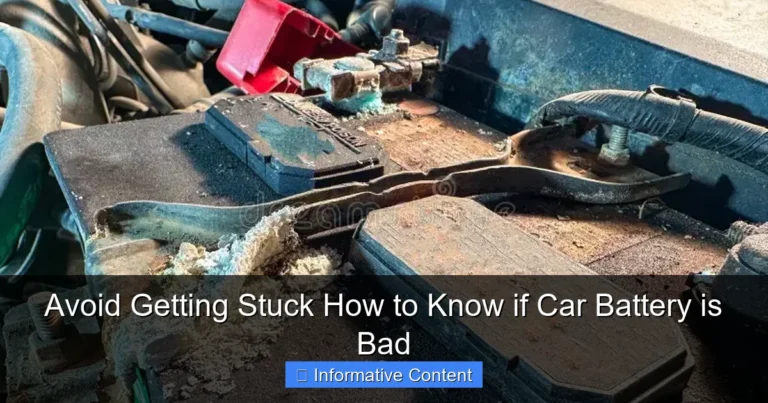
Before beginning the charging process, take time to prepare the battery. First, inspect the battery for any physical damage, such as cracks, leaks, or swelling. If the battery is damaged, do not attempt to charge it. Clean the battery terminals using a wire brush and a battery terminal cleaner. Remove any corrosion or dirt. This improves the connection between the charger and the battery. Ensure the battery is in a well-ventilated area, away from any flammable materials or open flames. Safety is always important when working with batteries. By taking these initial steps, you can ensure a safe and efficient charging process.
- Inspect the Battery: Carefully examine the battery for any signs of physical damage, like cracks, leaks, or swelling.
- Clean the Terminals: Use a wire brush or battery terminal cleaner to remove any corrosion or debris from the terminals.
- Ensure Proper Ventilation: Charge the battery in a well-ventilated area away from flammable materials.
- Check the Voltage: If possible, check the battery’s voltage before charging to get a baseline reading.
Connecting the Charger to the Battery
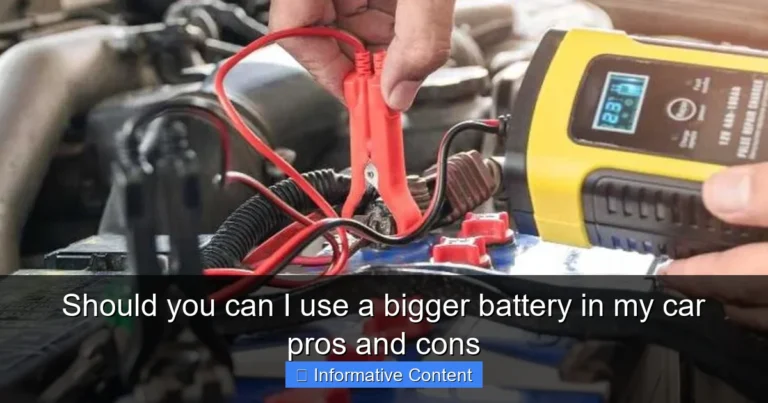
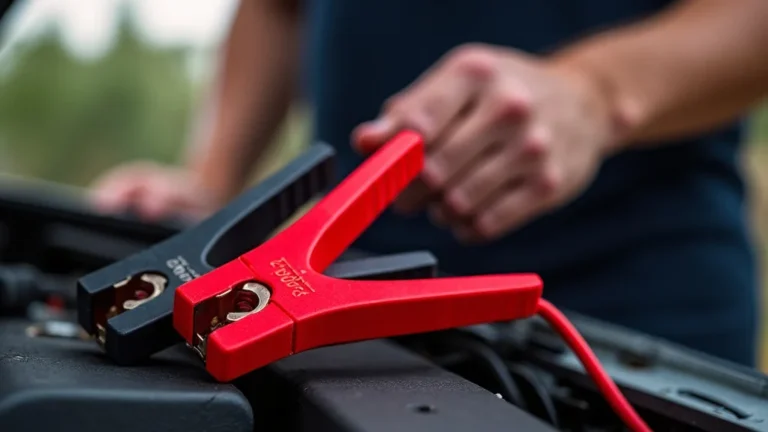
Connecting the charger to the battery properly is important for safe and effective charging. Connect the positive (red) clamp of the charger to the positive (+) terminal of the battery. Then, connect the negative (black) clamp of the charger to the negative (-) terminal of the battery. Ensure the clamps are securely attached to the terminals. Make sure the charger is turned off before connecting it to the battery. This reduces the risk of sparks or damage. After connecting the clamps, double-check that they are properly connected and that there is no loose contact. Once connected, you can then switch the charger on, following its specific instructions.
Here’s how to do it correctly:
- Turn Off the Charger: Make sure the charger is turned off before making any connections.
- Connect Positive First: Attach the red (+) clamp of the charger to the positive (+) terminal of the battery.
- Connect Negative Second: Attach the black (-) clamp of the charger to the negative (-) terminal of the battery.
- Ensure Secure Connections: Ensure both clamps are securely fastened to the terminals.
Setting the Charger and Initiating the Charge
Once the charger is connected, set it up. Select the appropriate charging setting for AGM batteries. Most modern chargers have a specific AGM mode. This setting will provide the correct charging profile. If your charger does not have this setting, consult the charger’s manual. The manual will tell you how to select the right voltage and current settings. Make sure the charger’s voltage matches the battery’s voltage. Most AGM batteries are 12V, but some may be 6V or 24V. Once the settings are in place, turn on the charger to start the charging process. Monitor the charger’s display or indicator lights. This will show the charging progress.
- Select the AGM Mode: Set your charger to AGM mode if available, which will ensure it uses the correct charging profile.
- Set the Voltage: Confirm the charger is set to match the voltage of your battery (typically 12V).
- Set the Current: Set the charging current, aiming for around 10% of the battery’s Ah rating.
- Turn On the Charger: Once all settings are correct, turn on the charger to start the charging process.
- Monitor Progress: Watch the charger’s display or indicator lights to track the charging progress.
Monitoring the Charging Process and Completion
During charging, keep an eye on the charger to monitor its progress. Most smart chargers display the charging stage (bulk, absorption, float) and the battery’s current state. Watch for any warning signs, such as excessive heat, hissing sounds, or unusual smells. These could indicate a problem. Once the battery is fully charged, the charger will typically switch to a float mode or indicate completion. In float mode, the charger maintains a small current to keep the battery at its peak charge. This prevents overcharging. When the charger indicates completion, disconnect it from the battery. Remove the negative clamp first and then the positive clamp.
Pay attention to these signs:
- Watch for Charging Stages: Monitor the charger’s display to track the charging stages.
- Look for Warning Signs: Watch for excessive heat, hissing sounds, or unusual smells.
- Check the Charger’s Display: When the charger indicates completion, it usually means the battery is fully charged.
- Disconnect in Order: After charging is complete, disconnect the negative clamp first, then the positive clamp.
Troubleshooting Common Charging Problems
Even with proper equipment and methods, you might run into issues when learning how to charge an AGM battery properly. Here are solutions to some common problems.
Battery Not Charging
If your battery is not charging, there could be several causes. First, check the connections between the charger and the battery. Ensure the clamps are securely attached to the terminals. Inspect the charger’s fuse. If the fuse is blown, it may prevent the charger from working. The battery itself might be the problem. If it is severely discharged or sulfated, the charger might not be able to revive it. If the charger is faulty or damaged, it might not deliver power to the battery. If these steps do not address the issue, consult a professional to diagnose and repair your charger or battery.
- Check Connections: Make sure the charger clamps are securely connected to the battery terminals.
- Inspect the Fuse: Verify that the charger’s fuse is intact and not blown.
- Test the Charger: If possible, test the charger with another battery to ensure it is working.
- Assess Battery Condition: If the battery is severely discharged or sulfated, it may not accept a charge.
Battery Overheating
Overheating can be a sign that something is wrong. Check the charger’s amperage setting to make sure it is not too high for your battery. A charger that delivers excessive current can cause the battery to overheat. Ensure the battery is in a well-ventilated area. Poor ventilation can trap heat, causing it to build up. If the battery shows physical damage or is old, it might be unable to handle the charging process. If you notice overheating, disconnect the charger immediately and let the battery cool down before attempting to charge it again. If the problem persists, the battery may need to be replaced.
- Check Amperage: Ensure the charger’s amperage setting is appropriate for the battery’s capacity.
- Improve Ventilation: Make sure the battery is charging in a well-ventilated area.
- Inspect the Battery: Check for physical damage and signs of age.
- Disconnect and Cool: If overheating occurs, disconnect the charger and let the battery cool down.
Battery Not Holding a Charge
If the battery charges but does not hold a charge, it may indicate a problem with the battery itself. The battery may be old and nearing the end of its life, which reduces its ability to hold a charge. Internal damage, such as plate sulfation or short circuits, can also affect its ability to hold a charge. To test for this, you can perform a load test using a battery tester. This will tell you the battery’s capacity to deliver power under load. A battery that fails the load test is usually near the end of its life. If the battery does not hold a charge, it may need to be replaced. Proper charging can extend battery life.
- Check Battery Age: Older batteries are more likely to lose their ability to hold a charge.
- Inspect for Damage: Look for any physical damage or signs of internal damage.
- Perform a Load Test: Use a battery tester to check the battery’s capacity to deliver power.
- Consider Replacement: If the battery fails to hold a charge or fails a load test, it may need replacement.
Frequently Asked Questions
Question: Can I use a regular charger for an AGM battery?
Answer: It’s generally not recommended to use a standard charger designed for flooded lead-acid batteries on an AGM battery. Standard chargers often use a constant-voltage, constant-current charging method that can damage the AGM battery over time. AGM batteries need a specific charging profile, including a different voltage and charging algorithm, to prevent damage and maximize their lifespan.
Question: How long does it take to charge an AGM battery?
Answer: The time it takes to charge an AGM battery depends on the charger’s amperage and the battery’s capacity. As a general guideline, a charger with an amperage rating equal to 10% of the battery’s amp-hour (Ah) capacity will fully charge the battery in about 10 hours. For example, a 100Ah battery would take approximately 10 hours to charge with a 10-amp charger. However, some chargers use multi-stage charging, which may take longer as the battery nears full charge.
Question: Can I overcharge an AGM battery?
Answer: Yes, it is possible to overcharge an AGM battery. Overcharging can lead to several problems, including reduced battery life, overheating, and even battery failure. Modern smart chargers are designed to prevent overcharging by automatically switching to a float or maintenance mode once the battery is fully charged. Always use a charger that has the correct charging profile and safety features for AGM batteries to prevent overcharging.
Question: What is the best way to store an AGM battery?
Answer: The best way to store an AGM battery is in a cool, dry place. Make sure it’s fully charged before storing it. Over time, all batteries self-discharge. To avoid the battery going flat while stored, it’s best to connect it to a battery maintainer or trickle charger. This will keep it at an optimal charge level. Check the battery’s charge level periodically during storage, and recharge it if it drops below a certain voltage, typically around 12.6V for a 12V battery.
Question: How do I know if my AGM battery is bad?
Answer: There are several signs that your AGM battery might be bad. If the battery is not holding a charge, it may be failing. If it’s unable to start your vehicle or equipment consistently, that is another bad sign. You might also notice physical damage, such as swelling, cracks, or leaks. A battery tester can also provide a more precise assessment of its health. If the battery fails a load test or shows a significantly reduced capacity, it may need to be
Final Thoughts
Properly charging an AGM battery is critical for its performance and longevity. The process involves selecting the right charger, which includes a dedicated AGM charging profile and multi-stage charging capabilities. Make sure to prepare the battery, connect the charger correctly, and monitor the charging process. Always take time to troubleshoot common issues, like a battery that won’t charge or a battery that is overheating. By following these steps and understanding the basics, you’ll be able to get the most out of your AGM battery. This will make your batteries last longer and function better. With care, your battery will deliver reliable power.