Learn how often to clean battery terminals to prevent corrosion
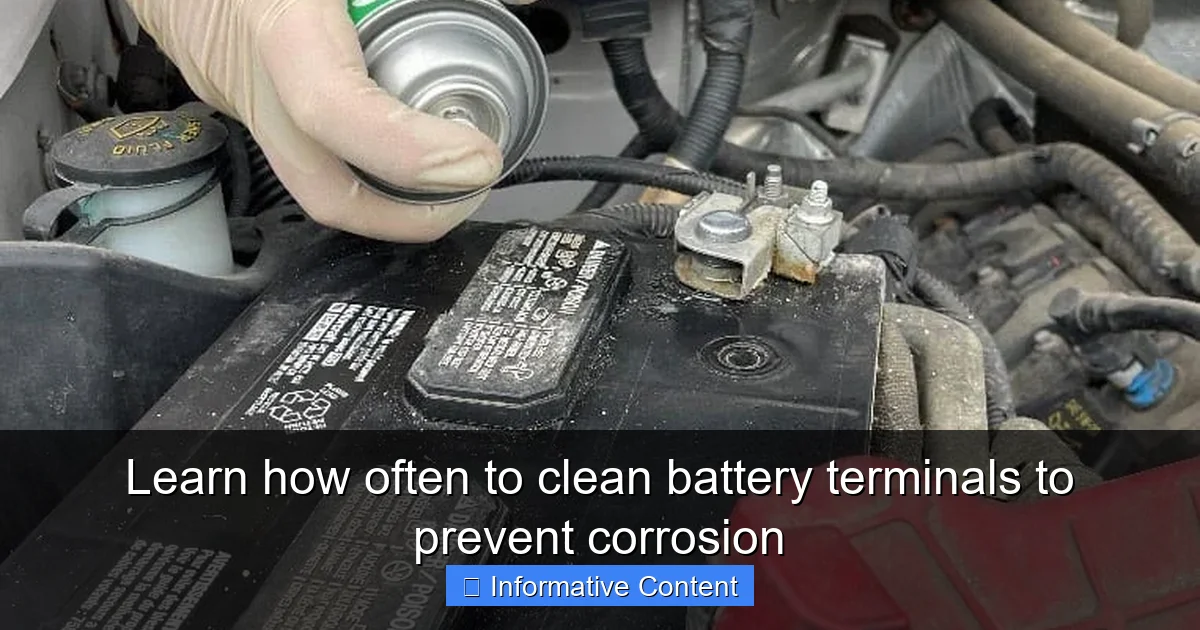
Featured image for how often to clean battery terminals
Image source: cortecvci.com
Regularly inspect your battery terminals and aim to clean them at least once a year, or immediately at the first sign of corrosion. Environmental factors and driving conditions often dictate how quickly build-up occurs, affecting electrical performance and battery longevity. Proactive cleaning is crucial for reliable vehicle starts and extending your battery’s lifespan.
Ever had that gut-wrenching moment when you turn the key, and… nothing? Just a click or an eerie silence? It’s a feeling most of us dread, and often, the culprit is our trusty car battery. While a dead battery can stem from various issues, one of the most common and easily preventable problems is corrosion on the battery terminals.
Corrosion acts like a sneaky thief, slowly robbing your battery of its power and connection. It builds up on the terminals, creating resistance that hinders the flow of electricity, making it harder for your car to start, and even affecting the charging system. The good news? Regular maintenance, specifically cleaning your battery terminals, can keep this silent killer at bay. But this raises a crucial question that many car owners ponder: how often to clean battery terminals to really make a difference?
You see, there isn’t a one-size-fits-all answer, but understanding the factors involved and establishing a routine can save you a lot of headaches (and jump-starts!). Think of it as a small, but mighty, act of kindness for your vehicle. Let’s dive into the nitty-gritty of why this simple task is so important and learn how often to clean battery terminals to keep your ride running smoothly.
Key Takeaways
- Inspect Regularly: Check battery terminals every 3-6 months for corrosion.
- Clean Proactively: Aim for a thorough cleaning annually for best prevention.
- Act Immediately: Clean any visible corrosion *at once* to prevent damage.
- Use Proper Tools: Always use a wire brush and baking soda paste solution.
- Protect After Cleaning: Apply dielectric grease or anti-corrosion spray.
- Ensure Secure Connections: Tighten terminals properly for optimal conductivity.
📑 Table of Contents
Why Cleaning Battery Terminals Matters More Than You Think
Before we discuss how often to clean battery terminals, let’s understand why this task is so critical. That fuzzy, white, green, or sometimes blueish-green substance you see on your battery terminals isn’t just unsightly; it’s a serious problem. This buildup is typically lead sulfate, a byproduct of the chemical reactions happening inside your lead-acid battery. It’s perfectly normal for some corrosion to occur over time, but excessive buildup can lead to a cascade of issues.
The Hidden Dangers of Corrosion
- Poor Electrical Connection: This is the most immediate problem. Corrosion is an insulator. It prevents a good, clean flow of electricity from the battery to your car’s electrical system. This leads to dim headlights, slow cranking, and eventually, a car that won’t start at all.
- Reduced Battery Lifespan: When your car’s alternator struggles to charge through corroded terminals, the battery often ends up undercharged. Consistent undercharging significantly shortens your battery’s overall life.
- Charging System Strain: Your alternator has to work harder to push current through the resistance created by corrosion. This can put undue stress on the alternator, potentially leading to premature failure of this expensive component.
- Safety Hazards: In extreme cases, severe corrosion can lead to overheating at the terminals, which could potentially cause damage to the battery itself or even acid leaks.
In essence, cleaning your terminals isn’t just about aesthetics; it’s about ensuring reliable performance, extending the life of your battery and other components, and maintaining safety. It’s a key part of good battery maintenance.
Factors Influencing How Often to Clean Battery Terminals
The question of how often to clean battery terminals is best answered by considering several factors unique to your vehicle and environment. It’s not a fixed schedule but rather an adaptable guideline based on these influences.
Climate and Environmental Conditions
Live in an area with extreme temperatures? Both very hot and very cold climates can accelerate the corrosion process. High humidity can also contribute. If you’re constantly driving in dusty or salty environments (like near the ocean), you might find corrosion appearing more quickly. These harsh conditions often necessitate more frequent checks and cleaning.
Battery Age and Type
Older batteries are generally more prone to corrosion than newer ones. As batteries age, their seals can deteriorate slightly, allowing more acid vapors to escape. Also, traditional flooded lead-acid batteries tend to corrode more readily than sealed maintenance-free batteries or AGM (Absorbed Glass Mat) batteries, which are designed to minimize gas release. If you have an older, conventional battery, you’ll need to think about how often to clean battery terminals more frequently.
Vehicle Usage and Driving Habits
Do you drive your car every day, or does it sit for long periods? Vehicles that are driven infrequently might experience less charging cycles, which can sometimes contribute to corrosion if the battery isn’t properly maintained with a tender. Conversely, consistent short trips might not allow the battery to fully charge, also leading to issues over time. Regular use and proper charging generally keep things healthier.
Past Maintenance History
If your battery terminals were neglected in the past, or not properly cleaned and protected during previous maintenance, you might find yourself needing to clean them more often initially. Once you get them in good shape and apply protective measures, you might be able to stretch the cleaning intervals.
Recommended Cleaning Frequencies: A Practical Guide
So, considering all those factors, what’s a good baseline for how often to clean battery terminals? Here’s a practical guide to help you decide:
General Rule of Thumb
For most drivers in moderate climates with a relatively new or well-maintained battery, a good starting point is to inspect your battery terminals every 3-6 months. You don’t necessarily need to clean them every time, but a visual check will tell you if cleaning is needed. If you spot even a little bit of fuzz, it’s time to act.
When to Clean More Frequently
- Harsh Conditions: If you live in very hot, cold, or humid environments, consider checking and cleaning every 1-3 months.
- Older Batteries: For batteries over 3 years old, more frequent checks (every 1-3 months) are a good idea.
- Visible Corrosion: The golden rule: if you see any corrosion, clean it immediately, regardless of your schedule. Don’t wait!
Less Frequent Cleaning Might Be Okay If…
- You have a newer, sealed, or AGM battery.
- Your vehicle is always parked in a garage and used regularly in a mild climate.
- You consistently use terminal protectors and dielectric grease after each cleaning.
Summary of Recommended Frequencies
Here’s a quick overview of how often to consider cleaning based on common scenarios:
| Factor | Recommended Cleaning Frequency | Notes |
|---|---|---|
| General Recommendation | Every 3-6 months (inspect frequently) | For average driving conditions and vehicle use. |
| Harsh Climates (Hot/Cold) | Every 1-3 months | Extreme temperatures accelerate corrosion. |
| High Humidity/Dusty Areas | Every 1-3 months | Environmental factors increase risk. |
| Seldom-Used Vehicles | Annually, or Before Use | Inspect thoroughly before starting after long periods. |
| Newer Batteries (Sealed/AGM) | Annually, or As Needed | Modern batteries are more resistant, but still inspect. |
| Visible Corrosion | Immediately | Always clean as soon as corrosion is spotted, regardless of schedule. |
Your Step-by-Step Guide to Cleaning Battery Terminals Safely
Knowing how often to clean battery terminals is only half the battle; knowing how to do it safely and effectively is just as important. Don’t worry, it’s a straightforward process even for beginners.
Tools You’ll Need:
- Safety glasses and gloves (non-negotiable for protection!)
- Battery terminal brush (wire brush designed for terminals)
- Baking soda
- Water
- Clean rags or paper towels
- Terminal puller/wrench (for loosening clamps)
- Dielectric grease or anti-corrosion spray (for prevention)
The Cleaning Process:
- Safety First: Make sure your car is off. Always wear your safety glasses and gloves. Batteries contain sulfuric acid, which can cause serious burns.
- Disconnect the Battery: Using your wrench, loosen the nut on the negative (-) terminal first, then gently twist and pull the cable off. Repeat for the positive (+) terminal. This order prevents accidental short circuits.
- Prepare Cleaning Solution: Mix a tablespoon or two of baking soda with a small amount of water to create a paste.
- Apply and Scrub: Apply the baking soda paste generously to the corroded terminals and cable clamps. The baking soda will react with the acid (you might see some fizzing!). Use your battery terminal brush to scrub away all the corrosion until the metal is clean and shiny.
- Rinse and Dry: Use a spray bottle with clean water to rinse off the baking soda and loosened corrosion. Be careful not to let too much water get into the battery cells. Thoroughly dry the terminals and clamps with a clean rag. Any moisture left behind can promote new corrosion.
- Apply Protection: Once everything is completely dry, apply a thin layer of dielectric grease or a specialized anti-corrosion spray to both the terminals and the inside of the cable clamps. This creates a barrier against moisture and air, significantly slowing down future corrosion.
- Reconnect the Battery: Reconnect the positive (+) cable first, then the negative (-) cable last. Tighten the nuts securely, but don’t overtighten, as this can damage the terminals. Give them a gentle tug to ensure they’re snug.
Beyond Cleaning: Preventing Future Corrosion
Now that you know how often to clean battery terminals and how to do it, let’s talk about proactive steps to keep that pesky corrosion away for longer periods.
Use Terminal Protectors
After cleaning, consider using felt washers treated with anti-corrosion chemicals. These fit snugly around the battery posts before you reattach the cables and provide an extra layer of defense against corrosive fumes. They’re inexpensive and very effective.
Don’t Skimp on Dielectric Grease
We mentioned it in the cleaning process, but it’s worth reiterating. Dielectric grease (or battery terminal protector spray) is your best friend in the fight against corrosion. It creates a protective barrier that seals out moisture and oxygen, preventing the chemical reaction that causes corrosion. Apply a generous, but not excessive, amount after every cleaning.
Ensure Proper Battery Installation
Make sure your battery is always securely mounted in its tray and that the cables are tightly connected to the terminals. Loose connections can lead to arcing and localized heat, which can accelerate corrosion. A stable battery also prevents physical damage during driving.
Regular Visual Inspections
Even if your schedule for how often to clean battery terminals is every six months, make it a habit to pop your hood and visually inspect your battery every month or two. A quick glance can catch early signs of corrosion before it becomes a major problem. Early detection means less work for you!
Conclusion
Understanding how often to clean battery terminals is a simple yet incredibly valuable piece of car maintenance knowledge. It’s not just about aesthetics; it’s about reliability, extending the life of your battery, and ensuring your car starts every time you turn the key. While factors like climate, battery age, and usage dictate the precise frequency, a general inspection every 3-6 months, coupled with immediate action upon seeing any corrosion, is a solid strategy.
By taking a few minutes to regularly inspect and clean your battery terminals, you’re not just preventing a potential roadside headache; you’re actively safeguarding your vehicle’s electrical system and ensuring a smoother, more dependable driving experience. It’s a small task with a big payoff, and now you’re equipped with all the knowledge to tackle it like a pro!
Frequently Asked Questions
How often should I clean battery terminals to prevent corrosion?
Generally, it’s recommended to clean your battery terminals at least once a year as part of your routine vehicle maintenance. However, you should inspect them more frequently, especially if you notice any signs of corrosion appearing between scheduled cleanings.
What are the signs that indicate I need to clean my battery terminals?
The most common sign is the presence of a white, green, or blue powdery substance on or around the terminals, which is corrosion. Other indicators include difficulty starting your car, dim headlights, or other electrical components not working correctly, as corrosion impedes electrical flow.
Does climate or driving habits affect how often I need to clean battery terminals?
Yes, both can influence the frequency. Vehicles in hot, humid climates or those that make frequent short trips tend to develop corrosion faster. In such conditions, you might need to clean your battery terminals every six months or even more often to maintain optimal performance.
What happens if I don’t clean battery terminals regularly?
Neglecting to clean battery terminals can lead to several problems. Corrosion creates electrical resistance, making it harder for the battery to deliver power, which can cause starting issues and strain on your charging system. Over time, it can also shorten the lifespan of your battery and other electrical components.
Is there a specific time of year when it’s best to clean battery terminals?
While there’s no single “best” time, many people choose to clean their battery terminals during seasonal maintenance checks, such as before winter or summer. These periods often involve more extreme temperatures, which can exacerbate corrosion, making proactive cleaning beneficial.
How often should I inspect my battery terminals if I use my car infrequently?
Even if you drive your car infrequently, it’s wise to inspect your battery terminals every few months. Lack of use can sometimes lead to an increased risk of corrosion or discharge, so regular checks are crucial for ensuring your vehicle is ready to start when you need it.