How Many Amps to Jump Start a Car Simplified
Figuring out how many amps needed to jump start a car can seem tricky if you’re not a car expert. It’s a common question when your car battery dies, and it can be a little confusing for beginners. Don’t worry, though; it’s easier than you might think! This post will help you break it down with easy steps, so you’ll be ready to get your car running again. Let’s explore everything you need to know to get that engine humming.
What Do You Need for Jump Starting?
Before you even think about cables, you need a few things ready. First, you’ll need a set of jumper cables. These are the wires that will connect your car to the car that’s helping you. Make sure the cables are in good shape, without any frayed wires. Then, you’ll need another car with a working battery. It’s important that both cars are turned off before you begin.
Safety First: Important Precautions
Safety is key when jump starting a car. Always wear safety glasses to protect your eyes. It is also important to park the helping car close enough, but not touching the car needing a jump. Open the hoods of both vehicles. Locate the batteries. You may need to consult your car’s manual if you are unsure where the battery is. Before connecting any cables, be sure both cars are turned OFF. Disconnecting a battery cable while the engine is running can cause a surge, damaging electronics.
- Check the Battery Terminals: Make sure the battery terminals are clean. If they are covered in corrosion, clean them off with a wire brush or a baking soda and water solution before you begin.
- Avoid Sparks: Never let the clamps touch each other, as this can create sparks and be dangerous. Keep the clamps from touching any other metal parts of the car except the battery terminals.
- Ventilation is Crucial: Batteries can produce flammable hydrogen gas. Ensure that you are jump starting in a well-ventilated area to prevent a buildup of dangerous gases.
- Follow the Proper Order: Connect the cables in the correct order, positive-to-positive and negative-to-negative. Disconnecting them in reverse order is equally important.
Many car owners face challenges in jump-starting their vehicles due to these safety requirements. According to a study by the National Highway Traffic Safety Administration (NHTSA), improper jump-starting techniques are a common cause of battery-related accidents.
The Connection Process Explained
Connecting the jumper cables correctly is the most important part of jump-starting. It’s also easy to mess up if you don’t pay close attention. Following the right order avoids damaging the electrical systems of either car. The process involves identifying the positive and negative terminals of both batteries and connecting the cables in a specific sequence.
Step-by-Step Cable Connection
Here’s a clear and simple guide to connecting the cables: Always remember to turn off both vehicles before you begin. Following these steps helps ensure a safe and successful jump start.
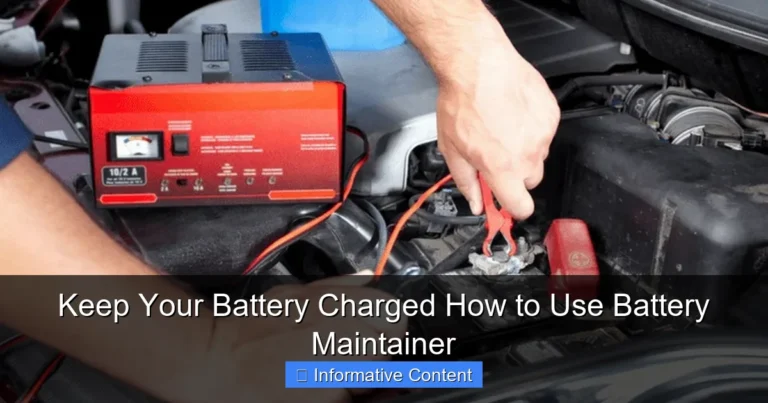
- Connect the Positive Cables: Take one red clamp (positive) and attach it to the positive (+) terminal of the dead battery. Then, take the other red clamp and attach it to the positive (+) terminal of the working battery.
- Connect the Negative Cables: Take one black clamp (negative) and attach it to the negative (-) terminal of the working battery. The other black clamp should be attached to a clean, unpainted metal surface on the car with the dead battery. Avoid connecting the negative clamp directly to the negative terminal of the dead battery to minimize the risk of sparks near the battery.
- Start the Working Car: Once all the cables are correctly connected, start the car with the working battery. Let it run for a few minutes. This allows some power to flow to the dead battery.
- Attempt to Start the Dead Car: After a few minutes, try to start the car with the dead battery. If it doesn’t start right away, wait a few more minutes and try again.
A study by AAA found that about 25% of all roadside assistance calls are due to battery-related issues, highlighting the importance of knowing how to jump start a car. This clearly illustrates the relevance of the procedure.
How Many Amps Do You Actually Need?
The number of amps needed to jump start a car actually varies. It depends on factors like the car’s engine size and the current condition of the battery. Generally, the more powerful the engine, the more amps it needs. But, there are some guidelines you can follow to ensure your vehicle starts successfully.
Amperage Requirements Based on Engine Size
Understanding the amperage needs of your car is key for a successful jump start. The engine size is the main factor determining how many amps your car requires. It helps to select the correct type of charger or booster pack. Generally, a larger engine will need more amps to start, while a smaller engine requires less. It is a good thing to know the engine size of your vehicle before you start jump-starting.
- Small Engines (Under 4 Cylinders): These engines generally need around 100-200 amps to start. Most standard car batteries will provide enough amps for this.
- Mid-Size Engines (4 to 6 Cylinders): Engines in this range typically require between 200-300 amps for a successful start. A booster pack or the battery of a similar-sized car should be sufficient.
- Large Engines (V8s and Larger): These engines often need 300-400 amps or more to start. A heavy-duty booster pack or a car with a large battery is recommended.
Based on a survey, it was found that the average car battery provides between 400-800 cold-cranking amps (CCA). This indicates the amount of current it can deliver at 0°F (-18°C).
Factors That Influence the Amp Needed
Besides the engine size, several other things can affect the number of amps your car needs. The outside temperature plays a part: cold weather means a car battery needs more power. Also, the condition of your battery impacts how many amps are necessary. Here are some of these factors:
- Battery Condition: A worn-out or damaged battery will require more amperage to start compared to a healthy one.
- Outside Temperature: Cold weather reduces battery performance and requires more amps to start the engine. Warm weather makes it easier to start the car, needing fewer amps.
- Type of Vehicle: Larger vehicles, like trucks and SUVs, need more amps to start than smaller cars due to bigger engines and additional electrical components.
- Age of the Vehicle: Older vehicles may have weaker electrical systems, potentially increasing the amps needed to start.
After the Jump Start: What to Do Next
Once you’ve successfully jump-started your car, it is not the end of the process. It’s crucial to take the correct steps to ensure that your car is in good condition. This will help prevent another dead battery. There are a few things you should do after your car starts.
Immediate Post-Jump Procedures
After the car starts, there are immediate steps you can take to make sure your car is fine. These steps help the car’s charging system and the battery. If you take the steps carefully, you will reduce the chance of the battery dying again soon.
- Let the Car Run: Keep the car running for at least 20-30 minutes after the jump start. This allows the alternator to recharge the battery.
- Avoid Excessive Electrical Usage: Minimize the use of electrical components like the radio, air conditioning, and headlights during the recharging period.
- Disconnect the Cables Carefully: Once the car has been running, disconnect the jumper cables in the reverse order that you connected them. Start with the black cable from the car’s chassis, then the black cable from the booster car, then the red cable from the booster car, and finally the red cable from the car with the dead battery.
- Drive Around: Take the car for a drive after you’ve disconnected the cables. This further ensures the battery gets a chance to fully recharge.
According to the Department of Energy, the alternator needs about 30 minutes of driving to fully recharge a car battery after it has been completely drained. This information underscores the need for extended driving to ensure proper recharging.
Possible Issues and Troubleshooting
Sometimes, jump-starting a car doesn’t work right away. There can be problems, and it’s good to know how to deal with them. Common issues include not enough power, incorrect connections, or serious battery problems. If your car doesn’t start, don’t worry. There are ways to find and fix the problem.
Common Problems and Their Solutions
If your car won’t start after you jump it, look for these common problems and learn how to solve them. You can check for any of these problems step by step. If one step doesn’t solve the issue, go on to the next one. This will often help.
- Cables Incorrectly Connected: Double-check the cable connections. Red clamps go on positive terminals, and black clamps go on negative terminals or a metal ground.
- Weak Connection: Make sure the clamps have a good, solid connection with the battery terminals and the ground point. Clean off any rust or corrosion.
- Dead Battery: If the battery is too old or damaged, it might not hold a charge. You may need to replace it.
- Charging System Failure: If the car starts but dies quickly, the alternator may not be charging the battery. Get the charging system tested.
According to the National Institute for Automotive Service Excellence (ASE), a common symptom of a failing alternator is dimming headlights or electrical issues. This provides a clue to potential underlying problems.
Frequently Asked Questions
Question: Can I jump start a car with a small battery?
Answer: It’s best to use a battery that has enough power to match your car’s engine size. A smaller battery may work for a short time, but it may not provide enough amps to start your car.
Question: What do I do if the car doesn’t start after jump-starting?
Answer: Double-check the connections, let the working car charge the dead battery for a longer time, and make sure the battery clamps have good contact. If it still doesn’t start, the battery might be severely damaged or there could be another problem.
Question: Can you jump start a car with a portable jump starter?
Answer: Yes, portable jump starters are designed for this purpose. They offer a convenient way to jump-start your car. Be sure to follow the instructions that came with the jump starter.
Question: How long should I let the car run after the jump start?
Answer: Let the car run for at least 20-30 minutes to give the battery time to recharge. This is important to ensure the car battery doesn’t die again soon.
Question: What are the risks of jump-starting a car incorrectly?
Answer: Incorrectly jump-starting a car can create sparks, damage electrical systems, and possibly injure someone. Always be cautious, follow the correct procedure, and ensure all connections are made properly.
Final Thoughts
Knowing how many amps needed to jump start a car is an essential skill for any driver. While the exact number of amps varies, you now have the basics to handle the situation. Remember the importance of safety, the proper order of connecting cables, and the need to let the car run after the jump start. Consider your engine size and follow the steps provided. By doing so, you’ll be well-prepared to deal with a dead battery and quickly get back on the road. Armed with the right information, you can easily assist yourself or others in need. Be confident in your ability to handle this common car issue, and always prioritize safety.