How Long Do Jump Starters Last: Battery Life Explained
Figuring out how long do jump starters last can feel tricky when you’re just starting. It’s common to wonder if they’ll be ready when you truly need them. The good news is, it’s not as complex as it seems. We’ll explore the main factors affecting the lifespan of these helpful devices. Get ready for a simple, step-by-step guide that breaks down everything you need to know about keeping your jump starter in top shape. Next, we’ll cover the factors that affect jump starter longevity and how to maximize them.
Understanding Jump Starters: The Basics
Jump starters are portable devices used to start a car when its battery is dead. They work by providing a surge of power to the vehicle’s electrical system, essentially giving the battery a “jump.” These devices are a lifesaver when your car won’t start, providing a convenient alternative to asking for help or waiting for roadside assistance. They are typically compact and easy to store, making them a practical item for any car owner. Jump starters come in various types, including those using lithium-ion batteries and lead-acid batteries, each with its own set of characteristics that affect how long they last.
Types of Jump Starters and Their Battery Technologies
The type of battery a jump starter uses significantly affects its lifespan and overall performance. The most common types are lithium-ion and lead-acid. Lithium-ion jump starters are popular for their compact size, lightweight design, and higher power output. They also tend to have a longer lifespan, holding a charge for longer periods and undergoing more charge cycles before degrading. Lead-acid jump starters, on the other hand, are often more affordable. However, they are bulkier and have a shorter lifespan. They also lose their charge faster when not in use. Exploring each type’s pros and cons will allow you to make a more informed choice. Knowing the differences ensures you select the jump starter that best suits your needs.
- Lithium-ion Jump Starters: These are known for their efficiency and power. They can hold a charge for several months with minimal loss and can provide many jump starts on a single charge.
- Lead-Acid Jump Starters: These jump starters are often more economical but can be heavier and have a shorter lifespan. They tend to lose their charge more quickly, requiring more frequent charging.
- Capacitor Jump Starters: Capacitor jump starters are different. They use capacitors to store energy. They can charge very quickly, sometimes from a dead battery, and deliver high power bursts.
Lithium-ion batteries are favored for their energy density, allowing them to store a significant amount of power in a small space. This makes them ideal for portable jump starters. They are also known for their long lifespan, capable of hundreds of charge cycles before their performance starts to degrade. A charge cycle means the battery went from fully charged to fully discharged and recharged again. They are often equipped with advanced safety features, protecting against overcharging, over-discharging, and short circuits, which increases their durability and longevity.
Lead-acid batteries are older technology, commonly used in car batteries and jump starters. While less expensive, they are bulkier and have a lower energy density than lithium-ion batteries. This means they are heavier for the same power output. Lead-acid batteries are more susceptible to self-discharge, losing their charge over time even when not in use. They have a shorter lifespan in terms of charge cycles, and they are more sensitive to temperature extremes. Keeping them charged and storing them at moderate temperatures is essential for maintaining their functionality. Maintenance, such as checking and refilling distilled water in flooded lead-acid models, can be needed.
Capacitor-based jump starters offer unique benefits. They can charge very quickly, often within minutes, using either the vehicle’s battery or an external power source. This rapid charging capability is a significant advantage in emergencies. They do not have a battery, making them less prone to degradation from temperature and age. Their lifespan is typically longer than both lithium-ion and lead-acid options. However, they may not be able to jump-start a car with a severely depleted battery, and they might require some residual charge in the car’s battery to operate. Also, they are generally more expensive.
Factors Impacting Jump Starter Performance and Lifespan
Several factors affect how well a jump starter performs and how long it lasts. These elements are important for making the most of your device. Proper use, storage, and maintenance are key to extending the jump starter’s usability. Keeping these aspects in mind helps ensure your jump starter is ready when you need it.
- Battery Type: As previously discussed, the type of battery (lithium-ion, lead-acid, or capacitor) greatly influences the device’s lifespan and performance. Lithium-ion batteries generally have a longer lifespan than lead-acid ones.
- Usage Frequency: How often you use your jump starter affects its lifespan. Frequent use will shorten the life, regardless of battery type.
- Storage Conditions: Storing your jump starter properly helps maintain its efficiency. High or low temperatures can damage the battery.
- Maintenance Practices: Proper maintenance, including regular charging and checking of the battery, extends the jump starter’s life.
The battery type is the most impactful factor in determining a jump starter’s longevity. Lithium-ion batteries offer a significant advantage due to their superior performance, longer life cycles, and ability to hold a charge for extended periods. Lead-acid batteries, while less costly, suffer from a shorter lifespan, higher self-discharge rates, and can degrade more quickly under adverse conditions. Capacitor-based jump starters stand out for their quick charging capabilities and longer operational life. Selecting the appropriate battery type means understanding your specific needs and usage patterns.
The number of jump starts the device performs significantly impacts its lifespan. Each time a jump starter is used, it undergoes a discharge and recharge cycle. Over time, these cycles can reduce the battery’s capacity and overall performance. Jump starters that are used frequently, for example, by individuals living in areas with harsh winters, will naturally experience a shorter lifespan than those used only occasionally. Regular maintenance, such as proper charging and storage practices, can help to mitigate the effects of frequent usage.
Extreme temperatures significantly affect a jump starter’s performance and lifespan. High temperatures can accelerate battery degradation, causing the battery to lose its ability to hold a charge. Low temperatures can reduce the battery’s capacity and overall performance, making it difficult for the jump starter to deliver the necessary power. The ideal storage temperature for most jump starters is between 32°F and 77°F (0°C and 25°C). Protecting your device from extreme conditions ensures it is ready to perform when needed.
Regular upkeep is essential to keeping a jump starter in good shape. This includes charging the device regularly, even if it is not used, to prevent deep discharges, which can damage the battery. Keeping the terminals clean and free from corrosion ensures proper electrical contact. Following the manufacturer’s guidelines for charging and storage is also very important. Taking care of your jump starter means you can extend its life and dependability.
Maximizing the Lifespan: How Long Do Jump Starters Last?
Extending the life of your jump starter depends on the correct use, storage, and upkeep. By following some easy steps, you can help make sure it’s ready when you need it. These practices will also keep your device performing at its best.
Proper Charging and Maintenance Regimen
Regularly charging and maintaining your jump starter is key to preserving its functionality. This helps the battery and prevents performance issues. Proper charging habits are essential to ensure the device is always ready for use.
- Charging Frequency: Charge your jump starter regularly, even when not in use. Lithium-ion jump starters can be charged less often than lead-acid ones.
- Charging Procedure: Follow the manufacturer’s instructions for charging. Overcharging or using the wrong charger can damage the battery.
- Terminal Maintenance: Check and clean the jump starter’s terminals regularly. Corrosion on the terminals can affect performance.
Charging frequency varies depending on the battery type. Lithium-ion jump starters can hold a charge for extended periods. It is still a good idea to charge them every 3-6 months. Lead-acid jump starters lose their charge more quickly and need charging every 1-3 months. Following the manufacturer’s instructions for charging frequency helps maintain the battery’s health and readiness.
Charging your jump starter correctly is very important. Always use the charger supplied by the manufacturer, or one specifically recommended for the device. Avoid overcharging the device by disconnecting it once fully charged. Make sure you are charging in a well-ventilated area, and follow the safety guidelines provided in the user manual. Incorrect charging practices can cause premature battery degradation and reduce the device’s lifespan. By following the recommended procedures, you can ensure that your jump starter maintains its ability to deliver the power needed in an emergency.
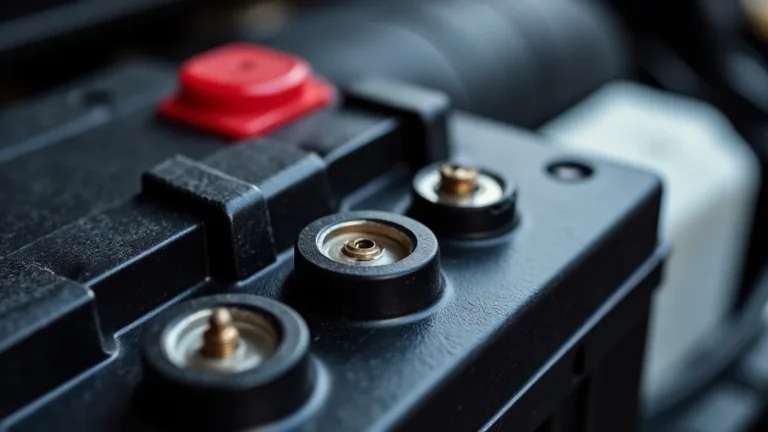
Corrosion on the jump starter’s terminals can reduce its effectiveness. Regularly inspect the terminals for any signs of corrosion, such as a white or greenish buildup. If you see corrosion, carefully clean the terminals with a wire brush or a mixture of baking soda and water. Make sure to disconnect the jump starter from any power source before cleaning. Clean terminals ensure a good electrical connection, allowing the jump starter to deliver its maximum power output. Keeping the terminals clean is a simple but critical maintenance task.
Optimal Storage Practices
Storing your jump starter correctly is also important for its life. It ensures the device remains ready when needed. This includes protecting it from environmental conditions that might harm the battery.
- Temperature Control: Store your jump starter in a moderate, dry place. Extreme temperatures can harm the battery.
- Humidity Control: Avoid storing the jump starter in damp or humid locations. Moisture can cause corrosion and damage electrical components.
- Placement and Safety: Store the jump starter in a place where it will not be damaged. Do not place it where it might get bumped or dropped.
Temperature significantly impacts the battery’s performance and lifespan. Avoid storing the jump starter in locations exposed to extreme heat or cold. The ideal storage temperature is between 32°F and 77°F (0°C and 25°C). Avoid leaving it in a car during hot summer days or freezing winter nights. A garage, basement, or closet that maintains a stable temperature is better. Proper temperature control protects the battery from damage and ensures it’s ready to provide the necessary power when needed.
Moisture can cause damage to the internal components and battery of a jump starter. Water can lead to corrosion of the metal parts and electrical connections. It can also affect the battery’s ability to hold a charge. To prevent damage, keep the jump starter in a dry environment. Places like garages or basements should be inspected for moisture. If the storage location tends to be humid, consider using a dehumidifier or storing the device in a sealed container with desiccant packs to absorb excess moisture.
The physical environment where you store the jump starter is just as important as the temperature and humidity. Place the device in a location where it is protected from physical damage. This may include storing it on a shelf, in a storage compartment, or in a case. Avoid placing it where it can be easily bumped, dropped, or exposed to heavy objects that could damage the casing or internal components. Protect the jump starter from direct sunlight, which can raise its internal temperature. Consider using a protective case to give an extra layer of protection and prolong its usefulness.
Using Jump Starters Effectively
Using a jump starter properly not only ensures its effectiveness but also helps extend its life. This involves following the correct procedures and understanding the device’s limitations. Knowing how to use it safely and efficiently helps you get the best possible results.
- Safety First: Before using a jump starter, read the manufacturer’s safety instructions. Always wear eye protection.
- Connecting the Jump Starter: Connect the jump starter’s clamps to the car battery terminals correctly. Ensure the positive (+) clamp goes to the positive terminal and the negative (-) clamp goes to the negative terminal.
- Jump Starting Procedure: Follow the device’s instructions for jump-starting the car. Do not crank the engine for extended periods. If the car does not start, wait a few minutes before trying again.
Safety is the most important aspect of using a jump starter. Before you begin, read the manufacturer’s safety instructions carefully. This will provide you with important information on the device’s use and safety precautions. Always wear eye protection to protect yourself from any sparks or battery acid. Be sure to use the jump starter in a well-ventilated area to prevent the buildup of flammable gases. Taking these steps protects you and the equipment.
Connecting the jump starter to the car battery correctly is important. Connect the red clamp (positive) to the positive (+) terminal of the car battery. Attach the black clamp (negative) to the negative (-) terminal. Make sure the clamps are making good contact with the terminals. Avoid touching the clamps together while the jump starter is connected to the car battery. This will prevent a short circuit. After connecting the clamps, start the car as per the instructions and disconnect the jump starter immediately after the car has started. Check that the clamps are securely attached to the correct terminals. This avoids potential damage and guarantees a successful jump start.
Follow the jump starter’s guidelines. Don’t crank the engine continuously; a few short attempts are usually best. If the car doesn’t start, wait a few minutes before trying again to allow the jump starter and battery to recover. Also, check to make sure the clamps are securely connected. Avoid jumping a car with a battery that is damaged or frozen, as this may damage the jump starter. Read your jump starter’s manual to find out the best procedures.
Frequently Asked Questions
Question: How long do lithium-ion jump starters last?
Answer: Lithium-ion jump starters can last for several years with proper care, often providing hundreds of charge cycles.
Question: How frequently should I charge my jump starter?
Answer: Charge your jump starter every 1-3 months, or according to the manufacturer’s guidelines, to maintain its charge.
Question: Can I leave the jump starter connected to the car battery for a long time?
Answer: No, it is best to disconnect the jump starter immediately after the car starts to prevent overcharging or damage.
Question: What should I do if my jump starter is not working?
Answer: First, make sure it is charged and connected correctly. If it still does not work, check the clamps, and consult the manufacturer’s instructions or contact customer support.
Question: Can extreme temperatures affect how long do jump starters last?
Answer: Yes, extreme temperatures can significantly affect the lifespan and performance of your jump starter. Store it in a moderate environment.
Final Thoughts
Knowing how long do jump starters last boils down to several key things. The type of battery inside matters, with lithium-ion typically offering a longer life than lead-acid options. Regularly charging your jump starter, regardless of its type, is essential for keeping it ready to go. Proper storage in a moderate environment will protect it from damage and extreme temperatures, ensuring the device remains reliable. By paying attention to these aspects, you can significantly extend your jump starter’s lifespan. By following the tips in this guide, you can be confident your jump starter will be a reliable tool when you need it. Ready for the next adventure? Your jump starter is now ready to assist!