ECU Reset After Battery Disconnect Simple Guide
Taking your car’s battery out can sometimes feel a bit tricky, especially if you’re new to car maintenance. A common consequence of this is the need for an ecu reset after battery disconnect. This process might sound complicated, but it’s really not! Many car systems rely on the Engine Control Unit (ECU) for operation, and disconnecting the battery can sometimes disrupt its normal function. Don’t worry, we’ll break down everything in simple terms, so you can easily handle it. Get ready to discover how to get your car running smoothly again!
What Happens When You Disconnect the Battery?
When you disconnect your car’s battery, you’re essentially cutting off the power supply to all the electronic components. The ECU, the car’s “brain,” stores information about how the engine runs, like fuel mixture, ignition timing, and idle speed. When the battery is disconnected, the ECU loses its short-term memory, like settings it has learned over time to adapt to your driving. This can cause the car to behave differently when the battery is reconnected, such as rough idling, stalling, or the check engine light turning on. This is where an ecu reset comes in to set things right.
The Role of the Engine Control Unit (ECU)
The Engine Control Unit, or ECU, is a computer that monitors and controls many engine functions. It receives input from various sensors, such as the mass airflow sensor, oxygen sensors, and throttle position sensor. Based on this information, the ECU adjusts the fuel injectors, spark plugs, and other components to optimize engine performance. Think of the ECU as the conductor of your car’s engine orchestra, ensuring everything plays in harmony. It constantly learns and adapts to driving conditions and driver behavior. When the battery is disconnected, the ECU’s adaptive memory is lost, requiring a reset to re-establish optimal engine performance.
- Fuel Injection: The ECU controls how much fuel is injected into the engine cylinders, balancing efficiency and power. This can be affected after a battery disconnect, and a reset helps recalibrate these settings.
- Ignition Timing: The ECU determines when the spark plugs ignite the air-fuel mixture, crucial for smooth engine operation. An ecu reset can help ensure the timing is optimized.
- Idle Speed Control: The ECU regulates the engine’s idle speed, preventing stalling when the car is stopped. This setting can also change after a battery disconnect.
- Sensor Calibration: The ECU relies on data from numerous sensors; a reset can recalibrate these sensors to restore accurate readings.
Why an ECU Reset After Battery Disconnect Is Needed
An ecu reset isn’t always necessary after every battery disconnect, but it’s often a good idea. Modern cars are complex machines, and removing power can lead to changes in the ECU’s learned settings. You might notice these changes as soon as you reconnect the battery. For example, the car might idle roughly, stall frequently, or the check engine light might illuminate. An ecu reset will help restore the car to its original factory settings or help it re-learn the optimal settings for your car. In most cases, the car will drive just fine, but an ecu reset helps optimize performance.
- Adaptive Learning: The ECU “learns” from your driving habits and environmental conditions. A battery disconnect wipes this memory, and an ecu reset allows it to relearn.
- Diagnostic Trouble Codes (DTCs): Certain error codes can be stored in the ECU after a battery disconnect, and these can sometimes trigger the check engine light. A reset can clear these codes.
- Sensor Re-Calibration: Some sensors might need to recalibrate after losing power. An ecu reset prompts the car to re-evaluate their performance and set them again for optimal results.
Steps for Performing an ECU Reset
Performing an ecu reset after battery disconnect is usually straightforward and can often be done without specialized tools. The main goal is to clear the ECU’s memory and allow it to relearn the optimal settings for your car. Always consult your car’s manual for specific instructions, as some models may have different procedures. If you’re not comfortable with this process, a mechanic can quickly handle it for you. Following these steps carefully will help ensure your car returns to its original, smooth-running state.
Method 1: The Simple Disconnect and Reconnect
In many cars, simply disconnecting the battery for a set amount of time and then reconnecting it will initiate an ecu reset. This method relies on the fact that the ECU will lose its memory when power is cut off. This is a basic approach and may be enough to resolve minor issues caused by the battery disconnect. It’s often the first step to try because of its simplicity.
- Disconnect the Battery: Locate your car’s battery and disconnect the negative (black) terminal first using a wrench.
- Wait for a While: Leave the negative terminal disconnected for about 15-30 minutes. This allows the ECU to fully discharge and clear its memory. Some people recommend even longer periods for thoroughness.
- Reconnect the Battery: Reconnect the negative terminal to the battery, ensuring it’s securely fastened. Then, start your car.
- Drive and Observe: Drive your car for a short period to allow the ECU to relearn and adjust. The engine may idle a little rough at first, but it should smooth out.
Method 2: Using the “Key Dance” or Ignition Cycle
Some cars require a specific sequence of key turns to initiate an ecu reset. This method often involves cycling the ignition switch to clear any stored codes or reset the ECU. This is more of an attempt to reset the ECU by clearing any error codes. However, it can often work. Like the first method, this process is usually found in the owner’s manual. The “key dance” isn’t a guaranteed ecu reset for all cars.
- Insert the Key: Insert your car key into the ignition.
- Turn to the “On” Position: Turn the key to the “on” position (where the dashboard lights come on) without starting the engine.
- Wait a Few Seconds: Wait for approximately 10-15 seconds.
- Turn to the “Off” Position: Turn the key to the “off” position.
- Repeat the Cycle: Repeat steps 2 and 3 a few times. Some cars may require 3-5 cycles.
- Start the Engine: After completing the cycles, start your car and observe its performance.
Method 3: Using a Scan Tool
For more advanced ecu reset procedures or clearing specific diagnostic trouble codes, a scan tool is beneficial. A scan tool connects to the car’s OBD-II port (usually located under the dashboard) and allows you to read and clear error codes and sometimes reset the ECU. It’s the most thorough method. Professional mechanics frequently use scan tools for vehicle diagnostics and maintenance. The main downside is that it requires a scan tool.
- Connect the Scan Tool: Plug the scan tool into the OBD-II port.
- Turn on the Ignition: Turn the ignition to the “on” position without starting the engine.
- Select ECU Reset Function: Use the scan tool to find the ECU reset or clear codes function. The menu options vary depending on the tool.
- Follow the Instructions: Follow the on-screen instructions to perform the ecu reset.
- Verify the Reset: After the reset, scan for any remaining codes to ensure they are cleared.
Common Problems and Troubleshooting
Even after performing an ecu reset after battery disconnect, you might experience some issues. Don’t worry, these are often minor and can be resolved easily. Being aware of these potential problems allows you to address them quickly and get your car running right. If problems continue, seeking professional help from a mechanic is suggested.
Rough Idling After the Reset
Rough idling is a common issue right after an ecu reset. The ECU hasn’t yet learned the optimal idle settings for the engine. This can be caused by various factors, including the need for the ECU to re-adapt to fuel and air mixture settings. Typically, this resolves itself within a few minutes of driving. However, if the idling remains rough after extended driving, it could indicate another underlying issue.
- Allow the ECU to Relearn: Give the ECU some time to relearn the engine’s parameters by driving the car for at least 15-20 minutes.
- Check for Vacuum Leaks: Vacuum leaks can cause rough idling. Inspect all vacuum hoses for cracks or disconnections.
- Inspect the Throttle Body: A dirty throttle body can also cause rough idling. Clean it with a throttle body cleaner if necessary.
Check Engine Light Remains On
The check engine light might stay on even after an ecu reset. This means that a problem still exists in your car’s system. While the ecu reset clears the ECU’s memory of codes, it does not fix the underlying problem. It can also be caused by an electrical problem. The light typically stays on if the same error is detected. This suggests a potential problem with a sensor or the engine itself. A scan tool can identify any remaining codes, which can help pinpoint the issue.
- Use a Scan Tool: Use a scan tool to read the trouble codes and understand why the check engine light is on.
- Address the Underlying Issue: Fix the root cause of the problem. This may involve replacing a sensor or repairing a mechanical issue.
- Clear the Codes Again: After the repairs, clear the codes again using a scan tool. The light should turn off if the problem is resolved.
Car Stalls After the Reset
Stalling after an ecu reset can occur when the ECU hasn’t yet re-learned the correct fuel and air mixture settings. This is a temporary condition that should be resolved within a short period. Driving the car allows the ECU to recalibrate itself based on the engine’s performance. The car can stall at idle or when accelerating. This can be caused by a faulty sensor. If stalling continues after driving for an extended time, further inspection might be needed.
- Drive the Car: Drive the car for at least 20 minutes at varying speeds to allow the ECU to relearn the correct settings.
- Check the Fuel System: Check the fuel pump, fuel filter, and fuel injectors for any issues that could cause stalling.
- Inspect for Vacuum Leaks: As with rough idling, check the vacuum hoses for leaks, which can also cause stalling.
Beyond the ECU Reset: Additional Considerations
Besides performing an ecu reset after battery disconnect, there are other important factors to consider. Taking these steps can help avoid issues and ensure the overall health of your car. Even something seemingly simple, like battery maintenance, can affect your car’s electronic systems. Maintaining your car correctly will help prevent issues from arising. The key is to take extra care during battery-related maintenance tasks.
Battery Health and Maintenance
The health of your car’s battery is critical. A weak or failing battery can cause numerous problems, including difficulties with the ECU. Regular battery maintenance helps ensure that your car’s electrical systems are working efficiently. A well-maintained battery delivers a stable power supply to the ECU. This helps prevent many issues, including the need for an ecu reset.
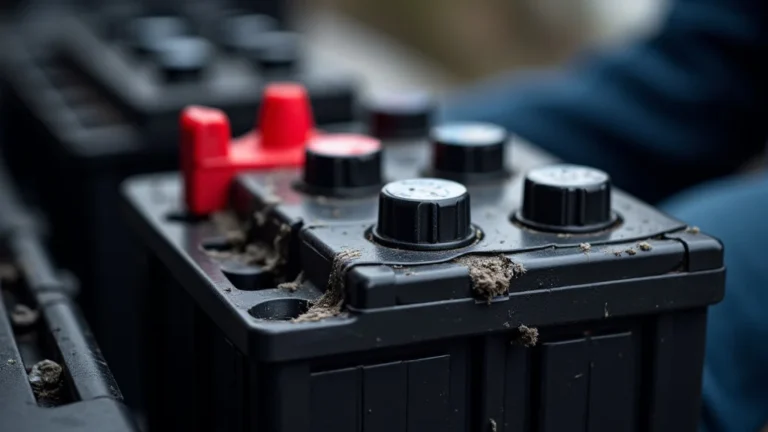
- Check Battery Terminals: Ensure the battery terminals are clean and free from corrosion.
- Test Battery Voltage: Use a multimeter to check the battery voltage periodically. The voltage should be around 12.6 volts when the engine is off.
- Replace the Battery When Necessary: Replace the battery every few years or when it shows signs of failure.
Sensor Calibration
Many sensors in your car might require calibration after an ecu reset. These sensors provide vital information to the ECU. Correct calibration ensures accurate readings and optimal engine performance. Sensor calibration is essential for getting the engine running correctly. If sensors aren’t calibrated correctly, it can cause the car to run inefficiently or develop issues. Different sensors may need to be calibrated; consult your vehicle’s service manual for specific procedures.
- Throttle Position Sensor (TPS): The TPS might need recalibration after an ecu reset.
- Mass Airflow Sensor (MAF): The MAF sensor also might need calibration. Ensure that the sensor is clean and functions properly.
- Oxygen Sensors (O2): These sensors should recalibrate automatically after a drive cycle.
Importance of Using the Correct Battery
Using the correct battery for your car is important. The battery provides power to start the engine and run the car’s electrical systems. Using an incorrect battery might lead to damage or reduced performance. Always use a battery that meets the manufacturer’s specifications. This ensures the car’s electrical system receives the correct power. The correct battery will not only power the engine, but it will also power the electronics.
| Factor | Importance |
|---|---|
| Voltage | Use a battery with the correct voltage rating. |
| Cold Cranking Amps (CCA) | Ensure the battery has sufficient CCA for starting the engine. |
| Size and Fit | Choose a battery that fits your car’s battery compartment. |
Frequently Asked Questions
Question: Is an ecu reset after battery disconnect always required?
Answer: Not always, but it is often recommended to optimize engine performance and clear any stored codes.
Question: How long should I disconnect the battery to reset the ECU?
Answer: Usually, disconnecting the battery for 15-30 minutes is sufficient. Some recommend longer for thoroughness.
Question: Can I damage my car by resetting the ECU?
Answer: No, the ecu reset itself should not damage your car, but make sure to perform it correctly.
Question: What if the check engine light stays on after the reset?
Answer: This means there is still a problem; you will need to diagnose and fix the underlying issue.
Question: Can I use a regular OBD-II scanner to reset the ECU?
Answer: Yes, many OBD-II scanners have the ability to reset the ECU by clearing the trouble codes.
Final Thoughts
Handling an ecu reset after battery disconnect is less mysterious than it might initially seem. It is a manageable task. By knowing why a reset is needed and following the easy steps we explored, you can keep your car running smoothly. Remember, a simple disconnect and reconnect or the “key dance” often work well. If you encounter any problems, such as rough idling or the check engine light staying on, refer back to the troubleshooting tips. Performing an ecu reset is a valuable skill in car maintenance. With practice, you’ll feel confident handling this procedure, allowing you to maintain your car’s performance. Keep learning, and enjoy driving!