Do Car Batteries Need Water? A Simple Guide
Figuring out if do car batteries need water is something many people wonder about, especially if they’re new to car care. It’s often seen as tricky, but don’t worry! This post breaks it down in easy steps. You’ll learn the truth about car batteries and how to keep yours running smoothly. We’ll go through what you need to know, so let’s get started and learn how to help your battery!
What You Need to Know About Car Batteries
Car batteries are like the hearts of our vehicles, providing the power to start the engine and run all the electrical systems. They are usually lead-acid batteries that work by using a chemical reaction. This chemical reaction allows the flow of electrical current, providing the energy needed for your car to function. But over time, the components inside, especially the electrolyte, can change. Maintaining and caring for your battery means knowing its parts and how they work together. This will help you keep your car running well.
Lead-Acid Battery Basics
A lead-acid battery is made up of several key parts, each serving a specific purpose. These include lead plates (positive and negative), an electrolyte solution (usually a mix of sulfuric acid and water), and a casing to hold everything together. The lead plates are the source of the electrical charge. The electrolyte solution allows the chemical reactions that produce electricity. The casing protects the internal components and makes the battery easy to handle. Every part of a lead-acid battery is important for the car to start.
- Lead Plates: The lead plates are submerged in the electrolyte solution. These plates are made of lead or a lead alloy. The plates store the chemical energy that is converted into electrical energy when needed.
- Electrolyte Solution: This solution is made of sulfuric acid and water. It facilitates the chemical reactions that happen within the battery. The strength of the electrolyte and its ability to conduct electricity are essential for battery performance.
- Battery Case: This is a strong plastic container that houses all the internal components. It protects the plates and electrolyte. The case helps protect the battery from physical damage and leakage.
How Lead-Acid Batteries Work
The process inside a lead-acid battery is a cycle of chemical reactions. During discharge, the sulfuric acid in the electrolyte reacts with the lead plates, producing lead sulfate and releasing electrons, which create an electric current. When the battery is charged, the process is reversed. Lead sulfate is converted back into lead plates and sulfuric acid. This cycle of discharge and recharge allows the battery to repeatedly provide power.
For example, when you start your car, the battery discharges, powering the starter motor. The car’s alternator then recharges the battery as the engine runs. This process continues every time you use your car, illustrating the continuous cycle of energy storage and release. Problems with charging can make the battery life shorter.
Types of Car Batteries
There are different types of car batteries, each designed for specific uses and needs. These are designed differently to match the demands of different cars and how they’re used. They include flooded lead-acid, AGM (Absorbent Glass Mat), and gel batteries. Knowing the differences can help you choose the right battery for your car.
- Flooded Lead-Acid Batteries: These are the most common type and are generally the most affordable. They have removable caps, so you can check and add water if needed.
- AGM Batteries: AGM batteries have the electrolyte absorbed into a fiberglass mat. These batteries are spill-proof and can handle many conditions and are usually more expensive.
- Gel Batteries: These batteries use a gelled electrolyte, making them spill-proof. They also can handle many conditions. These are less common in cars, but are found in specialty applications.
Does Your Battery Need Water?
One of the most common questions is, do car batteries need water. The answer depends on the type of battery your car has. Flooded lead-acid batteries, the most common type, usually require water. AGM and gel batteries are sealed, and they do not require water. Knowing what type you have is important to keeping it running correctly. The next section goes through how to check and add water if it is needed.
Identifying Your Battery Type
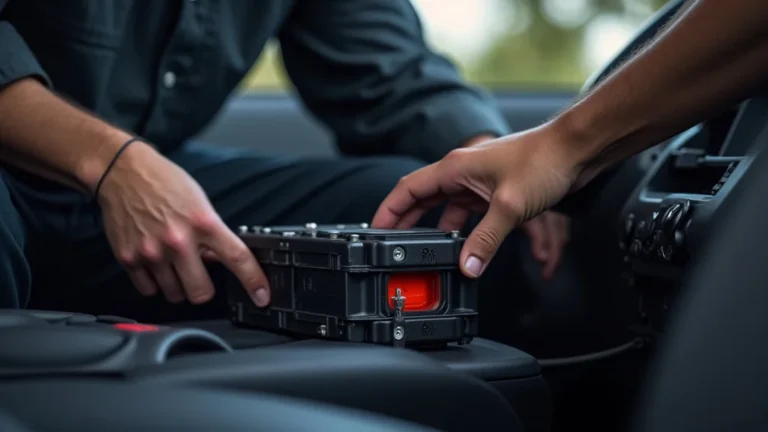
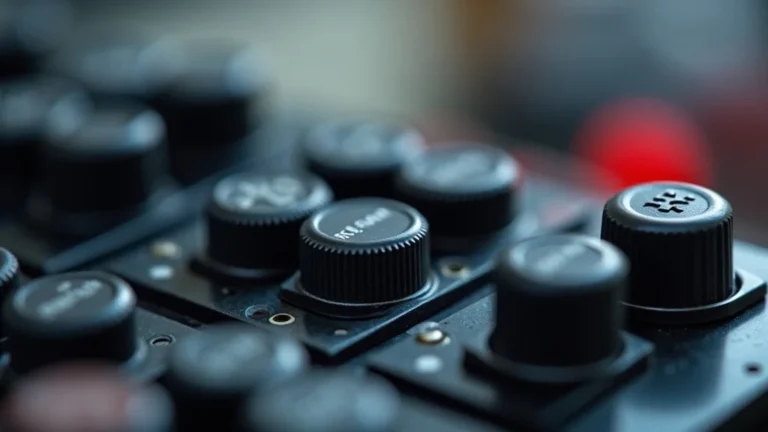
Before you do anything, it’s important to know the type of battery in your car. Look at the top of the battery. If it has removable caps, it’s a flooded lead-acid battery. These are the ones that require water. If it has no caps or says “sealed” on it, it’s either an AGM or gel battery. It’s important to find out if it is a lead acid battery that needs water.
The label on your battery can also offer information about its type. Some batteries will clearly state whether they are maintenance-free or require water. It may also show if it is an AGM battery. If you’re still unsure, check your car’s owner’s manual or ask a mechanic. Being sure of your battery type prevents damage.
Checking the Water Level (For Flooded Batteries)
If your car has a flooded lead-acid battery, you will need to check the water level. Remove the caps on the top of the battery. Look inside. You should see lead plates submerged in the electrolyte. The water level should be high enough to cover the plates. It should not be overfilled, as this can lead to acid spills when charging or in high temperatures. If the water level is low, it’s time to add water.
If you have any questions, consult your car manual. This is the best way to determine the correct level for your specific battery. Also, wear safety glasses and gloves when checking your battery. This will keep you safe from spills of acid. These types of batteries need checking about once a month, to keep them working correctly.
Adding Water (For Flooded Batteries)
Only add distilled water to your flooded lead-acid battery. Never use tap water. Tap water contains minerals that can harm the battery. Use a funnel or a watering can that is designed for battery use. Slowly pour water into each cell. Fill the battery to the level recommended by the manufacturer. Overfilling can cause acid to spill. This can damage the car and create dangerous conditions. After filling, replace the caps securely.
After adding water, it’s often a good idea to charge the battery. This helps mix the water with the electrolyte and ensures the battery is at its best. If you don’t have a charger, driving the car for a while can often do the trick. You should always wear safety gear when working on your battery to prevent injury. Be careful when working on the battery to avoid any issues.
Battery Maintenance for Long Life
Keeping your battery in good shape is about more than just adding water; it involves a routine. Regular checks and correct practices extend your battery’s life and ensure it performs well. These simple steps can make a big difference in the reliability and longevity of your car battery.
Keeping Terminals Clean
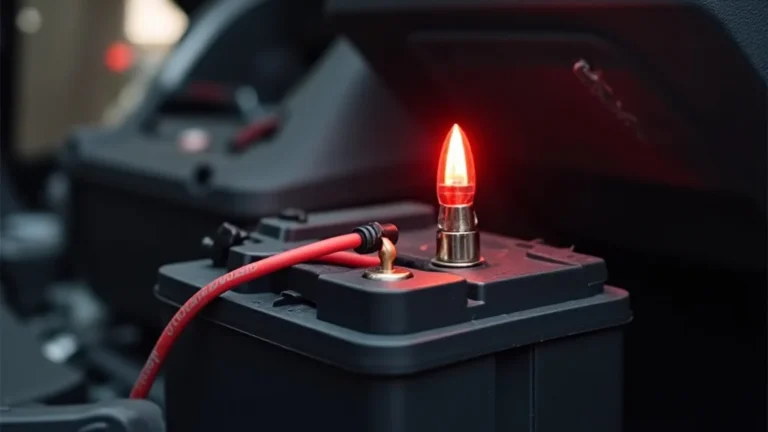
Corrosion can build up on battery terminals, causing your car to have trouble starting. This corrosion is usually a white or greenish substance that appears on the terminals and cable connections. Regularly clean the terminals to ensure a good electrical connection. Use a wire brush and a solution of baking soda and water to remove the corrosion. Make sure the terminals are free of the corrosion.
Cleaning the terminals helps prevent the electrical circuit from failing. Clean terminals help give the battery a longer life. The corrosion buildup will weaken the car’s electrical system. This can lead to starting problems or other electrical failures. Making sure that the terminals are clean helps the car run better.
Checking for Corrosion
Corrosion isn’t just a sign of trouble at the terminals; it can also affect the battery’s performance and safety. Regularly examine the terminals and battery case for signs of corrosion. The corrosion can be a result of acid leaks or overcharging. Address any corrosion immediately to prevent damage to the battery and other parts.
If there is a lot of corrosion, it could mean there is a problem with the battery. Also, any acid leaks can be dangerous and need attention. If you see it on the terminals, clean it. Cleaning the corrosion will extend the life of the battery and keep you safe. Always wear gloves and eye protection when you clean the battery.
Avoiding Battery Drain
Battery drain is a problem that happens when the battery loses power. Several things can cause battery drain, such as leaving lights on, faulty electrical components, and extreme temperatures. Reduce battery drain by turning off all lights and electrical devices. Be sure that the lights and radio are off when you turn off the car. Also, get any electrical issues checked by a professional.
Cold weather can reduce a battery’s performance, making it harder to start the car. Keeping your car in a garage helps reduce these effects. Also, check to make sure the electrical connections are good. Maintaining your battery will keep your car running well. You’ll avoid inconvenient breakdowns.
Common Car Battery Problems and Troubleshooting
Even with good care, car batteries can have problems. These problems often have clear signs, such as slow starts or electrical failures. Knowing these issues and how to solve them can save you time and money. Here are some of the most common issues you might face.
Battery Won’t Start the Car
One of the most frustrating things is when your car doesn’t start. This can be caused by a dead battery, a loose connection, or a problem with the starter motor. If the car has trouble turning over or the engine clicks, the battery may be dead. The battery may be dead from being left on overnight or from age. Checking the battery’s voltage with a multimeter will help you to confirm.
If the battery is dead, you can try jump-starting it. If it starts, it could be a sign that the battery isn’t holding a charge. If jump-starting doesn’t work, there might be a problem with the starter motor. Any electrical issue should be looked at by a mechanic. Knowing what is wrong with the battery will help keep the car running.
Slow Cranking or Dim Lights
A car that starts slowly or has dim headlights can point to a battery problem. These are signs the battery doesn’t have enough power. When the battery can’t send enough power, the engine takes longer to start. Dim headlights can tell you that there is a problem with the battery. This may also happen with interior lights. These are some signs you should watch for.
When you have these issues, it means the battery may be running low on power. You can try charging the battery. If it is fully charged but the problems continue, the battery may be reaching the end of its life. Also, there might be a problem with the charging system. Having the battery tested can help you find out what is going on.
Battery Not Holding a Charge
If your battery won’t hold a charge, it means the battery isn’t storing power correctly. This could be due to age, internal damage, or issues with the charging system. You will need to charge the battery. If it charges and then loses power quickly, there may be a problem inside the battery. This means the battery is unable to hold a charge.
You can check the battery with a load test. A load test can show if the battery can hold its charge. If it can’t, it is time for a new battery. Also, there may be a problem with the charging system. Have the car checked if the battery won’t hold a charge.
Frequently Asked Questions
Question: How often should I check the water level in my car battery?
Answer: For flooded lead-acid batteries, it’s a good idea to check the water level every month or so. This depends on how often you drive and your car’s use.
Question: What kind of water should I use to fill my car battery?
Answer: Always use distilled water. It is free of the minerals found in tap water that can harm the battery.
Question: What do I do if my battery terminals have corrosion?
Answer: Clean them with a wire brush and a mixture of baking soda and water. Make sure to wear safety glasses and gloves.
Question: Can I overfill my car battery with water?
Answer: Yes, overfilling can cause acid to spill, which can damage your car. Always fill to the correct level.
Question: How do I know if my car battery is bad?
Answer: If your car has trouble starting, the lights are dim, or the battery won’t hold a charge, these are signs the battery might be bad.
Final Thoughts
Knowing whether do car batteries need water is a simple yet important piece of car maintenance. It all depends on the kind of battery you have. Checking the water level in flooded lead-acid batteries is a must. If you have AGM or gel batteries, they are sealed and need no water. Remember to always use distilled water and to not overfill the battery. Cleaning the terminals and looking for corrosion are also key parts of keeping your car’s battery healthy.
Keeping these tips in mind will help you keep your car running well and avoid common battery problems. Regular care and a little knowledge make a big difference in making sure your car starts when you need it. By paying attention to these easy steps, you can help make your car last longer. So keep your battery in good shape, and your car will start up with no problems. Happy driving!