Car Won’t Start Even With Jump Starter What To Do
It’s frustrating when your car won’t start even with jump starter, right? It’s a common problem that can throw anyone off, especially if you’re not a car expert. Don’t worry, many things can cause this, and it doesn’t mean you’re stuck! We’ll explore the common culprits and get you back on the road. We’ll break down the process step by step, so you can solve this and get rolling again. Let’s explore some solutions to address why your car might have trouble starting!
Possible Issues When Your Vehicle Refuses to Start
When your car refuses to start, even after a jump, the situation can be tricky, but don’t panic! Several problems could be at play, each requiring a bit of investigation. We’ll explore various areas, from electrical problems to mechanical failures. Knowing the potential causes gives you power to diagnose what’s happening. Think of it like being a car detective, seeking out the root cause.
Battery-Related Challenges
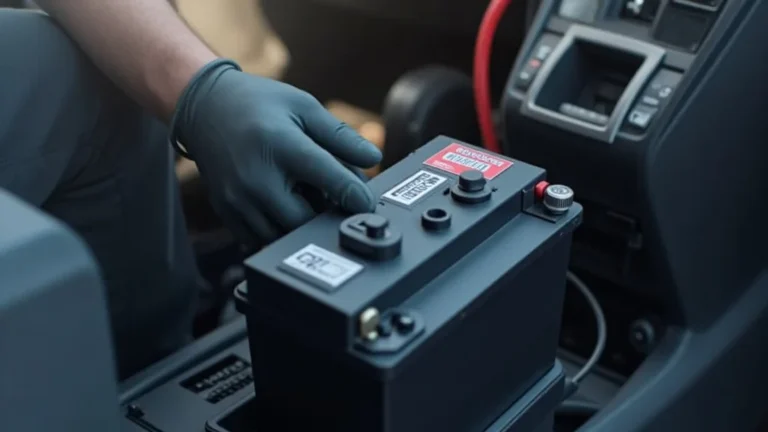
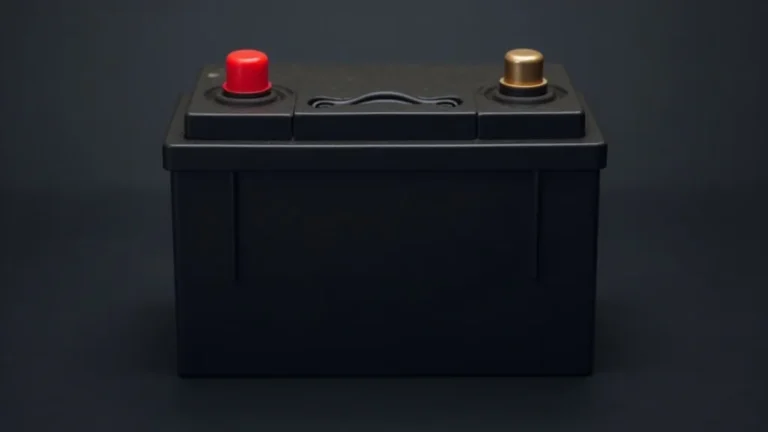
One of the first things to check is the battery, even if you’ve tried jump-starting. A jump starter delivers an extra boost of power, but it can’t solve all battery-related issues. The battery may be damaged. A battery contains lead plates submerged in a sulfuric acid solution. Over time, these plates can degrade, or the battery may simply age. Then, it can no longer hold a charge. Also, the battery terminals may be corroded, preventing a good electrical connection. Corrosion creates a layer of resistance that prevents the flow of current. The jump starter’s power may be blocked by this.
- Battery Age and Condition: Batteries have a lifespan. Most last three to five years. Older batteries lose their ability to hold a charge. A battery testing tool can reveal the state of health of a battery.
- Corrosion at Terminals: Corrosion forms as a white or greenish substance. This buildup prevents electricity from flowing. It’s like having a blocked pipe, which stops the flow.
- Internal Battery Damage: Sometimes, the internal components of a battery fail. This may lead to short circuits. This failure prevents the battery from accepting or holding a charge.
If your battery is over four years old, it’s likely nearing the end of its life, even if it has been jump-started. Consider a replacement.
Cleaning battery terminals is a simple task that can make a big difference. Use a wire brush and a solution of baking soda and water to remove any buildup.
Internal damage often requires professional inspection. A mechanic can check the battery cells with a hydrometer, which measures the state of charge.
Starter Motor Troubles
The starter motor, often called the “starter,” is responsible for turning the engine over to start the car. It’s basically a small but strong electric motor. If the starter fails, the car won’t start, regardless of how good the battery is. A faulty starter may receive power, but it can’t generate enough force to turn the engine. If you hear a clicking sound when you turn the key, that’s often a sign the starter is struggling.
- Solenoid Failure: The solenoid is a part of the starter motor. It is responsible for engaging the starter gear with the engine flywheel. A malfunctioning solenoid won’t allow the starter to engage properly.
- Worn Starter Motor: Over time, the internal components of the starter motor will wear out. Brushes, which transfer power, may wear down, making the motor ineffective.
- Electrical Connections: Loose or corroded wires at the starter motor can disrupt the flow of electricity. This will stop it from doing its job.
A failing solenoid often makes a clicking sound when the ignition is turned. Replacing the solenoid is sometimes enough to fix the problem without replacing the entire starter.
A worn starter may crank the engine slowly or not at all. Testing the starter requires a voltmeter to measure the current draw, as well as checking the gear engagement with the flywheel.
Checking the connections is a simple visual inspection. Make sure the wires are securely attached. Clean any corrosion with a wire brush.
Addressing a Car Won’t Start Even With Jump Starter Scenario
When the car won’t start even with jump starter, it’s time to move beyond the basic steps. A jump starter provides an immediate power boost. However, if the underlying issue isn’t fixed, your car will stay dead. Let’s explore several diagnostics that can help identify the problem and what you can do. The goal is to isolate the problem so you can make informed decisions about repairs. These are not difficult steps, and they will save you time and money.
Checking Fuses and Relays
Fuses are safety devices in your car’s electrical system. They’re designed to break the circuit and stop the flow of electricity if there is too much current. Relays are switches that control high-current circuits. If a fuse is blown, or a relay fails, it can prevent power from reaching crucial components like the starter or the fuel pump. Fuses are inexpensive, and they’re usually easy to replace. Relays can also be replaced, but some are harder to access.
- Locating the Fuse Box: The fuse box is usually located under the dashboard or in the engine compartment. It contains a diagram that tells you the function of each fuse.
- Inspecting the Fuses: Look for any fuses that have a broken wire inside. Use a fuse tester or visual inspection to ensure the fuse is intact.
- Testing the Relays: Relays can be tested with a multimeter. You can also swap relays of the same type to see if the problem goes away.
Refer to your car’s owner’s manual to find the exact location of the fuse box and the layout of the fuses.
If you suspect a relay problem, locate a similar relay in a non-critical circuit, like the horn, and swap them to see if the horn fails to work. If the car starts after the swap, you know the relay was the issue.
Examining the Ignition System
The ignition system is what starts the combustion process in the engine. This system involves the spark plugs, ignition coils, and the ignition module. If there’s no spark, the engine won’t start, even if the starter is working. The ignition system can fail in various ways, often from wear and tear. A spark is necessary for the combustion process to start.
- Checking the Spark Plugs: Spark plugs provide the spark to ignite the fuel-air mixture. They can become fouled or worn over time, which prevents them from producing a spark.
- Inspecting Ignition Coils: Ignition coils convert the low voltage from the battery into the high voltage needed to create a spark. A faulty coil won’t deliver a spark.
- Investigating the Ignition Module: The ignition module controls the timing of the spark. A failure in the module can prevent the spark plugs from firing at the right time.
Remove the spark plugs and inspect them for wear, fouling, or damage. Replace them if necessary.
Use a spark tester to check if the ignition coils are producing a spark. A bad coil usually needs to be replaced.
Diagnosing an ignition module often requires special tools and expertise. Consult a mechanic if you suspect an ignition module problem.
Common Reasons When a Car Won’t Start Even With Jump Starter
Sometimes, the car won’t start even with jump starter even after you’ve checked the obvious things. This can be frustrating, but let’s look at some less common, but still possible, culprits. These often require a little more detective work to figure out. When tackling these issues, a systematic approach is key. You’ll need to rule out different possibilities until you pinpoint the problem.
Fuel System Issues
The fuel system delivers gasoline to the engine. If the fuel pump or fuel injectors fail, the engine won’t receive fuel. This will prevent it from starting. There are several fuel system components that can cause issues. Problems can vary from clogged fuel filters to malfunctioning fuel pumps. The fuel system is vital for getting your car running.
- Fuel Pump Failure: The fuel pump delivers fuel from the tank to the engine. If the fuel pump fails, the engine won’t receive fuel.
- Clogged Fuel Filter: A clogged fuel filter restricts the flow of fuel. This can starve the engine and cause it not to start.
- Fuel Injector Problems: Fuel injectors spray fuel into the engine cylinders. A faulty injector can cause starting problems or poor engine performance.
You may not hear the fuel pump working when you turn the key to the “on” position. If you do not hear it, the pump might be broken.
Replacing the fuel filter can often solve starting issues. This should be a part of your regular car maintenance.
If the injectors are clogged or not working correctly, the engine may struggle to start. Diagnosing injector problems often requires special tools.
Immobilizer Problems
Many modern cars have an immobilizer system designed to prevent theft. If the immobilizer detects a problem, it can disable the fuel or ignition systems, preventing the engine from starting. These systems have a key that holds a transponder chip. The car’s computer must recognize this chip for the car to start. It adds an extra layer of security, but it can also cause starting problems.
- Key Transponder Issues: The transponder chip in the key can fail. Without the right signal, the immobilizer will not allow the engine to start.
- Immobilizer Module Failure: The immobilizer module is a computer that controls the immobilizer system. If the module fails, it can disable the car’s starting function.
- Antenna or Wiring Problems: The immobilizer system uses an antenna to communicate with the key transponder. Problems with the antenna or its wiring can prevent the system from working correctly.
Try using a spare key to see if the car starts. If the spare key works, the original key may need to be replaced.
Diagnosing an immobilizer module problem often requires the use of diagnostic tools. A mechanic can test the module and check for error codes.
Check the antenna and wiring for any damage or corrosion. This can often be found around the steering column, and is not too difficult to fix.
Advanced Diagnostics and Preventative Actions
If you’ve checked the basics and your car won’t start even with jump starter, you’ll need to explore more in-depth diagnostics. This could involve using specialized tools. These steps can pinpoint the problem and help ensure you can get your car running. You may want to call a professional at this point. However, this is also a chance to take preventive steps. You can prevent some of these problems from happening again.
Using Diagnostic Tools
Modern vehicles have onboard diagnostic systems that store error codes when problems arise. Using a diagnostic tool is like having a doctor for your car, able to identify where the problem is. These tools can reveal information that is otherwise impossible to find. They make it easier to fix any issues. You can save time and money by finding problems early on.
- OBD-II Scanners: These devices connect to the car’s onboard diagnostic (OBD-II) port. They can read and clear error codes.
- Multimeters: A multimeter is an electronic measuring instrument. It tests voltage, current, and resistance. It’s an important tool for diagnosing electrical problems.
- Fuel Pressure Testers: These tools test the pressure of the fuel system. They can identify problems with the fuel pump or fuel injectors.
An OBD-II scanner can quickly reveal issues related to the engine, transmission, and other systems. It is a good first step when the car won’t start.
A multimeter can test for voltage drops, check the health of a battery, and check circuits for continuity.
Fuel pressure testers are essential for diagnosing fuel system issues. They confirm whether the fuel system is providing the right amount of fuel.
Regular Maintenance and Preventative Measures
A bit of care can go a long way in preventing future starting problems. Regularly maintaining your car reduces the chances of issues. This includes changing fluids and checking parts. Preventative maintenance can extend the life of your car. These measures will ensure it runs smoothly and reliably for many years. It’s often cheaper to prevent problems than to fix them.
- Battery Maintenance: Check your battery terminals for corrosion. Clean them as needed. Have your battery tested regularly.
- Fuel System Care:
Keeping the fuel system clean helps to maintain optimal fuel delivery. This ensures efficient engine performance.
- Electrical System Checks: Inspect your car’s wiring regularly. Ensure that the wires are in good condition. Look for wear or damage.
Regular battery maintenance ensures good electrical connections and can help to prevent starting issues. Consider replacing the battery every few years.
Regular inspections of the electrical system can catch problems before they lead to starting issues. This is especially helpful during colder months.
Frequently Asked Questions
Question: What should I do first when my car won’t start even with a jump starter?
Answer: Check the battery connections for corrosion. Then, make sure your jump starter is connected correctly, and that you let it run for several minutes to transfer the charge.
Question: Can a blown fuse prevent my car from starting?
Answer: Yes, a blown fuse can stop power from reaching the starter, fuel pump, or other essential components needed to start your car.
Question: How can I tell if the starter motor is faulty?
Answer: If you hear a clicking sound when you turn the key, or if the engine doesn’t crank at all, the starter motor is likely the issue.
Question: What might cause the fuel pump to fail?
Answer: Fuel pump failure can happen because of age, overheating, or running the fuel tank too low, causing debris to enter the fuel pump.
Question: What is an immobilizer and how does it affect starting the car?
Answer: An immobilizer is an anti-theft system. It prevents the engine from starting unless the correct key is used. If there is a problem with the immobilizer system, the car won’t start.
Final Thoughts
When the car won’t start even with jump starter, it can be a source of stress. You’ve now explored the main areas that cause this issue. You have a better chance of figuring out what’s wrong. By systematically checking the battery, starter, fuses, fuel system, and other elements, you can find the root cause. Remember to use diagnostic tools and preventative maintenance. These steps will keep your car running well. Now you’re equipped with the know-how to get your car running again. If needed, do not hesitate to reach out for professional help from a reliable mechanic. This will restore your peace of mind and get you back on the road!