What To Do When Your Car Wont Start But Battery Is Good
Featured image for car won’t start but battery is good
Image source: wealthserving.com
When your car refuses to start despite a perfectly good battery, the problem usually points to the starter motor, fuel delivery system, or ignition components. Common culprits include a faulty starter, a clogged fuel filter or bad pump, issues with spark plugs and coils, or even a security system immobilizer. Thorough diagnosis is key to identifying these non-battery related issues and getting you back on the road.
Picture this: You hop into your car, ready to tackle the day, turn the key, and… nothing. Or maybe you hear a sad, single click. Your heart sinks. Your first thought races to the battery – it must be dead! But then you remember you just had it checked, or the headlights are beaming brightly, the radio powers up, and the dashboard lights are all there. This isn’t a dead battery scenario. This is the perplexing, frustrating situation where your car won’t start but battery is good.
It’s a surprisingly common predicament, and one that can leave even seasoned drivers scratching their heads. You’re not alone in feeling utterly stumped when your vehicle refuses to cooperate despite having a perfectly healthy power source. The good news is that while it feels like a mystery, there are logical, explainable reasons why your car won’t start but battery is good, and many of them can be diagnosed, and sometimes even fixed, with a bit of knowledge and a methodical approach.
In this comprehensive guide, we’re going to break down the most common culprits behind a non-starting car with a good battery. We’ll explore the various systems involved in getting your engine to crank and fire up, and arm you with practical tips to troubleshoot the problem step-by-step. So, take a deep breath, grab a metaphorical cup of coffee, and let’s demystify why your car won’t start but battery is good.
Key Takeaways
- Inspect Battery Terminals: Ensure connections are clean and tight, regardless of battery charge.
- Verify Transmission Position: Confirm your vehicle is firmly in Park or Neutral.
- Listen for Starter Noises: A single click or no sound often indicates a starter issue.
- Gently Tap the Starter: Sometimes a light tap can temporarily free a stuck starter.
- Check Fuses and Relays: Blown fuses or faulty relays can interrupt the starting circuit.
- Consider Fuel or Spark: If it cranks but won’t start, investigate fuel delivery or ignition.
- Call for Professional Help: If basic checks fail, a mechanic can accurately diagnose complex issues.
Quick Answers to Common Questions
My car makes a single click or no sound at all when I try to start it, but the battery is good. What’s going on?
This often points to a starter motor issue. Even with a healthy battery, if the starter isn’t engaging or is faulty, your car won’t start.
My engine cranks strongly, but my car won’t start; it just won’t catch. What’s usually the cause here?
If your engine cranks but doesn’t fire up, the problem likely lies with fuel delivery, spark, or air. Check your fuel level and consider issues like a bad fuel pump or faulty spark plugs preventing ignition.
My car’s security light is flashing, and my car won’t start, even though the battery is good. Is this related?
Yes, a flashing security light typically indicates that your car’s immobilizer system is preventing it from starting. Try using a spare key, as a faulty key chip or a dead key fob battery can be the culprit.
My dashboard lights up normally, but absolutely nothing happens when I turn the key – my car won’t start. What’s next?
This scenario often points to a problem with your ignition switch or a neutral safety switch if it’s an automatic. Try firmly wiggling the gear shifter through Park and Neutral, then attempt to start again.
Could bad battery connections still be the reason my car won’t start if the battery itself tested good?
Absolutely! Loose or corroded battery terminals can prevent sufficient power from reaching the starter, even from a perfectly good battery. Always inspect and clean your battery posts and cable connections as a first step when your car won’t start but battery is good.
📑 Table of Contents
- Understanding the Starting System: More Than Just the Battery
- “Click, Click, Click” or No Sound at All: Diagnosing the Starter and Electrical Connections
- When Fuel Fails: Problems with the Fuel Delivery System
- The Spark of Life: Ignition System Troubles
- The Brain Drain: Computer and Security System Glitches
- Other Less Common Culprits and Next Steps
Understanding the Starting System: More Than Just the Battery
When your car won’t start but battery is good, it means the problem lies elsewhere in the intricate dance of components that bring your engine to life. Think of your car’s starting process as a carefully choreographed sequence. The battery provides the initial surge of power, but many other players need to do their part for the engine to actually crank and ignite. Let’s briefly look at the main characters:
The Ignition Switch
This is where you insert your key (or push your start button). It’s the gatekeeper, sending the “go” signal from your hand to the rest of the starting system. If the ignition switch itself is faulty, it won’t transmit that signal, leaving your car won’t start but battery is good conundrum unsolved.
The Starter Motor and Solenoid
The starter motor is a powerful electric motor designed to turn your engine over to begin the combustion process. It’s connected to the engine’s flywheel. The starter solenoid is essentially a high-power relay attached to the starter. When you turn the key, it directs the battery’s strong current to the starter motor. A common reason a car won’t start but battery is good is an issue with either of these components.
The Fuel System
For your engine to run, it needs fuel. This system includes the fuel tank, fuel pump (which pushes fuel from the tank to the engine), fuel filter (which cleans the fuel), and fuel injectors (which spray fuel into the engine cylinders). If any part of this system isn’t delivering fuel, your engine won’t start, even if it cranks perfectly. So, if your car won’t start but battery is good and it’s cranking, the fuel system is a prime suspect.
The Ignition System
Once fuel is delivered, it needs to be ignited. This is where the ignition system comes in. It includes spark plugs, ignition coils (or a distributor for older cars), and sensors that tell the system when to fire. Without a strong spark at the right time, the fuel won’t ignite, and your car won’t start but battery is good will persist.
Electrical Connections and Fuses
Electricity powers nearly everything in your car. A loose, corroded, or damaged wire, or a blown fuse, can interrupt the flow of power to a critical component, preventing your car from starting. This is often one of the simpler fixes when your car won’t start but battery is good.
“Click, Click, Click” or No Sound at All: Diagnosing the Starter and Electrical Connections
When your car won’t start but battery is good, the sounds (or lack thereof) it makes can provide crucial clues. This is often where the problem points directly to the starter motor or the electrical path leading to it.
The Dreaded “Click”
You turn the key, and you hear a rapid “click, click, click” sound, but the engine doesn’t crank. This is one of the most common symptoms when a car won’t start but battery is good. What does it mean?
- Weak Power to Starter: Even if your main battery is good for lights and radio, there might not be enough voltage making it to the starter motor. This could be due to corroded battery terminals, loose connections, or a bad battery cable.
- Failing Starter Solenoid: The solenoid is getting enough power to engage (which is the “click”), but it’s not effectively passing the high current required to spin the starter motor.
- Stuck or Failing Starter Motor: The starter motor itself might be worn out, has internal damage, or is simply stuck.
What to do:
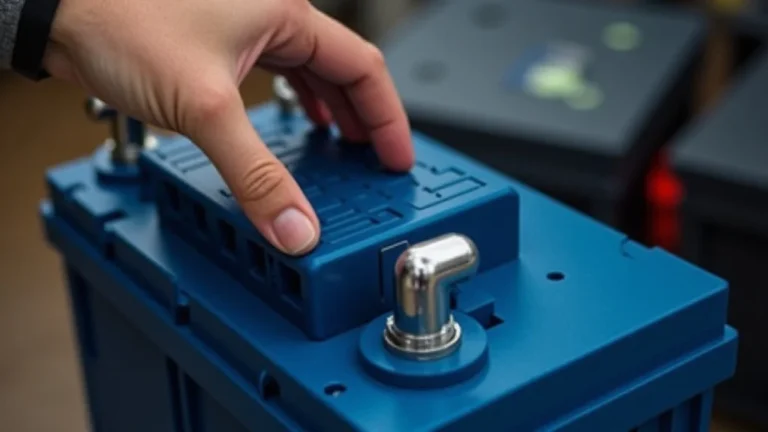
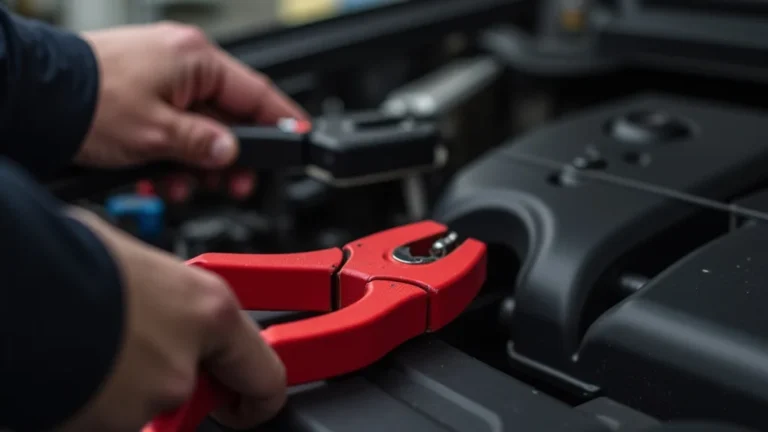
- Check Battery Terminals: Even with a good battery, loose or corroded terminals can prevent sufficient power from reaching the starter. Wiggle the terminals. If they’re loose, tighten them. If you see white, blue, or green crusty stuff, that’s corrosion. You can try carefully removing and cleaning them with a wire brush and a baking soda/water paste (always disconnect the negative terminal first, then the positive, and reverse for reattaching).
- Tap the Starter: If you can safely locate and access your starter motor (it’s usually a cylindrical component attached to the engine, near the transmission), try gently tapping it with a hammer or a heavy wrench a few times while someone else tries to start the car. Sometimes, this can dislodge a stuck solenoid or motor brush and get it to work temporarily, confirming it’s the culprit.
- Check Starter Relay: Most cars have a starter relay in the fuse box under the hood. You can try swapping it with another identical relay from a non-essential circuit (like the horn relay) to see if that resolves the “click.”
No Sound or a Single “Thunk”
You turn the key, and absolutely nothing happens – no lights dim, no clicks, just silence. Or perhaps you hear a single, louder “thunk” sound. This often points to a more severe electrical issue or a completely dead starter component, even if your car won’t start but battery is good otherwise.
- Completely Dead Starter Motor or Solenoid: If the starter or solenoid is totally fried, it won’t respond at all.
- Bad Ignition Switch: The signal isn’t even reaching the starter system from the key.
- Park/Neutral Safety Switch: This switch prevents your car from starting if it’s not in Park or Neutral. If it’s faulty, your car thinks it’s in gear and won’t allow it to start. Try jiggling the gear selector or shifting through gears and back to Park/Neutral.
- Blown Fuse: A main fuse or a fuse specifically for the starter circuit could be blown, cutting off all power.
What to do:
- Check All Fuses: Consult your owner’s manual for the location of your car’s fuse boxes (usually one under the hood, one in the cabin). Look specifically for fuses related to the ignition, starter, and main power. A blown fuse will have a broken wire inside.
- Test the Park/Neutral Safety Switch: As mentioned, try shifting the car to Neutral and then attempting to start it. If it starts in Neutral but not Park, the switch might be faulty.
- Test the Ignition Switch: This is harder without specialized tools, but if you suspect it, a professional diagnosis is best.
When Fuel Fails: Problems with the Fuel Delivery System
Your car won’t start but battery is good, and the engine cranks perfectly fine – it just doesn’t catch and ignite. This scenario screams “fuel problem!” If the engine turns over but never fires up, it’s highly likely that fuel isn’t reaching the combustion chambers, or isn’t reaching them in the right quantity or pressure.
Empty Tank (The Obvious One)
Let’s get this out of the way. Are you absolutely certain you have fuel? The fuel gauge isn’t always perfectly accurate, and if you were running on fumes, even a little slope can prevent the fuel pump from picking up any fuel. A quick splash of gas might solve the mystery if your car won’t start but battery is good but the engine just cranks and cranks.
Fuel Pump Issues
The fuel pump is responsible for sending fuel from the tank to the engine. If it fails, no fuel gets to the engine. This is a very common reason a car won’t start but battery is good but still cranks.
What to do:
- Listen for the Fuel Pump: When you turn your ignition key to the “on” position (but don’t crank the engine), you should hear a faint whirring or buzzing sound from the rear of the car for a couple of seconds. This is the fuel pump priming. If you don’t hear it, the pump might be dead, its relay might be bad, or its fuse might be blown.
- Check Fuel Pump Fuse/Relay: Refer to your owner’s manual to locate and check the fuse and relay for the fuel pump. Swapping the relay with a known good one (like the horn relay) is a quick diagnostic step.
Clogged Fuel Filter
The fuel filter cleans contaminants from your fuel. Over time, it can become clogged, restricting fuel flow to the engine. While it might allow enough fuel through to idle, under starting conditions, the engine requires more, and a clogged filter can starve it. If your car won’t start but battery is good and has been sputtering or losing power recently, this could be the cause.
Fuel Injector Problems
Fuel injectors spray a fine mist of fuel into the engine cylinders. If they are clogged or faulty, they won’t deliver enough fuel, or any at all, to ignite. This is less common as a primary “no start” issue but can contribute, especially if only some injectors are failing. However, generally, if your car won’t start but battery is good, and it’s a fuel injector issue, the engine will likely crank and struggle, rather than just silently refusing to fire.
The Spark of Life: Ignition System Troubles
So, your car won’t start but battery is good, the starter is cranking strongly, and you’ve confirmed you have fuel pressure. What’s next? Spark! Without a spark to ignite the fuel-air mixture, your engine will just crank endlessly without ever catching. This leads us to the ignition system.
Spark Plugs and Wires
Spark plugs create the spark that ignites the fuel. Over time, they wear out, get fouled with carbon, or their electrodes can get damaged. Similarly, spark plug wires (on older cars) can degrade, preventing the high voltage from reaching the plugs. If your car won’t start but battery is good and cranks but refuses to fire, old spark plugs or bad wires are a possibility.
What to do:
- Visual Inspection: If you’re comfortable, you can carefully remove one spark plug (consult your manual for the proper procedure) and inspect its condition. Look for heavy carbon buildup, oil, or a damaged electrode.
- Spark Test (Caution!): This is a more advanced test and should be done with extreme caution. With a spark plug removed and connected to its wire/coil, ground the metal part of the plug (using insulated pliers) against a clean metal surface on the engine, and have someone briefly crank the engine. You should see a strong, blue spark. If not, the issue is further upstream in the ignition system.
Ignition Coils
Modern cars often have individual ignition coils for each spark plug, or coil packs that serve multiple plugs. These coils amplify the low voltage from the battery into the tens of thousands of volts needed to create a spark. If one or more coils fail, those cylinders won’t get a spark. If your car won’t start but battery is good and it feels like it’s trying to start but sputtering, a failing coil could be the culprit, especially if it’s intermittent.
Crankshaft Position Sensor / Camshaft Position Sensor
These unsung heroes are vital. The crankshaft position sensor (CKP) tells the engine’s computer (ECU) the exact position and rotational speed of the crankshaft, which is crucial for timing both fuel injection and spark. The camshaft position sensor (CMP) does similar work for the camshafts. If either of these sensors fails, the ECU won’t know when to fire the spark plugs or inject fuel, resulting in a no-start condition. Often, when these fail, your car won’t start but battery is good, but the engine cranks endlessly without firing, and the “Check Engine” light might illuminate (or have stored a code).
The Brain Drain: Computer and Security System Glitches
Modern cars are essentially computers on wheels. While incredibly efficient, this also means that electronic glitches, software issues, or security system malfunctions can prevent your car from starting, even if your car won’t start but battery is good and all mechanical systems seem fine.
Immobilizer System Activation
Most modern vehicles have an immobilizer system designed to prevent theft. It typically works by reading a transponder chip in your car key. If the system doesn’t recognize the key (e.g., using a spare key without a chip, a damaged key, or a faulty sensor in the ignition barrel), it will prevent the engine from starting, even if the starter motor cranks. This is a classic reason a car won’t start but battery is good, and it will often crank but not fire, or sometimes not even crank at all. You might see a security light flashing on your dashboard.
What to do:
- Try a Different Key: If you have a spare key, try starting the car with it. This can rule out a damaged transponder chip in your primary key.
- Reset: Some cars have a specific procedure to reset the immobilizer, often involving locking and unlocking the doors with the remote, or specific key turns. Consult your owner’s manual.
Faulty Engine Control Unit (ECU) / Powertrain Control Module (PCM)
The ECU (also sometimes called PCM) is the “brain” of your car. It controls everything from fuel injection to ignition timing, idle speed, and emissions. While rare, a faulty ECU can manifest as a no-start condition. Symptoms might include multiple warning lights on the dashboard, lack of communication with diagnostic tools, or erratic electrical behavior. If your car won’t start but battery is good and you’ve ruled out all the mechanical and simpler electrical issues, a failing ECU could be a serious, though uncommon, culprit.
Blown Fuses and Relays (Revisited for Specific Systems)
We touched on fuses earlier, but it’s worth reiterating their importance for specific systems. A blown fuse for the ECU, fuel pump, ignition coils, or even critical sensors can prevent your car from starting. Always check the fuses related to the system you suspect is failing when your car won’t start but battery is good. Relays also play a crucial role in directing power to these systems, and a faulty relay can mimic a faulty component.
Other Less Common Culprits and Next Steps
You’ve methodically worked through the common issues, and your car won’t start but battery is good still. Don’t despair! There are a few other, less common, but equally frustrating possibilities to consider, and crucial next steps to take.
Alternator: Not Just for Charging
While the alternator’s primary job is to recharge your battery while the engine runs, a failing alternator can sometimes be a secondary cause of a no-start. For example, if it’s been slowly failing, it might have drained your “good” battery more than you realize, or it might have an internal short that’s causing other electrical issues. If the alternator isn’t supplying enough power to the electrical system while cranking, it can impact the starter’s ability to turn the engine, even if the battery has a good surface charge. Though your car won’t start but battery is good is the premise, sometimes a battery that’s “good enough” for lights might not be good enough under the high draw of the starter, and a bad alternator might have contributed to that marginal state.
Bad Ground Connections
Electrical current needs a complete circuit to flow. This means a positive connection from the battery and a negative (ground) connection back to the battery. If a main ground cable from the battery to the engine block or chassis is corroded or loose, it can severely impede the flow of electricity to the starter motor and other critical components, even if your car won’t start but battery is good. Check the main battery ground cable for corrosion or looseness where it connects to the chassis and engine.
Seized Engine (Rare but Catastrophic)
This is the worst-case scenario. If your engine has experienced a catastrophic internal failure (e.g., lack of oil, severe overheating, broken timing belt causing internal damage), the engine itself can seize. In this case, the starter motor simply won’t be able to turn the engine over at all. You might hear a single clunk or nothing, and the starter might even make a whirring sound of disengagement if it can’t turn the flywheel. This is very rare but important to consider if all other electrical and fuel systems check out and the starter isn’t engaging or the engine won’t budge. If your car won’t start but battery is good and gives you no response from the engine at all, this is a possibility.
What to Do When All Else Fails: Calling in the Professionals
You’ve done your due diligence, followed all the steps, and your car won’t start but battery is good remains the frustrating reality. At this point, it’s time to call for professional help. Modern vehicles are complex, and pinpointing an intermittent electrical fault or a deep-seated computer issue often requires specialized diagnostic tools and expertise.
- Diagnostic Scan Tool (OBD-II Scanner): If your “Check Engine” light is on or flashes, an OBD-II scanner can read diagnostic trouble codes (DTCs) that point to specific sensor failures or system malfunctions. Many auto parts stores will read these codes for free.
- Tow to a Trusted Mechanic: A professional mechanic has the experience and equipment to systematically diagnose the problem. They can perform voltage drop tests, pressure tests, and advanced computer diagnostics that are beyond the scope of a home mechanic.
- Roadside Assistance: If you have roadside assistance through your insurance, a warranty, or an auto club, now is the time to use it!
Summary of Common Causes & Quick Checks for When Your Car Won’t Start But Battery Is Good
To help you quickly navigate the potential issues, here’s a table summarizing common symptoms and actions when your car won’t start but battery is good:
| Symptom | Likely Cause(s) | Quick Check/Action |
|---|---|---|
| “Clicking” sound, no crank | Weak starter, bad starter solenoid, loose/corroded battery terminals, low voltage getting to starter | Check battery terminals for tightness/corrosion, try tapping starter (if accessible), check starter relay. |
| Engine cranks, but won’t catch | No fuel, no spark, timing issue (sensor), bad compression | Listen for fuel pump, check spark at plugs (carefully), check engine light for sensor codes, confirm fuel in tank. |
| No sound at all, no lights | Main fuse blown, severe electrical short, completely dead starter, bad ignition switch | Check main fuses, ensure battery terminals are secure, check ignition switch for continuity (advanced). |
| No sound, but lights work | Bad starter motor, bad starter solenoid, bad ignition switch, park/neutral safety switch | Test starter, check park/neutral safety switch by trying Neutral, check ignition switch. |
| Cranks fine, but stalls immediately | Fuel pressure issues, faulty sensor (e.g., crank position), vacuum leak, immobilizer | Check fuel pressure, look for engine codes, inspect vacuum lines, try a different key for immobilizer. |
Remember, safety first! Always disconnect the battery’s negative terminal before working on electrical components, and never put yourself in a position where the car could roll or start unexpectedly.
There you have it. The moment your car won’t start but battery is good doesn’t have to be a complete mystery. By systematically checking the most common failure points – from the starter and its connections to the fuel system, ignition, and even the car’s intricate electronics – you can often pinpoint the problem yourself. Even if you can’t fix it, understanding the likely culprit can empower you when speaking with a mechanic, ensuring you get the right diagnosis and repair.
Remember, prevention is key. Regular maintenance, including checking battery terminals, changing fuel filters, and addressing warning lights promptly, can help prevent these frustrating no-start situations. But when they do happen, arm yourself with this knowledge, take a deep breath, and approach the problem like a detective. You’ve got this!
Frequently Asked Questions
My car won’t start but the battery is good, and I just hear a single click. What does that mean?
This often points to a problem with your starter motor or its solenoid. A single click indicates the starter is trying to engage but isn’t getting enough power to spin the engine, or the starter itself is faulty. It could also be a loose or corroded connection to the starter.
If my car won’t start but the battery is good, could it be a fuel problem?
Absolutely. Even with a strong battery, your car needs fuel to ignite and run. Issues like a faulty fuel pump, a clogged fuel filter, or a bad fuel pump relay can prevent fuel from reaching the engine cylinders, causing a no-start condition.
What if my car cranks but won’t start, and the battery is good?
If your engine cranks vigorously but fails to turn over and start, it often indicates an issue with the ignition system. This could involve faulty spark plugs, ignition coils, or a problematic crankshaft position sensor, all of which are crucial for creating the spark needed for combustion.
Could a security system prevent my car from starting even with a good battery?
Yes, modern vehicles are equipped with sophisticated immobilizer systems designed to prevent theft. If your car’s security system detects an unauthorized key, a faulty key fob, or a malfunction within its own system, it will prevent the engine from starting, even if all other components appear to be functioning correctly.
My car won’t start but the battery is good, and nothing happens when I turn the key. What should I check?
If you experience a complete lack of response, it could be an issue with your ignition switch or the key fob itself. Ensure your key fob battery isn’t dead and try using a spare key if you have one. A malfunctioning ignition switch won’t send the necessary signals to engage the starter, leading to a silent no-start.
Are there any simple electrical checks I can do if my car won’t start but the battery is good?
Yes, you can check your car’s fuses and relays. A blown fuse for the fuel pump, starter, or ignition system, or a faulty relay in a critical circuit, can prevent these components from operating. Consult your owner’s manual for the location of your fuse box and relevant fuse/relay diagrams.