Car Charger Won’t Charge iPad Fixes: Simple Troubleshooting Guide
It’s super frustrating when your car charger won’t charge ipad, right? You’re on the go, need that iPad for maps or entertainment, and. nothing. This is a common issue, especially when you’re dealing with different chargers and cars. Don’t worry, though! It usually comes down to a few simple things. This guide will walk you through the most common problems and give you easy solutions, so you can get back to charging quickly. Let’s explore some key troubleshooting steps.
Possible Issues and Solutions When Your Car Charger Isn’t Working
When your car charger isn’t working, it can be puzzling, but often the cause is pretty straightforward. You might have a faulty charger, a problem with your car’s power outlet, or even a software glitch. This section will look at all the primary reasons your iPad might not be charging, allowing you to quickly isolate the problem. We’ll cover everything from simple fixes, like checking connections, to more involved troubleshooting steps, like inspecting the charger itself. Each potential issue comes with actionable steps to resolve it.
Examining the Charger and Cable
The first thing to investigate when your car charger won’t charge ipad is the charger and the cable you are using. These are the most common points of failure, so starting here can save you time and effort. The charger itself may have internal issues, while the cable may be damaged, preventing the current from flowing properly. Inspecting these components carefully can help you quickly identify the root of the problem. Simple visual checks often reveal the cause, leading to a quick solution.
- Check the Charger’s Condition: Examine the car charger for any visible damage. Look for cracks, bends, or loose parts. These can interrupt the electrical flow. If the charger looks damaged, it’s best to replace it. A damaged charger is a safety hazard and is unlikely to deliver power to your device. Look carefully at the USB port where your cable connects for any broken pins or obstructions.
- Inspect the Charging Cable: Cables are another common problem. Look for frays, cuts, or kinks along the entire length of the cable, especially near the connectors. Test the cable on another device to confirm that it’s working. Cables wear out over time with regular use.
- Try a Different Cable and Charger: Experiment with other chargers and cables you know work. This helps you determine whether the issue is with your existing equipment or your iPad itself. If another cable and charger do the trick, the problem is your original accessories.
- Clean the Connectors: Dust and debris can build up in the connectors of both the charger and your iPad’s charging port, interrupting the connection. Use a dry, soft brush or compressed air to clean these ports. Be gentle to avoid damaging the pins.
If you see any damage, the charger needs to be replaced immediately. Remember, using a damaged charger could not only damage your device but also poses a safety risk.
Ensure the cable is the correct type for your iPad. iPads often require a USB-C to Lightning cable (or USB-C to USB-C for newer models). Using the wrong type of cable will prevent charging.
Borrow a known-good charger and cable from a friend or family member. If your iPad charges with these alternatives, you’ve identified the problem.
Carefully use a toothpick or non-metallic object to remove any visible debris in the iPad’s charging port. Ensure the contacts are clear of obstructions.
Checking the Car’s Power Outlet
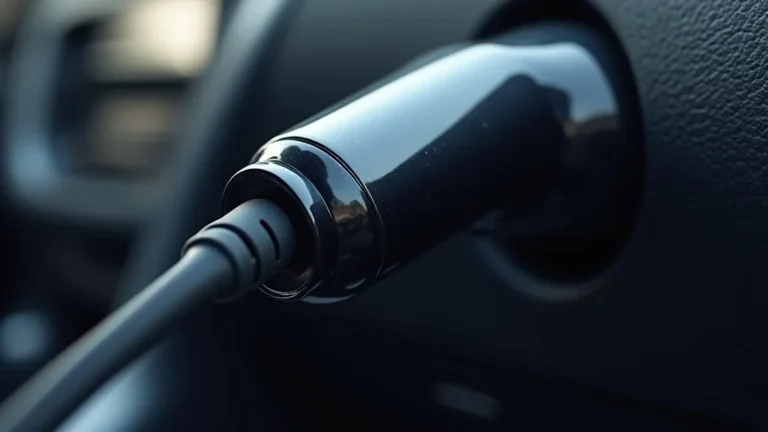
The car’s power outlet, often called a cigarette lighter port or 12V outlet, is another key area to investigate. Sometimes, the issue isn’t with the charger itself but with the outlet in your car. This section will explain how to check if the outlet is working correctly and what to do if it’s not. It’s a good idea to perform these checks before jumping to conclusions about your charger.
- Test with Another Device: Try plugging a different device (like your phone or another device that charges via USB) into the car’s power outlet using a different USB cable. If the other device charges, the outlet is likely working.
- Check the Fuse: Many car outlets have their own fuse to protect them from overload. This fuse can blow, which stops the outlet from working. Locate the fuse box (usually under the dashboard or in the engine compartment) and check the fuse associated with the power outlet. Replace the fuse if it is blown.
- Inspect the Outlet for Debris: Occasionally, the car’s power outlet can become clogged with debris or corrosion, stopping it from properly connecting with the charger. Clean the outlet with a cotton swab or a soft brush. Be certain the car is turned off and the key is out of the ignition before cleaning the outlet.
- Try a Different Outlet: Some vehicles have multiple power outlets. Try plugging your charger into a different outlet in your car. This will help determine if the problem is specific to one particular outlet.
If the other device charges, then the problem lies with either your iPad, the charging cable, or the car charger. However, if the other device doesn’t charge either, the issue is more likely with your car’s power outlet.
Your car’s manual will show you the exact location of the fuse box and which fuse is for the power outlet. Replacing a blown fuse is a simple fix that will often get your charger working again.
Use a dry brush or swab to clean the power outlet. Ensure no objects are lodged inside to avoid short circuits when the charger is inserted.
If another outlet works, then the initial outlet may be faulty and need repair.
iPad Software Glitches and Settings
Believe it or not, sometimes the issue isn’t the hardware at all. Software problems can cause your iPad not to charge. The iPad’s operating system might have a glitch that is interfering with the charging process. This part of the guide explains how to troubleshoot software-related issues, ranging from simple restarts to more advanced solutions like checking settings or updating the operating system.
- Restart Your iPad: A simple restart can often resolve minor software glitches that prevent charging. Turn off your iPad completely and then turn it back on. This resets the operating system and can often solve charging issues.
- Check for Software Updates: Ensure your iPad is running the newest version of its operating system, iPadOS. Outdated software can sometimes cause charging issues. Go to Settings, tap General, then Software Update. Install any available updates.
- Examine the Battery Health: In newer iPad models, you can check the battery health in the settings. Go to Settings, tap Battery, then Battery Health. If the battery health is significantly degraded, it may not charge effectively, or it may not hold a charge for a long duration.
- Reset All Settings: If other solutions fail, you can reset all the settings on your iPad. This will not erase your data but will restore settings to their default values. Go to Settings, tap General, tap Transfer or Reset iPad, then tap Reset, and then tap Reset All Settings.
To restart an iPad, press and hold the power button until the power-off slider appears. Drag the slider to turn it off, and then press and hold the power button again to turn it back on.
Regularly updating your iPad is key for both security and functionality. These updates often include fixes for known bugs that can affect charging performance.
If the battery health is low, then it might be time to consider replacing the battery or upgrading to a new device.
This is a somewhat extreme step, but it could resolve stubborn software issues that are blocking the charging functionality.
Advanced Troubleshooting Steps
Sometimes, the problem requires a bit more effort to identify. This section of the guide looks at those instances when the simpler fixes do not work. We will examine more complicated troubleshooting steps, such as checking the iPad’s charging port for damage and contacting the manufacturer or a repair specialist if needed. These procedures are for when basic checks don’t solve the problem, and they will help you take the next, more involved steps.
Examining the iPad’s Charging Port
The charging port is a sensitive area and is at risk for damage. A bent pin, corrosion, or accumulated debris inside the charging port can stop your iPad from charging. This guide helps you examine the charging port carefully. It covers how to examine the port safely and provides tips on when to seek professional repair. It’s key to recognize potential damage and take the right measures to fix it.
- Visual Inspection: Use a magnifying glass or a bright light to examine the charging port for any damage, such as bent pins or visible corrosion. Be careful and ensure the iPad is turned off and the charging cable is unplugged during this inspection.
- Cleaning the Port: Use a non-metallic tool like a toothpick or a plastic spudger to remove any debris in the charging port gently. Be extremely careful not to damage the pins inside the port. Do not use metal objects as they might cause a short circuit.
- Professional Repair: If you notice severe damage to the charging port (bent pins, significant corrosion), it’s best to seek the help of a professional repair service. Attempting to fix the port yourself can cause further damage.
- Testing the Connection: After cleaning or repairing the port, try plugging in your charger again to see if it begins charging. Make sure the cable connects securely, and look for the charging icon to appear on your iPad’s screen.
Look into the charging port. Check to be sure all the pins are in place and none are bent. This will ensure proper charging.
Carefully insert the tool into the port and try to gently dislodge the debris. Compressed air can also be useful for clearing out dust or small particles.
Authorized repair shops have the tools and expertise to replace or repair the charging port safely and effectively, resolving the charging issue permanently.
If the charging icon shows up, the repair was successful. If it does not, there could be a deeper internal issue.
Considering the Charger’s Specifications
Understanding the specifications of your car charger is key to making sure it’s compatible with your iPad. Different chargers have different power outputs, and your iPad needs a particular level of power to charge efficiently. This section helps you understand what to look for when you check your charger’s specifications. Learn to read the labels on your chargers, understand power ratings (Volts and Amps), and how they affect charging speed and the overall performance of your device.
- Check Voltage and Amperage: The charger must supply the right voltage (V) and amperage (A) to charge your iPad. Most iPads need 5V at a higher amperage (typically 2.1A or more) for optimum charging. Verify that your charger meets these requirements.
- Understand Charging Speeds: Chargers with higher amperage provide faster charging. A 2.1A charger will usually charge your iPad faster than a 1A charger. However, be certain the charger’s voltage matches your iPad’s requirements to prevent damage.
- Use Apple-Certified Chargers: Using a charger that’s certified by Apple ensures it meets Apple’s safety and performance standards. Non-certified chargers might not work correctly and could be unsafe.
- Consider the Car’s Electrical System: Check the car’s power outlet specifications to make sure it can handle the power output of your charger. Some older cars might have power outlets that do not provide enough power for fast charging, particularly if several devices are connected at the same time.
Check your charger. The output is usually printed on it. It will say something like ‘Output: 5V/2.1A.’
If you need fast charging on the road, then choose a charger with a higher amperage rating, making sure the voltage is correct.
Apple-certified chargers have the ‘Made for iPad’ or ‘MFi’ badge, which guarantees they are designed to work perfectly with Apple devices.
Confirm the car’s power outlet can deliver the necessary power. If the outlet does not, then you may need to use a charger with a lower output or consider upgrading the outlet.
When to Seek Professional Help
If you’ve tried all the troubleshooting steps and your car charger won’t charge ipad, it’s time to consider professional assistance. It is essential to recognize when the problem requires expert repairs. This part of the guide provides advice on when to consult a specialist or contact Apple Support. You’ll find details about where to find certified repair services and the expected costs involved. It ensures that you know how to get your iPad fixed without risking further damage.
- Unresponsive iPad: If your iPad will not turn on or respond to any of your troubleshooting attempts, then it may have a serious hardware issue that requires professional attention.
- Severe Physical Damage: If your iPad has suffered significant physical damage (such as a cracked screen, bent frame, or damage to the charging port), taking it to an expert is the safest option.
- Contact Apple Support: For software issues, battery problems, or hardware malfunctions, contacting Apple Support can provide you with effective solutions, troubleshooting guides, and possible warranty repairs.
- Find Certified Repair Centers: Certified repair centers have trained technicians and access to genuine Apple parts. They can diagnose and repair your iPad safely and effectively. You can locate a nearby center on Apple’s website or through a quick search online.
If your iPad shows no signs of life, then professional diagnosis and repair are needed.
Attempting to fix major physical damage at home is likely to cause more issues.
Apple Support can offer remote troubleshooting or advise you on the best course of action.
Using a certified repair center will ensure that your repairs are performed by experts.
Frequently Asked Questions
Question: Why is my car charger so slow?
Answer: Slow charging can be due to a few causes. The charger may not supply enough power (amperage), the cable might be damaged, or the car’s power outlet could be weak. Check the charger’s specifications and try a different cable and outlet.
Question: Can I use any car charger with my iPad?
Answer: While many car chargers will work, it’s best to use a charger that matches your iPad’s power requirements (5V and at least 2.1A). Also, make sure the charger is Apple-certified to ensure safety and compatibility.
Question: My iPad charges sometimes, but not always, what should I do?
Answer: This can indicate an intermittent connection. Check the charging port for any debris, inspect the cable for damage, and try a different cable and charger. If the issue persists, the charging port might need to be repaired.
Question: What does MFi certification mean on a car charger?
Answer: MFi stands for ‘Made for iPhone/iPad/iPod.’ MFi-certified chargers have been tested and approved by Apple to meet their performance and safety standards, guaranteeing they work safely and effectively with your iPad.
Question: My iPad gets hot while charging in the car. Is this normal?
Answer: Some warmth is standard, but if your iPad is very hot, unplug it immediately. This could be a sign of overcharging, a problem with the charger, or an environmental factor (like extreme heat inside the car). Let the iPad cool down and try charging it again in a more controlled environment.
Final Thoughts
When your car charger won’t charge ipad, it is undoubtedly frustrating. But, it is usually possible to fix it with a little troubleshooting. We have explored the most common reasons why your iPad may not be charging, from easy checks like inspecting your cable and charger to inspecting the car’s power outlet. You can restart your iPad, check for software updates, and even reset the settings. The next time your iPad won’t charge, work through the steps mentioned, and you will greatly improve your odds of quickly fixing the problem. If all else fails, seek professional help. The goal is simple: get you back to enjoying your iPad, whether it’s for work or play.