Car Charger Troubles: Why They Drain Your Car’s Battery
Having a car charger draining car battery is a common problem, especially for new drivers or those unfamiliar with car electronics. It’s often tricky to figure out why your car battery keeps dying, but don’t worry! This guide will break down the problem step-by-step. You’ll learn the key reasons why this happens and how to stop it. We’ll go over everything you need to know, making it simple to keep your car battery healthy and your devices charged. Ready to explore what’s causing this issue?
What Causes a Car Charger to Drain a Car Battery?
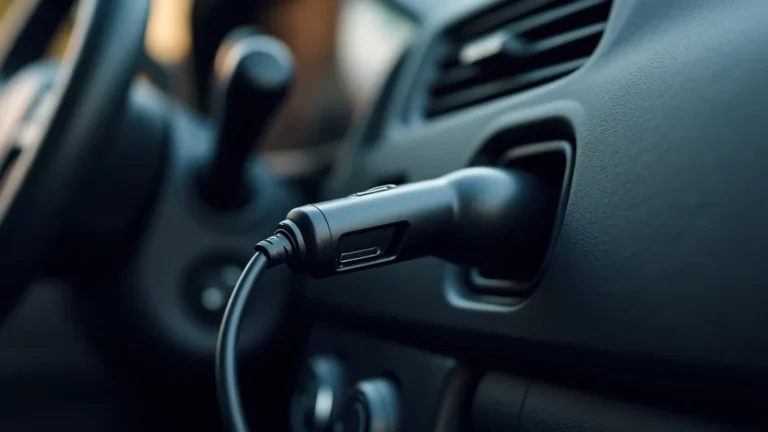
The main reason a car charger can drain your battery involves how it uses power, even when your car is off. Many car chargers continue to draw a small amount of power from your car’s battery if they are left plugged in, especially in older cars or those with less advanced electrical systems. This “phantom load” slowly depletes the battery over time. Some chargers may have internal components that don’t fully shut down, leading to constant power consumption. Other factors, like a malfunctioning charger or a faulty car cigarette lighter socket, can also increase the drain. To tackle this, it’s vital to see the details of how the charging process works and how it can affect your car.
Power Consumption of Car Chargers
Car chargers convert the car’s 12-volt DC power to the 5-volt DC needed by most phones and devices. Even when not actively charging a device, most chargers still consume a small amount of electricity. This is due to the internal circuitry needed to manage the power conversion and the “standby mode” they operate in. The amount of power used depends on the charger’s design and quality. Higher-quality chargers often have more efficient components and lower standby power consumption. When left plugged in for extended periods, this small drain accumulates and can eventually deplete the car’s battery, making it difficult to start the car. It is important to know the electrical consumption of these chargers and how they impact the battery.
- Standby Mode: The charger uses a small amount of power to stay ready to charge a device, even when nothing is plugged in.
- Conversion Inefficiency: Some chargers are not very efficient at converting power, which leads to more power being lost as heat.
- Internal Components: Even when a device is not connected, the charger’s internal circuits use a little power.
- Charger Quality: Less expensive chargers are frequently less energy-efficient, and could use more power when on standby.
Battery Drain Due to Defective Chargers
Defective chargers can significantly accelerate battery drain. Malfunctions can range from internal short circuits, which cause a constant drain on the battery, to issues with the charger’s voltage regulation, which can stress the car’s electrical system. For example, a short circuit might cause the charger to draw a large amount of current continuously, rapidly draining the battery. Also, if the charger’s voltage regulation is bad, it could send an incorrect voltage to your car’s electrical system, potentially damaging it over time. The quality and design of the car charger are key to avoid these problems. So, if your car battery seems to be draining quickly, a defective charger could be the source of your issues.
- Short Circuits: Internal wiring issues can cause a constant flow of electricity, draining the battery.
- Voltage Regulation Problems: Faulty regulation can stress the car’s electrical system and increase power drain.
- Overheating: A defective charger might overheat, which could lead to increased energy use and potential damage to the car.
- Quality Issues: Poor-quality chargers are more prone to malfunctions and can cause more issues.
Identifying if Your Car Charger Is Draining the Battery
Figuring out if your car charger is causing the problem involves a few simple tests. First, fully charge your car battery and make sure it has no other problems. Then, plug in your charger and see if the problem happens again. Start with a visual inspection, checking for any physical damage on the charger or the charging port. Another thing you could do is use a multimeter to measure the current draw from the charger when the car is off. Compare the voltage of the battery at the start and end of a specific period while the charger is plugged in. By following these easy steps, you can pinpoint whether your charger is the source of the battery drain, allowing you to take action.
Testing for Battery Drain
Testing for battery drain is a simple process you can do yourself. First, you’ll want to charge your car battery fully. Then, park your car in a safe place and turn off the engine and all electronics. After that, unplug everything from the car’s cigarette lighter or power outlet, leaving just the car charger plugged in. Use a multimeter to measure the current flowing through the charger with the car off. If the multimeter shows a current draw, your charger is using electricity. Monitor the car battery’s voltage over a 24-hour period. If the voltage drops significantly, the charger is likely draining the battery. This test offers valuable details to help you find and fix the problem.
- Charge the Battery: Make sure your car battery is fully charged before you begin the tests.
- Unplug Everything: Unplug all devices from your car’s charging ports, except the car charger.
- Use a Multimeter: Use a multimeter to measure the current draw from the car charger.
- Monitor Battery Voltage: Observe the battery voltage over a 24-hour period.
- Compare Results: Compare the battery voltage at the start and end of the test to spot any significant drops.
Troubleshooting the Car Charger
When you troubleshoot a car charger, the main goal is to find out where the issue is and how to fix it. First, remove the charger and test a different one, if you have access to one. If the battery drain stops, the issue lies with the original charger. Also, check the car’s cigarette lighter socket for any dirt, corrosion, or damage, as this could lead to the charger using more power than it should. Clean the contacts to make sure they provide a good connection. Make sure the charger is properly installed in the car. Check the charger’s cord for any breaks or damage that might cause a short circuit. If all else fails, a mechanic can further check the car’s electrical system.
- Test with Another Charger: If possible, test with a different charger to eliminate the charger as the source of the problem.
- Inspect the Car’s Socket: Ensure the car’s charging port is clean and free of corrosion.
- Check the Charger’s Cord: Inspect the charger cord for any damage or breaks.
- Consult a Professional: If the problem persists, take the car to a mechanic for a complete electrical system check.
Ways to Prevent a Car Charger Draining a Car Battery
Preventing your car charger from draining your car battery is easy with the right habits. The simplest solution is to unplug the charger when you’re not using it. This removes the “phantom load” and prevents any power drain. You might also think about the quality of the charger, and choose ones made by well-known brands that have efficiency and safety features. Another great idea is to use a charger with a built-in on/off switch. Also, consider the car’s electrical system, especially in older cars, where electrical problems might be more common. By implementing these measures, you can protect your car battery and make sure your devices stay charged without draining the battery.
Unplug the Charger When Not in Use
The easiest way to stop your car charger draining car battery is to unplug the charger when it is not being used. This straightforward action eliminates the “phantom load” from the charger, which can slowly deplete your car battery. It’s a good habit to form, similar to turning off lights when leaving a room. Even if the charger seems harmless when plugged in, it still draws a little power. By making it a habit to unplug the charger whenever you turn off your car, you can safeguard your battery. This simple practice can save you from finding a dead battery the next morning.
Selecting a High-Quality Charger
The quality of your car charger is very important in stopping the car battery from draining. A good-quality charger is typically more efficient and uses less power. Look for chargers from brands that are known for making reliable electronics. Read reviews and look for chargers with features like overcharge protection and short-circuit protection. These extras can help prevent issues that could cause battery drain. A good charger will likely cost a little more. But the added reliability and safety will save you from possible headaches and costs down the road. Also, confirm the charger is compatible with your car’s electrical system.
- Research Brands: Choose chargers from trustworthy, well-known brands.
- Read Reviews: Check customer reviews for feedback on performance and reliability.
- Look for Safety Features: Find chargers with features like overcharge and short-circuit protection.
- Consider Efficiency: High-quality chargers often have better efficiency, reducing the power drain.
Real-Life Examples and Case Studies
Real-life examples can clearly show how a car charger draining car battery is a common problem. Here’s a look at what can happen. For example, a driver in an older car consistently left his phone charger plugged in. After a few weeks, he found his car battery dead. A mechanic verified the charger’s constant power draw was the main cause. Or, consider a road trip case where a family used a cheap car charger. This charger repeatedly caused the car’s battery to drain, resulting in starting issues. These situations highlight the value of simple precautions and the impact of the car charger’s quality on your car’s electrical system.
Case Study 1: The Commuter’s Dilemma
A daily commuter noticed that their car would not start on Mondays. After replacing the battery and still experiencing the problem, they decided to investigate further. They left the car charger plugged in over the weekend. They found out that the charger was still drawing a small amount of power. Using a multimeter, they checked the current. The charger was slowly draining the battery. The solution was simple. Unplugging the charger every night fixed the issue. They avoided buying a new battery by changing this one habit. This simple observation showed the everyday effect of a car charger draining car battery.
Case Study 2: The Road Trip Mishap
During a long road trip, a family used a car charger to keep their devices charged. They noticed that their car struggled to start after a few days of driving and constantly charging devices. The family’s car battery began to fail, leaving them stranded. After getting the car checked out, the mechanic found that the car charger was to blame. After removing the cheap charger and switching to a better one, the issue stopped. This case showed how a faulty car charger can cause real problems, especially when traveling long distances. This is a common situation for anyone using a car charger.
Frequently Asked Questions
Question: Why does my car charger drain my battery even when my phone isn’t connected?
Answer: Your car charger might be draining your battery even when a device isn’t connected because it continues to draw a small amount of power in a “standby” mode, waiting for a device to be plugged in. The charger’s internal circuits are still active, consuming energy.
Question: How can I tell if my car charger is bad?
Answer: You can tell if your car charger is bad by checking if your car battery keeps dying, testing another charger, or checking for physical damage. Also, you can measure the current draw with a multimeter when the car is off. If the charger is defective, it could be drawing too much current, indicating an issue.
Question: Can leaving my car charger plugged in overnight really drain my battery?
Answer: Yes, leaving your car charger plugged in overnight can drain your battery. Although the power draw is small, over several hours, it can be enough to deplete the battery’s charge, especially in older cars or with less powerful batteries.
Question: What’s the best way to prevent my car charger from draining the battery?
Answer: The best way to prevent your car charger from draining the battery is to unplug it when it’s not being used. Also, use a high-quality charger with safety features and a built-in on/off switch to ensure you have control over the power usage.
Question: Does the type of car charger matter when it comes to battery drain?
Answer: Yes, the type of car charger can affect battery drain. High-quality chargers are usually more efficient and have less “standby” power consumption. Cheaper chargers may use more power even when not actively charging, increasing the likelihood of battery drain.
Final Thoughts
The problem of a car charger draining car battery can be frustrating. However, the solution is often quite simple. A car charger’s ability to slowly drain your car’s battery is usually linked to its design and the electrical system of your car. By taking easy steps, such as unplugging the charger when you’re not using it, you can prevent this. Checking the quality of your charger also helps reduce the risk. You should learn about the electrical needs of your car to identify any potential problems. By taking these actions, you can protect your car battery and make sure your devices stay charged without causing issues. Keep these points in mind, and you’ll easily avoid these annoying issues.