Car Battery Issues When It’s Freezing: Quick Fixes Explained
It’s frustrating when your car won’t start, especially when the weather drops. A common problem many drivers face is a car battery weak in cold conditions. This happens because cold temperatures affect how your battery works. Don’t worry, though! It’s usually fixable, and you don’t need to be a car expert. This post will explore why this occurs and provide simple, step-by-step guidance to get you back on the road, even when it’s chilly outside. Let’s explore how to get your car running smoothly.
Why Cold Weather Affects Your Battery
The core reason your car struggles to start when the temperature plummets is that cold temperatures decrease the chemical reactions within your car battery. Batteries work by producing electricity through these chemical reactions. These reactions slow down significantly in cold weather, which means less power is available to start the engine. Your engine needs a lot of power to start, and if your battery is already a little weak, cold weather can push it over the edge. Think of it like a slow-motion movie of your battery’s internal processes. The colder it gets, the slower the movie plays. This is further aggravated by the fact that your car’s engine oil gets thicker in the cold, increasing the load on the battery.
How Batteries Work in Simple Terms
Car batteries are like small power plants that store and release electricity. They do this through a chemical reaction between lead and sulfuric acid. This reaction generates electrons, which flow through the car’s electrical system, providing power to start the engine, run the lights, and power your accessories. The more active the chemical reaction, the more power is available. Temperature plays a big role in this process. Higher temperatures make the reaction faster, and lower temperatures slow it down.
- Lead Plates and Electrolyte: Inside a car battery are lead plates immersed in a liquid called electrolyte, which is a mixture of sulfuric acid and water. This is the heart of the chemical process. The lead plates come in two forms: positive and negative.
- The Chemical Reaction: When the battery is in use, the sulfuric acid reacts with the lead plates, creating a chemical reaction that releases electrons. These electrons are what power your car’s electrical systems.
- Discharge and Recharge: When you use your car, the battery discharges, and the lead plates transform. When the car is running, the alternator recharges the battery, reversing the chemical process and restoring the lead plates to their original state.
- Temperature’s Impact: Cold temperatures slow down the chemical reaction, reducing the amount of power the battery can provide. Warm temperatures have the opposite effect, making the reaction faster and boosting performance.
- Age and Health of the Battery: An older battery, or one that has been deeply discharged in the past, may not perform as well as a newer battery in cold weather. Internal components degrade over time, reducing the battery’s capacity to store and deliver power.
The Role of Cold Weather on Battery Performance
Cold weather doesn’t just make it harder for the battery to work; it also increases the demand. The engine oil thickens in the cold, making it harder for the engine to crank, which requires more power from the battery. Your car’s electrical system, including the starter motor, works extra hard in freezing conditions. The battery’s ability to supply power diminishes, and the engine’s demand for it goes up. Combining these factors makes it more difficult for the engine to start in the first place, leaving you stranded. When it comes to a car battery weak in cold environments, understanding this is half the battle won.
- Reduced Chemical Reaction Speed: At 32°F (0°C), a battery can lose approximately 35% of its power, and at 0°F (-18°C), it can lose up to 60% of its power.
- Increased Engine Resistance: Cold temperatures make the engine oil thicker, increasing resistance and requiring more power to turn the engine.
- High Demand from Starter: The starter motor needs significantly more energy to crank a cold engine, further draining the battery.
- Impact on Battery Life: The constant strain of starting in cold weather can shorten the battery’s lifespan because of the added work and potential for deep discharges.
Testing and Identifying Battery Problems
Before you jump to conclusions, it’s essential to figure out whether the cold weather is the main cause or if there’s a more serious problem. Testing your battery is a great way to explore the source of the issue. You can do some basic checks at home with simple tools, or you can get a professional to do a more detailed check. This is important because a car battery weak in cold is often only a symptom of another problem, not the problem itself.
Simple Tests You Can Perform
There are some straightforward steps you can take to see if your battery is the problem. These tests don’t require fancy tools, and you can perform them yourself. Always be careful when working around car batteries, and if you’re unsure about any step, it’s best to seek help from a professional. Proper safety prevents avoidable injuries and damage to your car.
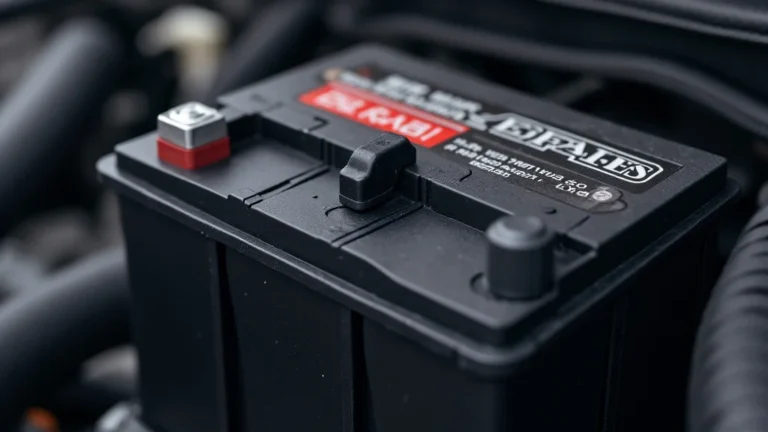
- Visual Inspection: Check the battery for any obvious signs of damage or corrosion. Look for cracks in the case, leaks, or any build-up of white or green residue around the terminals. Corrosion can reduce the battery’s ability to conduct electricity.
- Headlight Test: Try turning on your headlights. If the lights are dim, or if they flicker when you try to start the car, it’s a good indication that the battery is weak. Turn the headlights on for a few minutes before starting the car to help warm up the battery a bit.
- Listen for Clicking: If you hear a rapid clicking sound when you try to start the car, it means there’s not enough power to turn the engine over. This is a common sign of a dead or weak battery.
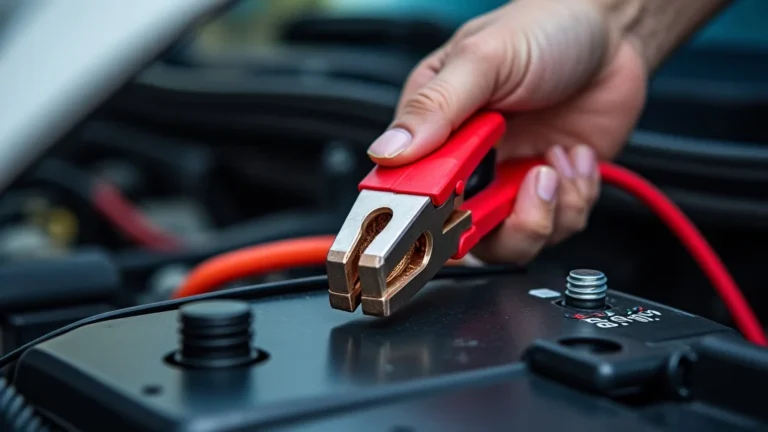
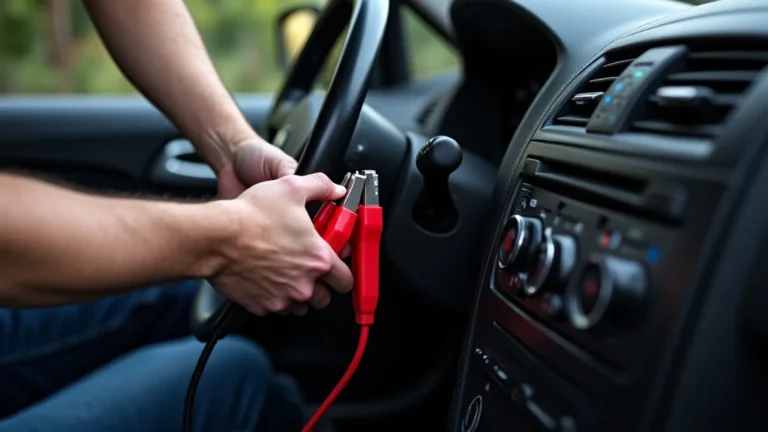
- Jump-Start Attempt: Try jump-starting the car from another vehicle. If the car starts after a jump-start, it strongly suggests your battery is the problem. This is a quick way to confirm whether the battery is the main cause of the issue.
- Check the Terminals: Ensure the battery terminals are clean and tight. Loose or corroded terminals can prevent the battery from delivering its full power. Use a wrench to tighten any loose connections, but don’t over-tighten them.
Professional Battery Testing
If the simple tests aren’t conclusive, or if you want a more accurate assessment, a professional battery test is the best choice. These tests use specialized equipment to measure the battery’s health and ability to hold a charge. This is helpful to get an exact idea of your battery’s health. This can help you figure out if you’ll need a new battery or if a recharge will do the trick.
- Load Test: A load test applies a specific load to the battery and measures its voltage drop under pressure. This test simulates the actual demands of starting the engine and gives a clear indication of the battery’s capacity.
- Voltage Test: The voltage test measures the battery’s voltage when the engine is off and running. This provides insight into the battery’s state of charge and the performance of the charging system.
- Conductance Test: Modern battery testers use conductance tests to measure the battery’s ability to store and release energy. This test is non-invasive and provides quick results.
- Charging System Test: The testing also checks the alternator and other components of the charging system. This helps identify any issues preventing the battery from being fully charged.
- Diagnostic Equipment: Professional testers also help identify parasitic drains, where electrical components continue to draw power when the car is off, slowly depleting the battery over time.
Ways to Improve Cold Weather Battery Performance
There are several things you can do to keep your car starting reliably in cold weather. Some are easy things you can do regularly, while others involve making changes to your car’s setup or taking extra steps during the winter months. These steps are critical if your car battery weak in cold conditions frequently.
Maintenance and Preventive Measures
Preventive maintenance is key to avoid issues in the first place. These steps are relatively easy to do and can significantly improve the performance of your battery in cold conditions. Doing this before cold weather arrives is the best strategy.
- Regular Battery Inspections: Perform regular visual inspections of the battery. Look for corrosion, leaks, or other signs of damage. Keep the terminals clean by removing any corrosion with a wire brush or a specialized terminal cleaner.
- Battery Terminal Cleaning: Regularly clean the battery terminals to remove any corrosion buildup. This ensures a solid connection between the battery and the car’s electrical system.
- Full Battery Charge: Keep your battery fully charged. Use a battery charger if you only drive your car for short distances, as the alternator might not fully recharge the battery.
- Proper Battery Type: Make sure you have the right type of battery for your car. Using a battery with the correct cold-cranking amps (CCA) rating is essential for cold weather starts. Check your car’s owner’s manual to find the right one.
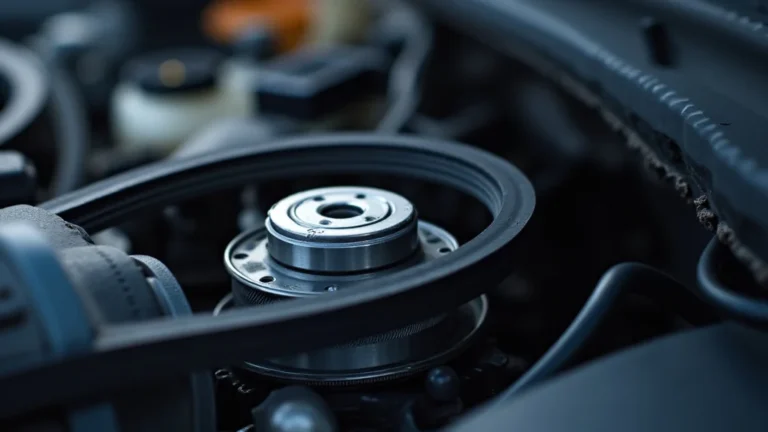
- Check Belts and Hoses: Ensure that the belts and hoses in your engine are in good shape. Weak belts and hoses can put extra stress on the battery and the charging system.
Using Battery Warmers and Accessories
You can use accessories to improve your battery’s performance. There are different types available, each with its own benefits. These accessories are helpful during prolonged periods of freezing temperatures, and they can make a difference when it’s hard to get your car started.
- Battery Warmers: Battery warmers keep the battery at a more stable temperature, preventing the significant power loss that occurs in extreme cold.
- Block Heaters: Block heaters warm up the engine oil, reducing the strain on the battery when starting. This helps the engine crank more easily.
- Battery Maintainers: Battery maintainers are designed to keep your battery fully charged when your car is not in use. This prevents the battery from slowly discharging over time.
- Use of a Battery Charger: Use a battery charger to ensure that your battery is fully charged, especially during cold weather. If you suspect your battery is weak, this can help provide the extra power needed.
- Proper Engine Oil: Use the right type of oil for cold temperatures. Thinner oil flows more easily and reduces the load on the battery.
When to Consider Replacing Your Battery
Knowing when to replace your battery is important, even if you take good care of it. Batteries don’t last forever. Even if you don’t face a car battery weak in cold scenario, you might still need a new one. A battery that has reached the end of its life will fail to work at its best.
Signs of Battery Failure
There are several signs that indicate your car battery needs to be replaced. Recognizing these signs helps you avoid being stranded on a cold day. When the battery is old or damaged, its performance will decline and affect various aspects of the car. These signs can get worse over time and create bigger problems if left unchecked.
- Slow Cranking: If the engine cranks slowly before starting, it’s a sign that the battery is losing its power. This means the battery is unable to deliver the power needed to start the car quickly.
- Frequent Jump-Starts: If you’re frequently needing to jump-start your car, it’s a clear indication that your battery is not holding a charge. This is a warning sign that the battery is no longer reliable.
- Age of the Battery: Car batteries typically last from three to five years. If your battery is older than that, it’s a good idea to have it tested and potentially replaced, even if it seems to be working.
- Swelling or Bulging: A swollen or bulging battery case indicates internal damage. This can be caused by excessive heat, overcharging, or other issues.
- Electrical Issues: If you’re experiencing electrical issues, such as dim headlights or malfunctioning accessories, these may indicate a battery problem. These are signs the battery is not producing enough power.
Choosing the Right Replacement Battery
When you need to replace your battery, choose one that’s right for your car and the driving conditions. Getting the proper battery prevents future issues. You need to consider a few factors, like size and specifications, to ensure that the replacement battery meets your vehicle’s power demands. It’s smart to compare options to find the best fit for your needs.
- Battery Size: Ensure that the replacement battery fits your car’s battery tray. The size of the battery is determined by the group size, which refers to its dimensions. Incorrect size can lead to fit issues and connection problems.
- Cold Cranking Amps (CCA): Choose a battery with the appropriate CCA rating for your climate. Higher CCA ratings are better for cold weather as they provide more starting power. Check your car’s manual for recommended CCA.
- Reserve Capacity (RC): The RC rating tells you how long the battery can provide power if the alternator fails. A higher RC means that you have more time to drive to a service shop.
- Battery Type: Consider different battery types, such as flooded lead-acid, AGM (Absorbent Glass Mat), and gel batteries. AGM batteries are a popular choice due to their superior performance and durability.
- Brand and Warranty: Choose a well-known brand and consider the warranty. A good warranty means the manufacturer stands behind the product and provides coverage in case of a problem.
Battery Comparison Table
Below is a table comparing different battery types, focusing on key features.
| Battery Type | Main Features | Benefits | Drawbacks |
|---|---|---|---|
| Flooded Lead-Acid | Traditional design, liquid electrolyte | Affordable, widely available | Susceptible to spills, requires maintenance |
| AGM (Absorbent Glass Mat) | Fiberglass mat absorbs the electrolyte | Vibration resistant, can be mounted in any orientation | More expensive than flooded lead-acid |
| Gel | Gel-like electrolyte | Vibration resistant, long lifespan | More expensive, sensitive to overcharging |
Frequently Asked Questions
Question: Why is my car battery weak in cold weather?
Answer: Cold temperatures slow down the chemical reactions inside your battery, reducing the power available to start your engine.
Question: How can I tell if my battery is bad?
Answer: Look for slow cranking, frequent jump-starts, dim headlights, or the battery being more than five years old.
Question: What’s the best way to prevent cold weather battery issues?
Answer: Keep your battery clean, fully charged, and consider using a battery warmer or maintainer during cold spells.
Question: How do I choose the right replacement battery?
Answer: Check the group size, CCA rating, and RC rating in your car’s manual and choose a reliable brand.
Question: Should I use a battery warmer?
Answer: Battery warmers are helpful in extremely cold climates to keep your battery from losing power.
Final Thoughts
Dealing with a car battery weak in cold conditions can be a hassle, but it’s a problem most drivers will encounter. The good news is that understanding why it happens is the first step toward a solution. By keeping your battery in top shape through regular maintenance and taking preventive measures, like cleaning terminals and checking the age of your battery, you can significantly reduce the chances of getting stuck on a chilly morning. Remember to check your battery regularly, and don’t delay replacing a battery that’s past its prime. With a little care and preparation, you can keep your car starting reliably all year round. Drive safely!