Car Battery Not Holding Charge: Simple Solutions & Troubleshooting
If you’re dealing with a car battery not holding charge, don’t worry! It’s a common problem for many people. It can be tricky, especially if you’re new to car maintenance. But, finding the cause doesn’t have to be hard. This article will break down the problem step-by-step. Get ready to find out what’s causing your battery issues and how to solve them. Let’s get started!
What Causes a Car Battery to Fail?
A car battery not holding charge can happen for several reasons. Batteries are like tiny power plants for your vehicle, and they have a lifespan. They provide the initial jolt of energy to start your engine and also power various electrical components when the engine isn’t running. Over time, batteries degrade. This can be accelerated by extreme temperatures, lack of use, or simply age. Understanding these factors is key to diagnosing the source of your battery troubles and to avoid finding yourself stranded. Let’s explore the typical suspects.
Battery Age and Condition
One of the main reasons for a car battery failing is its age and overall condition. All batteries have a limited lifespan, typically lasting between three to five years, depending on usage and maintenance. Battery age is usually marked on the battery itself through a sticker, sometimes with a date or a coded system. As a battery ages, the internal components, such as the lead plates and electrolyte, deteriorate. This deterioration reduces the battery’s ability to store and deliver a full charge. Regular checks, like a load test, can help determine the battery’s health. The battery will be unable to hold charge even if a charger is used, due to the old materials breaking down inside of it.
- Lead Plate Sulfation: Over time, lead sulfate crystals can build up on the lead plates inside the battery, a process called sulfation. This buildup reduces the surface area available for the chemical reactions that generate electricity, effectively reducing the battery’s capacity to hold a charge. This process is more prominent when the battery is frequently discharged or left in a discharged state. Sulfation can often be reversed if caught early, using specialized chargers.
- Internal Short Circuits: Over time, the materials inside a battery can degrade, causing internal short circuits. This occurs when the positive and negative plates come into contact. It effectively drains the battery, preventing it from holding a charge. This is a common failure mode in older batteries and those subjected to physical stress or extreme temperatures. Internal shorts often result in rapid battery discharge and reduced performance.
- Electrolyte Degradation: The electrolyte, usually a mixture of sulfuric acid and water, is crucial for the chemical reactions within the battery. Over time, the electrolyte can become contaminated or the sulfuric acid can break down. This reduces its conductivity and the battery’s ability to store and release energy. This degradation can accelerate in high heat or through constant use.
Parasitic Drain and Electrical Problems
Another common cause of a car battery not holding charge is a parasitic drain or electrical problem. This means something in your car is drawing power even when the engine is off. This can slowly drain the battery overnight or over a few days, leaving you with a dead battery. Parasitic drains can come from various sources like faulty lights, a malfunctioning stereo, or electrical components that remain active after the car is turned off. Electrical problems often require a systematic approach to identify the source of the drain. This can include using a multimeter to measure current draw and disconnecting circuits one at a time to isolate the problem.
- Faulty Lights: One common culprit is a light left on, either inside the car or, more frequently, the headlights or trunk light. These lights, if left on, can drain a battery overnight. Make it a habit to double-check all lights when you leave the car. In some cases, a faulty switch can cause lights to stay on even when they appear off. This can be resolved with a simple replacement of a switch or by checking the wiring.
- Stereo or Accessories: Aftermarket stereos, amplifiers, or other accessories that aren’t properly installed can sometimes draw power even when the car is off. This is a significant drain on your car’s battery. Ensure that these accessories are wired correctly and have a proper power-off mechanism to prevent draining. Check your stereo’s manual for proper installation guidelines or have a professional install it.
- Computer Modules: Modern cars have numerous computer modules that manage everything from the engine to the locks. These modules typically consume a small amount of power when the car is off. However, a malfunctioning module can draw more current than it should, draining the battery. If you suspect a module is the issue, professional diagnostics may be required to pinpoint the fault.
Charging System Issues
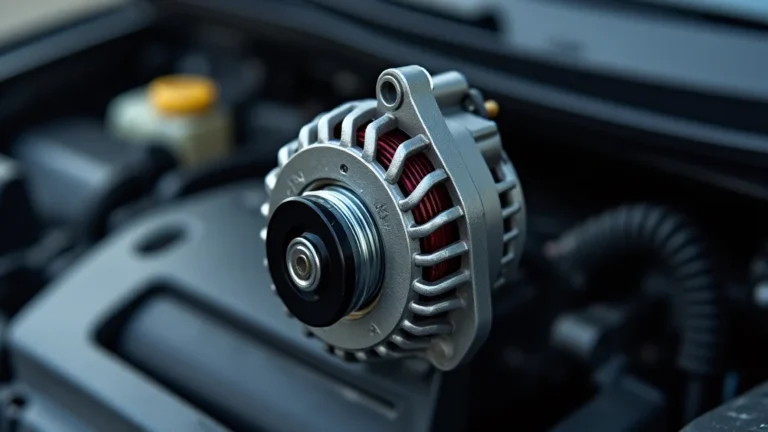
Even if the battery itself is in good shape, a problem with the charging system can cause it not to hold a charge. The charging system, primarily composed of the alternator, is responsible for keeping the battery charged while the engine is running. If the alternator isn’t working properly, the battery will eventually drain. There are several indicators that might point to a problem in your charging system, so it is important to find the cause. If the battery is constantly running down, the charging system is the next stop to look into.
- Faulty Alternator: The alternator generates electricity to power the car’s electrical systems and recharge the battery. If the alternator is failing, it may not produce enough voltage to charge the battery. Symptoms of a failing alternator include dim headlights, flickering interior lights, and a battery warning light on the dashboard. Testing the alternator with a voltmeter can confirm if it’s producing the required voltage.
- Loose or Corroded Connections: Loose or corroded connections in the charging system can interrupt the flow of electricity, preventing the battery from charging effectively. Check the battery terminals, alternator connections, and other wiring for corrosion or looseness. Cleaning corroded terminals or tightening loose connections can often resolve the problem. This is also a cheap fix.
- Drive Belt Issues: The drive belt connects the engine to the alternator, allowing the engine’s power to spin the alternator and generate electricity. If the belt is worn, loose, or broken, the alternator won’t function correctly, and the battery won’t charge. Inspect the belt for cracks or wear. A slipping belt can also affect the charging process.
Troubleshooting a Car Battery Not Holding Charge
If your car battery isn’t holding a charge, it’s time to troubleshoot. The troubleshooting process involves a series of steps to identify the problem. You’ll need some basic tools, such as a multimeter and a battery charger, but the process is not complicated. A systematic approach is most effective. Begin with the simplest checks and work your way through more complex tests. The goal is to pinpoint the cause of the battery failure.
Visual Inspection and Basic Checks
Before you get into detailed testing, start with a visual inspection. This can often reveal obvious problems that are easily fixed. Visual inspection can sometimes be enough to fix the problem without the need for expensive repairs. Inspecting these few items can save time and money. Here’s where to look, what to look for, and what to do if you find something.
- Battery Terminals: Check the battery terminals for corrosion, which appears as a white or greenish substance. Corrosion can prevent the battery from properly connecting to the car’s electrical system, hindering charging and discharging. Clean the terminals with a wire brush or a baking soda and water solution. Ensure the terminals are tightly connected to the battery posts. If the terminals are severely damaged or corroded, replace them.
- Battery Case: Inspect the battery case for any signs of damage, such as cracks or swelling. A cracked battery case can lead to electrolyte leakage, which can cause the battery to discharge rapidly and can also be dangerous. If you see signs of damage, replace the battery immediately. A swollen battery indicates internal issues and should also be replaced.
- Battery Cables: Check the battery cables for any signs of fraying, damage, or loose connections. Damaged cables can restrict the flow of electricity, which is similar to what can happen with the terminals. Ensure the cables are securely connected to both the battery and the engine. Replace any damaged cables immediately to avoid starting problems and ensure proper operation.
Battery Load Testing
A battery load test is a critical step in determining the health of your car battery. This test simulates the load the battery experiences when starting the engine and reveals its ability to deliver power. This helps you figure out if the battery is capable of holding the required charge. Load testing is often done by a mechanic or auto parts store, but you can also purchase a battery tester for home use. The results of the load test can indicate whether the battery needs to be replaced or if the charging system is causing the problem.
- Prep Work: Before the test, make sure the battery is fully charged. If the battery is not fully charged, the results of the load test won’t be accurate. You can charge the battery using a battery charger. Remove the battery terminals to be cleaned of corrosion for a better test.
- Perform the Test: Connect the battery tester to the battery terminals, following the tester’s instructions. The tester will apply a load to the battery and measure its voltage under load. The test results will indicate the battery’s health, typically showing whether the battery is in good condition, needs to be charged, or needs to be replaced.
- Interpret the Results: The tester provides a result, which is usually a pass or fail. A “pass” indicates the battery is in good condition. A “fail” result means the battery can’t deliver the required power and needs replacement. If the battery passes the load test, but you’re still having charging issues, the problem likely lies elsewhere.
Checking for Parasitic Drain
To check for a parasitic drain, you’ll need a multimeter and a systematic approach. A parasitic drain is an electrical current that’s flowing when the car is off. This current drains the battery over time. Finding and fixing a parasitic drain can save your battery from dying and prevent other electrical problems. This process requires some patience and careful measurement to pinpoint the source of the drain. The following steps will guide you through this process.
- Prepare the Car: Turn off all electrical devices in your car and close the doors. Let the car sit for about 10-15 minutes to allow all the onboard computers to enter sleep mode. This ensures that the only current draw is the parasitic drain you are trying to measure. This ensures your readings are accurate, and your testing is effective.
- Set Up the Multimeter: Set your multimeter to measure DC current (amps). Disconnect the negative battery cable. Place one probe of the multimeter on the negative battery post and the other probe on the negative battery cable. This completes the circuit and allows the multimeter to measure the current flowing from the battery.
- Read the Measurement: The multimeter will display the current draw. A normal parasitic drain is typically less than 50 milliamps (0.05 amps). Anything higher suggests a parasitic drain. If you’re getting a reading higher than 0.05 amps, the car might have a drain. Be careful to not short the battery while conducting this test.
Charging System Diagnostics
Diagnosing issues with your charging system involves checking the voltage output of the alternator and ensuring that the battery is receiving sufficient charge. A properly functioning charging system keeps your battery charged while the engine is running. Use a multimeter to perform these tests. This can help you confirm the charging system is working as it should. If you find any issues during these tests, it could indicate a need for a new alternator or repairs to other parts of the charging system.
- Voltage at the Battery (Engine Off): Measure the voltage across the battery terminals when the engine is off. A healthy battery should read around 12.6 volts. This indicates the battery is fully charged. Lower voltage suggests the battery isn’t holding a charge.
- Voltage at the Battery (Engine Running): Start the engine and measure the voltage across the battery terminals again. The voltage should now be between 13.5 and 14.5 volts. This indicates the alternator is charging the battery correctly. A lower voltage suggests the alternator is not charging properly.
- Alternator Output Test: Run the engine and turn on several electrical devices, such as the headlights and the air conditioner. The voltage should remain above 13 volts. If the voltage drops significantly, it suggests the alternator is not producing enough power to support the electrical demands of the car. If the readings are unstable, your alternator may be experiencing issues.
Example: Let’s say your battery voltage reads 12.0 volts with the engine off, and 12.5 volts with the engine running. This indicates the alternator is not charging the battery. The alternator needs to be replaced.
Choosing a Replacement Battery
When the time comes to replace your car battery, picking the right one is key to ensuring that it holds a charge and powers your vehicle reliably. Car batteries come in various sizes, types, and power ratings, each designed for different vehicle models and driving conditions. Choosing the right battery involves considering several factors, including the battery group size, cold-cranking amps (CCA) rating, and maintenance requirements. By understanding these factors, you can make an informed choice. This section will guide you through the battery selection process, ensuring you find a battery that meets your vehicle’s needs.
Battery Group Size and Fit
The battery group size is a standardized code that specifies the dimensions and terminal configuration of a car battery. This is an important consideration to make sure your new battery fits properly into the battery tray. Every vehicle has a specific battery group size recommended by the manufacturer. Using the wrong size can lead to fitment issues, making it difficult or impossible to install the battery securely. Refer to your vehicle’s owner’s manual or a battery reference guide to find the correct group size for your car. Replacing the battery is an important task for keeping your vehicle in good working order.
- Consult the Owner’s Manual: The vehicle’s owner’s manual lists the correct battery group size. This is usually the easiest way to identify the battery you need. It also provides important information about replacement procedures and maintenance requirements. The manual also outlines the recommended CCA ratings for different climates or driving conditions.
- Check the Battery Tray: If the owner’s manual isn’t available, you can still check the existing battery’s dimensions and terminal placement. Measure the length, width, and height of the current battery to match. Also, note the orientation of the terminals and the location of any hold-down clamps or brackets. This information is key to finding a replacement that fits seamlessly into your vehicle.
- Use a Battery Fitment Guide: Automotive parts stores provide battery fitment guides. You can input your vehicle’s make, model, and year to find compatible battery options. These guides can save you time and ensure you choose a battery that fits and functions correctly. The guide will display which batteries can be used in your specific vehicle.
Cold Cranking Amps (CCA)
The Cold Cranking Amps (CCA) rating is a critical specification when choosing a car battery. The CCA rating indicates the battery’s ability to start an engine in cold temperatures. This is important because cold weather increases the engine’s resistance, making it harder to start. The CCA rating is measured by the number of amps a battery can deliver at 0 degrees Fahrenheit for 30 seconds. Higher CCA ratings are always better, especially for vehicles that start in cold climates. Always ensure the replacement battery meets or exceeds the CCA rating of the original battery.
Based on a study by the AAA, vehicles in cold climates require batteries with a higher CCA. A higher CCA rating ensures reliable starting performance in cold weather.
- Climate Considerations: If you live in a climate with cold winters, choose a battery with a higher CCA rating. This will provide more power to start your engine in freezing temperatures. In warmer climates, a slightly lower CCA rating may be sufficient, but it’s always better to err on the side of caution. If you are not in a cold climate, a lower CCA rating can be sufficient.
- Vehicle Needs: Consider your vehicle’s engine size and type. Larger engines and diesel engines typically require batteries with higher CCA ratings. A larger engine requires more power to start. Check your vehicle’s manual for recommended CCA ratings. Using a battery with an inadequate CCA rating could lead to starting problems, especially in cold weather.
- Battery Technology: Different battery technologies, such as AGM and flooded lead-acid batteries, can have varying CCA ratings. AGM batteries often provide higher CCA ratings than traditional flooded batteries. AGM batteries also have the advantage of being sealed and maintenance-free. Choosing the correct technology type is essential for both performance and longevity.
Maintenance-Free vs. Maintenance-Required Batteries
Car batteries come in two main types: maintenance-free and maintenance-required. Maintenance-free batteries are designed to operate without the need for regular maintenance, making them convenient for vehicle owners. Maintenance-required batteries, on the other hand, require periodic checks and maintenance to ensure optimal performance. The choice between these two types depends on your preferences and how much effort you want to put into battery care. Understanding the differences will help you choose the best battery for your needs.
- Maintenance-Free Batteries: These batteries are sealed, and they do not require you to add water. They are the more popular choice due to their convenience and the limited maintenance they need. They are ready to install and use. Maintenance-free batteries are a good option for people who prefer a hassle-free experience.
- Maintenance-Required Batteries: These batteries have removable caps and require periodic checks of the electrolyte level. This may require the addition of distilled water to keep the battery functioning properly. This requires more maintenance and regular checkups. Maintenance-required batteries may be preferred by people who want to keep an eye on their battery’s health.
- AGM Batteries: AGM batteries are a type of maintenance-free battery. They use absorbent glass mat separators, which absorb the electrolyte. This design makes them spill-proof and provides enhanced performance. AGM batteries have a long life and provide enhanced performance for various applications. They’re a good choice for cars with start-stop systems or a lot of electronics.
Frequently Asked Questions
Question: Why does my car battery drain overnight?
Answer: The most common reasons are parasitic drains, like a light left on or a faulty electrical component, or the battery itself is old and can no longer hold a charge.
Question: How can I tell if my alternator is bad?
Answer: Dim headlights, flickering interior lights, and a battery warning light on the dashboard are common signs. You can also test the voltage at the battery while the engine is running.
Question: Can I jump-start a car with a dead battery?
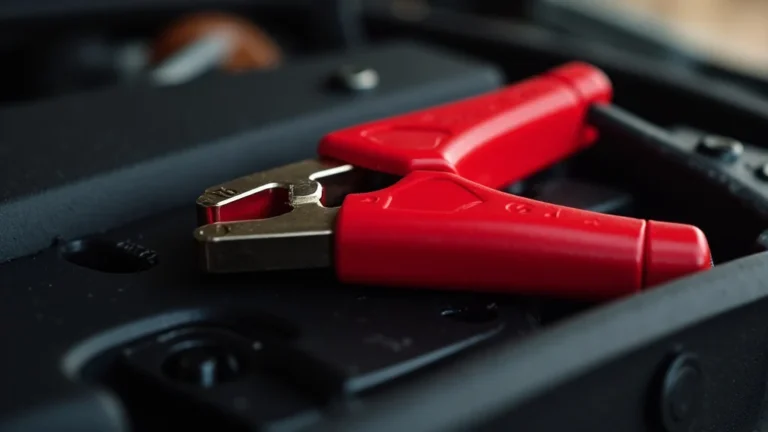
Answer: Yes, you can. Use jumper cables to connect the positive terminals and then the negative terminals. Then, start the running car and let it run for a few minutes before trying to start the car with the dead battery.
Question: How often should I replace my car battery?
Answer: Typically, car batteries last 3-5 years. However, this depends on usage, climate, and maintenance. Regular testing can help you determine when it’s time for a replacement.
Question: Can extreme temperatures affect a car battery?
Answer: Yes, both hot and cold temperatures can affect a car battery. Extreme heat can lead to accelerated battery corrosion, while cold weather reduces the battery’s performance and makes it harder to start the engine.
Final Thoughts
Dealing with a car battery not holding charge can be frustrating, but by following these steps, you can tackle the problem. Remember that a failing battery could result from factors like age, parasitic drains, or problems with the charging system. Start by visually inspecting your battery and checking the terminals for corrosion. Load testing and checking for parasitic drains will help determine if the battery is faulty. If these quick fixes don’t work, consider testing your alternator to ensure it is charging your battery properly. When it’s time for a