Car Battery Troubleshooting: When Your Car Won’t Start
Having a car battery not charging can be a frustrating experience, especially when you’re just starting to drive. It’s a common issue that even experienced drivers face. There are many reasons why your car won’t start, and it might seem complicated at first. But don’t worry! We’ll explore the common problems and give you simple, step-by-step solutions to get you back on the road. Let’s find out how to fix your dead battery problem.
Signs Your Car Battery Is Failing to Charge
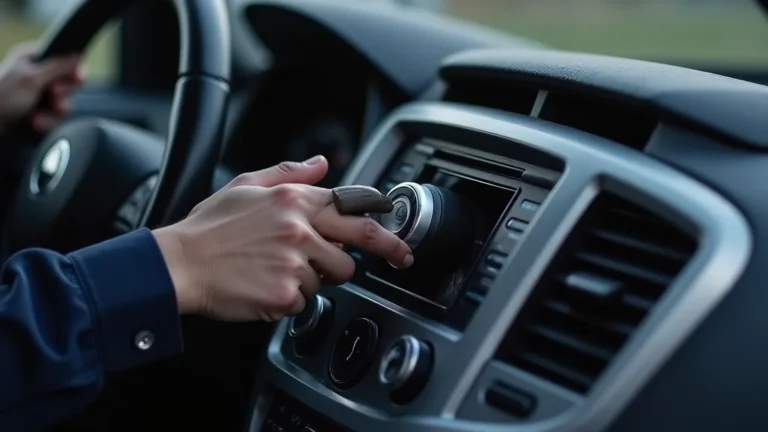
One of the first signs of a battery problem is a slow engine start. The engine will crank slowly, making a weaker sound than usual. Other indicators include dim headlights, especially when the engine is running. Warning lights on your dashboard, like the battery symbol, can also point to charging issues. The radio might cut out or have static, and power windows might move slowly. A completely dead battery, unable to start the car, is the most obvious sign. All of these point to issues with charging or the battery’s health.
Battery Indicator Light Problems
The battery indicator light, often shaped like a small battery, is a critical warning signal. When you turn on your car, it should briefly light up, then turn off once the engine starts. If this light stays on while you’re driving, it means your car’s charging system isn’t working correctly. This could be due to a faulty alternator, a bad connection, or other problems that stop the battery from charging. Ignoring this light could lead to a breakdown, so it’s important to address the problem quickly to protect your vehicle and safety.
- Alternator Failure: The alternator generates electricity to power the car’s electrical systems and recharge the battery while driving. If the alternator fails, the battery won’t get recharged, and the warning light will stay on. The alternator can be tested at a mechanic.
- Loose or Corroded Connections: Loose or corroded wires at the battery terminals or within the charging system can disrupt the flow of electricity. This problem stops the battery from getting a charge. Cleaning the terminals and checking all connections is essential.
- Battery Issues: Even if the alternator is working, the battery itself might be the problem. Old batteries or those damaged internally can’t hold a charge, and the light may come on. A battery load test can confirm this.
- Faulty Wiring: Damaged or broken wires in the charging system can create electrical problems. These issues stop the battery from charging. Finding and fixing these wiring problems requires care.
- Blown Fuses: Fuses protect the electrical system from overloads. A blown fuse in the charging circuit will prevent the battery from charging, and the light may come on. Locating and replacing the correct fuse is crucial.
Headlight and Electrical System Weaknesses
Dim headlights are a telltale sign of a weak car battery or charging issue. When the engine is running, the lights should be bright. If they flicker or dim, it means the battery isn’t getting enough power. This can be most noticeable at idle or when using other electrical components, like the air conditioner or radio. Other electrical problems, like slow power windows or a struggling radio, can also occur. All these issues together suggest problems with the electrical charging system.
- Slow Power Windows: When the battery is low or not charging properly, the power windows often move slowly or stop altogether. This happens because the electrical system isn’t providing the power needed for these functions.
- Weak Horn Sound: A weak or distorted horn is another indicator of a low battery. The horn uses a lot of power, and a weak battery cannot supply it. A fully charged battery will produce a strong, clear sound.
- Erratic Radio Behavior: Radios might cut out, lose stations, or have static when the battery or charging system has issues. This is because the radio requires a consistent power supply to function correctly.
- Dashboard Light Flickering: Lights on the dashboard, such as the brake light or check engine light, might flicker or dim if the charging system is failing. This erratic behavior indicates an unstable power supply.
- Reduced Interior Lighting: Interior lights, like dome lights and reading lights, might be dim or turn off quickly when the engine is not running, or even while driving. This is because the lights drain power from the battery when it’s not being charged.
Common Causes of a Car Battery Not Charging
Understanding the reasons behind a car battery not charging helps in fixing the problem. Several things can prevent a battery from receiving a charge. This includes a failing alternator, which is the main device responsible for charging the battery while the car is running. Battery problems, such as age or internal damage, also prevent it from holding a charge. Electrical issues, such as faulty wiring or loose connections, can disrupt the charging current. Addressing these causes directly can ensure your car’s battery remains charged, keeping your vehicle running smoothly.
Alternator Problems and Solutions
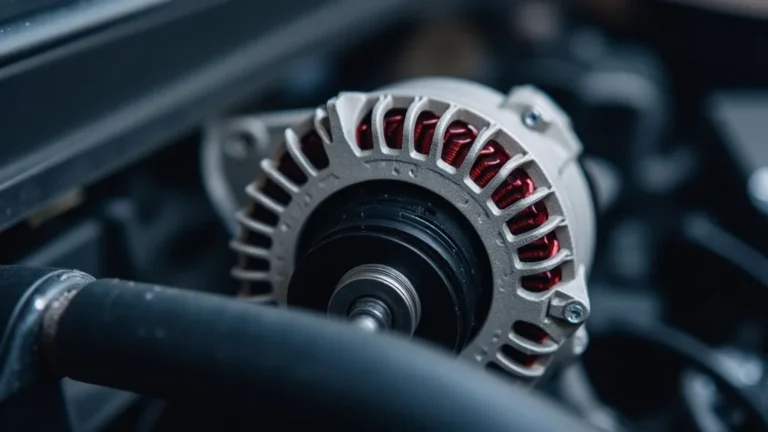
The alternator is the car’s power generator, converting mechanical energy into electrical energy. It recharges the battery and powers the car’s electrical components. When the alternator fails, the battery won’t charge, and the car’s electrical systems can fail. Common signs of an alternator problem include a battery warning light on the dashboard, dimming lights, and difficulty starting the car. Testing the alternator with a multimeter is essential to confirm any damage. Replacing a failing alternator is usually required to solve the battery’s charging issue.
- Worn Alternator Brushes: The alternator has brushes that make contact with the spinning rotor. These wear down over time, reducing the alternator’s ability to generate electricity. Replacement is often a solution.
- Faulty Diodes: Diodes are electrical components that convert AC to DC current within the alternator. If they fail, the alternator won’t charge the battery effectively, causing charging problems.
- Damaged Rotor or Stator: The rotor and stator are essential parts of the alternator that generate electricity through magnetic fields. Damage to these components results in a charging problem, and sometimes a complete replacement.
- Loose or Slipping Belt: The serpentine belt drives the alternator. If the belt is loose, it won’t spin the alternator fast enough. This stops the charging process. Ensuring the belt is tight and in good condition is vital.
- Overheating: Alternators can overheat, causing their components to fail. Overheating often happens because of a bad cooling system or heavy electrical use. This stops the battery from charging correctly.
Battery Issues and Troubleshooting
Sometimes, a car battery won’t charge simply because of the battery itself. Batteries have a limited lifespan. Over time, they lose their ability to hold a charge. Internal damage, such as plate sulfation, can also prevent a battery from accepting a charge. Using a battery tester is a way to determine the battery’s state of health and its ability to hold a charge. In many cases, replacing the battery will resolve the no-charging problem.
- Sulfation: Sulfation occurs when lead sulfate crystals build up on the battery plates. This build-up prevents the battery from accepting and holding a charge. Regular charging and maintenance can help avoid this.
- Internal Shorts: Internal shorts can occur within the battery when the plates touch each other. This causes the battery to discharge rapidly and stop charging. Battery testing can expose this issue.
- Age and Wear: Batteries age over time and lose their capacity to hold a charge. Their performance fades as they age, and eventually they fail completely. Regular battery replacement is a practical approach.
- Physical Damage: Physical damage, such as cracks in the battery case or damaged terminals, can cause charging problems. This damage can let acid leak out or disrupt electrical connections.
- Improper Use: Repeatedly draining the battery completely can shorten its lifespan. Also, extreme temperatures can affect battery performance, reducing its ability to charge properly.
Charging System Issues and Fixes
Problems with the charging system often prevent a car battery not charging. The charging system includes the alternator, battery, and connecting wires. Any issue with these parts can prevent proper charging. Troubleshooting usually involves checking electrical connections for corrosion, testing the alternator output, and inspecting the battery’s condition. Repairing or replacing faulty parts quickly resolves many charging problems, thus keeping your car running.
Checking and Repairing Electrical Connections
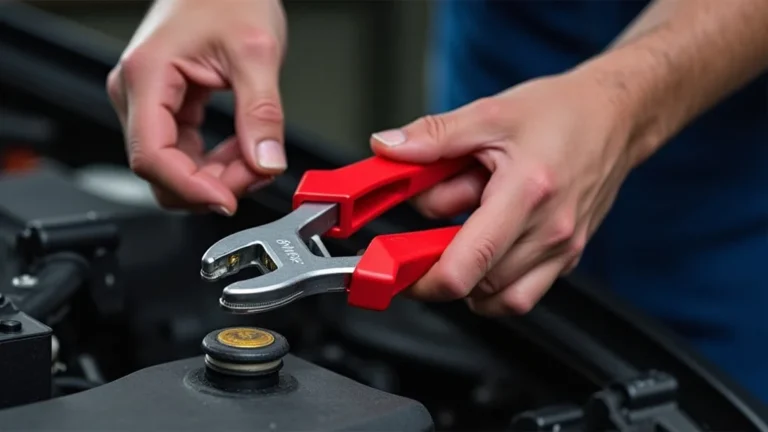
Loose or corroded electrical connections are a common cause of charging problems. The charging system relies on strong connections between the battery, alternator, and other electrical components. Corrosion, especially on the battery terminals, can prevent the proper flow of electricity, blocking the charging process. Regular inspection of these connections and cleaning them with a wire brush or cleaning solution is crucial for ensuring the proper flow of electrical current.
- Battery Terminals: Battery terminals often corrode over time, preventing good electrical contact. Cleaning the terminals with a wire brush or a baking soda and water solution is essential for good connections.
- Alternator Connections: Check the connections at the alternator, including the main power wire and any smaller connectors. Make sure these are securely connected and free from corrosion to ensure optimal charging.
- Grounding Wires: Ground wires connect the electrical components to the car’s frame. Ensuring these wires are well-connected and free from corrosion guarantees proper electrical flow and effective charging.
- Wiring Harnesses: Inspect the wiring harnesses for damage or wear. Damaged wires or connectors can disrupt the charging process and lead to problems with the charging.
- Fuses and Relays: Check the fuses and relays in the charging circuit. A blown fuse or faulty relay can interrupt the charging path. Replace any blown fuses to restore charging ability.
Testing the Alternator and Battery
Testing the alternator and battery helps identify the cause of charging issues. Use a multimeter to measure the battery voltage when the engine is off and running. You can test the alternator’s voltage output. If the alternator is working, it should produce a voltage higher than the battery voltage when the engine is running. Testing the battery with a load tester is also a good idea. This tells if it can hold a charge. These tests help determine if the battery or alternator are at fault.
- Voltage Testing: Use a multimeter to check the battery voltage while the car is off. It should read around 12.6 volts. When the engine is running, the voltage should be between 13.7 and 14.7 volts, indicating that the alternator is charging the battery.
- Alternator Output Test: With the engine running, use a multimeter to measure the voltage at the alternator output terminal. The voltage should be within the range of 13.7 to 14.7 volts. Low voltage might mean an alternator issue.
- Battery Load Test: A load test simulates the high demand of starting an engine. This test indicates if the battery can hold a charge under stress. A battery unable to pass this test likely needs replacing.
- Checking for Parasitic Drain: A parasitic drain happens when electrical components draw power when the car is off. This can drain the battery. Use a multimeter to measure the current draw from the battery with the car off.
- Visual Inspection: A visual check of the battery and alternator can also find problems. Look for corrosion, loose connections, or physical damage. Always disconnect the negative battery cable before working on electrical components.
| Problem | Symptom | Possible Cause | Solution |
|---|---|---|---|
| No Charge | Battery won’t start car, light on | Alternator failure, bad connections | Test and replace alternator |
| Slow Cranking | Weak engine start | Weak battery, sulfation | Replace or recharge the battery |
| Dim Lights | Flickering headlights | Alternator output | Test the alternator, inspect for bad wires |
| Battery Draining | Battery dies overnight | Parasitic drain | Locate and fix the source of the drain |
| Warning Light | Battery symbol on dashboard | Charging system fault | Check alternator, battery and connections |
Steps for Troubleshooting and Repair
When you’re dealing with a car battery not charging problem, taking a systematic approach is important. Begin by checking the battery itself, including the terminals and connections. A visual check often reveals obvious issues. Next, test the battery’s voltage and assess the alternator’s output. Further investigation might include checking for blown fuses, damaged wiring, or other electrical issues. These steps help pinpoint the exact cause of the problem, allowing for efficient repairs and ensuring your car charges correctly.
Battery Inspection and Basic Checks
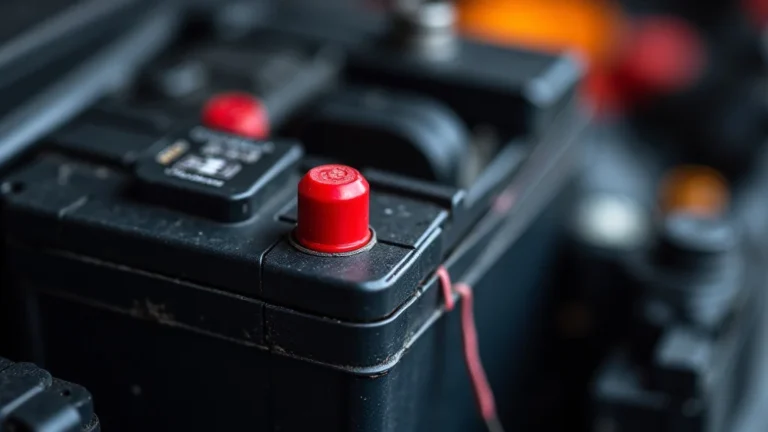
A basic inspection is the first step when dealing with a car battery problem. Start by examining the battery terminals for corrosion or damage. Look for any signs of physical damage, like cracks or swelling. Then, test the battery’s voltage with a multimeter. This shows the battery’s charge level. These simple steps give you a general idea of the battery’s condition and help determine if further testing is needed to fix the charging issue.
- Check Battery Terminals: Look for corrosion (white, powdery build-up) on the terminals. This prevents good electrical contact. Clean the terminals with a wire brush and a mixture of baking soda and water to remove any buildup and improve the connection.
- Inspect Battery Case: Examine the battery case for cracks or bulges. These issues indicate the battery might be damaged, causing it to leak or fail to hold a charge. Replace a damaged battery.
- Check Battery Voltage: Use a multimeter to measure the battery voltage when the engine is off. A healthy battery should read around 12.6 volts. Lower voltage could point to a discharged or failing battery.
- Examine Battery Cables: Look at the battery cables for any damage or loose connections. A loose or damaged cable can disrupt the flow of current. Make sure the cables are properly attached and in good condition.
- Check Battery Age: Batteries have a lifespan of typically 3–5 years. If your battery is older than this, consider replacing it, even if it passes initial tests. Older batteries are prone to failure.
Alternator Testing and Diagnosis
If the battery tests okay, move on to testing the alternator. A failing alternator is a common cause of charging problems. Use a multimeter to test the voltage output of the alternator while the engine is running. The voltage should be higher than the battery voltage, indicating that the alternator is charging. Checking the alternator belt for proper tension and checking for loose wiring can help reveal the issues. Further diagnosis might require more advanced tests.
- Voltage Output Test: Start the engine and set your multimeter to DC voltage. Place the probes on the battery terminals. The reading should be between 13.7 and 14.7 volts, indicating a functional alternator.
- Alternator Belt Inspection: Check the alternator belt for wear, cracks, or slippage. A loose or damaged belt can stop the alternator from turning, and it might not charge the battery correctly. Replace the belt as needed.
- Diode Test: Some multimeters have a diode test setting. Use this to test the alternator diodes. Faulty diodes can prevent the alternator from charging the battery effectively.
- AC Voltage Test: Measure AC voltage at the battery terminals with the engine running. Excessive AC voltage indicates a problem with the alternator diodes. Replace the alternator if the voltage is too high.
- Professional Inspection: If the initial tests do not find the issue, you may want a professional to examine the alternator. This can involve more detailed tests, such as checking the rotor, stator, and regulator.
Frequently Asked Questions
Question: Why is my car battery not charging even though the car starts?
Answer: Even if the car starts, the alternator may not be charging the battery correctly. This can happen due to a failing alternator, loose connections, or a bad regulator within the alternator. Have your charging system checked by a professional to fix the issue.
Question: What causes the car battery to drain overnight?
Answer: A car battery can drain overnight because of a parasitic drain. This occurs when an electrical component continues to draw power from the battery even when the car is off. This issue needs careful troubleshooting to find and eliminate the current drain.
Question: How long does it take to charge a car battery with a charger?
Answer: The charging time depends on the charger’s output and the battery’s condition. A slow charger might take 8–12 hours, while a fast charger can complete the process in 1–3 hours. Read the charger’s instructions for the correct charging rate.
Question: Can jump-starting a car damage the electrical system?
Answer: Yes, improper jump-starting can damage the electrical system. Incorrect connections, such as connecting the jumper cables in the wrong order, can cause sparks and damage sensitive electronic components. Always follow the jump-starting steps carefully.
Question: What does a clicking sound when the car tries to start mean?
Answer: A clicking sound when the car tries to start usually suggests a low battery or a problem with the starter motor. If the battery is very low, the starter doesn’t receive enough power to turn the engine. If the starter itself is the problem, it might click without engaging.
Final Thoughts
Having a car battery not charging can disrupt your daily routine, but fixing it doesn’t have to be complicated. Start by checking for simple issues like loose connections or corrosion. Then move to the alternator and test its ability to charge the battery. Remember to test the battery itself to ensure it can hold a charge. Careful troubleshooting, like testing the voltage of the battery and alternator, usually helps you find the problem and get your car running. Keep in mind that replacing parts, like the battery or alternator, may be necessary. By following these steps and paying attention to warning signs, you can prevent future issues and keep your car reliable.