Winter’s Chill: Preventing Car Battery Freezing Challenges
If you’re new to driving or live where it gets really cold, you might worry about your car battery freezing in winter. It’s a common problem, but don’t panic! Cold weather makes it harder for your battery to work. This means your car might not start. But, there’s good news! We’ll explore some easy steps to help your car start every time. Let’s look at how cold temperatures affect car batteries and how to keep yours running smoothly when it’s freezing outside.
Why Car Batteries Struggle in the Cold
The colder it gets, the harder it is for your car battery to do its job. Batteries work by chemical reactions. These reactions create electricity to start your engine and power your car’s electronics. The cold slows these reactions way down, making it harder for the battery to produce enough power. This is similar to how you move slower in cold weather compared to warm weather. Another factor is the increased demand on the battery during winter. Things like the heater, heated seats, and defrosters put extra strain on the battery. All these factors together can lead to a flat battery on a frosty morning. Knowing why it happens is the first step toward preventing it.
How Cold Weather Impacts Batteries
Cold temperatures directly affect the chemical processes inside your car’s battery. These processes are what generate the electrical current that starts your engine. The battery’s ability to produce electricity is significantly reduced when it gets very cold. A fully charged battery might only have about half its power at freezing temperatures, and even less at sub-zero conditions. The colder the temperature, the slower the chemical reactions, the less power is available to start the car. This means your battery will struggle to crank the engine, and you might get stranded.
- Reduced Chemical Reactions: The chemical reactions within the battery slow down. This means less power is produced, and it takes longer to generate the electricity your car needs. This is very like trying to run on the beach compared to running on a smooth track.
- Increased Internal Resistance: Cold temperatures increase the internal resistance of the battery. Resistance is the opposition to the flow of electricity. This reduces the battery’s ability to deliver current when you need it, which can cause starting problems.
- Thickening of Electrolyte: The electrolyte solution inside the battery can become thicker and less conductive in the cold. The electrolyte is key to the movement of ions which helps to create electricity. This impacts the battery’s efficiency.
- Impact on Engine Oil: Cold oil thickens, making it harder for the engine to crank over. This puts extra strain on the already struggling battery. The engine needs a little help from the battery to start in the first place, and the cold can make it harder.
The Role of Battery Capacity
Your car battery’s capacity is its ability to store and deliver electrical energy. This capacity is measured in Cold Cranking Amps (CCA). This is the power your battery can deliver at 0°F (-18°C) for 30 seconds. A higher CCA rating means the battery can handle colder temperatures better. The CCA rating is a crucial factor to consider when choosing a battery, especially if you live in a cold climate. Always check this rating when you buy a replacement battery. The higher the CCA, the less likely you’ll get stuck in the cold.
- Understanding CCA: Cold Cranking Amps (CCA) is the standard measurement. A battery with a higher CCA will have more reserve power for starting the car in cold weather. Always pick a battery with a CCA rating that matches or exceeds your vehicle’s recommended CCA for optimal performance.
- Reserve Capacity: Reserve capacity, measured in minutes, indicates how long the battery can provide a certain amount of power if the charging system fails. It’s the battery’s ability to keep the engine running when the alternator is not working.
- Battery Age: As a battery ages, its capacity decreases. Even if it initially had a high CCA, the cold can bring out any weaknesses. Regular testing can help you know when it’s time for a new battery before you get caught by the weather.
- Proper Battery Size: Using the correct size battery for your car is also very important. A battery that is too small might not have enough capacity to handle the demands of cold weather starting. Using the car’s manual is key to picking the right battery.
Taking Care of Your Battery This Winter
There are many things you can do to keep your car battery running smoothly during the cold months. Some steps are easy, like making sure your battery terminals are clean. Others may require a bit more effort, like testing your battery. However, each of these actions can help you avoid a dead battery. By implementing these suggestions, you’ll be well-prepared to deal with cold weather. Let’s look at simple ways to protect your battery and prevent issues.
Battery Inspection and Maintenance
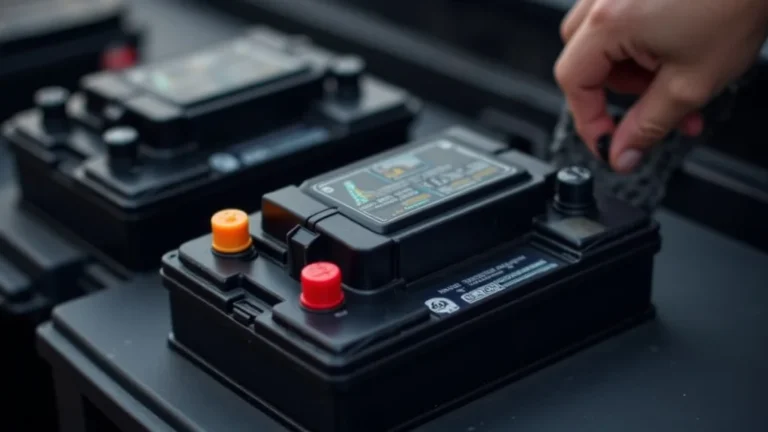
Regular battery inspections can prevent a lot of cold-weather problems. Inspecting your battery for corrosion, checking the battery terminals, and making sure the battery is held down are great habits to form. Cleaning the terminals and ensuring your battery is securely mounted in its tray are straightforward. They make a big difference in the reliability of your car. These simple steps can make sure your battery is in top condition before winter arrives. These steps are inexpensive and can be done at home.
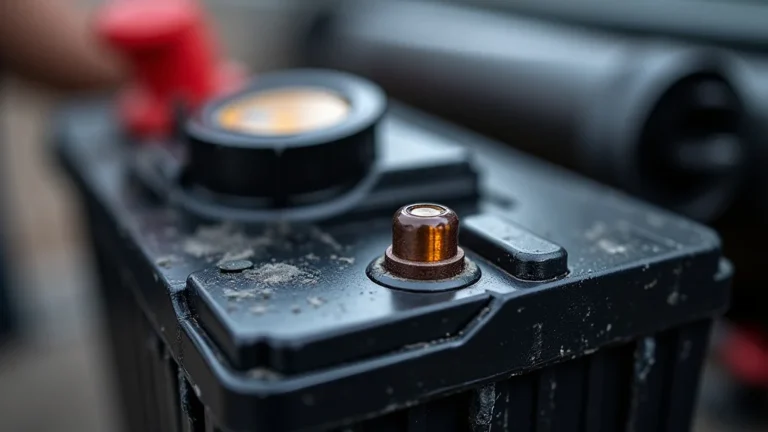
- Inspect Battery Terminals: Look for corrosion (a white or green buildup) on the battery terminals. Clean any corrosion off with a mixture of baking soda and water. This will help the battery connect properly to the car’s electrical system.
- Check the Battery Cables: Make sure the battery cables are securely connected to the terminals. Loose connections can lead to starting problems. Wiggle the cables to make sure they are connected tightly.
- Secure Battery Mounting: Ensure the battery is tightly secured in its tray. A battery that can move around may suffer damage, which can lead to problems. This step makes sure your battery stays in place.
- Battery Case Inspection: Inspect the battery case for any cracks or bulges. These issues can indicate internal problems. A damaged battery can leak acid and cause bigger issues.
Boosting and Jump-Starting Basics
Knowing how to safely boost a car, or jump-start your car, can be very helpful. Remember to connect the jumper cables in the right order to avoid damaging your car’s electrical system. Once the car is running, it’s important to let the alternator charge the battery. This may take some time. Incorrect boosting can damage your car’s electrical system or even the battery itself. Learning the right steps for jump-starting will help you get back on the road.
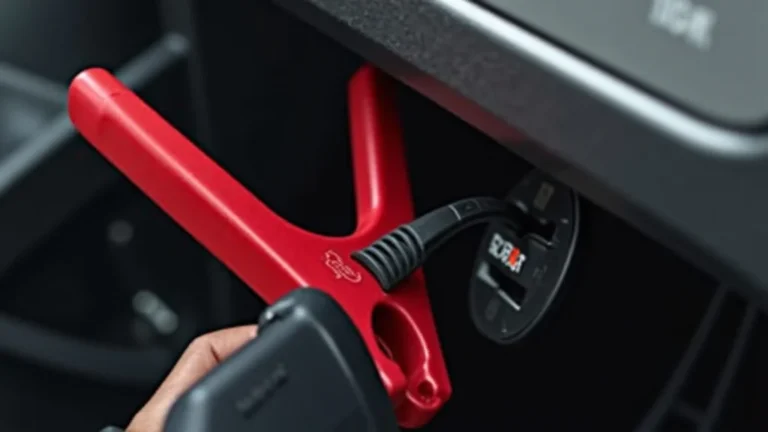
- Gather Jumper Cables: Always have a good set of jumper cables in your car, and inspect them for any damage. Check the clamps. Make sure you can use them easily.
- Connect the Jumper Cables Properly: Connect the positive (+) cable to the positive terminal of the dead battery and then the working battery. Next, connect the negative (-) cable to the negative terminal of the working battery, then to a metal part of your car (not the dead battery’s negative terminal) to avoid sparks.
- Starting the Cars: Start the working car first and let it run for a few minutes to charge the dead battery. Then, try starting the car with the dead battery. If the car still does not start, the battery may need to be replaced.
- Disconnect the Cables: After the car starts, disconnect the jumper cables in reverse order. Let the car run for a while to allow the alternator to recharge the battery.
Preventing Freezing with Battery Chargers
Using a battery charger during the winter months can prevent your battery from losing charge. Battery chargers give your battery the energy it needs. If you don’t drive your car often, using a charger is very useful. It will keep your battery at its full capacity. Regular charging also can extend the life of your battery and help with cold-weather starting. There are different types of battery chargers available, so you can choose the best one for your needs.
Types of Battery Chargers
There are many different types of battery chargers, from simple ones to more advanced models. Understanding the different types can help you decide what will work best for your car. Some chargers are designed to be left connected for extended periods. These are called trickle chargers. Others are designed for faster charging. Knowing the types will help you maintain your car’s battery and prevent problems in cold weather.
- Trickle Chargers: These chargers provide a low and constant charge. They are great for maintaining the battery’s charge over a long time. These are the perfect chargers for cars that are not driven every day or are stored for the winter.
- Smart Chargers: Smart chargers use computer controls to monitor your battery’s state and adjust the charging accordingly. These chargers are great because they prevent overcharging, which can damage the battery. They switch from charging to maintenance mode automatically.
- Fast Chargers: Fast chargers deliver a high current to charge the battery quickly. Use them only when you are in a rush. Using them too often can shorten the battery’s life.
- Portable Chargers: Portable chargers are small and easy to carry. They can be used anywhere you have an electrical outlet. They are very handy for situations where you don’t have access to your own garage or a permanent charging setup.
Using Chargers Safely and Effectively
When using a battery charger, it is important to follow some safety tips to avoid problems. Always read the charger’s manual before you start. Make sure you are using the correct charger for the battery type in your car. Choose a location for charging that is well-ventilated and away from flammable materials. Charging the battery in a safe area will protect you and your car. Let’s explore how to safely charge your battery, as well as how to extend its life.
- Read the Manual: Always follow the charger’s instructions for connecting and disconnecting the charger. This is to ensure you operate the charger correctly and safely. Many chargers also have safety features, such as reverse polarity protection, to prevent damage from improper connections.
- Connect Properly: Connect the positive (+) clamp to the positive terminal of the battery and the negative (-) clamp to the negative terminal. Make sure the charger is off before you connect it to the battery. Incorrect connections can cause sparks and damage.
- Monitor Charging: Pay attention to the charging process, and don’t overcharge your battery. Overcharging can damage the battery, reducing its lifespan. Some chargers have automatic shut-off features to prevent this.
- Charging Location: Charge your battery in a well-ventilated area. Batteries release gases during charging, and good ventilation prevents a buildup of those gases. Keeping the area free from flammable materials and sources of sparks is also key.
Other Tips to Help with Winter Battery Problems
Beyond the steps we’ve already covered, a few additional things can help to deal with car battery freezing in winter. These include how your driving habits affect your battery and what you can do to protect your car when it is parked for long periods. Taking these extra steps can make a big difference in preventing cold-weather battery problems. The simple tips that are discussed below can greatly reduce the risks of getting stuck in the cold.
Driving Habits and Battery Care
The way you drive can affect your battery’s health. Short trips and frequent starts can wear your battery down because the alternator does not have enough time to recharge it. Let’s look at how your driving behavior impacts the battery’s health, and what steps you can take to make sure your battery gets the charge it needs. Good driving habits and proper care are important to the lifespan of your battery.
- Limit Short Trips: Avoid making many short trips. During a short trip, your battery does not get a full charge. A series of short trips can slowly drain the battery. Try to combine errands to give the battery time to recharge.
- Minimize Electrical Usage: When starting your car in cold weather, try to limit the use of electrical accessories, such as the heater and radio. These add extra load on the battery.
- Regular Driving: Drive your car regularly. A car that sits unused for long periods is more likely to have battery problems. Driving regularly allows the battery to maintain its charge.
- Allow for Charging: If you take short trips, allow time for the battery to fully charge. If you think the battery is not getting enough charge, consider using a battery charger.
Protecting Your Car in Cold Weather
If you live where it gets very cold, you will want to take steps to protect your car when it is parked. Parking in a garage can protect your car from the cold. If you don’t have a garage, using a car cover or other protection can help. Preventing freezing is the best way to keep your battery working. Here are some of the actions you can take to protect your car.
- Park in a Garage: The best place to park your car is in a garage. Garages keep the temperature above freezing and help your battery perform better in cold weather.
- Use a Car Cover: If you don’t have a garage, a car cover can help keep your car protected from the elements. This can help slow down the battery drain.
- Avoid Parking on Wet Surfaces: Try not to park your car on wet or icy surfaces. This can worsen the battery’s condition.
- Start and Run the Car Regularly: If you are not using your car for a while, start it and let it run for a bit. This will help keep the battery charged.
Frequently Asked Questions
Question: What causes a car battery to freeze?
Answer: Car batteries freeze because the electrolyte solution inside them contains water. When temperatures drop below freezing, the water in the electrolyte can turn into ice. This can damage the battery’s internal components and prevent it from working.
Question: How can I tell if my car battery is about to freeze?
Answer: Warning signs include difficulty starting the car, dim headlights, and slow cranking of the engine. If you notice these issues, especially in cold weather, your battery may be struggling.
Question: Can I prevent my car battery from freezing?
Answer: Yes, you can. Keeping your battery fully charged is the best prevention. Regular maintenance, such as cleaning the terminals and using a battery charger during cold months, can also help.
Question: What should I do if my car battery freezes?
Answer: If your battery freezes, do not try to start your car. You could damage the battery. Instead, try to move the car to a warmer place. Once it thaws, you may need a jump start, or the battery may need to be replaced.
Question: How long does a car battery usually last?
Answer: A car battery typically lasts between three to five years, but this can change. Factors such as climate, driving habits, and maintenance play a big part.
Final Thoughts
Dealing with car battery freezing in winter can be frustrating. However, you can keep your car running well with a few simple steps. Regular battery maintenance, such as checking terminals and keeping the battery clean, is key. Using a battery charger to maintain the charge is also a great idea, especially if you live in a cold area or don’t drive your car often. Always remember that prevention is the most effective approach. By taking these actions, you can avoid a dead battery. Prepare your car for winter weather. With a little care, you can have a smooth start every time. Now you’re ready to face the cold months. Have a safe winter driving season!