Car Battery Drains When Off: What’s Really Going On?
It’s frustrating when your car battery drains when off, leaving you stranded. This problem can seem complicated, especially if you’re new to car maintenance. But don’t worry, it’s often caused by a few common culprits. We’ll break down the usual suspects and give you a simple, step-by-step approach to find the source. Next, we’ll get straight into practical solutions and helpful tips to get your car running reliably again.
Common Reasons Your Car Battery Drains When Off
Many things can cause a car battery drains when off situation. It’s often due to components using power even when the engine isn’t running. These “parasitic drains” gradually deplete the battery, making it unable to start the car. Identifying these energy consumers is the first step in solving the problem. The good news is that troubleshooting this is usually straightforward, and you can often find the issue yourself with the right techniques.
Parasitic Drain Explained
A parasitic drain refers to a small amount of electrical current that continues to flow from your car’s battery even when the vehicle is turned off. All cars have some parasitic drain; it’s necessary for systems like the clock, the alarm, and the computer to keep running. However, when the drain is too large, it can slowly but surely drain your battery over time. This is because the battery’s capacity has a limit; its stored energy gets used by the parasitic drain and it may be not enough to start the car when you need to use it.
- Normal Drain vs. Excessive Drain: A normal parasitic drain is around 25-50 milliamps (mA). Anything higher suggests a potential problem. Excessive drain quickly depletes the battery’s charge.
- How It Works: Electricity constantly seeks a path of least resistance. Even when the car is off, if a circuit isn’t fully shut down, electricity can leak, draining the battery.
- Importance of Identification: Pinpointing the source of the excessive drain prevents unnecessary battery replacements and costly repairs.
Determining the amount of parasitic drain helps you figure out if there’s a problem. For example, a car’s computer system constantly uses electricity. A parasitic drain test can show if your vehicle’s components are working as they should. Understanding the basics helps you diagnose and solve a dead battery situation, avoiding expensive and difficult repairs.
Key Offenders Causing Battery Drain
Several electrical components can contribute to a car battery drains when off. These culprits are often easy to check with basic tools. A faulty light left on can be an obvious cause, but internal problems may also be at play. We will now explore the most frequent suspects.
- Interior Lights: Over time, a dome light or a trunk light that doesn’t shut off completely is a common issue. These lights might seem small, but they will gradually drain your battery, especially overnight.
- Faulty Relays: Relays control the flow of electricity to different car components. If a relay sticks or fails, it might keep a circuit powered, leading to a drain.
- Aftermarket Accessories: Added gadgets like aftermarket stereos, alarms, or GPS trackers can have wiring faults. Improperly installed accessories can create shorts or constantly draw power.
- Wiring Issues: Damaged or worn-out wiring can cause shorts or power leaks. Wires can corrode or rub against the car’s body, creating a path to drain the battery.
These components are significant contributors to parasitic drains. Addressing each potential cause is important to keep your battery from running down. The problem is usually easy to spot using the simple tests we’ll explain next.
Finding the Source of the Drain
Diagnosing the source of a car battery drains when off involves a few steps. This helps narrow down the possibilities and allows you to find what is causing the problem. You will need a multimeter for the key test. It’s like having a doctor’s tool for your car’s electrical system, allowing you to measure the flow of electricity to identify where it is going. Careful testing is important to identify the problem.
Tools You’ll Need
Having the right tools is the first step in this process. A few essential items make the job easier and more accurate. These aren’t just gadgets but essential tools that will help you find the problem and get the car back to normal. These tools allow you to make the tests with ease and to find the location of the problem without having to do a lot of work.
- Multimeter: This device measures voltage, current, and resistance. It’s essential for checking the battery’s health and testing for parasitic drain.
- Wrench Set: You might need a set of wrenches to disconnect the car battery.
- Safety Glasses and Gloves: Safety glasses protect your eyes, and gloves protect your hands.
- Jumper Cables: Always have jumper cables on hand in case your car battery is dead.
Having these tools ready simplifies your work and protects you. The multimeter is the primary tool for testing, so make sure you are familiar with its basic operations. This equipment is key to finding and fixing the battery drain issue in your car.
Step-by-Step Testing Procedures
You can follow a simple process to find out why your car’s battery drains when off. This involves a few careful steps, and the multimeter is your best friend during this process. Each stage will help you narrow down where the power is going, getting you closer to fixing the issue.
- Prepare Your Car: Park your car in a safe place. Make sure the engine is off and the key is out of the ignition. Allow the car to sit for at least 30 minutes, giving the electrical system time to “sleep” and reduce current draw.
- Set Up the Multimeter: Set your multimeter to measure DC current (Amps). The setting on the multimeter needs to be set up in the correct position for measuring current to ensure accurate readings.
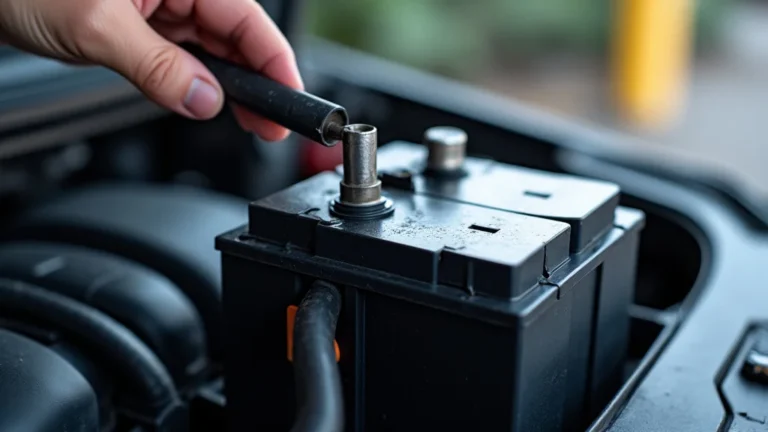
- Disconnect the Negative Terminal: Using a wrench, disconnect the negative (black) cable from the battery. This ensures safety and prepares the circuit for testing.
- Connect the Multimeter: Connect the multimeter in series between the negative battery post and the disconnected negative cable. Red lead to the battery terminal, black lead to the cable.
- Check the Current Draw: Note the reading on your multimeter. A normal drain is usually less than 50mA. Anything higher indicates a possible parasitic drain.
- Fuse Pulling: If the current is too high, start pulling fuses one by one. Watch the multimeter reading. When the reading drops, the circuit with that fuse is the problem.
- Isolate the Problem: Once you find the circuit, inspect the components connected to it. Check for faulty devices or shorts that cause the drain.
- Fix the Problem: After identifying the cause, repair or replace the faulty component. Then, retest the system to ensure the drain is gone.
These detailed procedures help you pinpoint the issue. By working carefully and following the steps, you can troubleshoot a battery drain and solve it yourself. Persistence will help you find the root of the problem.
Troubleshooting Common Issues
Once you’ve found the circuit with excessive drain, it’s time to find the exact component causing the problem. The following are a few of the more common issues. Troubleshooting is a methodical process. Start by inspecting the simple things, like lights. It could save you time and money.
Checking Interior and Exterior Lights
Lights are one of the most common causes of a car battery drains when off. They are easy to overlook. A light left on can quickly drain a battery. Even when you are meticulous about turning off lights, these can be still causing the problem. Let’s explore ways of checking your lights and resolving the problem.
- Interior Lights: Check all interior lights, including dome lights, map lights, and trunk lights. These lights are often activated by door switches or manual controls, so start with the most likely culprits.
- Exterior Lights: Look for headlights, taillights, and parking lights that are staying on. Sometimes a faulty switch or wiring issue causes these lights to stay on.
- Door Switches: Check door switches. If a door switch is broken or misaligned, the car might think a door is open, even when it’s closed, keeping interior lights on.
- Visual Inspection: Do a visual check of all lights. Look for any lights that are unexpectedly on.
When you have examined all the lights, you’ll be well on your way to stopping the battery drain. Take your time and make sure that all the lights work when they should. Checking lights first might quickly fix the problem.
Examining Electrical Systems
Sometimes, the problem lies deeper in the car’s electrical systems. Checking these issues may take more time, but it’s important for a complete diagnosis. Your car has a lot of electrical parts, from the radio to the power windows. Finding out which system is causing the drain helps you fix the problem.
- Radio and Infotainment System: These systems can draw power if not shut down correctly.
- Power Windows and Locks: If the switches or motors fail, they can drain the battery. Check the connections and operation of power windows and door locks.
- Alarm Systems and Remote Starters: Aftermarket systems may be poorly installed, which causes them to pull electricity even when your car is off.
- HVAC System: Sometimes the climate control fan can keep drawing electricity. Test the fan to see if it is the root of the problem.
By checking each system, you can find the origin of the battery drain. This step ensures that all areas are inspected. Your goal is to get to the core of the issue, and these tests will show you the problem.
Preventing Future Battery Drain
Once you solve the issue of your car battery drains when off, you’ll want to take steps to avoid it. Several maintenance and care tips will keep your car’s electrical system running well. Taking these steps not only protects your car battery but also helps your car last longer.
Regular Battery Maintenance
Caring for your car’s battery involves simple, easy tasks that make a big difference. Performing these steps helps you to stay on top of any potential problems before they get worse. By taking a few minutes to examine your battery regularly, you can avoid unexpected issues and keep your vehicle operating at peak efficiency.
- Clean Battery Terminals: Regularly clean corrosion from the battery terminals using a mixture of baking soda and water. This will help to maintain good connections and prevents electrical problems.
- Check Battery Cables: Examine the battery cables for any signs of damage or wear. Replace any cables that show corrosion or damage to ensure they are working as they should.
- Test Your Battery: Check the voltage of your battery. Check for any sign of a problem and get your battery tested at least once a year.
- Proper Charging: If you don’t drive your car often, consider using a trickle charger. This helps to maintain the battery’s charge.
Simple maintenance prevents future issues. Consistent care helps keep your battery healthy and makes your car more reliable. Routine attention to these areas provides peace of mind.
Using Aftermarket Accessories Safely
Aftermarket devices like radios, alarms, and GPS trackers can create battery drain problems if not installed properly. These add-ons may be helpful, but they may harm your car if not used with care. Take the time to be extra careful to prevent future problems.
- Professional Installation: Always hire a professional to install aftermarket accessories. Ensure they have the skills and knowledge to properly connect electrical components.
- Wiring: Proper wiring is important. Check the connections and wiring of any aftermarket accessories.
- Check Power Consumption: Some devices might need a lot of power. If the device uses a lot of electricity, ensure your car’s electrical system can support it without causing a drain.
- Monitoring: Make sure there are no issues with the device after you have it installed. Examine the device’s performance to make sure it functions properly.
By following these guidelines, you can safely use accessories without problems. Proper installation and monitoring of your car will help protect your battery and reduce issues.
Car Battery Drain: Real-Life Examples and Scenarios
Here are a few real-life examples illustrating what can cause a car battery drains when off and the solutions that were used to fix them. These examples demonstrate the value of detailed troubleshooting and common causes.
- Case Study 1: The Interior Light Mystery: A driver noticed their car battery draining overnight. After testing, they found an excessive parasitic drain. They carefully checked all the interior lights and discovered the trunk light was staying on. They fixed the switch, and the battery issues disappeared. The estimated repair time was around an hour.
- Case Study 2: The Aftermarket Stereo Issue: A car owner had a new stereo installed. Soon after, they noticed their battery draining. After testing, they determined the stereo was still drawing power when the car was off. They called the installer, who found that the stereo’s wiring wasn’t done correctly. The wiring was corrected, and the problem was fixed. The time spent troubleshooting and fixing the issue was three hours.
These scenarios highlight the importance of careful inspection and demonstrate how small things can cause big problems. Taking the time to check each possible source is key to a complete and lasting repair.
Sample Scenarios
- Your car won’t start one morning, and you have to call for roadside assistance. They test the battery and it is very low. You think maybe you left a light on, but you can’t be sure. The first step will be to test the battery and check all lights.
- A car owner installed a dashcam that is constantly recording, even when the car is off. Over a week, the battery starts to drain faster than usual. By inspecting the dashcam’s power setup, the owner realizes it’s still drawing power.
By learning from these examples, you can be better ready to diagnose and fix similar issues. Knowledge of the common culprits and a straightforward diagnostic plan can make any problem easy.
| Issue | Possible Cause | Solution |
|---|---|---|
| Battery Drains Overnight | Interior Light Left On | Check and switch off the light. |
| Battery Drains Over Several Days | Faulty Relay | Replace the relay. |
| Battery Drains After Accessory Install | Incorrect Wiring | Re-wire the accessory correctly. |
Real-life examples help you solve problems and prevent them. You can use these examples to guide you in solving problems. Each example has a clear explanation to show you the steps to solving an issue.
Frequently Asked Questions
Question: What’s a parasitic drain in a car?
Answer: It’s the normal electrical current that a car’s systems use when the engine is off, like for the clock or security system. A problem arises when this current is too high.
Question: How do I measure a parasitic drain?
Answer: You can use a multimeter set to measure DC current. You will place the multimeter in series between the battery’s negative terminal and the negative battery cable.
Question: What is considered a high parasitic drain?
Answer: A normal drain is usually below 50 milliamps (mA). Any reading higher than this suggests a possible problem.
Question: Can a faulty alternator cause a battery to drain when off?
Answer: Yes, although less common. A faulty diode in the alternator can cause current to flow backwards, draining the battery.
Question: What should I do if I can’t find the source of the drain?
Answer: If you’re struggling, consider taking your car to a trusted mechanic. They have specialized equipment and experience.
Final Thoughts
Dealing with a car battery drains when off can be tough, but with the right process, you can find the reason. By understanding the common culprits like lights, faulty relays, and accessories, you can find out what is causing the problem. Utilizing tools such as a multimeter allows for precise analysis. A series of tests can help identify the faulty circuit, enabling you to address the source directly. Careful, methodical testing is essential.
If you’re facing this problem, begin with a check of your lights. Next, make sure your accessories are properly installed. With each step, you’re one step closer to solving the issue. Following this approach, you’ll be able to quickly return to the road. This may prevent future issues and reduce issues, and you can keep your car operating safely. Troubleshooting helps your car stay reliable.