Car Battery Clicking But Not Starting Heres Why
Featured image for car battery clicking but not starting
Image source: i.etsystatic.com
A clicking car battery that refuses to start primarily indicates insufficient power reaching the starter motor. This critical power shortage most often stems from a severely discharged or dead battery, or from corroded or loose battery terminals hindering electrical flow. Less commonly, the culprit could be a failing starter motor or solenoid itself, necessitating a proper diagnosis to resolve the problem.
We’ve all been there. You slide into your car, maybe after a long day at work or a quick run to the grocery store. You insert the key, turn it, and instead of the familiar roar of the engine springing to life, you hear… a distinct, disheartening click. Maybe it’s a single click, or perhaps a rapid series of clicks, followed by an eerie silence. Your dashboard lights might flicker, or they might not even come on at all. That sinking feeling in your stomach? It’s completely understandable. When your car battery clicking but not starting, it’s not just an inconvenience; it can throw a serious wrench into your day.
This frustrating scenario is incredibly common, and while it often points to a problem with your car’s electrical system, pinpointing the exact cause can feel like a mystery. You might immediately blame the battery, and often you’d be right! But sometimes, the clicking is a symptom of a deeper issue, a trickier problem lurking beneath the hood. Knowing what to look for can save you time, money, and a whole lot of stress.
So, take a deep breath. You’re not alone, and this issue is usually solvable. Let’s break down the most common reasons why your car battery clicking but not starting, explore how you can diagnose the problem, and discuss the steps you can take to get your vehicle back on the road. Consider this your friendly guide to understanding that infamous click and what it truly means for your car.
Key Takeaways
- Check Battery Voltage: Low charge is the most common reason for clicking.
- Inspect Terminals: Corroded connections block power; clean them immediately.
- Test the Starter: A bad starter motor often causes clicking, not cranking.
- Verify Starter Solenoid: It might click but fail to engage the engine.
- Secure All Cables: Loose battery or starter cables prevent proper current.
- Check Alternator Function: A bad alternator prevents the battery from recharging.
- Evaluate Ignition Switch: A faulty switch can prevent power flow.
Quick Answers to Common Questions
What does “car battery clicking but not starting” actually mean?
When your car makes a rapid clicking sound but the engine doesn’t turn over, it usually means there isn’t enough power to crank the engine. This is a classic sign of a weak or dead car battery clicking but not starting.
Is it *always* the battery if my car is clicking and not starting?
While often the case, it’s not always just the battery! Other culprits for your car battery clicking but not starting could include a bad starter motor, corroded battery terminals, or even an alternator issue.
What’s the very first thing I should check if my car battery is clicking but not starting?
Start by checking your battery terminals! Make sure they’re clean and tightly connected, as loose or corroded connections can prevent proper power flow and cause your car battery to click but not start.
Can a jump start fix a car that’s clicking but not starting?
Absolutely, a jump start is a great first step if your car battery is clicking but not starting due to a low charge. If it starts after a jump, drive it around for a bit to let your alternator recharge the battery.
When should I call a professional if my car battery is clicking but not starting?
If a jump start doesn’t work, or if your car continues to have the “car battery clicking but not starting” issue frequently, it’s time to call a mechanic. They can properly diagnose if it’s the battery, alternator, starter, or another electrical problem.
📑 Table of Contents
The Most Obvious Culprit: A Dead or Weak Car Battery
When you hear that dreaded clicking sound instead of your engine roaring to life, the very first thing many of us suspect is the car battery. And for good reason! A dead or severely weak battery is, by far, the most common cause of a car battery clicking but not starting scenario. But why does a weak battery cause a click instead of just silence?
Understanding How Your Car Battery Works
Your car battery is essentially a powerful storage unit for electrical energy. Its primary job is to provide a massive jolt of electricity to the starter motor when you turn the key. This initial surge is what gets the engine cranking and the combustion process started. Once the engine is running, the alternator takes over, continuously recharging the battery and powering the car’s electrical systems.
Why a Weak Battery Clicks (and Doesn’t Start)
The clicking sound you hear isn’t random; it’s usually the starter solenoid attempting to engage. The solenoid is an electromagnetic switch that acts as a bridge between the battery and the starter motor. When you turn your key, a small amount of current flows to the solenoid, causing it to “click” as it tries to push a gear into the engine’s flywheel and send a large amount of current to the starter motor itself.
- Single Click: If your battery is extremely weak or almost dead, it might have just enough power to activate the solenoid, causing that single, distinct click. However, there isn’t enough remaining power to actually spin the starter motor and crank the engine. It’s like having just enough energy to lift a heavy box an inch, but not enough to actually carry it.
- Rapid Clicking: A rapid clicking noise often indicates a battery that has slightly more juice than a completely dead one, but still insufficient power for starting. The battery tries repeatedly to engage the starter solenoid, but each attempt fails due to low voltage, causing the solenoid to quickly cycle on and off, resulting in the rapid clicking. This is a classic sign of a critically low battery.
Signs of a Failing or Weak Battery
Beyond the click, there are other clues that your battery might be the problem when your car battery clicking but not starting:
- Slow Engine Crank: Even before the clicking starts, you might notice your engine cranks more slowly than usual when starting.
- Dim Lights or Electronics: Your headlights, interior lights, or dashboard lights might appear dim, or electronic accessories might not work at full power.
- Battery Warning Light: A battery-shaped warning light on your dashboard could indicate an issue (though this often points to the alternator, which we’ll cover later).
- Age: Car batteries typically last 3-5 years. If yours is older than this, it’s a prime suspect.
- Visual Cues: Look for corrosion (a fuzzy, colorful buildup) around the battery terminals or a swollen battery case.
What You Can Do: Battery Check and Jump Start
If you suspect the battery, here are some practical steps:
- Check Terminals: Ensure the battery terminals are clean and tightly connected. Loose or corroded terminals can prevent adequate current flow. Sometimes, just wiggling them or cleaning them with a wire brush can solve the problem.
- Jump Start: This is the quickest way to confirm if your battery is the issue. If your car starts with a jump and then dies shortly after, or if it won’t hold a charge, it’s almost certainly the battery (or possibly the alternator, which isn’t recharging it).
- Test Battery Voltage: If you have a multimeter, you can check the battery’s voltage. A fully charged battery should read around 12.6 volts or higher. Anything significantly below 12.4 volts indicates a weak or discharged battery.
Beyond the Battery: The Starter Motor’s Role
While a weak battery is the most common culprit, sometimes your car battery clicking but not starting even when the battery is fully charged. In these cases, your attention should shift to the starter motor. This crucial component is solely responsible for getting your engine to turn over and begin its combustion cycle.
What the Starter Motor Does
The starter motor is a powerful electric motor designed for one specific job: to crank the engine. When you turn the ignition key, the battery sends power to the starter solenoid, which then pushes a small gear (called the pinion gear) to mesh with the engine’s flywheel. Simultaneously, the solenoid sends a large current to the starter motor, which spins the flywheel, effectively “starting” the engine’s rotation. Once the engine starts, the solenoid disengages the pinion gear to prevent damage.
Common Starter Motor Problems
A failing starter motor can manifest in several ways, often leading to that frustrating click without a start. Here are some common issues:
- Solenoid Malfunction: As we discussed, the solenoid is key. If the solenoid itself is faulty, it might click but fail to send power to the starter motor, or it might not be strong enough to push the pinion gear into the flywheel. This is often the cause of a single, loud click with no engine response.
- Worn Starter Motor: Over time, the internal components of the starter motor – like the brushes, windings, or armature – can wear out. When these components degrade, the motor simply can’t generate enough power to turn the engine, even if it’s receiving current.
- Damaged Flywheel Teeth: Less common, but sometimes the teeth on the engine’s flywheel (which the starter gear engages) can become worn or damaged in a particular spot. If the starter tries to engage at that exact spot, it might click but fail to get a grip and turn the engine.
- Internal Short or Open Circuit: The starter motor’s internal wiring can develop shorts or open circuits, preventing it from functioning correctly.
Identifying a Faulty Starter
How can you tell if the starter motor is the problem when your car battery clicking but not starting?
- Strong Battery, No Crank: If you’ve confirmed your battery is fully charged (e.g., you tried to jump-start and it didn’t help, or a battery test shows good voltage), but you still hear only a click and no engine cranking, the starter is a prime suspect.
- Single, Loud Click: This is a classic symptom of a faulty starter solenoid. The solenoid engages, but the motor itself doesn’t spin.
- Grinding Noise: If you hear a grinding noise along with the click, it could indicate worn starter gears or damage to the flywheel teeth.
- Burning Smell: A distinct burning smell after several attempts to start could mean the starter motor is overheating due to an internal electrical fault.
What You Can Do: Starter Diagnosis
Diagnosing a faulty starter sometimes requires a professional, but here are some things to consider:
- The “Tap Test”: This is an old trick that sometimes works as a temporary fix. With the help of a friend, try to start the car while someone (safely!) taps the starter motor with a hammer or wrench. Sometimes, a jolt can temporarily free a stuck solenoid or brush. Caution: Ensure the car is in Park/Neutral and the person tapping is aware of the risks. This is a diagnostic, not a long-term solution.
- Listen Closely: Have someone try to start the car while you listen under the hood near the starter motor. Can you pinpoint where the click is coming from?
- Professional Diagnosis: If you suspect the starter, it’s often best to have a mechanic test it. They can perform electrical tests to confirm if the starter is receiving power and if it’s drawing the correct amperage. Replacing a starter is usually a straightforward repair for a professional.
The Unseen Connections: Electrical System Issues
Even with a perfectly healthy battery and a fully functional starter motor, your car might still exhibit the frustrating symptom of a car battery clicking but not starting. Why? Because the electricity needs a clear, unobstructed path to travel from the battery to the starter. Any interruption along this path can prevent enough power from reaching the starter, resulting in that tell-tale click but no engine crank.
Corroded or Loose Battery Terminals
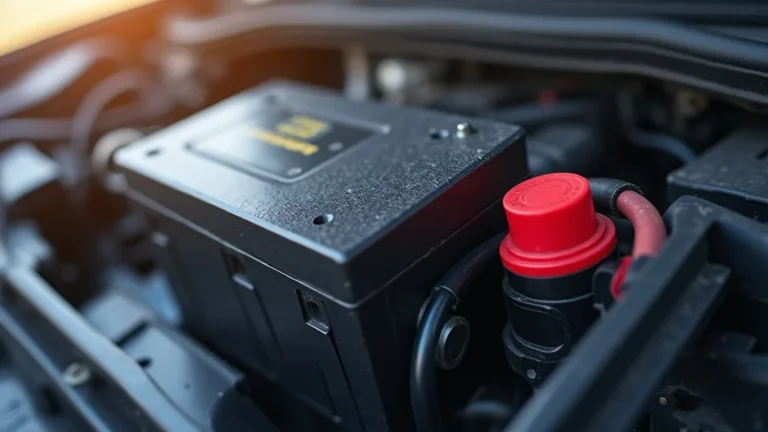
We touched on this briefly, but it’s worth emphasizing. Battery terminals are the direct connection points between your battery and the car’s electrical system. Over time, these terminals can accumulate corrosion (a white, blue, or green powdery substance) or become loose. Both issues significantly impede the flow of electricity.
- Corrosion: Acts like an insulator, preventing the full flow of current. The battery might have enough power to activate the solenoid (the click), but not enough to send the massive current needed to spin the starter motor.
- Loose Terminals: A loose connection means intermittent or insufficient contact. Even a slight jiggle could be enough to make the connection momentarily, allowing a click, but failing to sustain the high current draw required by the starter.
Tip: Visually inspect your battery terminals. If you see corrosion, disconnect the battery (negative first, then positive) and clean the terminals and battery posts thoroughly with a wire brush and a battery terminal cleaner solution (or a baking soda and water paste). Ensure they are reconnected tightly.
Faulty Battery Cables
Your battery is connected to the starter and the rest of the car by thick, heavy-gauge cables – typically a positive cable (red) and a negative (ground) cable (black). These cables can deteriorate over time, leading to resistance or outright breaks:
- Positive Cable: Runs from the positive terminal of the battery directly to the starter motor and often to the fuse box. If this cable is corroded internally, frayed, or broken, it won’t deliver sufficient power to the starter.
- Negative (Ground) Cable: This cable connects the negative terminal of the battery to the car’s chassis or engine block, providing a return path for the electrical circuit. A poor ground connection is a very common, yet often overlooked, cause of electrical problems, including a car battery clicking but not starting. If the ground strap is loose, corroded, or damaged, the circuit can’t be completed effectively.
Tip: Inspect the entire length of both battery cables. Look for swelling, cracks in the insulation, fraying, or any signs of corrosion not just at the battery terminals, but also where they connect to the engine block or starter motor. Wiggle the cables at all connection points to check for looseness. You might need to clean the ground connection point on the engine or chassis.
Ignition Switch Problems
The ignition switch is more than just a keyhole; it’s an electrical component that sends power to various circuits when you turn the key, including the starter circuit. If the electrical contacts within the ignition switch are worn, dirty, or faulty, they might not send the proper signal or enough current to the starter solenoid, leading to that solitary click.
Tip: While harder to diagnose without specialized tools, if you notice other electrical oddities when turning the key (e.g., dashboard lights not coming on consistently), a faulty ignition switch could be a possibility. This usually requires professional diagnosis and replacement.
Blown Fuses or Relays
Your car’s electrical system is protected by a network of fuses and relays. A blown fuse or a faulty relay in the starting circuit can prevent power from reaching the starter motor, even if the battery and cables are fine.
- Starter Relay: This small electrical switch is located in your car’s fuse box (or sometimes under the hood). When you turn the key, the ignition switch sends a small signal to the starter relay, which then “closes” to allow a larger current to flow from the battery to the starter solenoid. If this relay is faulty, it might click (you might even hear its click, distinct from the starter solenoid’s click) but fail to complete the circuit to the starter.
- Fuses: While less common for the main starter circuit, a fuse related to the ignition system or the starter’s control circuit could blow, preventing the solenoid from activating.
Tip: Consult your car’s owner’s manual to locate the fuse box and identify the starter relay and any relevant fuses. You can try swapping the starter relay with an identical known-good relay (e.g., from the horn or a similar circuit, if your manual allows) to see if that resolves the issue. Visually inspect fuses for a broken wire inside.
Alternator Woes: The Silent Killer of Batteries
It might seem counterintuitive to talk about the alternator when your car battery clicking but not starting, as the alternator’s main job kicks in *after* the engine starts. However, a failing alternator is a very common root cause that ultimately leads to a dead battery, and thus, the clicking symptom.
How the Alternator Keeps Your Battery Charged
Think of the alternator as your car’s onboard generator. Once the engine is running, the alternator is driven by a serpentine belt and converts mechanical energy into electrical energy. Its primary functions are two-fold:
1. Powering Electrical Systems: It provides electricity to run all your car’s accessories while the engine is on (headlights, radio, wipers, power windows, etc.).
2. Recharging the Battery: Crucially, it continuously recharges your car battery, ensuring it’s topped up and ready to provide that initial surge the next time you start the car.
Signs of a Failing Alternator
An alternator doesn’t usually fail suddenly without some warning signs. Keeping an eye out for these can help you prevent the dreaded click:
- Battery Warning Light: The most common indicator is the battery-shaped warning light illuminating on your dashboard. This light doesn’t necessarily mean your battery is bad; it often indicates a problem with the charging system, which includes the alternator.
- Dim or Flickering Lights While Driving: If your headlights, dashboard lights, or interior lights dim or flicker, especially at lower engine RPMs, it suggests the alternator isn’t producing enough power.
- Electrical Accessory Failure: Power windows might operate slowly, the radio might cut out, or the air conditioning might struggle – these are signs of insufficient electrical power from the alternator.
- Strange Noises: A failing alternator can sometimes produce growling or whining noises, often due to worn bearings.
- Burning Rubber Smell: A loose or worn serpentine belt (which drives the alternator) can slip, creating a burning rubber smell.
The Link to “Car Battery Clicking But Not Starting”
Here’s where the alternator directly contributes to your car battery clicking but not starting problem: if the alternator isn’t doing its job of recharging the battery, then over time, the battery will gradually drain. Each time you start your car or use accessories with the engine off, you draw power from the battery. If that power isn’t replenished by a healthy alternator, the battery will eventually become too weak to start the car, leading to the familiar clicking sound.
In this scenario, you might jump-start your car, and it runs fine for a while, perhaps even for a full day. But the next morning, or after a few short drives, you’re back to the clicking. This is a classic symptom of a bad alternator that’s not recharging the battery properly. The jump start temporarily charges the battery enough to get the car going, but the underlying charging issue persists, draining the battery again.
What You Can Do: Alternator Diagnosis
If you suspect your alternator, it’s best to confirm it:
- Professional Test: Most auto parts stores offer free battery and charging system tests. They can quickly tell you if your battery is healthy and if your alternator is charging correctly.
- After a Jump Start: If you jump-start your car, try disconnecting the negative battery terminal while the engine is running (but only briefly!). If the engine immediately dies, your alternator is likely bad. If it continues to run, the alternator is likely fine, and the battery was the problem. Caution: Some modern vehicles with sensitive electronics can be damaged by this test. Consult your car’s manual or a mechanic if you’re unsure.
If your alternator is confirmed to be failing, replacing it is the necessary next step to prevent future battery issues and ensure your car’s electrical system functions correctly.
The Often Overlooked: Transmission and Security Systems
While battery, starter, and electrical connections cover the vast majority of cases for a car battery clicking but not starting, there are a few other, less common but equally frustrating, reasons why your car might refuse to crank, even when everything else seems fine. These often involve safety features or electronic immobilizers that prevent the engine from starting under certain conditions.
Transmission Interlock Issues (Park/Neutral Safety Switch)
Modern automatic transmission vehicles have a crucial safety feature: they will only allow the engine to start when the gear selector is in “Park” (P) or “Neutral” (N). This is controlled by a component called the Park/Neutral Safety Switch.
- How it Causes Clicking: If this switch is faulty, misaligned, or dirty, the car’s computer might not “realize” that the vehicle is safely in Park or Neutral. Even if you hear a click (from the starter solenoid trying to activate), the car’s safety system might prevent the main starter circuit from fully engaging, resulting in a no-start condition with a click.
- What to Do: If you suspect this, try wiggling the gear selector firmly while it’s in Park. If that doesn’t work, try shifting it into Neutral and then attempting to start the car. Sometimes, shifting it back and forth a few times between P and N can momentarily realign the switch and allow the car to start.
Security System Malfunctions (Immobilizer)
Most modern cars are equipped with sophisticated anti-theft systems, often called immobilizers. These systems typically use a transponder chip embedded in your car key or a separate fob to communicate with the car’s computer. If the security system doesn’t recognize the key, it will prevent the engine from starting.
- How it Causes Clicking: A malfunctioning security system might allow enough power for the starter solenoid to click, but then prevent the fuel pump or ignition system from engaging, or even cut power to the main starter circuit. You might see a security light or an indicator on your dashboard flashing or staying illuminated when you try to start the car.
- What to Do: Try using your spare key. Sometimes, the transponder chip in your primary key can become damaged or lose its programming. Ensure there are no other transponder keys (like another car’s key) on the same keychain that could interfere with the signal. Refer to your owner’s manual for specific instructions on your car’s security system reset or override procedures.
Less Common but Possible Issues
While the primary focus of “car battery clicking but not starting” typically centers on the electrical components of the starting system, other very rare scenarios might present similar symptoms:
- Seized Engine: In extremely rare and severe cases, an engine can seize due to catastrophic internal failure (e.g., lack of oil, hydro-locked). If the engine is completely seized, the starter motor literally cannot turn it, and you might hear a single, strained click as it tries and fails. This is usually accompanied by other severe symptoms or prior warning signs.
- Damaged Flywheel: As mentioned earlier, if the flywheel teeth are severely damaged in the exact spot the starter tries to engage, it might result in a click without the engine turning.
Tip: These are more advanced diagnoses and almost always require professional mechanic intervention. If you’ve ruled out the battery, starter, and common electrical issues, these less likely scenarios might be investigated by a professional.
Bringing It All Together: Your Next Steps
When you’re faced with that frustrating sound of your car battery clicking but not starting, it can feel overwhelming. But by systematically checking the potential culprits, you can often diagnose and even resolve the issue yourself, or at least provide your mechanic with valuable information.
- Start with the Battery: Always begin here. Check terminals, listen for the type of click, and attempt a jump start. A weak or dead battery is the simplest and most common cause.
- Inspect Cables and Connections: Even a healthy battery can’t power a car through corroded or loose connections. Take the time to clean and tighten.
- Consider the Starter: If the battery is good and connections are solid, the starter motor (or its solenoid) is the next prime suspect. A single, strong click often points here.
- Don’t Forget the Alternator: Remember that a failing alternator can lead to a dead battery over time. If your car starts with a jump but dies again, the alternator might be the root cause.
- Check Safety Systems: If all else fails, consider the less common issues like the Park/Neutral safety switch or your car’s immobilizer system.
While many of these steps can be performed at home with basic tools and a little confidence, don’t hesitate to seek professional help. Modern vehicles can be complex, and a misdiagnosis can lead to unnecessary repairs. A qualified mechanic has the diagnostic tools and expertise to pinpoint the exact problem quickly and safely. They can perform comprehensive tests on your battery, starter, and charging system to give you a definitive answer.
That clicking sound might be annoying, but it’s also your car trying to tell you something important. By understanding the common reasons behind a car battery clicking but not starting, you’re better equipped to listen, diagnose, and get your trusty vehicle back on the road. Drive safe!
Frequently Asked Questions
What does it mean when my car battery is clicking but not starting?
This usually indicates that your car’s electrical system isn’t getting enough power to crank the engine. While the battery might have a small charge, it’s insufficient to engage the starter motor fully, leading to the rapid clicking sound.
Why is my car making a clicking noise but not starting?
The most common reason for a car clicking but not starting is a low or dead battery, which lacks the power to turn the engine over. Other potential culprits include a faulty starter motor, loose or corroded battery terminals, or even issues with the ignition switch.
Is a clicking sound always a sign of a dead battery?
Not necessarily, although it’s the most frequent cause. While a low battery is often the primary suspect, a clicking noise can also point to a failing starter motor, corroded battery cables preventing proper current flow, or even a bad alternator not charging the battery properly.
What should I do first if my car battery is clicking but not starting?
Your first step should be to check your battery terminals for looseness or corrosion. If they appear clean and tight, try jump-starting your car. If a jump-start works, your battery might be weak or failing; if it doesn’t, the issue could be with the starter motor or other electrical components.
Can a bad starter motor cause my car to click but not start?
Yes, absolutely. If your starter motor is failing, it may draw power from the battery but not be able to engage the flywheel, resulting in a clicking sound as the solenoid tries to activate. This can happen even if your battery is fully charged and otherwise healthy.
How can I prevent my car battery from clicking and not starting in the future?
Regularly check your battery terminals for corrosion and ensure they are tightly secured. It’s also wise to get your battery tested annually, especially before winter, and ensure your car’s charging system is functioning correctly to avoid future “car battery clicking but not starting” scenarios.