Car Battery Charger Sparks When Connecting: What You Need to Know
It’s a common experience: you go to charge your car battery, connect the charger, and car battery charger sparks when connecting. For beginners, this can feel alarming. Don’t worry, though; it’s often a normal part of the process and doesn’t always signal a problem. This guide aims to take the mystery out of why this happens and give you a simple, step-by-step approach to handle it safely. We’ll explore the reasons behind the sparks and show you what to do to prevent them from happening in the first place.
Why Does a Car Battery Charger Spark?
Sparks from a car battery charger when connecting are primarily due to a difference in electrical potential. When you connect the charger’s clamps to the battery terminals, there’s an immediate flow of current. If the battery is significantly discharged, a large current can rush in, creating a spark. This is especially common if the charger has a high initial current output. This is not always a cause for concern, but it’s crucial to understand the factors involved to ensure safe charging practices. Other factors, like the presence of corrosion or improper connections, can also contribute to sparking.
The Science Behind the Spark
Understanding the physics behind the spark is key. When you connect a car battery charger, you’re creating a circuit. If there’s a significant voltage difference between the charger and the battery, the electrons start moving quickly to balance it. This rapid movement of electrons is electricity, and when it jumps across a gap (like the air between the clamp and the terminal), it creates a spark. The magnitude of the spark can be influenced by several elements, including the battery’s charge level, the charger’s design, and the quality of the connection.
- Voltage Difference: The greater the difference in voltage between the charger and the battery, the more likely a spark will occur. A severely discharged battery will have a lower voltage, leading to a larger difference.
- Current Flow: The amount of current that rushes into the battery upon connection plays a role. Chargers with higher initial current output may produce more noticeable sparks.
- Impedance: Impedance, or the resistance to the flow of current, also contributes. A higher impedance can decrease the spark. However, this is usually less impactful than voltage difference or current flow.
Common Causes of Car Battery Charger Sparks
Several factors can lead to sparks when connecting a car battery charger. These range from normal electrical behavior to signs of problems. It’s important to identify the cause to determine the appropriate response. Incorrect connection procedures and equipment problems are significant factors to consider. Even environmental conditions can have a subtle impact.
- Battery Discharge: A deeply discharged battery draws more current upon connection. This sudden influx of current can cause a spark, particularly with a charger set to a higher charge rate.
- Corrosion on Terminals: Corrosion acts as a barrier to the flow of electricity. When the clamps make contact, the initial current has to break through this barrier, creating sparks.
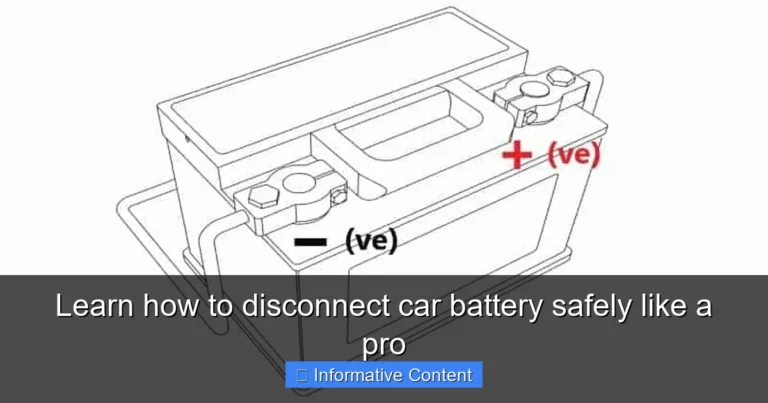
- Incorrect Connection Order: Connecting the positive (red) clamp to the positive terminal before the negative (black) clamp to the negative terminal can lead to sparks if the charger is switched on beforehand.
- Charger Issues: In some instances, the charger itself might have internal faults causing sparks. This can be due to damaged components or short circuits.
Safety Precautions for Charging Your Battery
Prioritizing safety during car battery charging is necessary to prevent injuries and equipment damage. Several simple precautions can reduce the risk of sparks and other hazards. Careful connection procedures, using protective gear, and working in a safe environment are essential. Checking the battery and charger condition prior to starting the charging process is also important.
- Wear Protective Gear: Put on safety glasses and gloves. This shields your eyes and skin from potential sparks or corrosive battery acid.
- Proper Connection Order: Connect the positive (red) clamp to the positive terminal first. Then, attach the negative (black) clamp to a ground point on the vehicle’s chassis, away from the battery.
- Charger Position: Place the charger in a well-ventilated area, away from the battery.
- Check for Damage: Inspect the battery and charger for any visible damage like cracks, leaks, or frayed wires before use.
- Keep Away from Flammable Materials: Work in a clear area, away from flammable substances such as gasoline or cleaning solvents.
Connecting Your Charger Safely
Connecting a car battery charger safely is a skill that can be easily learned. Following the correct steps minimizes the risk of sparks and ensures you’re charging your battery in a safe and effective way. The main goal is to establish a good, secure connection without causing short circuits or other electrical hazards. Remember the importance of being calm and focused while performing the steps.
Step-by-Step Connection Guide
Here’s a clear guide to help you connect your car battery charger safely. This process minimizes the risk of sparking and enhances the safety and effectiveness of your charging session. Remember to always prioritize safety and take your time. Also, be sure to consult your car battery charger’s manual for specific instructions, as there may be subtle differences depending on the model.
- Turn Off the Charger: Before anything, make sure the charger is switched off and unplugged from the power outlet. This prevents any electrical current from flowing during the connection process.
- Inspect Battery Terminals: Look at the battery terminals for any corrosion or damage. If there’s corrosion, clean it off with a wire brush or a specialized battery terminal cleaner before proceeding. A clean connection reduces the chances of sparking.
- Attach the Positive Clamp: Connect the red (+) clamp from the charger to the positive (+) terminal of your car battery. Make sure it’s firmly attached and making a good connection.
- Attach the Negative Clamp: Now, connect the black (-) clamp to a grounded metal part of your car’s chassis. Avoid connecting the negative clamp directly to the battery’s negative terminal. This can minimize the risk of a spark near the battery, where explosive hydrogen gas may be present.
- Plug in the Charger: Once the clamps are connected, plug the charger into a power outlet.
- Turn On the Charger: Turn on the charger after it’s plugged in. Check the charger’s settings and select the appropriate charge rate for your battery.
- Monitor the Charging: Keep an eye on the charging process. Some chargers have indicators showing the battery’s charge level. Never leave a charger unattended for a long time.
Troubleshooting Connection Issues
Even when following all safety measures, there might still be some challenges. Recognizing potential problems and understanding how to deal with them will help you navigate such situations safely. Knowing how to troubleshoot will reduce frustration and keep you from damaging either your car or your charger.
- Persistent Sparks: If you see consistent sparks, double-check your connections. Ensure the clamps are firmly attached and that the terminals are clean.
- No Charging: If the charger won’t start charging, check your charger’s manual. It is possible the charger has a safety feature preventing it from working with a very discharged battery.
- Corrosion Buildup: Clean any corrosion as soon as you see it. Corrosion creates resistance to current, reducing charging efficiency. Use a baking soda and water solution to remove any corrosion.
- Check the Fuse: If the charger suddenly stops working, there may be a blown fuse. Locate and
Understanding Car Battery Chargers
Knowing the different types of car battery chargers and how they work helps you choose the right charger for your needs. Different chargers offer varying features, charge rates, and safety mechanisms. This knowledge will assist you to operate your equipment more safely and ensure optimal battery life. Remember to always use the proper charger for your battery type and size.
Types of Chargers Explained
There are many different kinds of car battery chargers, each created to meet various requirements. Some are simple and easy to operate, while others have advanced features like automated charging cycles and multiple settings. Learning about these different charger types helps you choose the perfect one for your car and use case.
- Trickle Chargers: These chargers deliver a low, constant current to the battery. They are good for maintaining the battery charge over time and prevent overcharging.
- Standard Chargers: These are more powerful than trickle chargers and designed to charge a battery in a few hours. They usually have different charge rate settings, allowing you to control how quickly the battery charges.
- Fast Chargers: Fast chargers can charge a car battery quickly, in some cases within an hour. They typically deliver a high current and are most effective for urgent charging situations. They can create more heat and should be used with extra caution to avoid damage.
- Smart Chargers: Smart chargers incorporate a microprocessor that monitors the battery’s condition and adjusts the charging process accordingly. They usually have multiple safety features to prevent overcharging, reverse polarity, and short circuits.
Key Charger Features
Car battery chargers come with various features designed to improve user safety and charging efficiency. These functions range from basic protection features to more sophisticated options that can make your charging experience better. Understanding these features can help you select the ideal charger for your requirements.
- Overcharge Protection: This is a standard feature that stops the charger when the battery is fully charged. This prevents damage to the battery.
- Reverse Polarity Protection: Prevents the charger from working if the clamps are connected incorrectly. This is a crucial safety measure to prevent damage to the charger and the car’s electrical system.
- Short-Circuit Protection: Immediately shuts off the charger if a short circuit is detected. This feature prevents damage to both the charger and the battery.
- Voltage and Amperage Settings: Chargers often provide settings that allow you to adjust the charging voltage and current to suit your battery type and charging needs.
- Display Indicators: Many chargers feature indicator lights or LCD screens that show the charging status, voltage, and any error messages.
Preventing Sparks and Staying Safe
Reducing the likelihood of sparks and charging your battery safely requires a proactive approach. This involves regular battery maintenance, checking your equipment, and being aware of the environment you’re working in. Focusing on prevention guarantees a longer battery life, safer charging, and reduced chances of harm. Remember that safety is your top concern when working with electricity.
Regular Battery Maintenance
Consistent battery maintenance can dramatically reduce the chance of sparks and extend the life of your battery. Regular checks and basic upkeep help to ensure that the battery functions safely and efficiently. Incorporating these simple habits into your car care routine can result in long-term advantages.
- Terminal Cleaning: Clean the battery terminals regularly to remove any corrosion. Use a wire brush or a specialized terminal cleaner.
- Visual Inspection: Check the battery case for any cracks, leaks, or swelling. Replace any damaged batteries immediately.
- Proper Ventilation: Ensure the battery compartment has adequate ventilation to prevent the buildup of hydrogen gas, which can be explosive.
- Check Fluid Levels: If your battery is not sealed, monitor the electrolyte levels and top them up with distilled water when needed.
The Importance of a Safe Environment
The charging area directly impacts your safety. Having a clean, well-ventilated space helps minimize hazards and contributes to an efficient charging process. Taking these simple steps can help you be sure that the procedure is safe and reduces the chance of injuries or equipment damage.
- Well-Ventilated Area: Charge your battery in a well-ventilated location to prevent any buildup of explosive hydrogen gas.
- Clear Area: Make sure the charging area is free of flammable materials. This includes gasoline, oil, and cleaning products.
- Proper Lighting: Ensure good lighting in the work area, allowing you to see all connections clearly.
- Protective Flooring: Working on a non-conductive surface, such as a concrete floor or a rubber mat, is recommended to insulate against any electrical hazards.
Frequently Asked Questions
Question: Is it normal for a car battery charger to spark?
Answer: Yes, a small spark when connecting the clamps to the battery terminals is often normal, especially if the battery is deeply discharged. However, persistent or large sparks may indicate a problem.
Question: Can I charge a battery indoors?
Answer: Yes, but only in a well-ventilated area. Avoid charging batteries in enclosed spaces, such as a garage without proper ventilation, to prevent the buildup of hydrogen gas.
Question: What should I do if my charger sparks a lot?
Answer: If you notice a lot of sparking, immediately disconnect the charger. Check the connections, clean the terminals, and ensure the charger is properly connected before trying again.
Question: Can I leave a battery charger connected overnight?
Answer: It depends on the charger. Smart chargers are designed to stop charging when the battery is full and can often be left connected overnight. However, it’s best to check your charger’s instructions.
Question: What kind of battery charger should I use?
Answer: The best type of charger to use depends on your specific needs. Smart chargers are generally the safest and most convenient option, as they automatically regulate the charging process.
Final Thoughts
Sparks from a car battery charger sparks when connecting can be a bit unsettling, but now you know they’re not always a cause for alarm. By understanding the reasons behind these sparks – mostly due to voltage differences or corrosion – you can approach battery charging with confidence. Always prioritize safety by following the correct connection order, wearing protective gear, and keeping your workspace clear. Remember to keep the charger off until the connections are made, and then plug it in. Don’t worry, charging your battery safely isn’t that difficult once you know the basics. Take it slow, be careful, and you’ll be charging your car battery like a pro in no time.