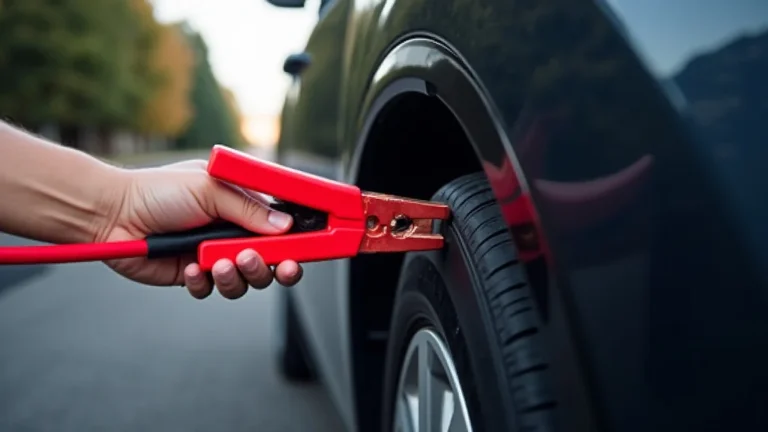
Car Battery Charger Polarity Error: How To Fix It Quickly
Getting a car battery charger polarity error can be a bit confusing, especially if you’re new to car maintenance. Don’t worry, it happens to almost everyone! The good news is, it’s usually not a big deal, and it’s something you can easily fix. This guide will explore the common reasons behind this error, helping you avoid mistakes and learn how to get your car back on the road. We’ll make sure you have a clear plan to follow, step by step, so you can solve this problem quickly. Let’s start!
What Causes Car Battery Charger Polarity Error?
A car battery charger, like any electrical device, operates based on the principle of polarity – the positive and negative terminals. The charger sends electricity into the battery to replenish it, but it must do so correctly. A car battery charger polarity error means the charger is sensing that the positive and negative connections are reversed, or that there’s a problem with the voltage. This is usually due to incorrect connections or a faulty charger. This issue is quite common for those who are new to car maintenance or who haven’t worked with batteries before. It’s similar to plugging something into an outlet, but getting the wires mixed up.
Incorrect Connections and Their Consequences
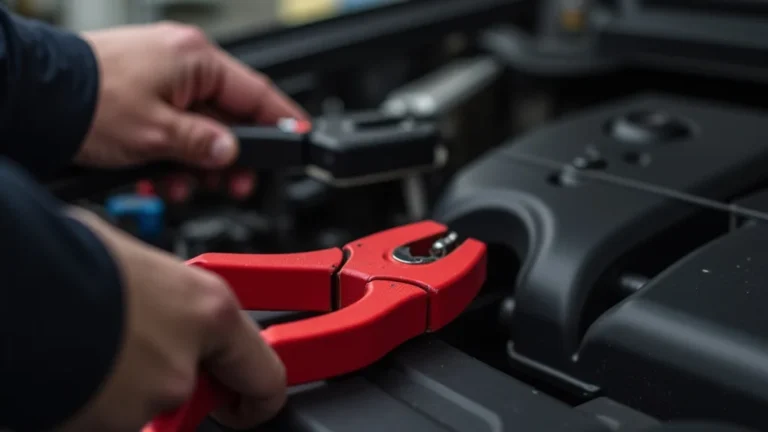
The most common cause of a car battery charger polarity error is simply connecting the charger clamps incorrectly. Battery terminals are clearly marked with “+” (positive) and “-” (negative) symbols. The red clamp on the charger should always connect to the positive terminal of the battery, and the black clamp should always connect to the negative terminal. A reverse connection triggers the error. Sometimes, it’s a simple mistake, such as in low light conditions or when the terminals are dirty or corroded, and you might accidentally attach the clamps in the wrong order. A polarity error is triggered to protect both the battery and the charger from damage.
- Reverse Polarity: If you connect the red clamp to the negative terminal and the black clamp to the positive terminal, the charger immediately detects the error and displays a polarity error message. This is designed to prevent damage to the car’s electrical system and the charger itself.
- Loose Connections: Even if you connect the clamps correctly, a loose connection can sometimes create the impression of a polarity error. This is because the charger might not be getting a good reading of the battery’s voltage or current flow. Check that the clamps are securely attached to the terminals.
- Corroded Terminals: Corrosion on the battery terminals can also interfere with a good connection. This corrosion acts as an insulator, preventing the charger from properly recognizing the battery’s polarity. Cleaning the terminals before connecting the charger is a good practice.
- Faulty Charger: In some cases, the charger itself might be at fault. Internal wiring issues within the charger can cause it to misinterpret the battery’s polarity, even if the connections are correct. The charger might be damaged internally, or have a problem with its sensors.
Battery Terminal Identification: A Helpful Guide
Identifying the positive and negative terminals of a car battery is the first thing you need to do before hooking up your charger. The terminals are typically marked with “+” and “-” symbols. The positive terminal (the one marked “+”) is usually red or has a red plastic cover, while the negative terminal (the one marked “-“) is black or has a black cover. If you can’t tell which is which, don’t worry. Car batteries are often arranged the same way, the positive terminal is usually on the right side. Check your car’s owner’s manual to find a diagram.
For example, if the terminals are covered in corrosion, the colors might not be visible. In this case, use a wire brush or a solution of baking soda and water to clean the terminals before attempting to identify them. Be careful not to let the cleaning solution drip into the battery’s cells. Also, some batteries may have different types of terminals, like side-post terminals instead of the more common top-post terminals. Be sure you know the kind of battery terminals your car has.
Safety Procedures and Precautions
Working with car batteries involves certain safety precautions. First, wear safety glasses or goggles to protect your eyes from splashes. Car batteries can emit explosive gases, so always work in a well-ventilated area. Avoid smoking or using open flames near the battery. When handling the charger clamps, be careful not to touch both clamps at the same time, as this could create a short circuit if they touch metal on the car. Also, be sure the charger is unplugged from the wall during the connection process.
If you’re unsure about any step, always consult a professional. If you smell something unusual like rotten eggs, there may be a serious problem. Never leave a charger unattended while it’s connected to a battery. A charger can overheat, especially if it’s faulty. If your battery has caps on top, remove them so the gasses can escape. If the battery or charger is damaged, dispose of it properly. Most importantly, follow the manufacturer’s instructions for both the car battery charger and your car battery.
Steps to Troubleshoot and Fix a Polarity Error
When you encounter a car battery charger polarity error, the initial step is to not panic. The error message is there to protect you and your equipment. Correcting the error usually involves checking the connections and ensuring they are correct. Then, you may need to check the charger itself to determine whether there’s an actual problem.
Step-by-Step Connection Check
The first thing to do is to double-check that the charger clamps are connected to the correct terminals. Disconnect the charger from the battery. Then, verify the polarity by looking at the battery terminals. Ensure the red clamp is connected to the positive (+) terminal, and the black clamp is connected to the negative (-) terminal. Once you’re sure of the connections, plug the charger into an outlet and see if the error persists. Be sure to check that the clamps are securely fastened.
- Disconnect the Charger: Unplug the charger from the electrical outlet and disconnect the clamps from the battery terminals.
- Terminal Inspection: Inspect the battery terminals for cleanliness and corrosion. Clean the terminals if necessary, using a wire brush or a baking soda and water solution.
- Clamp Check: Examine the charger clamps for damage. Make sure the clamps are in good condition and can make a solid connection.
- Reconnection: Carefully reconnect the charger clamps to the correct terminals. Red to positive (+) and black to negative (-).
- Restart: Plug the charger back into the electrical outlet and turn it on. See if the polarity error message disappears.
Troubleshooting the Charger Itself
If the error persists after checking the connections, the problem might be with the charger itself. Try using a different charger to see if the error goes away. If you have another charger available, connect it to the battery and see if it charges without showing an error. If the second charger works correctly, the original charger is likely faulty. If the second charger also shows the error, the problem is most likely with the battery or the car’s electrical system.
- Check the Charger’s Fuse: Many chargers have a built-in fuse to protect them from electrical surges. Locate the fuse on the charger and see if it’s blown. The owner’s manual will show you where it is. If the fuse is blown,
- Inspect the Charger’s Cord and Plug: Make sure the power cord and plug are in good condition, without any cuts or damage. Check that the plug is securely connected to the outlet.
- Consult the Owner’s Manual: Refer to the charger’s owner’s manual for specific troubleshooting steps. It may have additional tips or instructions for resolving polarity errors.
- Test with a Different Battery: If possible, test the charger with another car battery to see if the error message persists. This helps to determine if the problem is the charger or the car battery.
Battery and Car Electrical System Check
If the connections are correct and the charger seems to be working, the issue might lie in the battery or the car’s electrical system. A battery that has a short circuit internally can sometimes cause a polarity error. It’s also possible that there is a problem somewhere in the car’s electrical system that is causing the error.
If you’re not comfortable working with electrical systems, it’s best to consult a professional. They have tools and knowledge to diagnose more complex problems. A professional can use a multimeter to test the battery’s voltage and identify any internal shorts. They can also check the car’s electrical system for any wiring issues that could be the source of the problem. This can save you a lot of time and effort, as well as ensure the job is done safely and correctly.
Car Battery Charger Error Types and Solutions
Beyond the simple polarity error, various other charger error messages can pop up when using a car battery charger. These errors might indicate different types of problems, from incorrect connections to issues with the battery itself or the charger. Each error has specific causes and solutions.
Voltage Issues and Charging Limitations
A car battery charger might display an error related to voltage, such as “low voltage,” “high voltage,” or “overload.” Low voltage errors typically occur when the battery is severely discharged or has internal problems. High voltage errors can happen when the charger is providing too much power to the battery, which can damage it. Overload errors mean the charger is trying to charge the battery faster than it can handle, often due to a short circuit or other internal issues.
- Low Voltage: The battery voltage is too low for the charger to start charging. Try using a charger with a “boost” or “recovery” mode. If that doesn’t work, the battery might need to be replaced.
- High Voltage: The charger detects the battery voltage is too high. This could be a problem with the charger or the battery.
- Overload: The charger is sensing too much current draw from the battery, which can mean the battery has an internal short circuit, or other problems.
- Charging Too Quickly: Some chargers have settings for the charging rate. If you choose a high charging rate, the charger might give you an error message. Try lowering the charging rate to see if the error disappears.
Understanding Charger Messages
Car battery chargers display different types of error messages, depending on the manufacturer and the specific problem. Common error messages include “polarity error,” “reverse polarity,” “battery fault,” “low voltage,” “overload,” and “charging error.” Each message gives you clues about the cause of the problem.
- Polarity Error: As explained earlier, this indicates the charger clamps are connected incorrectly. Reconnect the clamps to the correct terminals.
- Reverse Polarity: Similar to the polarity error, this message shows that the charger has detected the polarity is reversed, indicating that the positive and negative connections are backwards.
- Battery Fault: This message means the charger is detecting a problem with the battery. The battery might be damaged internally, have a short circuit, or not be able to hold a charge.
- Low Voltage: This error indicates the battery’s voltage is too low for the charger to start charging. A charger with a boost mode may help.
- Overload: This message indicates the charger is drawing too much current from the battery. This may mean that the battery is damaged and needs to be replaced.
- Charging Error: A general message to show there is a problem during the charging process. Check the connections and the charger itself.
Diagnosing and Addressing Common Errors
Troubleshooting is the key to solving car battery charger errors. Start by checking the connections, then move on to examining the charger and the battery. If you’re still facing the issue, there might be problems within the car’s electrical system. Knowing how to diagnose each type of error will help you.
For example, if the charger displays a “battery fault” message, the battery could have an internal short, damage or be too old. In this case, test the battery with a multimeter to measure its voltage and check if it’s holding a charge. If the battery isn’t holding a charge, it needs to be replaced. Also, check for visual signs of damage, such as swelling or leaks. Remember to always consult your car’s manual for specific instructions and warnings.
How To Prevent Car Battery Charger Polarity Errors
Avoiding a car battery charger polarity error is usually as simple as taking a few precautions when you connect the charger. These steps will help you avoid the problem. This will ensure both the battery and the charger are safe. These simple steps can make a difference.
Best Practices for Connection
The correct way to connect a car battery charger is to always make sure the charger is turned off before you connect it. Then connect the red clamp to the positive (+) terminal of the battery. Next, connect the black clamp to the negative (-) terminal. Once the clamps are connected, then and only then, can you plug the charger into the electrical outlet and turn it on.
- Read the Charger’s Manual: Always read the charger’s owner’s manual before using it. Familiarize yourself with the safety guidelines and operating instructions specific to your charger.
- Clean the Terminals: Before connecting the charger, inspect the battery terminals for corrosion. Clean them with a wire brush or a baking soda and water solution to ensure a good connection.
- Double-Check Connections: Before turning on the charger, double-check that the red clamp is connected to the positive (+) terminal and the black clamp to the negative (-) terminal.
- Avoid Touching Clamps: Be sure the charger is unplugged before you make the connections.
Regular Maintenance and Battery Care
Besides correctly connecting your charger, regular care of your car battery can help prevent problems. Regular checks of your battery and its connections can prevent future issues. Also, regular charging can keep your battery in good shape. By keeping on top of battery maintenance, you can extend your battery’s life and minimize the chances of dealing with a car battery charger polarity error.
For example, you can periodically inspect the battery terminals for corrosion. Corrosion can interfere with the charging process. Clean the terminals regularly with a wire brush or a baking soda and water solution. Check the battery’s electrolyte levels regularly, particularly if you have a battery that requires topping up with distilled water. Ensure the battery is securely mounted in your vehicle to prevent vibration damage. Also, keep the battery clean, as dirt and grime can conduct electricity and cause the battery to discharge.
Choosing the Right Charger
Selecting the right car battery charger is key to safe and effective charging. You want a charger that meets your needs and is easy to use. Make sure the charger is compatible with your car battery type. This information is typically found on the battery itself or in the car’s owner’s manual. Look for a charger with automatic voltage detection, which will adjust the charging rate to suit the battery’s needs.
Consider the charger’s amperage rating. A higher amperage charger will charge a battery faster, but can also cause damage if used incorrectly. A trickle charger, for example, is useful for maintaining a battery. Consider a charger with safety features like reverse polarity protection and short-circuit protection. These features will protect both the charger and the battery from damage. Also, make sure the charger has clear and easy-to-understand instructions.
Frequently Asked Questions
Question: What does “car battery charger polarity error” mean?
Answer: It means your car battery charger senses that the positive and negative connections are reversed, preventing the charger from working properly.
Question: Why do I keep getting a polarity error message even when I think the connections are correct?
Answer: It could be due to a loose connection, corrosion on the terminals, a faulty charger, or an issue within the battery itself.
Question: Is it dangerous to ignore a car battery charger polarity error?
Answer: Yes, it could potentially damage the battery, the charger, or your car’s electrical system, so it is important to resolve it.
Question: Can a car battery charger polarity error damage my battery?
Answer: Yes, reversing the polarity or having a faulty charger can damage your battery, leading to reduced performance or failure.
Question: Where can I find more information about my car battery and charger?
Answer: Check your car’s owner’s manual and the charger’s manual for specific instructions and safety information.
Final Thoughts
Encountering a car battery charger polarity error can be a bit concerning, but it’s usually easy to resolve. The most common cause is simply having the charger clamps connected incorrectly. Always remember to double-check that the red clamp goes to the positive terminal and the black clamp to the negative terminal before plugging in your charger. If the error continues, check for loose connections, corrosion, or possible issues with the charger itself. With a few simple steps, like checking connections and ensuring they are connected correctly, you can solve this problem quickly. Be sure to follow safety precautions and consult your car and charger manuals for details. Now you can get your battery charged up and get back on the road!