Why Your Car Battery Charger Keeps Shutting Off Explained
If your car battery charger keeps shutting off, you’re not alone! Many people experience this, especially when they’re new to charging batteries. It can be frustrating when your charger seems to stop working unexpectedly. Don’t worry, we’ll break down the common reasons why this happens and give you a simple, step-by-step approach to fix it. We’ll explore the main causes and provide practical solutions so you can get your car battery charged effectively. Let’s get started!
Common Causes of a Car Battery Charger Shutting Off
A car battery charger keeps shutting off for several reasons, often indicating an issue with either the charger itself or the battery it’s connected to. These problems can range from simple overloads to more complex battery issues. Identifying the cause is key to getting your battery charging properly. It can be something as easy as a loose connection or as complicated as a failing battery. This section will discuss the most typical causes for this frustrating situation and help you understand what might be happening when your charger unexpectedly turns off. This will help you identify the problem and find solutions to keep your battery charged.
Overload Protection
Most modern car battery chargers include built-in overload protection. This safety feature shuts the charger down if it detects too much current draw or an excessive internal temperature. The protection is in place to prevent damage to the charger, the battery, or the vehicle’s electrical system. This overload protection acts like a circuit breaker, cutting off power when the charger senses a dangerous level of current flow or a rise in temperature. When this happens, the charger will often display an error message or simply shut off completely. It’s designed to protect against short circuits, overheating, and other potential hazards. Identifying the specific trigger for the overload is important to prevent the charger from turning off repeatedly.
- Short Circuit: A short circuit happens when electricity takes an unintended path, usually due to damaged wires or improper connections. The charger detects this and shuts down immediately to prevent damage or fire.
- Overheating: Chargers can overheat if they are used in a poorly ventilated area, if they are charging a battery with internal faults, or if they are simply working too hard. High temperatures can trigger the safety mechanism.
- Battery Condition: A severely damaged or internally shorted battery can draw excessive current, causing the charger to shut down. The charger detects this high current and stops charging to protect itself.
- Incorrect Settings: Setting the charger to a high charge rate on a smaller battery, or using the wrong charger for the battery type (e.g., using a charger meant for a lead-acid battery on a lithium-ion battery), can cause overload conditions.
Battery Voltage Issues
The voltage of your car battery plays a crucial role in how well it charges. If the battery voltage is too low, the charger might interpret it as a fault and shut down. This is especially true with older chargers that might not have the sophisticated diagnostic capabilities of newer models. A low battery voltage can also indicate a deeply discharged or damaged battery, which requires attention. Checking and ensuring proper voltage levels are necessary for proper charging and to avoid damaging the charger or battery. The right voltage can often be enough to get the charger functioning and the battery charged.
- Deeply Discharged Battery: If the battery is severely depleted, its voltage might drop below the minimum required for the charger to start. Many chargers won’t start charging if they detect a voltage below a certain threshold to prevent damage.
- Sulfation: This happens when lead sulfate crystals build up on the battery plates, reducing the battery’s ability to hold a charge. This can lower the voltage and make the charger shut down.
- Faulty Battery Cells: If one or more cells within the battery are damaged, they can reduce the overall voltage and cause the charger to stop working. This can lead to a low voltage reading that triggers the safety features.
- Loose Connections: Check the battery terminals and charger clamps. A loose connection increases resistance, leading to voltage drops and potential shutdown of the charger.
Charger Faults and Problems
Sometimes, the problem isn’t the battery, but the charger itself. Chargers can have internal faults that cause them to shut down prematurely. These faults can range from component failures to software glitches in more advanced chargers. Regular use and age can lead to wear and tear. Furthermore, if a charger is consistently exposed to extreme conditions, such as extreme heat or cold, it can damage internal components. If you suspect your charger may be the issue, examining its condition and, if possible, testing it with a known good battery can help determine whether it needs repair or replacement.
- Internal Component Failure: Electronic components like diodes, transistors, and capacitors can fail over time. When one of these fails, it can disrupt the charging process and cause the charger to shut down.
- Software or Firmware Issues: Modern chargers have software to control the charging process. Bugs or glitches in this software can cause the charger to shut down unexpectedly.
- Overheating from Internal Faults: Internal components malfunctioning generate heat. This increase in temperature could trigger the charger’s thermal protection system, causing it to shut down.
- Damage from External Factors: Physical damage to the charger, such as from a drop or impact, can compromise its internal components and cause it to malfunction.
Troubleshooting Steps to Resolve the Shut-Off Issue
If your car battery charger keeps shutting off, there are systematic steps you can take to determine the issue. Many problems have simple solutions that you can implement at home. This section outlines a straightforward approach to determine why your charger turns off and get your battery charging again. By following these steps, you can save money on a mechanic and quickly resolve the issue.
Visual Inspection and Basic Checks
Begin with a visual inspection. Start by checking the charger itself, the battery, and the connections between them. Look for any obvious signs of damage or wear. This quick inspection can often reveal a straightforward solution to the problem, such as loose connections or damaged cables. A thorough visual inspection can save you time and prevent unnecessary complications. Addressing these simple details can often get your charger working again without more complicated troubleshooting. Taking the time to do this step first is a great idea.
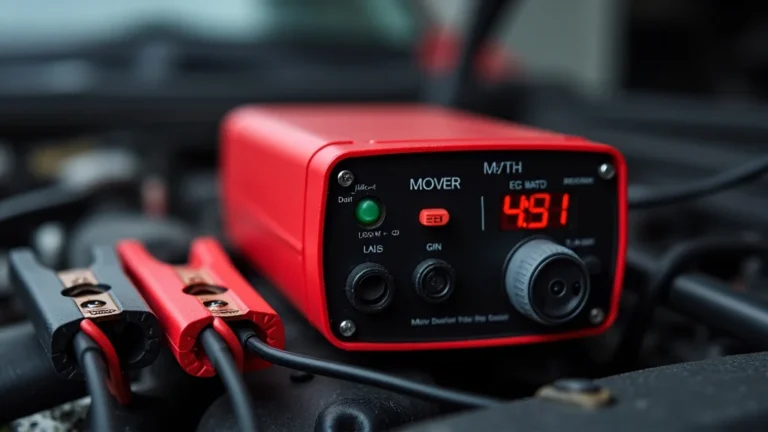
- Inspect the Charger: Check for any physical damage, such as cracks, loose wires, or signs of burning. Look for any error messages or indicator lights that might provide clues about the problem.
- Examine the Battery: Check for corrosion, swelling, or leaks. Corrosion on the terminals can prevent proper charging, and swelling could indicate an internal issue.
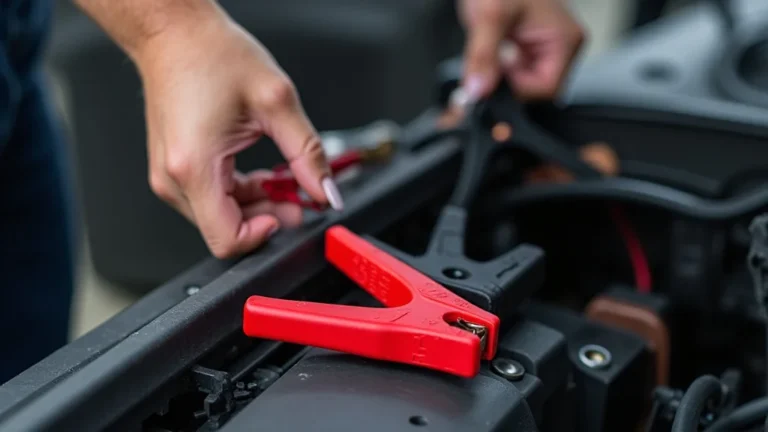
- Check the Cables and Clamps: Ensure the charger cables are intact and free of cuts or damage. Make sure the clamps are securely connected to the battery terminals.
- Clean the Terminals: If you see corrosion on the battery terminals, clean them with a wire brush and a solution of baking soda and water. Clean connections can improve charging efficiency.
Testing the Battery
Testing the battery is an important step when your car battery charger keeps shutting off. It allows you to determine the battery’s health and potential problems. Using a multimeter or a battery tester, you can check the battery’s voltage and identify internal faults. This testing helps you diagnose the problem and decide whether the battery can be charged. It is a good idea to perform this test if you are unsure of the battery’s condition. Doing so can prevent you from needlessly replacing components or damaging your charger. Performing these tests will provide a complete picture of your battery’s condition.
- Voltage Test: Use a multimeter to measure the battery’s voltage. A fully charged 12V battery should read around 12.6V or higher. If the voltage is significantly lower, the battery may be deeply discharged or damaged.
- Load Test: A load test simulates the battery’s performance under load, like when starting your car. This test can reveal if the battery can deliver the necessary power.
- Specific Gravity Test: For batteries with removable caps, a hydrometer can measure the specific gravity of the electrolyte. This can indicate the charge level of the battery.
- Check for Internal Shorts: A battery tester can also detect internal shorts within the battery. Internal shorts cause the battery to discharge rapidly and can prevent charging.
Checking the Charger and Connections
After checking the battery, the next step involves examining the charger itself. Inspecting the charger and its connections can often reveal simple problems that you can fix easily. Looking for loose connections, or damaged cables can prevent frustration. If the connections are sound, try using the charger on a different battery to determine whether the problem lies in the charger. These steps will help you determine the charger’s operating conditions.
- Test with a Different Battery: If possible, try using the charger on a known good battery to see if it still shuts off. If it works, the issue is likely with your original battery.
- Inspect the Charger Cables and Clamps: Ensure the cables are securely connected to the charger and the battery terminals. Look for any fraying or damage to the wires. Replace any damaged cables.
- Check the Charger’s Settings: Make sure the charger settings are appropriate for your battery type and size. Using the wrong settings can cause the charger to shut down.
- Use a Different Outlet: Try plugging the charger into a different electrical outlet. Sometimes, the outlet itself can have issues that affect the charger.
Understanding Battery Charging Technology
Knowing how your car battery charger works can help you better understand why your car battery charger keeps shutting off. Modern chargers have advanced features to protect the battery and the charger. This section explores these technologies and how they relate to the shut-off problem. This knowledge is important for proper charging and to avoid damaging your equipment. By understanding these technologies, you can improve charging and maintenance practices.
Types of Car Battery Chargers
Different types of car battery chargers have their own features and capabilities. Understanding the distinctions between these can help you choose the right one for your needs and troubleshoot the issues. Each type has its benefits and drawbacks, so you can pick the best option for your car. These chargers offer various functions that will accommodate different charging scenarios.
- Trickle Chargers: These chargers provide a slow, continuous charge to maintain the battery’s charge over time. They are ideal for storing vehicles for extended periods.
- Smart Chargers: These chargers use microprocessors to monitor the battery and adjust the charging rate as needed. They are able to prevent overcharging.
- Fast Chargers: Fast chargers deliver a high current to charge the battery quickly. However, they can be more harsh on the battery if used improperly.
- Lithium-Ion Chargers: Chargers specifically designed for lithium-ion batteries have unique charging profiles to manage these types of batteries effectively.
Charging Stages and Processes
Modern car battery chargers employ a multi-stage charging process to protect the battery and enhance its lifespan. Each stage has a specific role, from desulfation to maintenance. Understanding the processes can help you understand why your charger is shutting off. It can also help you identify problems. This can improve your car battery’s charging process.
- Desulfation: The charger might use a desulfation stage to break down sulfate crystals that form on the battery plates. This stage can take longer and cause the charger to shut off if it can’t resolve the sulfation issue.
- Bulk Charge: This stage delivers a high current to charge the battery to around 80% capacity quickly. Chargers may shut down if the battery cannot accept this high charge.
- Absorption: The charger reduces the current and maintains a constant voltage to fully charge the battery. Voltage issues in this stage can lead to shut-off.
- Float/Maintenance: Once the battery is fully charged, the charger switches to a low current maintenance mode. The charger might shut off if it never reaches this stage because of the battery condition.
Safety Features and Technology
Car battery chargers incorporate a variety of safety features to protect both the battery and the charger. These features include protection against overcharging, short circuits, and reverse polarity. Understanding these functions helps to troubleshoot charging issues and to avoid potential hazards. Modern chargers are constructed with these safety features to make them safer for the user and the battery.
- Overload Protection: This feature prevents the charger from drawing too much current, protecting against short circuits and internal damage. It is designed to cut off the current to the charger if a problem is detected.
- Reverse Polarity Protection: This safety measure prevents the charger from operating if the clamps are connected incorrectly. This protects the charger and battery from damage.
- Overcharge Protection: Smart chargers stop charging when the battery is fully charged to prevent overcharging and extend battery life. This is a good feature that can shut off the charger.
- Thermal Protection: Chargers have thermal sensors that shut down the charger if they get too hot, preventing overheating and potential fire hazards.
Practical Solutions and Advanced Techniques
When you’re dealing with a car battery charger keeps shutting off situation, implementing the right solutions can solve the problem and get your car running. This section details strategies to fix the charger. It also explains how to handle tough issues related to battery health. The combination of these solutions will help you keep your battery charged and in good shape. By using these approaches, you can charge your battery with confidence.
Deep Dive into Battery Sulfation
Sulfation is a common cause of battery failure, and understanding how it happens is critical. Sulfation happens when lead sulfate crystals build up on the battery plates, which reduces the battery’s ability to hold a charge. This section explores sulfation in detail, including the causes and how to resolve the problem. Learning about sulfation can help you maintain your car battery’s health.
- Causes of Sulfation: Leaving a battery in a discharged state, infrequent use, and high temperatures can cause sulfation. Understanding these causes helps prevent sulfation.
- Impact on Charging: Sulfation reduces the battery’s capacity and can cause the charger to shut off. If you are having issues with charging, this could be the cause.
- Desulfation Methods: Some chargers have a desulfation mode that applies a high-frequency pulse to break down the sulfate crystals. Using this function can restore the battery.
- Prevention Strategies: Keeping the battery charged, storing it in a cool, dry place, and using a trickle charger can help prevent sulfation.
Boosting a Deeply Discharged Battery
A deeply discharged battery may not have enough voltage for a charger to start charging. In this case, you may need a workaround to get the battery voltage up to an acceptable level. This section details some methods to boost the battery voltage, including using another battery or charger. It also explains safe practices. Using these methods can help you revive a battery and get it ready for charging.
- Jump Starting: Use jumper cables to connect your discharged battery to a running vehicle’s battery. Let it charge for about 15-30 minutes, then try your charger again.
- Parallel Charging: Connect a second, charged battery in parallel (positive to positive, negative to negative) to your discharged battery. Leave them connected for a few hours. Then try your charger.
- Using a Charger with a “Boost” Function: Some chargers have a boost mode that can apply a higher voltage briefly to “jump start” the charging process. Always follow the charger instructions.
Advanced Charger Diagnostics
Certain chargers have advanced diagnostic capabilities that can help to understand the reasons behind shutting down. These chargers can display error codes or provide information about battery condition and charging status. This section explores these advanced diagnostics and how to use them. Employing these diagnostic tools provides valuable insight for proper charging.
- Error Codes: Many smart chargers provide error codes that indicate specific problems. Check the charger’s manual to interpret these codes and identify the issue.
- Battery Condition Analysis: Advanced chargers analyze the battery’s performance and provide information about its state of health, including internal resistance and cranking power.
- Charging Status Indicators: Monitor the charger’s display during charging. The indicators show the charging phase and any interruptions. This information could identify a fault.
- Testing Charger Output: Some chargers have test modes or options to measure output voltage and current. You could verify that the charger works without connecting to a battery.
Frequently Asked Questions
Question: Why does my car battery charger keep shutting off when I connect it?
Answer: This can happen for several reasons, including overload protection activating due to a short circuit, a deeply discharged battery, or issues with the charger itself.
Question: How can I tell if my battery is bad?
Answer: Signs of a bad battery include difficulty starting your car, slow cranking, swelling or leaks, and a voltage reading significantly below 12.6V when fully charged.
Question: What should I do if my charger shows an error code?
Answer: Consult your charger’s manual to find out what the error code means. Error codes typically indicate specific problems, such as a reverse polarity, overvoltage, or internal fault.
Question: Is it safe to leave a car battery charger connected overnight?
Answer: It depends on your charger. Smart chargers designed for that purpose can be left connected overnight because they stop charging when the battery is full. Older chargers may overcharge a battery if left connected for too long.
Question: Can I use any charger for any car battery?
Answer: No. Ensure your charger is compatible with your battery type (e.g., lead-acid, AGM, lithium-ion) and voltage (usually 12V). Using the wrong charger may damage your battery and/or the charger.
Final Thoughts
When a car battery charger keeps shutting off, the experience can be frustrating, but it’s often fixable. We’ve explored different causes from simple connection issues to internal battery problems and how the charger works. With the knowledge of the causes and troubleshooting steps, you can fix your charging problem. Always remember to check the basics, like connections and voltage. If you’re still having trouble, don’t hesitate to seek help from a professional. The right approach gets your car battery charged and ensures your car’s readiness.