Car Alternator Making Noise: Causes, Solutions, and Prevention
Hearing a car alternator making noise can be a bit stressful, especially if you’re not a car expert. It’s a common issue that many drivers face, and it often sounds scarier than it is. Don’t worry, though! This guide will help you understand why your alternator might be making noise, what the potential problems are, and, most importantly, how to fix them. We’ll go through a straightforward, step-by-step process so you can figure out what’s going on and what you can do about it. Let’s get started!
Possible Causes for a Noisy Alternator
A noisy alternator can be caused by various factors, ranging from simple issues to more complex ones. The sound itself can give you clues about the problem. For example, a whining noise might point to bearing issues, while a clicking or tapping sound could suggest loose components. Understanding the potential causes is the first step in diagnosing and resolving the issue. It’s important to remember that alternators are vital for your car’s electrical system, charging the battery and powering accessories. When the car alternator making noise, it can be an early indicator of a developing issue that could eventually leave you stranded. Let’s look at some common causes.
Bearing Failure
One of the most common reasons for an alternator to make noise is bearing failure. Inside the alternator, there are bearings that allow the rotor to spin smoothly. These bearings are constantly in motion and are subject to wear and tear. Over time, the bearings can wear down, become dry, or get contaminated with dirt and debris. This can cause the alternator to emit a whining, growling, or grinding sound, especially when the engine is running. The noise often changes with engine speed; it gets louder as the RPMs increase. Ignoring bearing failure can lead to the alternator seizing up, potentially causing more extensive damage and leaving your car unable to start.
- Wear and Tear: The constant friction and heat can gradually degrade the bearings, causing them to lose their smoothness.
- Lubrication Issues: Insufficient or degraded grease within the bearings can increase friction and noise.
- Contamination: Dirt, dust, or moisture can enter the bearings, accelerating wear and causing noise.
- Overheating: Excessive heat from the engine or electrical overload can damage the bearings.
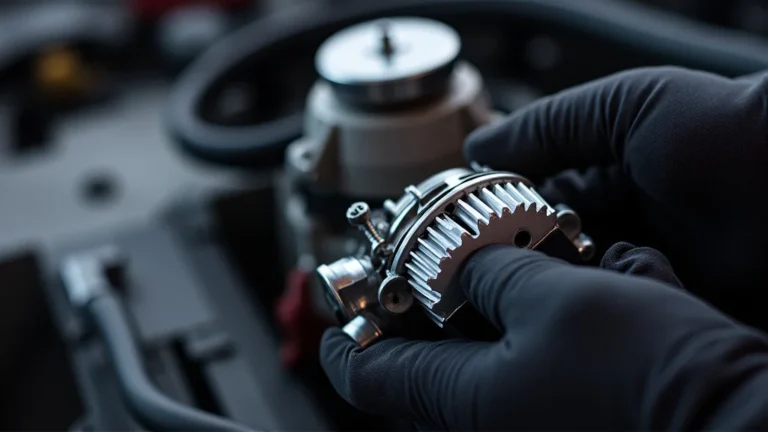
Replacing the bearings involves removing the alternator, disassembling it, removing the old bearings, and pressing in new ones. This requires specialized tools, making it a task best suited for those comfortable with vehicle repair. When the bearing fails, it affects the rotation of the rotor, and the alternator will not function correctly. Consider professional help or learn how to replace the bearings to solve the problem.
Belt Problems
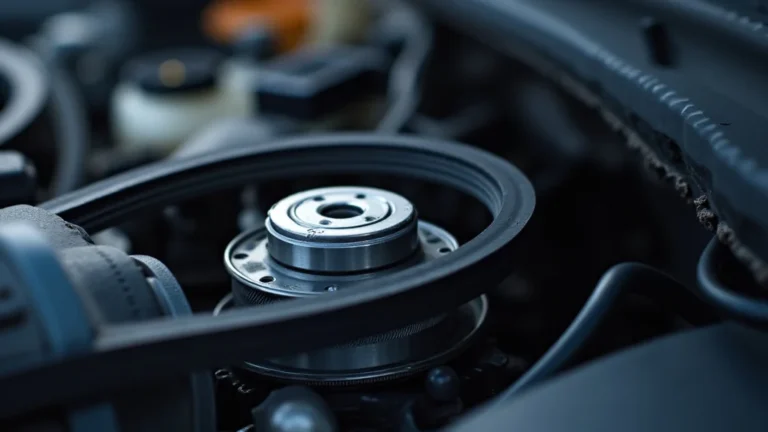
The serpentine belt is another significant component that can contribute to alternator noise. This belt, also known as the drive belt, is responsible for transferring power from the engine’s crankshaft to the alternator’s pulley. If the belt is worn, cracked, glazed, or misaligned, it can produce various noises, including squealing, chirping, or slapping sounds. Moreover, the belt may also be loose, allowing the pulley to slip and generate noise, particularly under load. Regular inspection of the belt’s condition is vital. If the belt is old, or any sign of wear is found, it’s best to replace it.
- Wear and Tear: Over time, the rubber belt can deteriorate, leading to cracks and reduced grip.
- Misalignment: Incorrect alignment of the pulleys can cause the belt to rub against other components, creating noise.
- Tension Issues: A belt that is too loose or too tight can cause noise and potential damage.
- Contamination: Oil or other fluids on the belt can cause it to slip and squeal.
A failing belt can also affect the car’s other systems, such as the power steering pump and air conditioning. Ignoring belt problems can lead to more significant issues. A broken belt, for instance, will leave your vehicle stranded. Replacing a belt is usually a straightforward task, but it requires appropriate tools and following the right procedure. If you notice a high-pitched squealing that gets worse when you turn on electrical components, then the belt might be the culprit.
Electrical Problems
Electrical issues within the alternator itself can also cause noise. The alternator produces electrical energy by rotating a rotor inside a stator. Any problems with these components, like a faulty diode bridge or damaged wiring, can lead to strange noises. For instance, a failing diode bridge, which converts AC to DC current, can create a buzzing or humming sound. Wiring issues, such as loose connections or frayed wires, can also cause electrical arcing and noise. Moreover, internal short circuits within the alternator can also produce unusual sounds and impact its ability to charge the battery. When troubleshooting, it’s important to consider that the alternator is a complex device.
- Diode Bridge Failure: A failing diode bridge can cause a buzzing or humming sound due to the erratic conversion of AC to DC.
- Wiring Issues: Loose connections or damaged wiring can lead to electrical arcing and noise.
- Rotor or Stator Problems: Damage to these components can cause internal short circuits and unusual sounds.
- Overload: Overloading the alternator with excessive electrical demand can lead to noise and damage.
Addressing electrical problems often involves diagnosing the exact source of the issue. This might involve testing the diodes, inspecting the wiring, and checking the overall electrical load. Repairing electrical problems within an alternator usually requires some experience with electrical systems and specialized equipment. If you are not comfortable with electrical work, it’s advisable to have a qualified mechanic perform the repairs. Failing to address electrical problems can not only cause noise but can also prevent the alternator from charging your car’s battery properly.
Troubleshooting Noises from Your Alternator
Finding out the source of the noise is key to fixing it. Before you start replacing parts, take time to figure out where the sound is coming from. Use a systematic approach, such as listening carefully and conducting a few simple tests. This will help you pinpoint the issue and avoid spending money on unnecessary repairs. Several methods can assist you in figuring out if the car alternator making noise. Some simple tests could potentially save you a lot of time and money, making it possible to identify the source of the noise effectively.
Listening for the Sound
Careful listening is often the first and most accessible step in troubleshooting. The type of sound and when it occurs can provide valuable information about the source of the problem. A grinding or growling sound might suggest bearing problems, while a squealing sound might indicate a belt issue. Paying attention to how the noise changes with engine speed, electrical load, or temperature can also help narrow down the possibilities. For example, if the noise gets louder when you turn on your headlights or AC, the alternator is likely working harder and the sound is related. Similarly, a noise that disappears when the engine warms up might be related to the bearings or the belt.
- Growling or Grinding: This often indicates bearing failure.
- Squealing or Chirping: This could be related to belt issues or a slipping pulley.
- Buzzing or Humming: This might be an electrical problem, such as a failing diode bridge.
- Tapping or Clicking: This could suggest loose components or internal damage.
Listening to your alternator’s sound will help identify where the noise comes from. Using a mechanic’s stethoscope or a long screwdriver can help you focus on different parts of the engine. Place the tip of the stethoscope or screwdriver on different components, such as the alternator body, belt tensioner, and pulleys, while listening through the other end. This will help you isolate the sound and determine the source. If the noise is coming from the alternator, you can begin to investigate further. It’s a non-invasive, quick method to gather information before moving on to more detailed tests.
Visual Inspection
Following the listening phase, a visual inspection can help you identify obvious issues like worn belts or loose connections. Look for cracks, glazing, or fraying on the serpentine belt. Check the belt tension and alignment, ensuring that all pulleys are correctly aligned and spinning freely. Examine the alternator and surrounding areas for signs of oil leaks, which could contaminate the belt or damage the alternator’s internal components. Inspect the wiring for any signs of damage, such as frayed wires, loose connections, or corrosion. Taking the time to observe these components will help to reveal the reason the car alternator making noise.
- Belt Condition: Check for cracks, fraying, or glazing.
- Belt Tension: Ensure the belt has the correct tension and isn’t too loose or too tight.
- Pulley Alignment: Verify all pulleys are aligned and spinning freely.
- Wiring: Look for damaged or loose wires.
Also, check the alternator’s mounting bolts to ensure it’s securely attached. Loose mounting can allow the alternator to vibrate and make noise. By thoroughly checking these details, you can identify some common problems. However, always remember that a visual inspection alone might not reveal all the issues. You may need to move on to other diagnostic methods, such as testing the electrical components or bearing inspection.
Electrical System Checks
Electrical system tests help you to determine if the alternator is charging the battery effectively. A multimeter is a useful tool for these tests. First, check the battery voltage with the engine off. This reading should be around 12.6 volts. Start the engine and measure the voltage again. The voltage should rise to around 13.5 to 14.5 volts, indicating that the alternator is charging the battery. If the voltage doesn’t increase, or if it drops when you turn on electrical accessories, there may be an issue with the alternator. This includes checking the diodes and voltage regulator. A bad diode might let AC current leak through, and a bad voltage regulator can prevent the alternator from generating the correct voltage.
- Battery Voltage Test: Measure battery voltage with the engine off and on.
- Alternator Output Test: Check the alternator’s voltage output while the engine is running and under load.
- Diode Test: Verify the diodes are functioning correctly to convert AC to DC.
- Voltage Regulator Test: Ensure the voltage regulator is maintaining the correct voltage output.
Using a multimeter or diagnostic tools, you can examine the alternator’s output under different loads. This helps to determine if the alternator is providing enough power to the car’s electrical systems. Checking these components often requires specialized knowledge and equipment. If you’re not confident in your ability to perform these tests, it’s best to consult a professional mechanic. Addressing electrical system problems is essential for the long-term health of your alternator and the overall electrical system.
Solutions and Prevention of Noisy Alternators
Once you’ve identified the source of the noise, you can take steps to fix the problem. The specific solution will depend on what’s causing the noise. Some repairs can be done at home with the right tools and knowledge, while others require professional assistance. Also, preventative actions can keep your alternator running smoothly and prevent potential problems. Ignoring these solutions can not only make your car noisier, but it can also lead to more serious issues, such as a dead battery or electrical system failure. Let’s delve into some common solutions and preventive measures that will help you tackle the problem of a car alternator making noise.
Repairing or Replacing the Alternator
Depending on the damage, you may have to decide whether to repair or replace the alternator. If the noise is due to minor issues, such as worn bearings or a failing voltage regulator, repairing the alternator might be an option. However, if the damage is more extensive, such as internal component failures or a complete burnout, replacing the alternator may be a more cost-effective solution. In the case of bearing issues, replacing the bearings themselves can be an effective fix. This typically involves removing the alternator, disassembling it, and replacing the bearings.
- Bearing Replacement: If the bearings are the source of the noise, replacing them can often solve the problem.
- Voltage Regulator Replacement: A faulty voltage regulator can cause charging issues and noise.
- Full Alternator Replacement: For significant damage or wear, consider a replacement.
- Professional Inspection: A mechanic can assess the damage and provide the best course of action.
If you’re comfortable working on your car, you can replace the alternator yourself. But you’ll need to make sure you have the correct tools and follow the instructions carefully. When it comes to more complex repairs, like replacing the diodes, it’s generally best to take the alternator to a professional mechanic or a specialized auto electrical shop. A mechanic will be able to diagnose the problem accurately and perform the repairs efficiently. Choosing between repair and replacement will depend on the extent of the damage and your mechanical skills. In either case, the aim is to restore the alternator’s performance and eliminate the noise.
Belt Replacement and Maintenance
If belt issues are the cause of the noise, replacing the serpentine belt is often the first step. Make sure to buy a belt that is the correct size and type for your car. Before installation, inspect the pulleys for any signs of damage or wear, as these could affect the belt’s performance. Also, ensure the belt is correctly aligned. When installing the new belt, follow the routing diagram, which is usually found under the hood or in your car’s owner’s manual. A misaligned belt can create additional noise and wear down the belt and other components. After installing the new belt, check its tension to ensure it’s within the manufacturer’s specifications.
- Choose the Correct Belt: Use the correct size and type of serpentine belt for your vehicle.
- Inspect Pulleys: Check the pulleys for any damage or wear before installing the new belt.
- Proper Alignment: Ensure the belt is properly aligned with all the pulleys.
- Tension Check: Verify that the belt is at the correct tension after installation.
Regular maintenance can extend the life of your serpentine belt. You should inspect the belt for wear and cracks at least once a year or every time you change your oil. If you detect any damage,
Regular Inspections and Maintenance
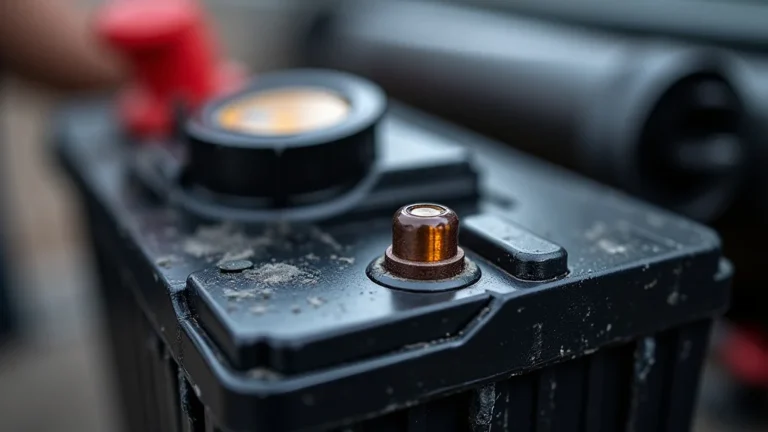
Regular inspections and maintenance are essential for preventing alternator problems and other issues with your car. Schedule a check of your car’s electrical system, including the alternator, during your routine service appointments. This allows a qualified mechanic to identify potential issues early on. Check the battery terminals for corrosion, which can interfere with the alternator’s charging system. Clean the terminals as needed. Perform a visual inspection of the alternator and the surrounding components, looking for any signs of damage or wear. Moreover, keep an eye on your car’s warning lights. The battery warning light can indicate an issue with the charging system.
- Scheduled Service: Have your car’s electrical system inspected regularly by a professional.
- Battery Terminal Maintenance: Clean the battery terminals to ensure good electrical connections.
- Visual Checks: Regularly inspect the alternator and surrounding components.
- Monitor Warning Lights: Pay attention to your car’s warning lights, especially the battery light.
A good maintenance schedule involves changing the oil and fluids regularly, which helps keep the engine running smoothly. Following these steps helps in keeping your car in good condition. Regular maintenance also helps in spotting and fixing small problems before they grow into major ones. Additionally, keeping your car’s electrical system in good condition helps in extending its overall life. It also keeps you safer on the road and prevents costly repairs. The most effective way of preventing a car alternator making noise is by integrating it into your normal car maintenance routine.
Frequently Asked Questions
Question: What does a failing alternator sound like?
Answer: A failing alternator can make different noises, depending on the problem. It can sound like a whining, grinding, or growling noise, which could suggest bearing issues. You might hear a squealing or chirping noise if there are belt problems, or a buzzing or humming sound if there’s an electrical issue.
Question: How can I tell if the noise is coming from the alternator?
Answer: You can use a mechanic’s stethoscope or a long screwdriver to listen closely. Put the tip on different components like the alternator body or pulleys, and listen for the source of the noise. If the noise is coming from the alternator, it will be louder when the tool is placed on the alternator itself.
Question: Can I drive my car if the alternator is making noise?
Answer: It’s generally not recommended to drive your car if the alternator is making noise, especially if the noise is severe or accompanied by other symptoms like dimming lights. The alternator’s main job is to charge the battery and power your car’s electrical components. Driving with a faulty alternator could lead to your battery dying, leaving you stranded.
Question: How often should I replace the serpentine belt?
Answer: The serpentine belt should be replaced based on the car’s manufacturer’s recommendations. However, it’s a good idea to inspect it regularly for any wear and tear. You can do this at least once a year, or during every oil change. Many suggest that the belt should be replaced every 60,000 to 100,000 miles, but this can vary.
Question: What tools do I need to test the alternator?
Answer: To test the alternator, you’ll need a multimeter to measure voltage and current. You may also need a stethoscope to listen to the alternator’s sounds. Also, ensure you have the correct tools to get the alternator out. This could include wrenches, sockets, and a jack to lift the car, and safety equipment like eye protection.
Final Thoughts
Hearing a car alternator making noise doesn’t always spell disaster, but it does mean it is time to take action. This guide has explored the key reasons behind alternator noise, from worn bearings and belt problems to electrical issues. By listening carefully, conducting a visual inspection, and performing simple electrical tests, you can often pinpoint the problem. Then, whether it’s replacing a belt, fixing the bearings, or, in some cases, replacing the alternator, taking care of the issue promptly is key. Regular inspections and maintenance, including checking your belt and electrical system, can help you prevent many of these problems from happening in the first place. You are now equipped to handle this issue with confidence and keep your car running smoothly. Taking the time to understand the issue will keep you and your car safe.